
Film
The Bitter Tea of General Yen
Frank Capra's 1933 drama puts Barbara Stanwyck in the path of a Chinese warlord during civil war, and what unfolds is a film about power, desire, and the strange intimacy of captivity. Visually sumptuous, morally complicated, and deeply of its era—for better and worse. For those ready to reckon with old Hollywood's racial politics while still finding the human story underneath.
Should you watch it?
Watch it if you are drawn to melodrama where a love affair is staged against a sweeping, dangerous backdrop, and you enjoy old studio craft with lush, shadowy images and a stubborn romantic streak.
Skip it if the depiction of China is filtered through a 1930s Hollywood lens, with stereotyped characters and yellowface casting that can grate today, and the romance is more ardent than subtle.
What it asks of you: It moves at a deliberate, slightly stagey pace across 88 minutes, so you need patience with long held looks and talky scenes rather than action to carry it.
Not sure? Find tonight's pick in a minute.
If you liked this
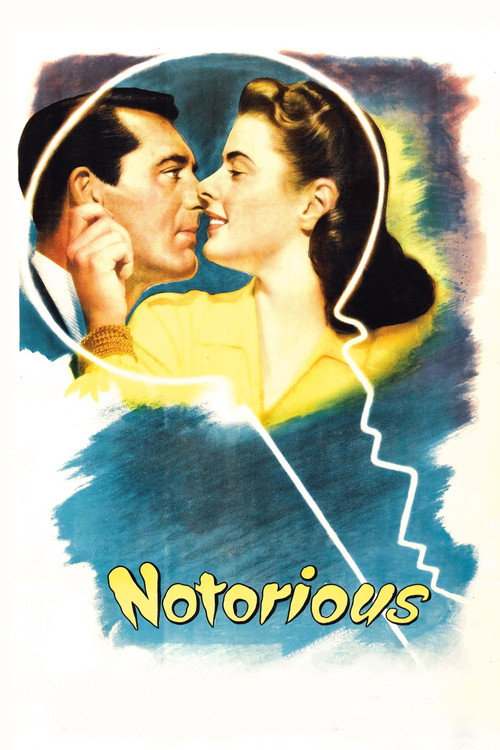
Notorious1946
Hitchcock's thriller pairs Cary Grant and Ingrid Bergman in a tale of seduction, espionage, and the manipulative love that grows between them. Like Yen, it's fascinated by power imbalances and the ache of wanting someone who's using you.
But It's a spy thriller first, which means some of the emotional ambiguity gets subsumed into plot mechanics. Also considerably faster-paced than Capra's languid approach.
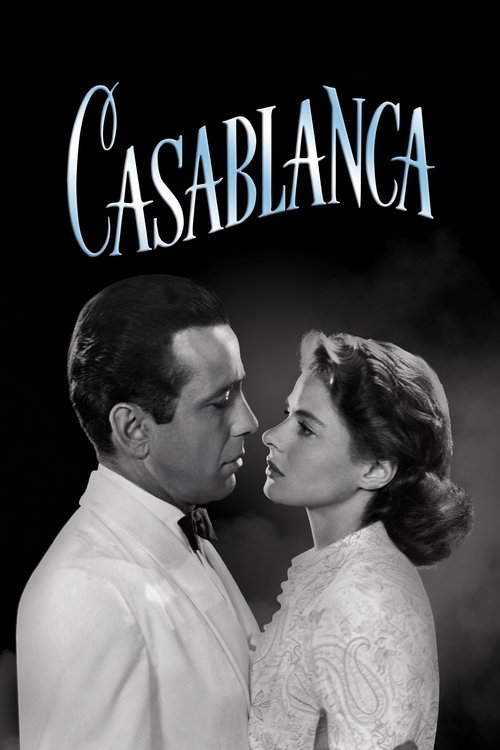
Casablanca1943
Bogart and Bergman amid colonial intrigue and impossible love. Both films luxuriate in the idea that passion and duty might not coexist, and that noble sacrifice can be genuinely tragic rather than clean.
But It's been canonised to death. Watching it now means fighting through decades of reverence to find the actual film underneath.
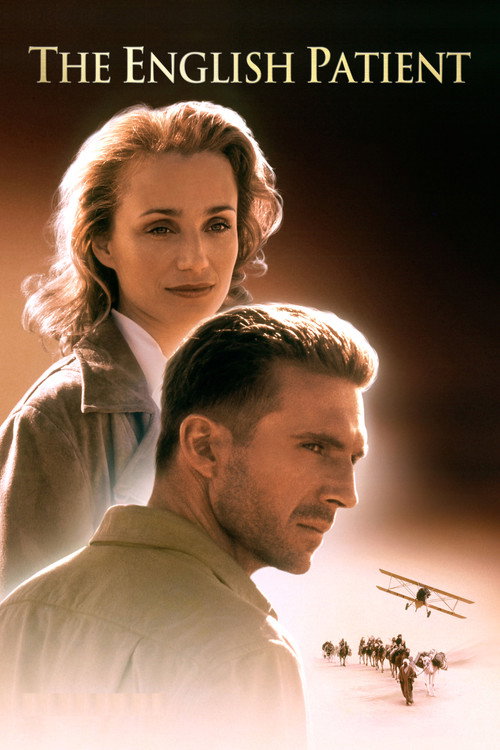
The English Patient1996
Another wartime romance built on secrets, geography, and the question of whether love survives when everything else burns. Also visually ornate in a way that dates it, yet the obsession at its core feels timeless.
But Three and a half hours. The framing device divides viewers sharply—some find it deepens the tragedy, others find it exhausting.
Not sure tonight? Get a pick in a minute, starting from The Bitter Tea of General Yen
The wildcard
Something you would not have found on your own.
In the Mood for Love2000
Both films are built in the same language—geography, light, the way a room can be a world. Yen uses it to show seduction amid chaos; Wong uses it to show desire that's entirely interior.
Wong Kar-wai's Hong Kong film, all deep reds and greens and desire seen through rain-streaked windows. A love story between two people who never touch, constructed entirely from glances and proximity. It proves that Capra's visual obsession—light, colour, the poetry of being near someone—isn't just 1930s excess; it's a real way to tell love.
But It's hypnotic rather than propulsive. If you need narrative momentum, it will feel like watching someone else's fever dream.

More like this (7)
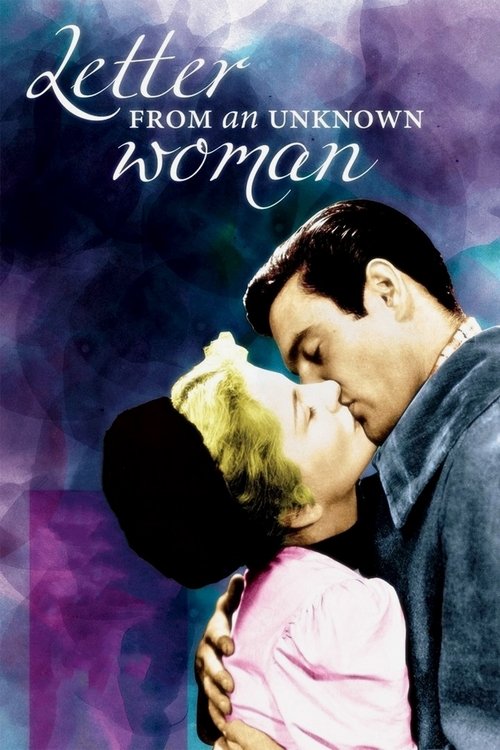
Letter from an Unknown Woman1948
Ophüls' masterpiece about a woman's lifelong devotion to a man who barely remembers her. The camera moves like it's tracing the shape of obsession itself. Tragic without being maudlin.
But It's less about plot than mood and memory. If you need things to happen, you'll find it slight.
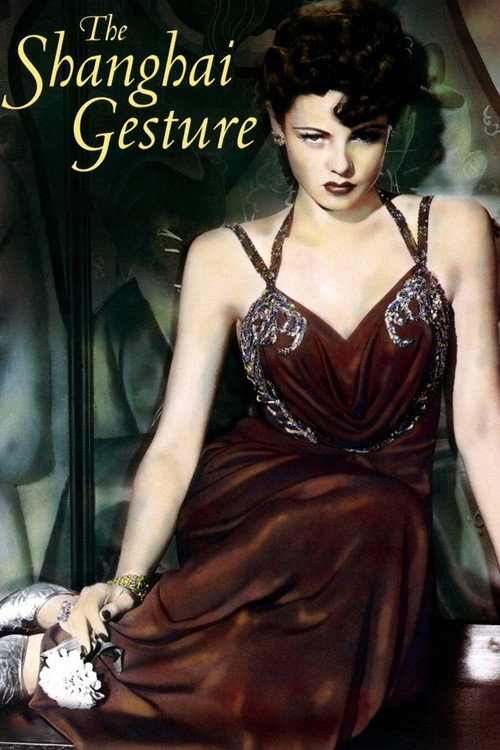
The Shanghai Gesture1941
Josef von Sternberg's baroque melodrama also set in Shanghai, also concerned with desire and the exoticism Western cinema projected onto Asia. A natural companion piece, same era, same visual intoxication.
But More visibly artificial and camp than Capra. If you want realism or narrative clarity, this will feel suffocating.
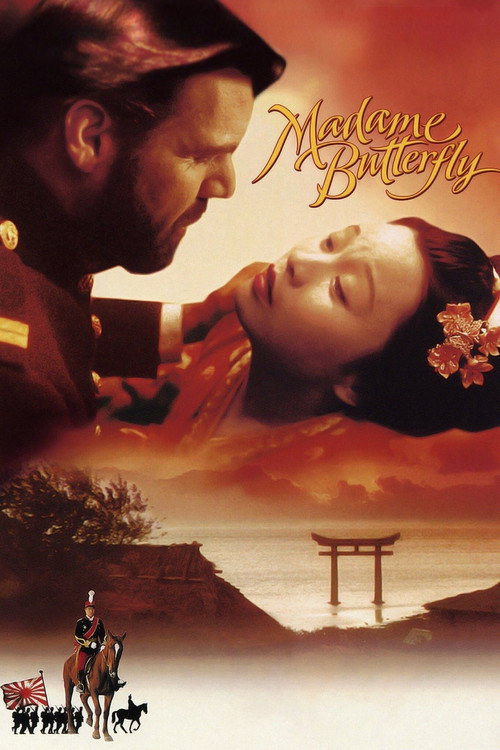
Madame Butterfly1995
Frederic Mitterrand's film of Puccini's opera (yes, the whole thing) is the dark mirror to Yen—a colonial love story where the power dynamic is fatal. The same historical romance, but honest about its tragedy.
But It's an opera, so if sung dialogue doesn't move you, nothing else will. And it ends very badly.
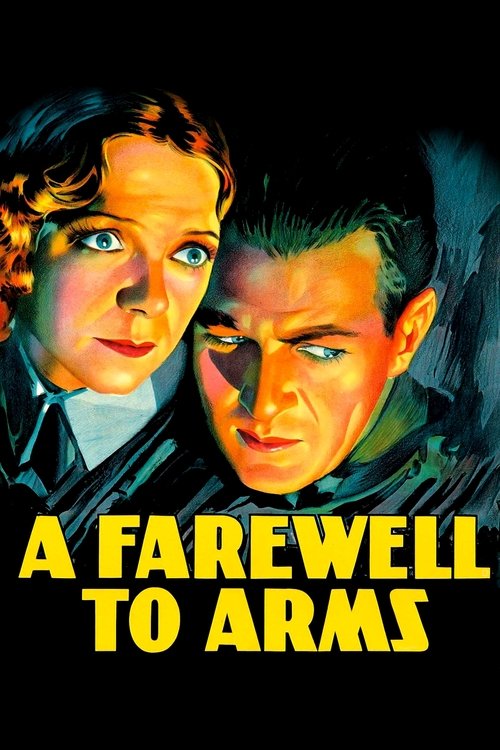
A Farewell to Arms1932
Borzage's WWI romance between an American ambulance driver and a nurse, made just a year after Yen. Similar mood—war as backdrop to a love that can't survive the world around it.
But The studio romance formula shows its seams. It ends at the moment you most want to look away, which is either honest or cruel depending on your appetite.
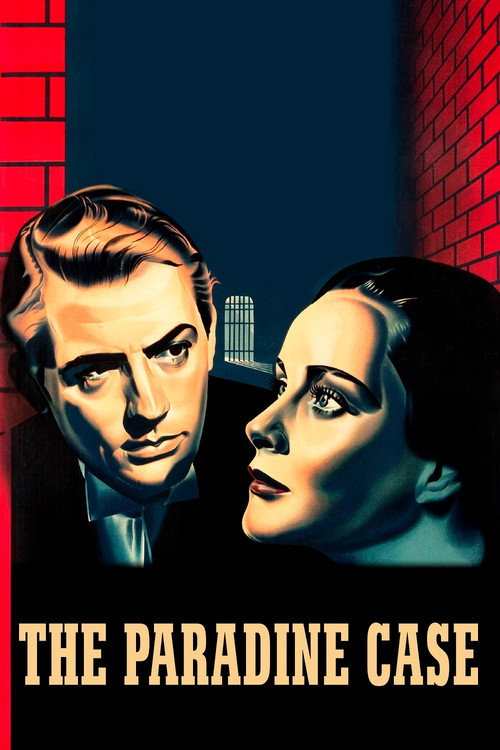
The Paradine Case1947
Hitchcock again, this time watching a lawyer become dangerously obsessed with defending a woman he may not understand at all. Captivity isn't geographic; it's psychological.
But Hitchcock himself later dismissed it as overwrought. That reputation is mostly unfair, but the melodrama does curdle sometimes.
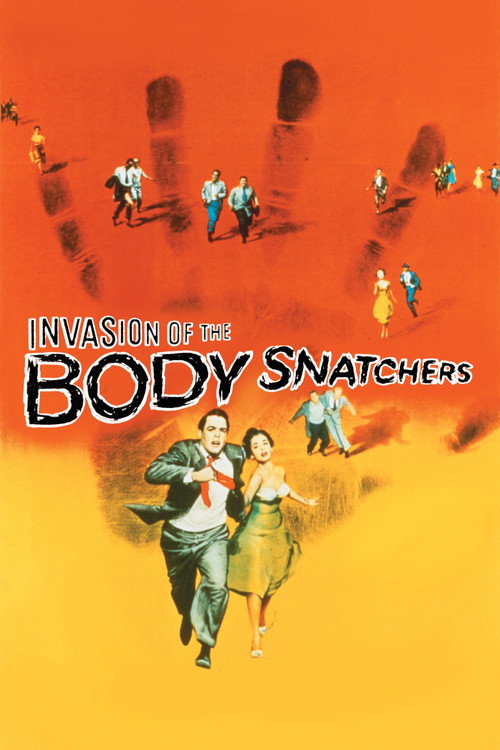
Invasion of the Body Snatchers1956
A Cold War paranoia film that's also about loving someone and not knowing who they are anymore. Yen's intimacy inverted—instead of knowing too much about each other, they know nothing.
But Science fiction pulp. If you're after character study you might find the alien plotting distracting.
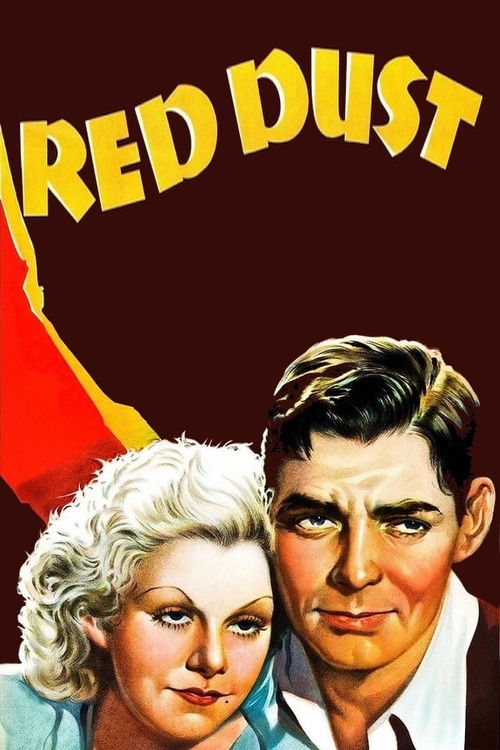
Red Dust1932
Both films are *of* and *about* their era's colonial attitudes. Yen pretends it's romantic. Ford shows you the cracks in that pretense.
John Ford's cavalry film (not the Gable picture from the same year) with Victor McLaglen and Boris Karloff, set in colonial India. Another story about men of power, indigenous people rendered exotic and serviceable, and the Western men who think they own everything. Ford made this *as* a western rather than despite it.
But It's a minor Ford, rarely revived, and not because it's undiscovered brilliance—it's a bit rough and the attitudes are unreconstructed even for Ford. You have to squint at it sideways.
People
Cast
 Barbara StanwyckMegan
 Nils AstherGeneral Yen
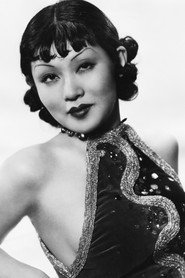 Toshia MoriMah-Li
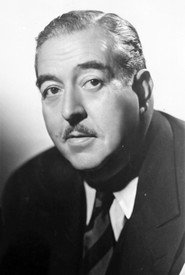 Walter ConnollyJones
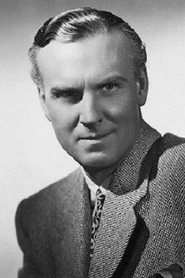 Gavin GordonBob
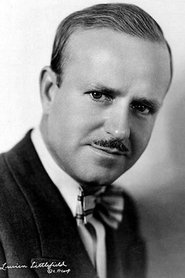 Lucien LittlefieldMr. Jackson
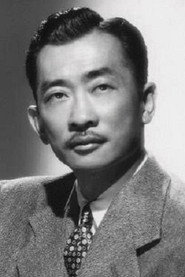 Richard LooCaptain Li
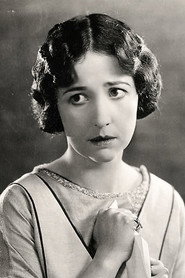 Helen Jerome EddyMiss Reed
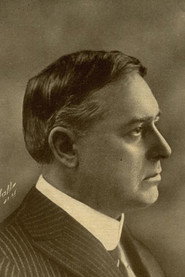 Emmett CorriganBishop Harkness
Directing
- Frank CapraDirector
Writing
- Edward E. Paramore Jr.Screenplay
- Grace Zaring StoneStory
Production
- Frank CapraProducer
Recommended by
China Girl, The General Died at Dawn, Café Society, This Angry Age