
Film
Red Dust
A steamy 1932 pre-Code melodrama set on a rubber plantation in French Indochina, where a roughneck plantation boss finds himself caught between a sultry drifter and a respectable married woman. Gable and Harlow sizzle with a chemistry that feels dangerous; it's all smoldering glances and loaded silences. For anyone curious about what Hollywood could say before the censors tightened their grip.
Should you watch it?
Watch it if you love pre-Code Hollywood's frank, sweaty sensuality, where a love triangle plays out as a tug-of-war of wit, jealousy and a tropical heat that nobody bothers to hide.
Skip it if you want a tidy, modern pace; at 83 minutes it moves briskly, but its romance is talky and its humor and attitudes show their age in ways that may grate.
What it asks of you: Stay alert for the bickering and the sly double meanings, since the film is short, sharp and built on glances and clipped dialogue rather than long set pieces.
Not sure? Find tonight's pick in a minute.
If you liked this
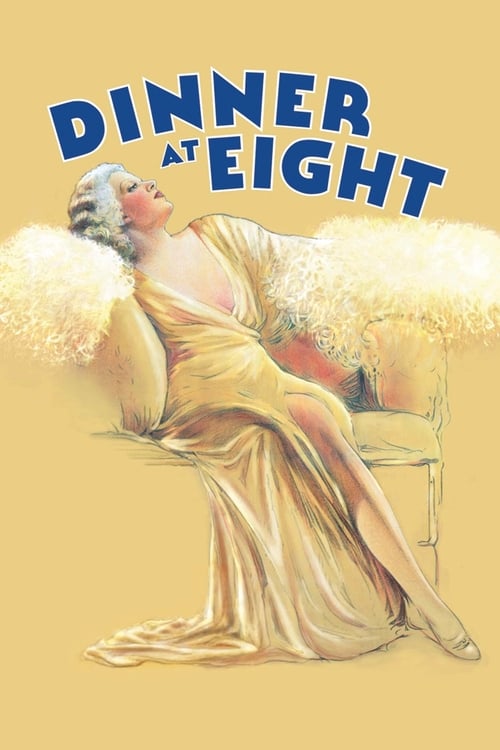
Dinner at Eight1933
An all-star ensemble piece about wealth, infidelity, and social pretense. Jean Harlow steals every scene she's in, and the pre-Code freedom means the sexuality hums underneath every conversation without apology.
But With so many characters, no single thread dominates. Some storylines feel thin compared to others.
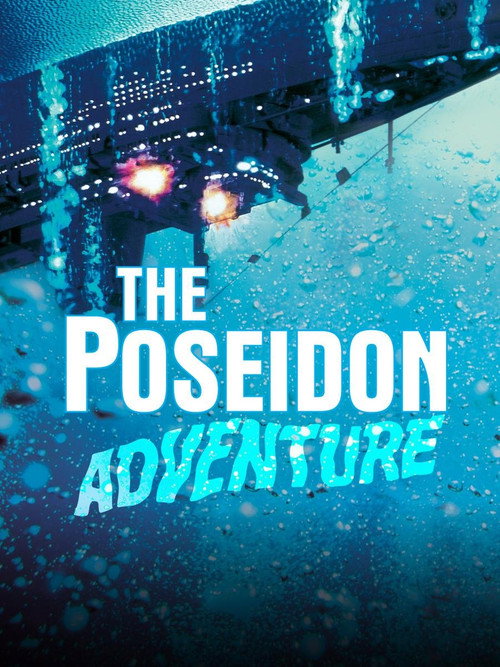
The Poseidon Adventure1972
A glossy disaster film that understands melodrama as its own engine. People in extremis make passionate, selfish choices. The trapped passengers mirror the hothouse intensity of Red Dust's isolated setting.
But It's unabashedly campy and 70s in tone. If you want restraint, look elsewhere.
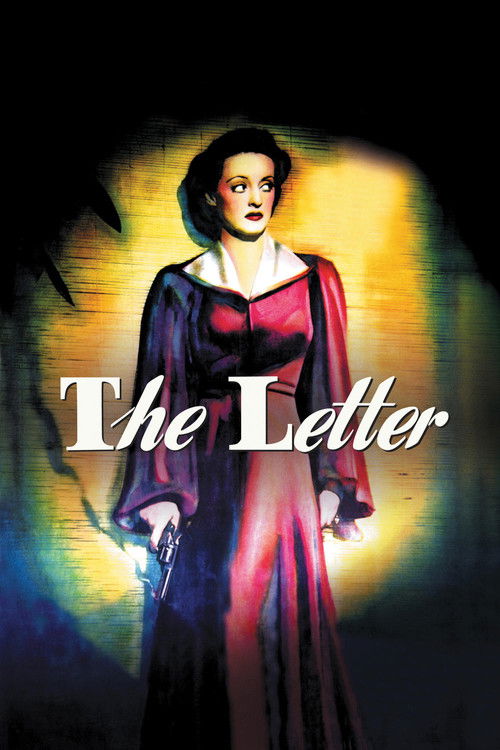
The Letter1940
Bette Davis in Malaya, accused of murder, fighting desire and social propriety. Like Red Dust, it's a colonial outpost story where passion becomes a weapon and morality gets hazy.
But Davis dominates so completely that other characters fade. It's her film entirely.
Not sure tonight? Get a pick in a minute, starting from Red Dust
The wildcard
Something you would not have found on your own.
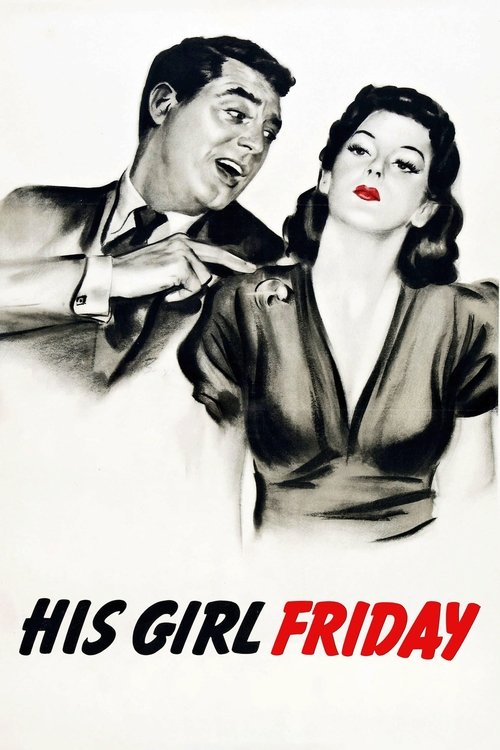
His Girl Friday1940
Both are about smart people using sex and wit as a form of control; both understand that desire can be funny and dark at once.
Cary Grant and Rosalind Russell in a screwball masterpiece about people who want each other but fight it tooth and nail. The rhythm and energy are totally different from Red Dust's sultry pace, but the motor is identical: attraction as power struggle.
But It's a newspaper comedy, not a romance, and the speed of the dialogue can exhaust. If you want to sit with tension, this dissolves it in jokes.
More like this (7)
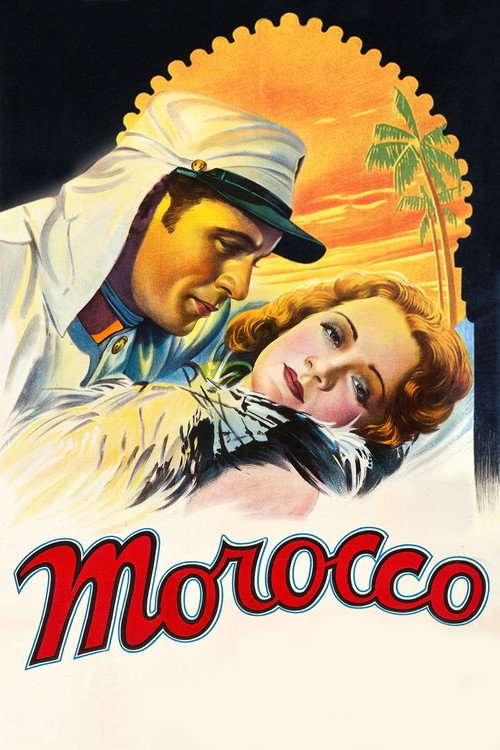
Morocco1930
Marlene Dietrich and Gary Cooper in another colonial romance, all European glamour crashing against the desert. Josef von Sternberg's direction is visually sumptuous in a way Red Dust's rawer style isn't.
But It's slower and more stylized. Some will find it precious rather than passionate.
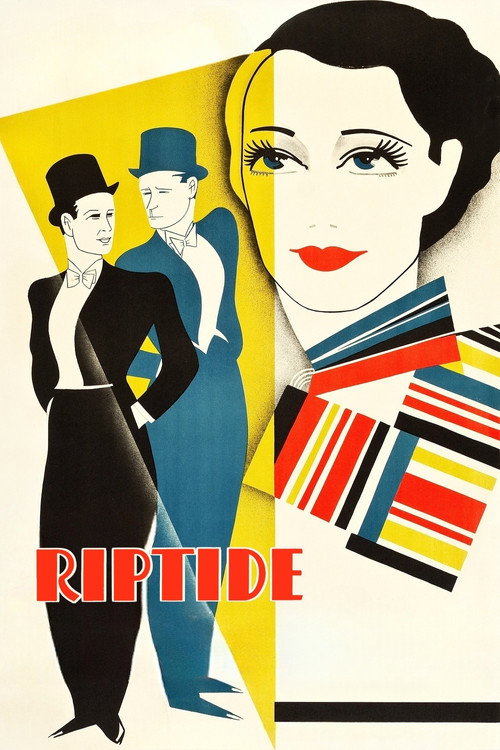
Riptide1934
Another Gable romp about a man caught between women—this time on a yacht. It has the same energy as Red Dust: flirtation, jealousy, and sex as the real plot.
But The script is thinner and the stakes feel lower. It coasts on Gable's charisma without earning it.
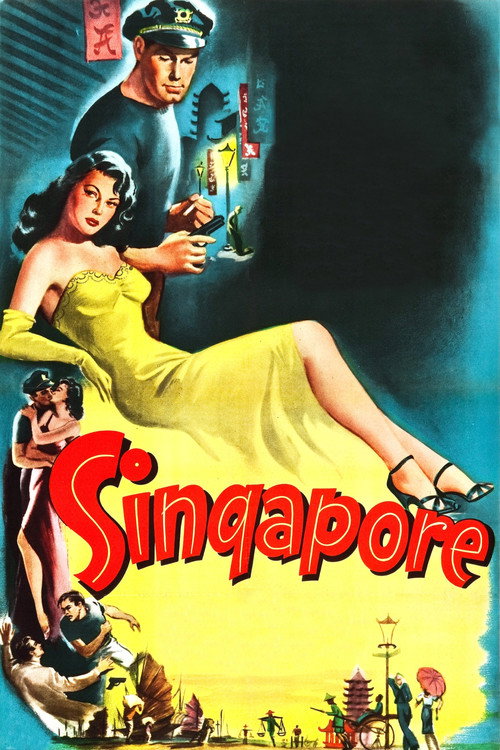
Singapore1947
Fred MacMurray and Ava Gardner in a postwar echo of the colonial noir-romance. Same isolated tropical setting, same question: what do you do when passion and duty collide?
But It's more cynical and less fun than Red Dust. The charm goes missing.
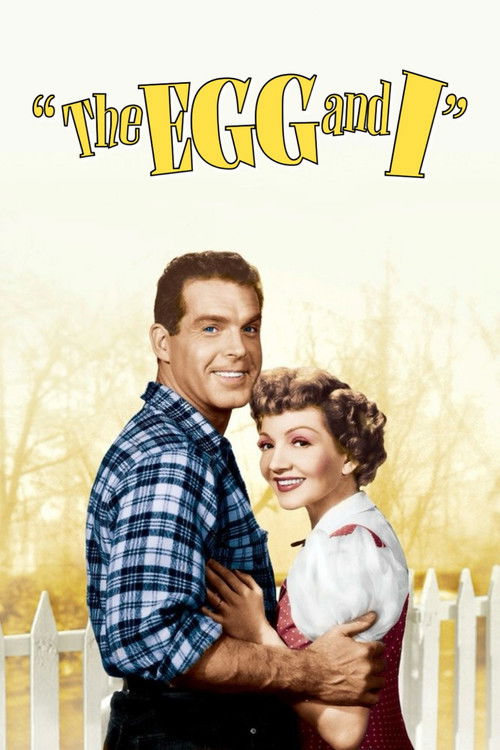
The Egg and I1947
Claudette Colbert and Fred MacMurray in the Pacific Northwest, trapped together in a rough-hewn domestic arrangement. The friction between refined and crude mirrors Red Dust's central tension.
But It's a comedy, which means the stakes feel lighter. Some humor lands as dated.
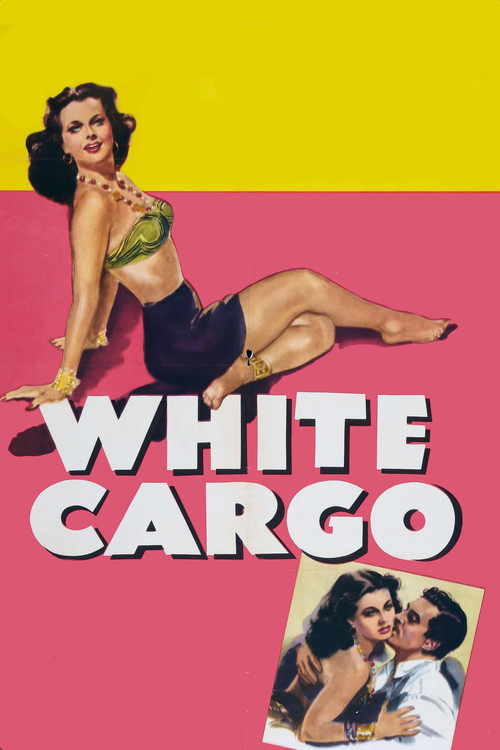
White Cargo1942
Another jungle-plantation story with the same premise: a beautiful woman arrives and disrupts masculine order. It's unashamed about desire and exploitation in ways that feel almost anthropological now.
But It's more overwrought and less naturalistic. The acting can feel stilted compared to Gable and Harlow.
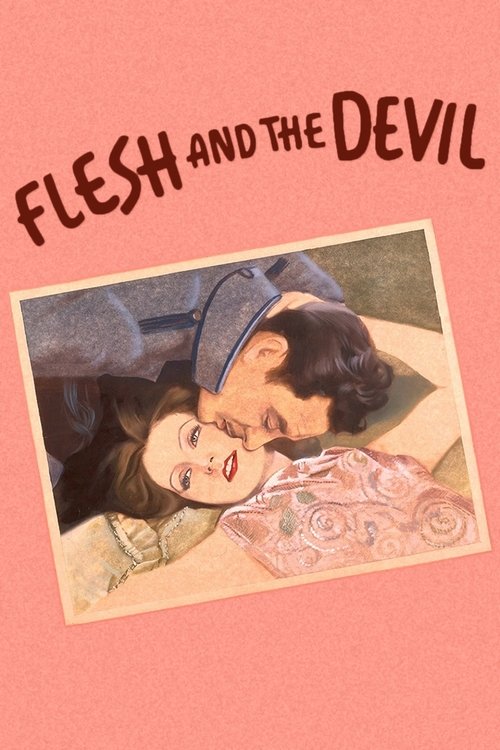
Flesh and the Devil1926
Same triangle, same register of passion, same understanding that sex is a force that unmakes men. Garbo does what Harlow would do with sound.
Greta Garbo and John Gilbert, pre-Code eroticism at its apex. Silent film lets you read every micro-expression of desire. It's the spiritual ancestor to Red Dust, shot four years earlier and even more explicit about what bodies want.
But It's silent, which requires patience. And the plot—a woman ruins two men's friendship—feels melodramatic even by 1926 standards.
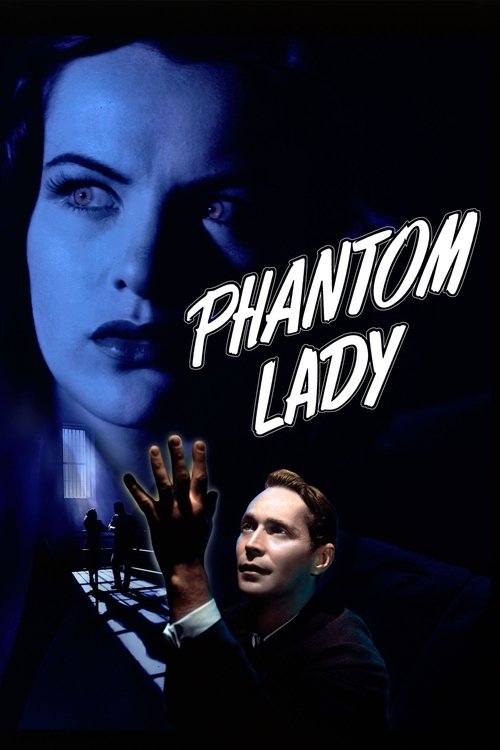
Phantom Lady1944
Both films understand that a woman's sexuality can be a weapon, and both refuse to punish her simply for wielding it—a radical stance in their respective eras.
Robert Siodmak's noir about a woman (Ella Raines) who uses seduction as investigation, turning herself into bait. It's Red Dust's moral ambiguity translated into crime: desire becomes a tool, and everyone gets burned.
But It's darker and more paranoid, less playful. The eroticism is psychological rather than physical, which some find colder.
People
Cast
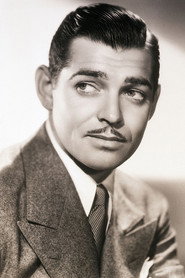 Clark GableDennis Carson
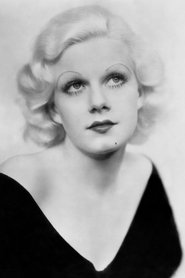 Jean HarlowVantine Jefferson
 Mary AstorBarbara "Babs" Willis
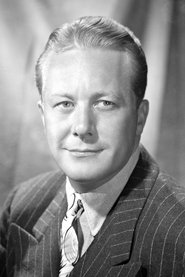 Gene RaymondGary Willis
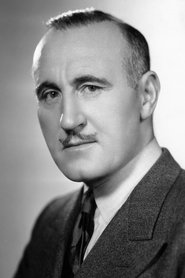 Donald CrispGuidon
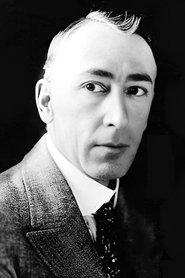 Tully Marshall'Mac' McQuarg
- Forrester HarveyCaptain Limey
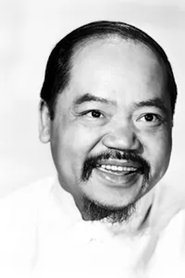 Willie FungHoy
Directing
- Hugh BoswellAssistant Director
- Victor FlemingDirector
Writing
- Howard HawksScreenplay
- John Lee MahinScreenplay
- Wilson CollisonTheatre Play
Production
- Ben PiazzaCasting
- Hunt StrombergProducer
- Irving ThalbergProducer
- Victor FlemingProducer
Recommended by
Australia, Bombshell, Storm Over Bengal, Shanghai Express, The Woman Between, Reckless, Fort Algiers, The Bitter Tea of General Yen, The Stoker, I'm No Angel, Merrily We Go to Hell, A Free Soul, Safe in Hell, Illicit, Klondike Annie, I Take This Woman, Hell Divers