
Film
Illicit
A 1931 Barbara Stanwyck vehicle about a woman living unmarried with her lover, convinced marriage will ruin them—then society and circumstance force their hands. Snappy pre-Code dialogue, genuine chemistry, and a heroine who argues her way through a moral maze that wouldn't be acceptable to mainstream cinema for decades. For anyone curious about what Depression-era women's pictures actually allowed.
If you liked this
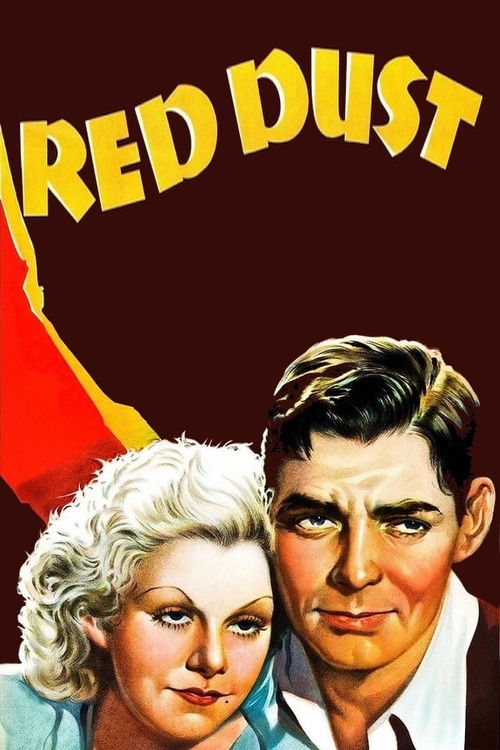
Red Dust1932
Jean Harlow and Clark Gable in a steamy plantation triangle that makes Illicit look tame. Same era, same willingness to let desire drive the plot, same electric chemistry. If you liked Stanwyck's refusal to apologize, this goes further.
But The pacing is glacial by modern standards, and Gable's character is written with the entitlement of someone who's never heard the word no. Watching it requires patience.
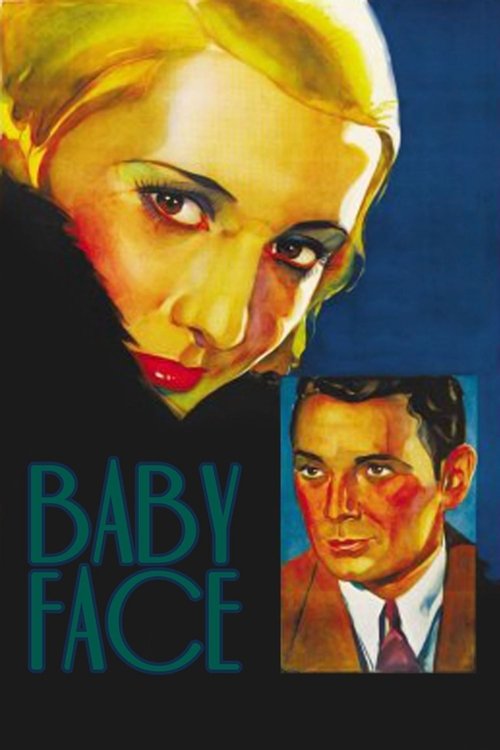
Baby Face1933
Stanwyck again, this time playing a woman who uses sex as a ladder and never looks back. It's bracingly cynical, beautifully shot, and moves like a bullet. The Pre-Code brass hasn't yet tightened the screws. A masterpiece.
But The moral framework is genuinely ugly, and the ending capitulates to the censors in ways that undercut everything that came before. Some viewers find it infuriating.
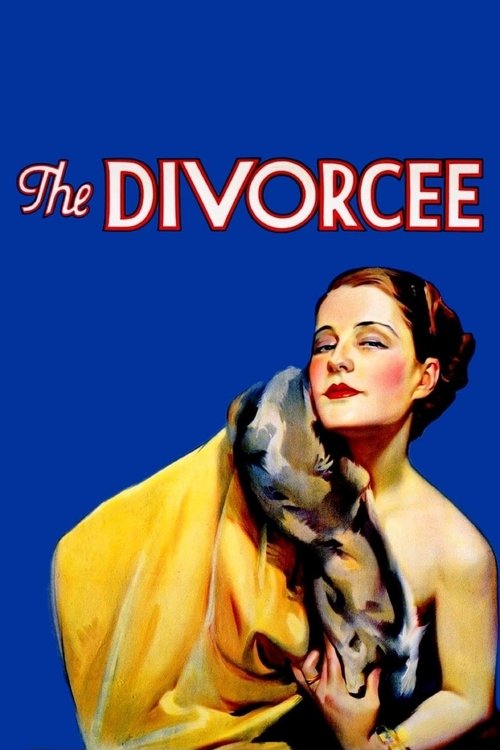
The Divorcee1930
Norma Shearer as a woman who refuses to be shamed after her husband's infidelity. It won the Academy Award and it earned it—sharp, modern, funny. Same conversation about marriage and convention, played with real anger.
But It's a little slower than Illicit, and Shearer's performance is more restrained. If you want speed and passion, this plays cooler.
Not sure tonight? Get a pick in a minute, starting from Illicit
The wildcard
Something you would not have found on your own.
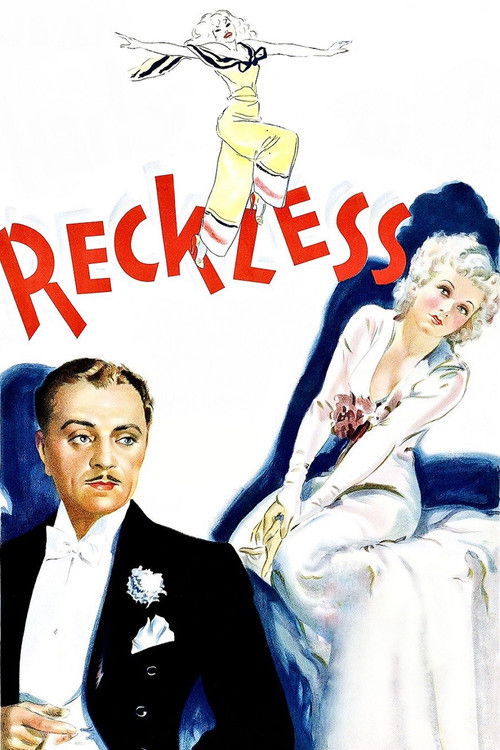
Reckless1935
Both films argue that unconventional relationships are worth living, then both are forced by production pressure to punish their heroines for that argument.
Jean Harlow plays an actress whose affair with a married man destroys his life and derails her own. It's the other side of Illicit's coin—what happens when you actually live without apology, and society punishes you anyway. The studio inserted a suicide to appease censors, but Harlow's performance still burns.
But The ending is bleak and feels imposed. The last twenty minutes collapse under moral pressure, which is historically fascinating but narratively deflating.
More like this (8)
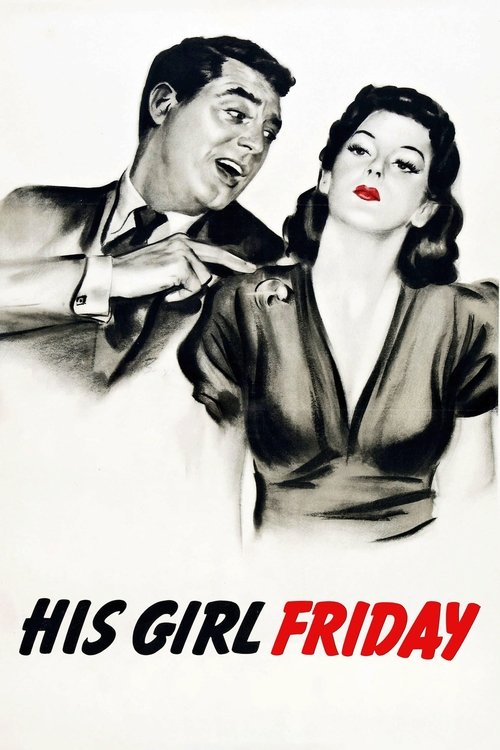
His Girl Friday1940
Rosalind Russell and Cary Grant in a newspaper comedy where the woman is the story—sharper, faster, more acerbic than almost anything before or since. The dialogue crackles. It proves the 1930s knew how to write women.
But It's a talkie in the truest sense. If overlapping rapid-fire dialogue exhausts you, this will feel like being shouted at for ninety minutes.
Breakfast at Tiffany's1961
Audrey Hepburn as a woman living by her own rules, skating the edge of respectability. It's lighter in tone than Illicit, but it's asking the same question: how much of yourself do you surrender to be loved?
But It's pretty and often saccharine. The ideological descendant of Illicit, but with most of the teeth pulled out.

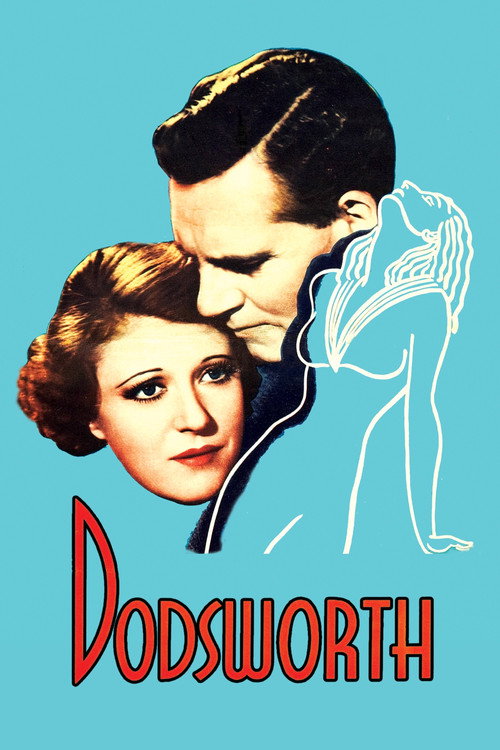
Dodsworth1936
Walter Huston and Ruth Chatterton in a marriage that frays across Europe. Mature, intelligent, genuinely moving. A Pre-Code film about grown-up people negotiating commitment without hysteria or blame.
But It's a slow burn. If you want passion and argument, this works through conversation. Nothing explodes; everything erodes.
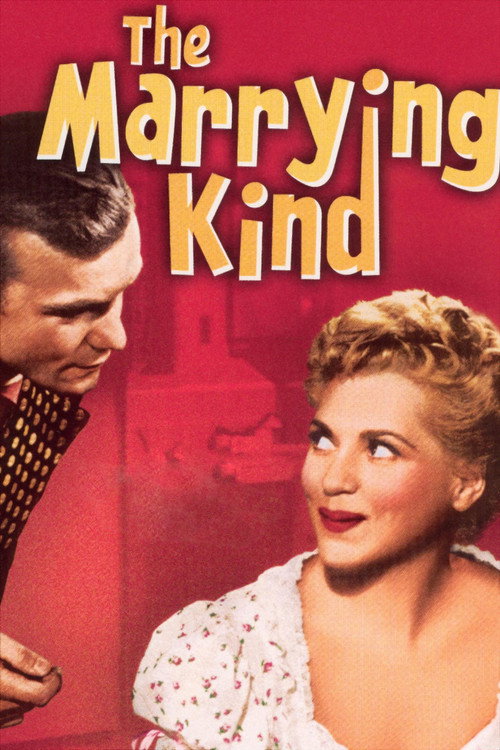
The Marrying Kind1952
Judy Holliday and Aldo Ray as a marriage in crisis, told in flashback as they decide whether to divorce. Tender, funny, and unexpectedly wise about the gap between who we are and who we promised to be.
But It's sentimental in a way that might feel treacly after seeing Stanwyck's sharper edge. Also, it ends exactly where you think it will.
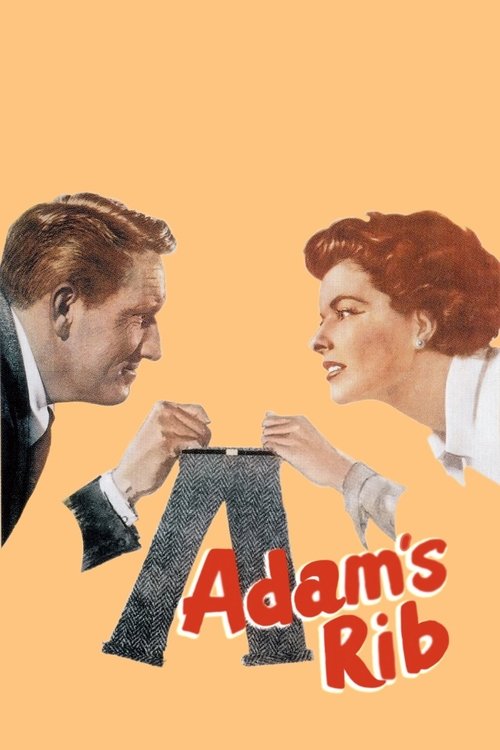
Adam's Rib1949
Spencer Tracy and Katharine Hepburn as married lawyers on opposite sides of a case. Clever, sexy in an adult way, and interested in power and equality in marriage. Cole Porter score. George Cukor direction. It's close to perfect.
But The battle-of-the-sexes framing is dated, and Hepburn's character is written to lose ground by the end. Some of the setup hasn't aged.
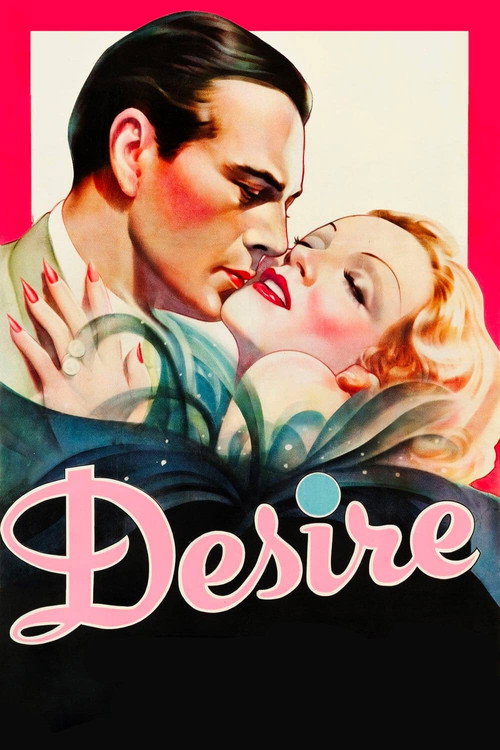
Desire1936
Marlene Dietrich and Gary Cooper in a romantic thriller. Sleek, sophisticated, driven by attraction rather than plot. Pre-Code filmmaking at its most elegant—morality is negotiable, desire is real.
But It's more style than substance, and Dietrich's character is less a person than a fantasy. If character depth matters to you, this will frustrate.
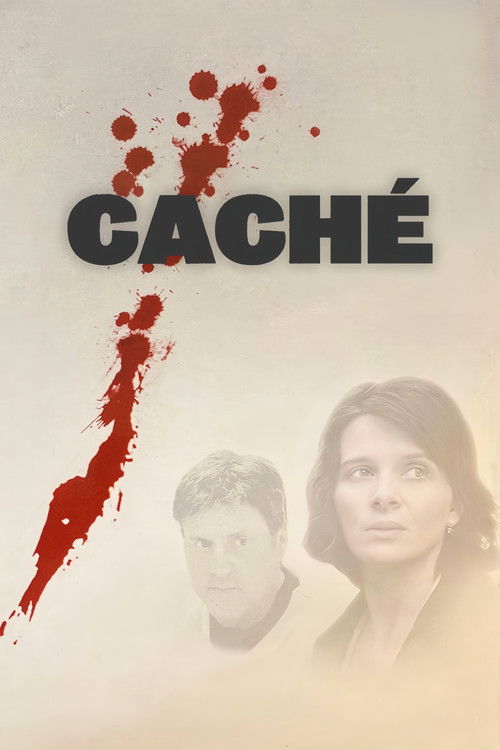
Caché2005
Both films are genuinely interested in the marriage itself—not as setup for melodrama, but as a contract two people renegotiate when it stops working. Both refuse easy answers.
Michael Haneke's masterpiece about a marriage corroded by secrets and class guilt. Methodical, icy, utterly contemporary in technique—but the question it asks is timeless: do we ever really know the person we chose? Absolutely hypnotic.
But It's glacial, unsettling, and offers no catharsis whatsoever. Modern audiences often find it frustrating rather than moving.
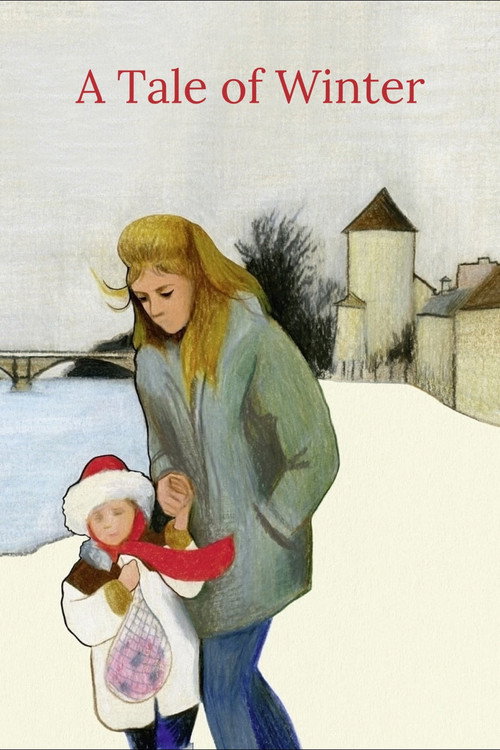
A Tale of Winter1992
Same core question as Illicit—can love survive the weight of the life you actually have to live?—but answered not with argument but with silence and snow.
Akira Kurosawa's final film, a man and woman meeting again decades after a love affair that defined both their lives. Gorgeously melancholic, shot in actual winter snow, asking whether the person we remember is ever the person we knew. Japanese cinema's answer to Illicit: maturity, regret, the weight of choices.
But It's slow, almost dreamlike, and deeply sad. No resolution, no redemption—just memory and loss and the passage of time.
People
Cast
 Barbara StanwyckAnne Vincent
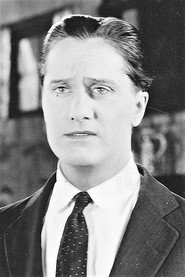 James RennieRichard 'Dick' Ives II
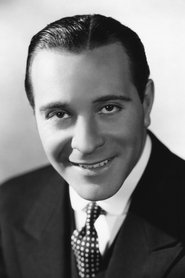 Ricardo CortezPrice Baines
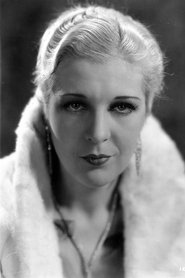 Natalie MoorheadMarjorie 'Margie' True
 Charles ButterworthGeorge 'Georgie' Evans
 Joan BlondellHelen 'Duckie' Childers
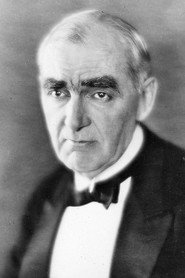 Claude GillingwaterRichard Ives Sr.
- Hazel HowellGirl at the Bridal Shower #2 (uncredited)
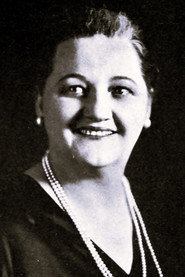 Lucille WardSusan - Anne's Maid (uncredited)
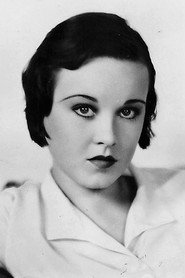 Barbara WeeksGirl at the Bridal Shower #1 (uncredited)
Directing
- Archie MayoDirector
- Jack BolandFirst Assistant Director
Writing
- Harvey F. ThewScreenplay
- Edith FitzgeraldTheatre Play
- Robert RiskinTheatre Play
Production
- Darryl F. ZanuckProducer