
Film
The Marrying Kind
A 1952 comedy-drama about a marriage in freefall. Judy Holliday and Aldo Ray play a couple at their divorce hearing, swapping memories in a judge's chambers. It's tender and funny by turns, mining real hurt from ordinary domestic life—not a farce, not a tearjerker, but something between that still feels alive. For anyone who's loved someone and lost them anyway.
Should you watch it?
Watch it if you enjoy wry, grown-up marriage comedies where the laughs sit beside real regret, and you want Judy Holliday's sharp, wounded timing carrying the whole thing.
Skip it if you need brisk plotting or a clear sense of where things are heading, since this one lingers on conversations and small domestic wounds and can feel talky at slower stretches.
What it asks of you: Roughly ninety minutes of close talk in a small set of rooms, with the mood swinging between sharp laughter and a quieter ache, so settle in for dialogue over spectacle.
Not sure? Find tonight's pick in a minute.
If you liked this
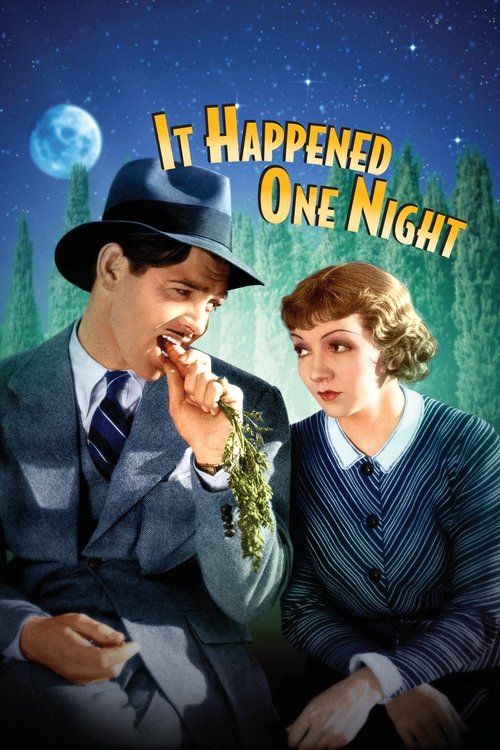
It Happened One Night1934
The template for scrappy, witty romance between equals. Clark Gable and Claudette Colbert spark off each other with banter that feels genuinely earned. If you love watching people who make each other laugh, this is where it started.
But The pacing belongs to 1934—it takes its time, and some of the comedy bits have aged into oddness. You need patience for the setup.
In a Lonely Place1950
Humphrey Bogart as a man who might not be worth saving, Gloria Grahame as the woman who tries anyway. It's a noir that knows romance isn't always redemptive, and the marriage here is built on quicksand and whiskey. Devastating.
But Bleak. The title tells you where this ends up, and it doesn't flinch from getting there. Not a film that promises you anything.

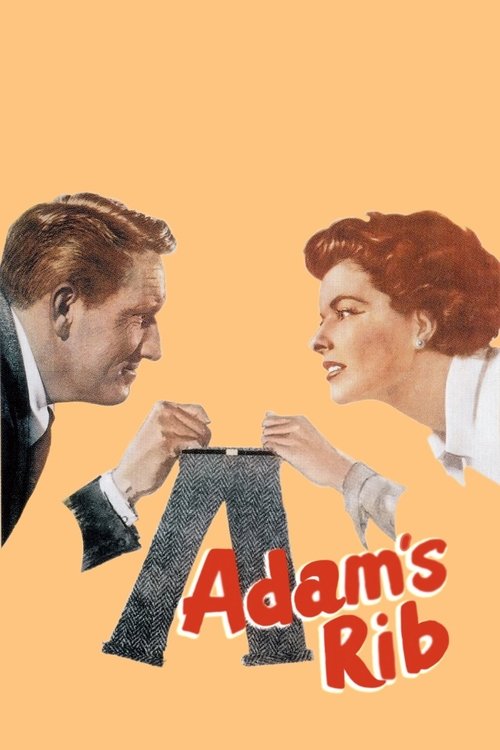
Adam's Rib1949
Spencer Tracy and Katharine Hepburn as married lawyers on opposite sides of a case. Fast, clever, and genuinely about what happens when two strong people choose each other. They're evenly matched in every way, and you feel it.
But The gender politics are progressive for 1949 but can feel dated now. The climax relies on a joke that might not land the same way.
Not sure tonight? Get a pick in a minute, starting from The Marrying Kind
The wildcard
Something you would not have found on your own.
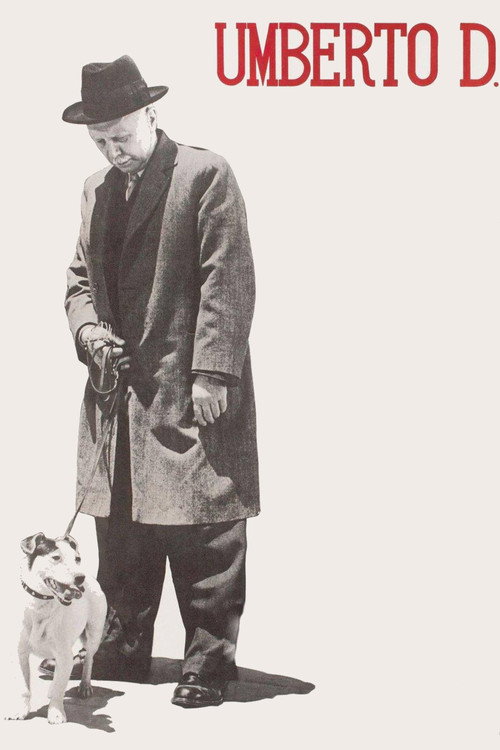
Umberto D.1952
Both examine the texture of marriage and partnership in real time—not the setup or the ending, but the daily decision to stay. Both trust you to understand love without being told.
Vittorio De Sica's film about an elderly man and his relationship with his landlady and dog—released the same year as The Marrying Kind, but working in neorealism instead of screwball. It's about connection, dependency, and whether we can sustain love across an impossible distance. Watching it back-to-back with The Marrying Kind reveals how differently two 1952 films can ask the same question: what do we owe each other?
But It's austere and slow. There's no score to tell you how to feel, no jokes to break the silence. You have to sit with discomfort.
More like this (8)
The Philadelphia Story1940
Cary Grant, James Stewart, and Grace Kelly in a comedy about divorce and remarriage that never stops being beautiful to watch. It's sophisticated without being snobbish, and it understands that love is never just one thing.
But It's very much a film about wealthy people's problems. If you need characters whose struggles feel urgent, this won't provide that.

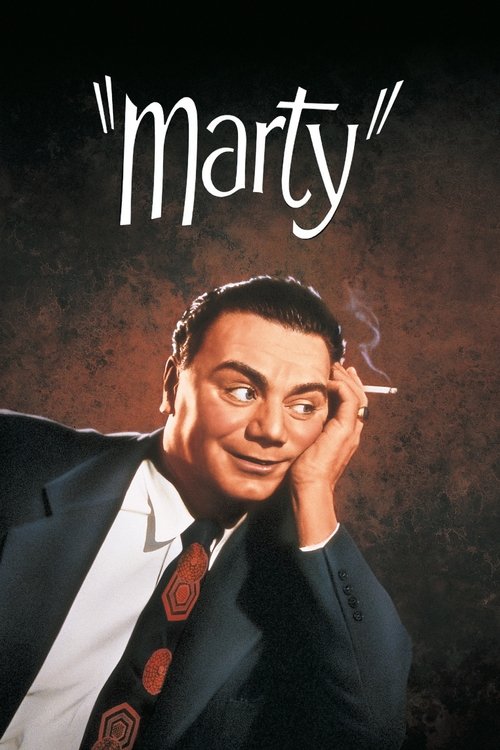
Marty1955
A modest, genuine film about two ordinary people finding each other. Ernest Borgnine and Betsy Blair in a story about being overlooked, about loneliness, about the small miracle of someone saying yes. It's tender without being saccharine.
But Nothing flashy happens. The stakes are internal. If you're looking for plot, you'll be disappointed.
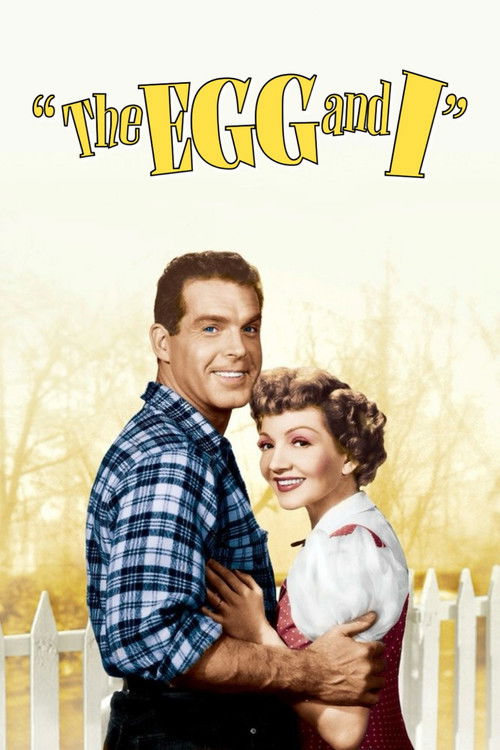
The Egg and I1947
Claudette Colbert and Fred MacMurray as a couple adjusting to marriage and rural life. It's warm and funny about the gap between who we think our partner is and who they actually are.
But The tone is lighter than The Marrying Kind—less interested in real pain. Some of the jokes about gender roles feel more dated.
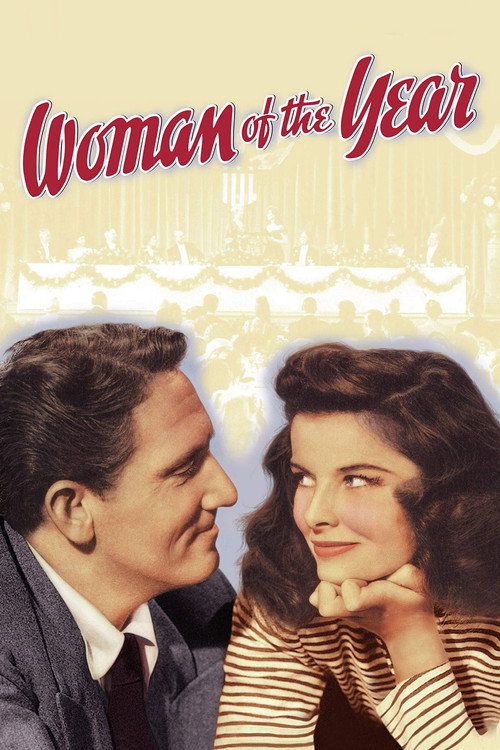
Woman of the Year1942
Spencer Tracy and Katharine Hepburn's first pairing, about a political reporter and a sportswriter who marry, clash, and have to figure out who they are together. Sharp writing, genuine affection between them.
But The ending capitulates in ways that feel like a betrayal of the film's own intelligence. It takes back what it's been arguing for ninety minutes.
Breakfast at Tiffany's1961
Audrey Hepburn and George Peppard as two broken people who might fix each other. It's elegant and sad beneath the glamour, interested in loneliness and the reasons people stay apart even when they shouldn't.
But The racial caricature is appalling and indefensible. The film's charm can make you forget about it, which is almost worse.

The Poseidon Adventure1972
Gene Hackman and Shelley Winters in a disaster film where a marriage matters as much as the sinking ship. They bicker and clash and save each other in ways that feel honest about long commitment.
But It's a 1972 disaster spectacle first, character study second. You're signing up for a lot of explosion and melodrama to get to the marriage.
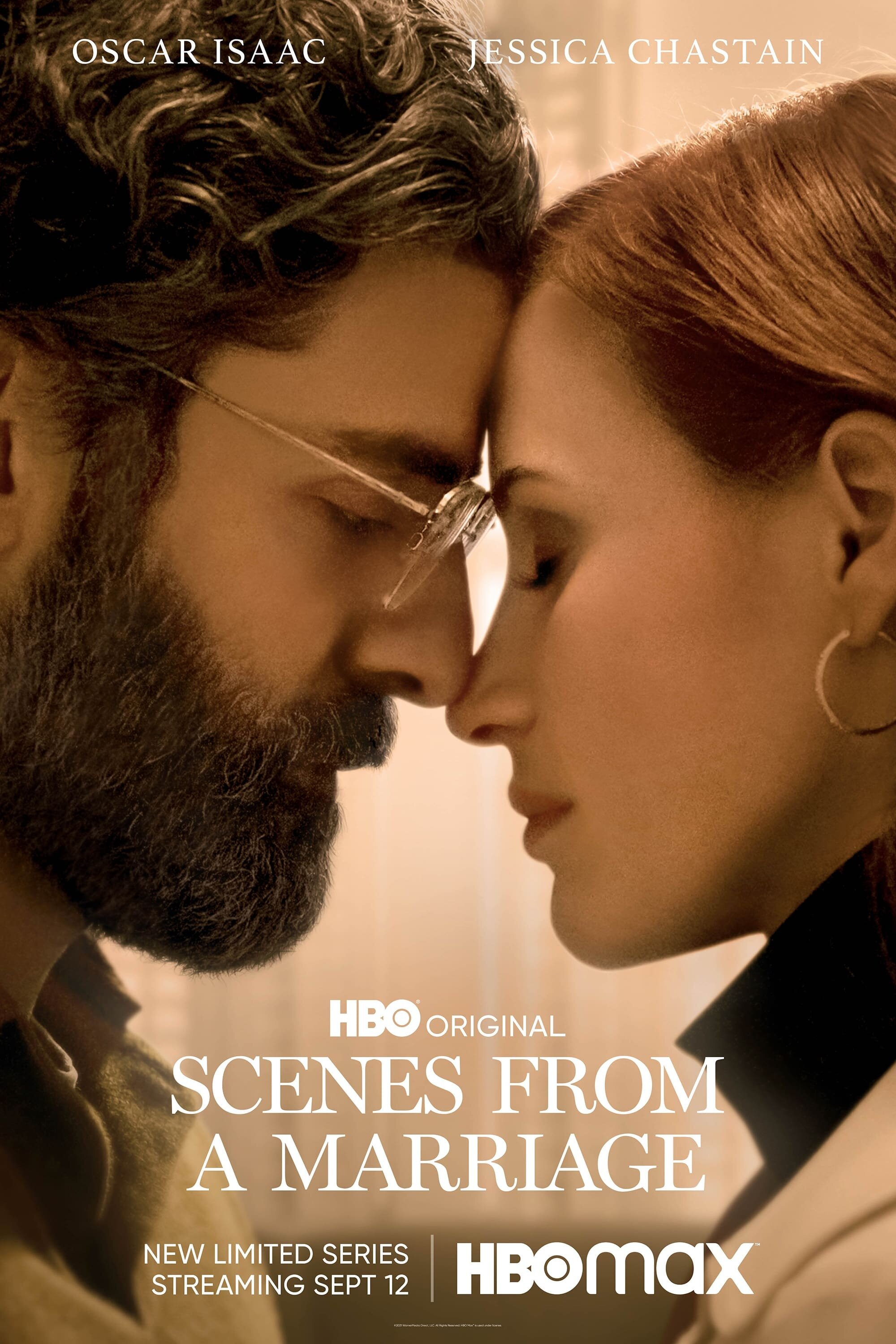
Scenes from a Marriage2021
Where The Marrying Kind compresses a marriage into ninety minutes of memory and divorce court, Scenes from a Marriage stretches it into hours of real time. Different eras, different forms, same obsession with the space between two people.
Bergman's six-hour miniseries about a marriage, from beginning to ending to whatever comes after. Liv Ullmann and Erland Josephson sit across from each other and excavate the thing in exacting detail. It's not interested in being entertaining—it's interested in being true.
But It's long, it's slow, and it's filmed like a play. There are scenes that consist almost entirely of people talking quietly. If you need entertainment, this will feel like homework.
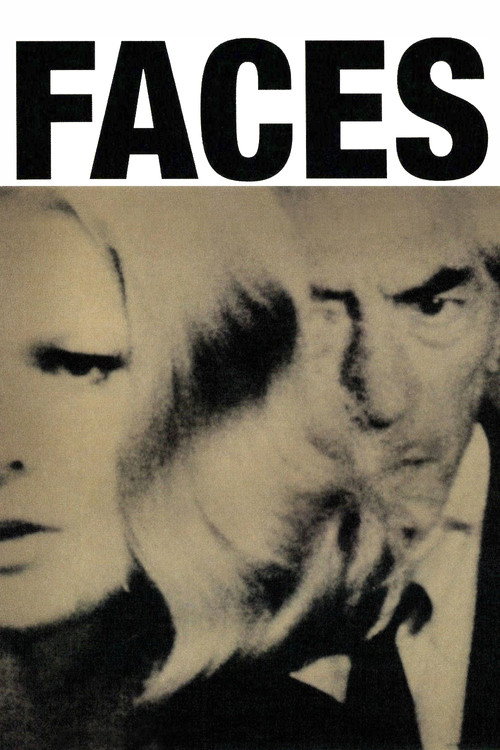
Faces1968
Both films are interested in the small cruelties of marriage, the way love and damage exist at the same moment. But where The Marrying Kind is structured and funny about it, Faces is formless and raw—the emotional truth without the shape that makes it bearable.
John Cassavetes' improvisational study of infidelity and marriage in Los Angeles. It's ugly and immediate and performed by non-actors who fumble toward truth. John Marley and Gena Rowlands as a couple coming apart in real time, in a film that feels like watching something you're not supposed to see.
But The improvisational approach can feel aimless. It's long, it's repetitive, it can feel like watching people suffer without narrative justification. The emotional rawness is exhausting.
People
Cast
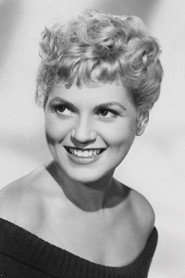 Judy Holliday'Florrie' Keefer
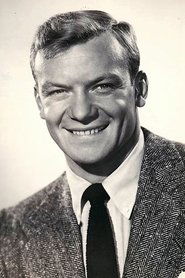 Aldo Ray'Chet' Keefer
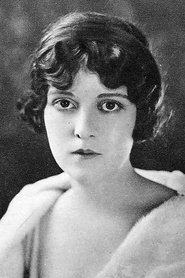 Madge KennedyJudge Anne B. Carroll
 Sheila BondJoan Shipley
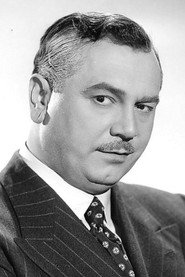 John AlexanderHoward Shipley
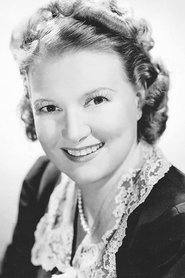 Phyllis PovahMrs. Derringer
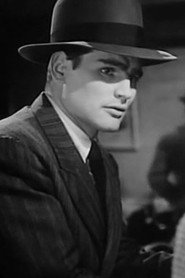 Rex WilliamsGeorge Bastian
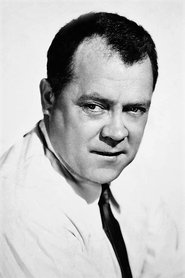 Mickey ShaughnessyPat Bundy
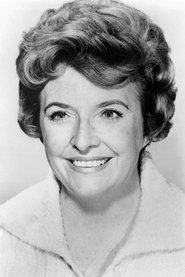 Peggy CassEmily Bundy
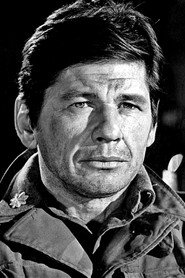 Charles BronsonEddie
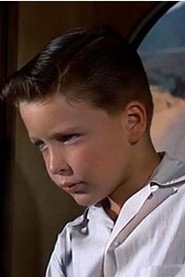 Christopher OlsenJoey Keefer
- Charles BrewerMusician (uncredited)
Directing
- George CukorDirector
Writing
- Garson KaninWriter
- Ruth GordonWriter
Production
- Bert GranetProducer
Recommended by
Bachelor Mother, Green Card, Complicated Women, Sunday in New York, The Actress, She's Funny That Way, The Best of Everything, Designing Woman, That Touch of Mink, Cousins, Payment on Demand, Made for Each Other, The Star, You Can't Go Home Again, Kiss Me, Stupid, Plaza Suite, Cluny Brown, Will Success Spoil Rock Hunter?, Marjorie Morningstar, The Doctor Takes a Wife, Let's Make It Legal, Female, My Dear Secretary, Illicit, On Moonlight Bay, Bachelor Apartment, Three for the Show