
Film
Kiss Me, Stupid
- Comedy
- Light-hearted
Billy Wilder's bawdy farce about a Vegas crooner stranded in a small desert town, where a scheming mechanic and his nervous songwriter partner deploy increasingly desperate—and morally questionable—gambits to get him to record their song. Frantic, filthy-minded, and genuinely hilarious, though it traffics in some attitudes that aged poorly. For anyone who loves mid-century Hollywood's wilder side.
If you liked this
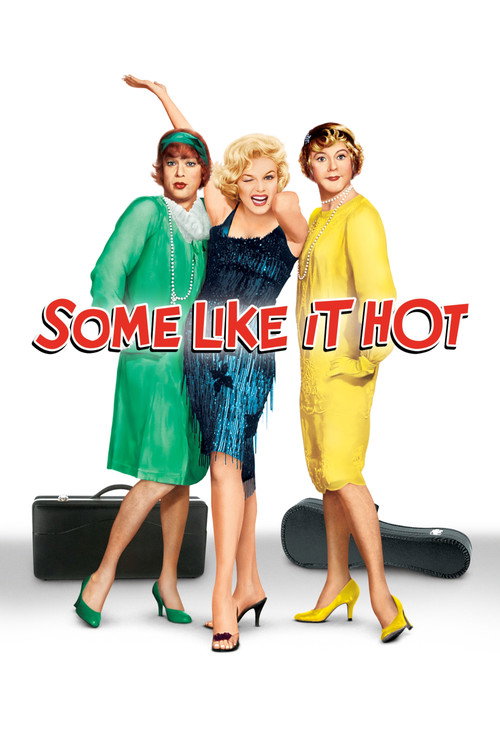
Some Like It Hot1959
The gold standard of Wilder's comedies: gender disguise, mistaken identity, and a pace that never lets you breathe. Tony Curtis and Jack Lemmon at peak comic timing, with Marilyn Monroe stealing every scene.
But It's in black and white, and the pacing can feel frenetic if you're used to slower comedies. Some modern viewers find the sexual politics creaky.
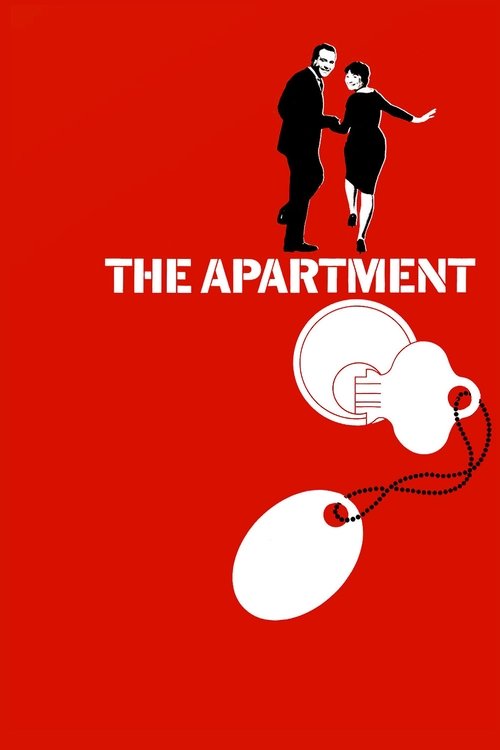
The Apartment1960
Wilder at his most balanced: genuinely funny but also tender, with Jack Lemmon and Shirley MacLaine doing career-best work. A comedy that trusts you to care about the characters beneath the laughs.
But It straddles comedy and drama in ways that can feel tonally uncertain. The sexual coercion subplot will make some viewers uncomfortable, deservedly.
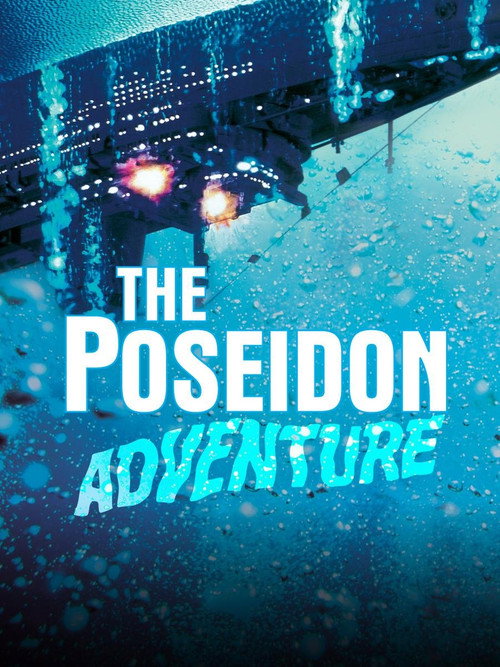
The Poseidon Adventure1972
A glorious disaster-comedy with an ensemble of old Hollywood stars (Gene Hackman, Shelley Winters) and genuinely suspenseful set pieces. Ridiculous fun that knows exactly what it is.
But It's campy in a way that either delights or exhausts. The pacing sags in the middle hour, and the religious subtext feels didactic.
Not sure tonight? Get a pick in a minute, starting from Kiss Me, Stupid
The wildcard
Something you would not have found on your own.
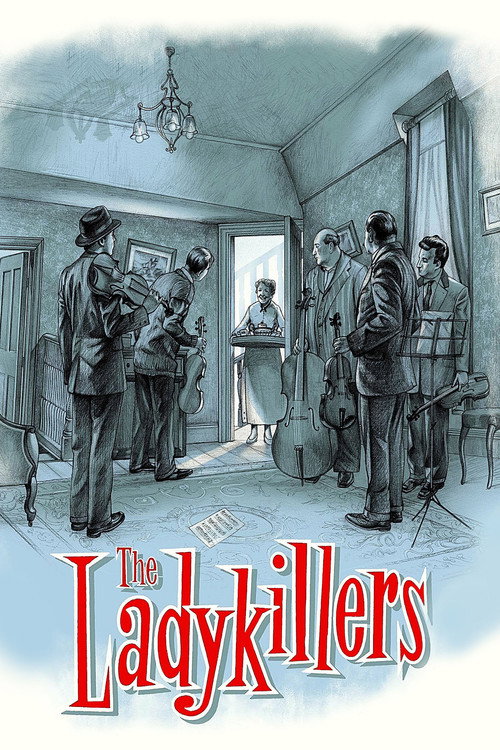
The Ladykillers1955
Both films are built on elaborate lies and deception schemes that collapse under the weight of human decency; both use small-town/confined settings to maximize comic collisions.
The Ealing version (not the Coen Brothers remake): a gang of criminals posing as musicians to rob a bank, undone by their sweet old landlady. British comedy with a darkness and wit that's completely different from Wilder, but the same love of absurd deception and crossed wires.
But It's much quieter and drier than Kiss Me, Stupid—if you're expecting rapid-fire American gags, you'll find it leisurely. The pacing is deliberate to the point of seeming slow.
More like this (8)
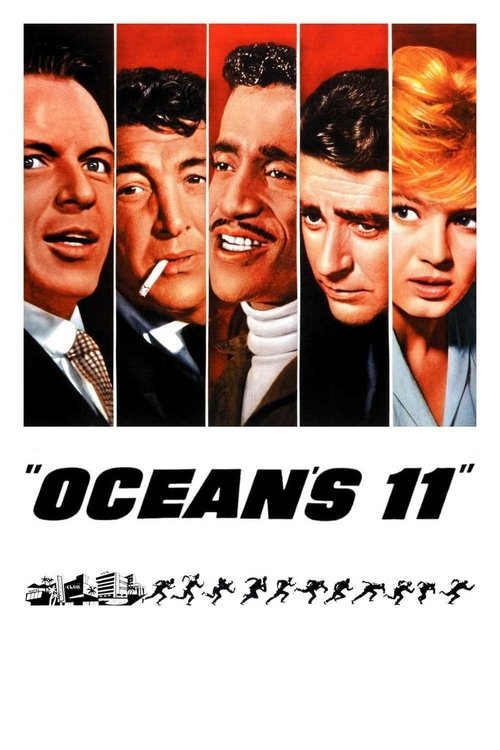
Ocean's Eleven1960
The Sinatra Rat Pack film that actually justified the hype: slick, funny, and packed with the genuine chemistry of working comics who knew each other. A heist film that plays like a party you wish you'd been invited to.
But The plot is almost incidental—if you're after narrative tension, you'll be disappointed. It's vain in a way that can read as smug.
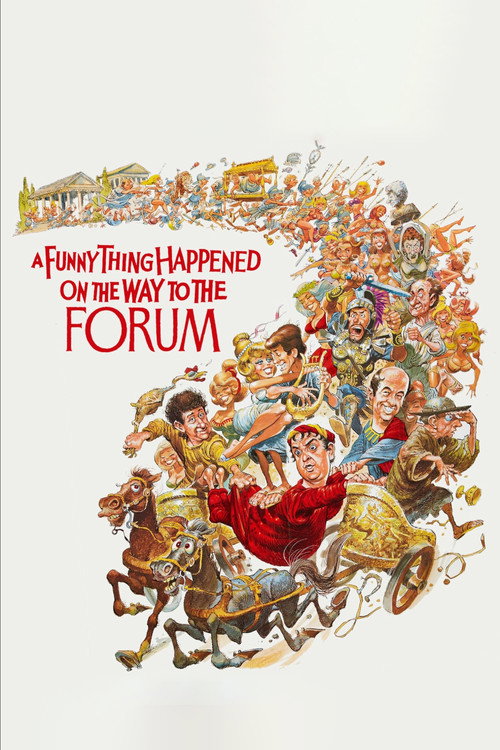
A Funny Thing Happened on the Way to the Forum1966
Adapted from Sondheim's musical with Zero Mostel reprising his stage role: absolutely shameless broad comedy with pratfalls, double entendres, and a confidence that it's all ridiculous. Pure theatrical joy translated to film.
But The humor is almost entirely physical and verbal gag-based—there's no plot to speak of. If slapstick leaves you cold, this will test your patience.
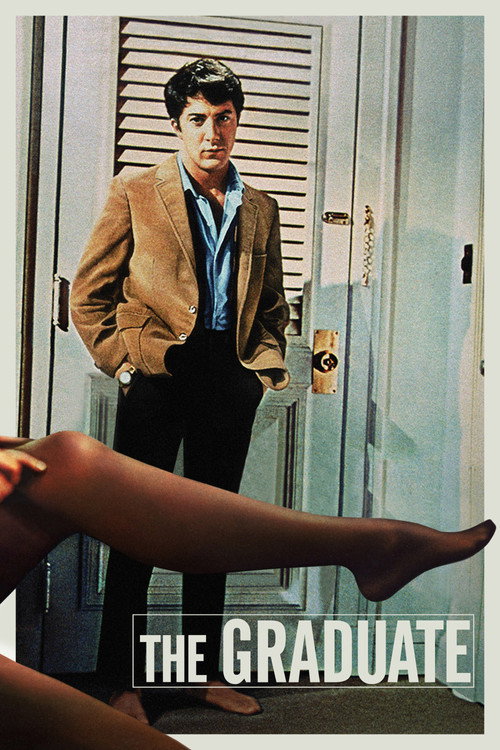
The Graduate1967
Dustin Hoffman's breakthrough and Mike Nichols' masterpiece of ennui and sex comedy. Visually dazzling, funny in a way that feels modern, and genuinely moving underneath the laughs about seduction and ambition.
But The sexual politics, particularly around Mrs. Robinson, haven't aged well, and some find the protagonist insufferable. The third act pivots tones in a way that jars.
Breakfast at Tiffany's1961
Audrey Hepburn as Holly Golightly, the definitive romantic comedy about refusing to grow up or settle down. Witty, elegant, and anchored by Hepburn's ability to be both hilarious and heartbreaking in the same scene.
But The 'yellowface' portrayal of a Japanese landlord is genuinely awful and distracting. Some find Holly herself too whimsical to care about.

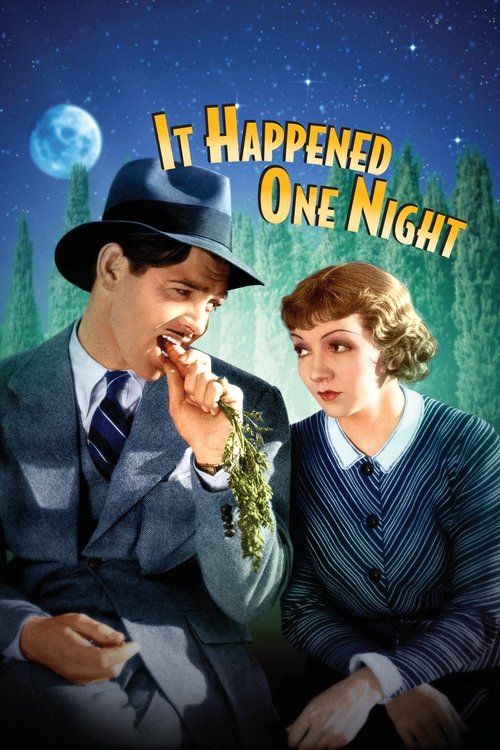
It Happened One Night1934
The template for every screwball comedy that followed: Claudette Colbert and Clark Gable sparring with real chemistry, witty dialogue, and a romance that earns its ending. Pure Hollywood craftsmanship.
But The pacing is leisurely by modern standards, and the class politics are dated. Some of the 'romantic' moments would read as harassment now.
Singin' in the Rain1952
Gene Kelly and Donald O'Connor in what might be the most joyful film ever made. The comedy comes from physical invention, the dance numbers are transcendent, and the whole thing moves like you're being swept up in genuine happiness.
But It's a musical first and a comedy second—if big production numbers feel indulgent to you, it will feel long. Jean Hagen's villain is broad to the point of exhaustion.

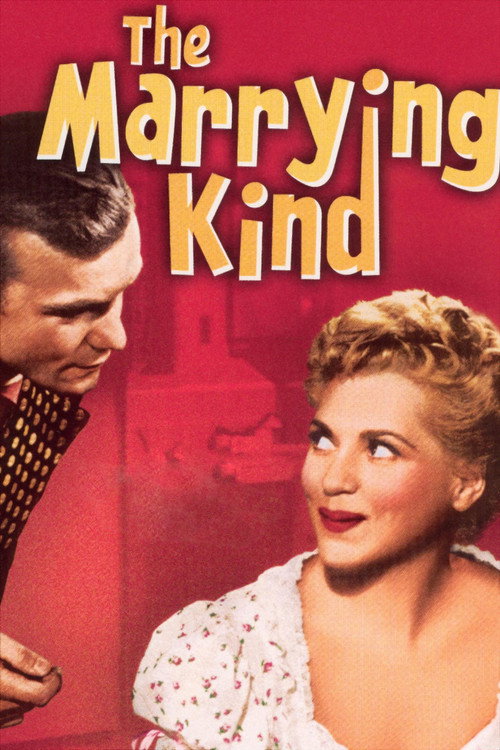
The Marrying Kind1952
Both films use sexual comedy and romantic entanglement as the engine for exploring what we're willing to do for love and ambition; both dare to suggest that desire is comic AND serious.
Aldo Ray and Debbie Reynolds in a comedy that suddenly becomes devastating—a couple's marriage on the rocks, told through flashbacks of better times. It's funny, genuinely touching, and structurally bold, mixing screwball energy with real emotion.
But The tonal shift to melancholy will blindside you if you expect a light comedy throughout. It's also deeply invested in 1950s gender roles, which can feel suffocating.
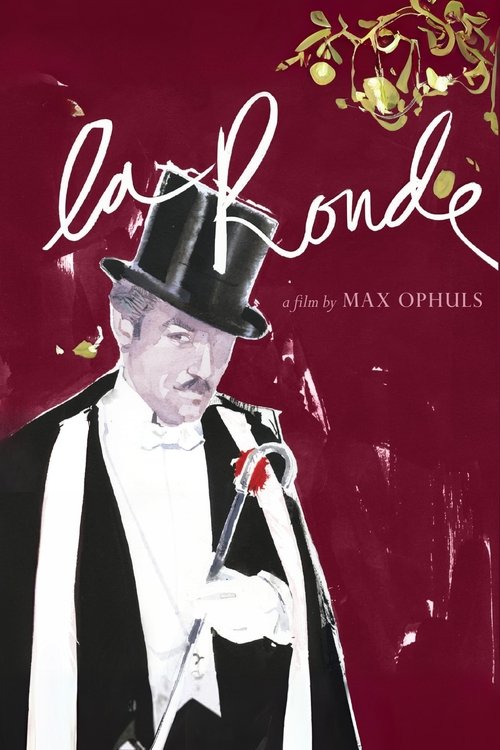
La Ronde1950
Both films are structured as a series of sexual/romantic schemes and negotiations; both use comedy to mask darker truths about desire, desperation, and social climbing; both suggest that everyone is performing a version of themselves.
Max Ophüls' Austrian masterpiece: a circle of lovers passing desire around a social hierarchy (maid to soldier to chambermaid to count, etc.). Witty, sexy, melancholic, and formally stunning—a moral carousel of seduction and self-deception.
But It's a foreign film from 1950, in black and white, and European in its sensibility—no one rushes, everything is insinuation. If you need plot, you'll be frustrated. The fatalism can feel depressing.
People
Cast
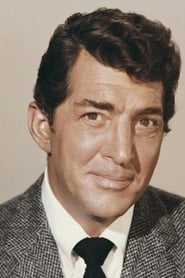 Dean MartinDino
 Kim NovakPolly the Pistol
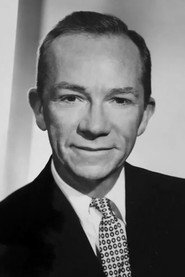 Ray WalstonOrville Jeremiah Spooner
 Felicia FarrZelda Spooner
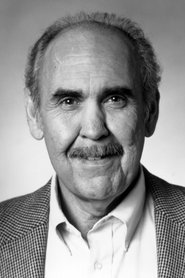 Cliff OsmondBarney Milsap
 Barbara PepperBig Bertha
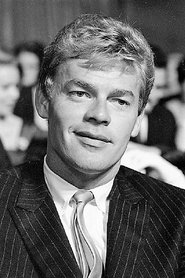 Skip WardMilkman
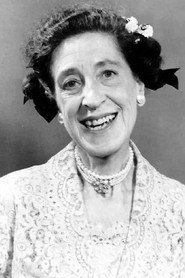 Doro MerandeMrs. Pettibone
 Tom NolanJohnnie Mulligan
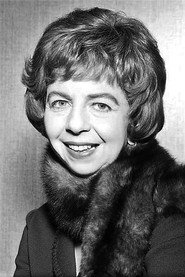 Alice PearceMrs. Mulligan
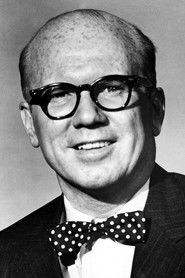 John FiedlerRev. Carruthers
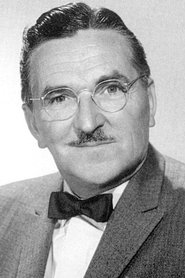 Howard McNearMr Pettibone
Directing
- Charles C. ColemanAssistant Director
- Billy WilderDirector
- Marshall J. WolinsScript Supervisor
Writing
- Billy WilderScreenplay
- I. A. L. DiamondScreenplay
- Anna BonacciTheatre Play
Production
- Doane HarrisonAssociate Producer
- I. A. L. DiamondAssociate Producer
- Lynn StalmasterCasting
- Billy WilderProducer
- Allen K. WoodProduction Manager
- Ray Gosnell Jr.Unit Production Manager
Recommended by
One, Two, Three, The Road to Hong Kong, Sergeants 3, Sextette, The Silencers