
Film
The Road to Hong Kong
- Comedy
- Spy action
- Light-hearted
The Road to Hong Kong is a late-entry in the sprawling Road series, pairing Crosby and Hope for their final adventure together. It's a giddy, ramshackle spy-comedy with musical numbers, slapstick, and the chemistry of two entertainers who could make nothing funny just by mugging at each other. Genuinely enjoyable if you like your plots thin and your banter thick.
If you liked this
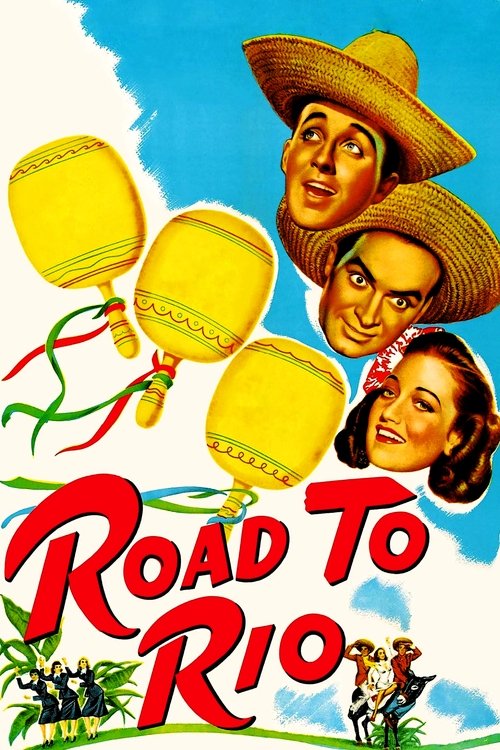
Road to Rio1947
The Road series at its absolute peak: Crosby and Hope at full speed, the songwriting sparkling, the romance fizzing. This is what The Road to Hong Kong is trying to recapture, and why it's worth seeing the original.
But Black-and-white; pacing assumes patience with musical numbers. The first half moves slowly by modern standards.
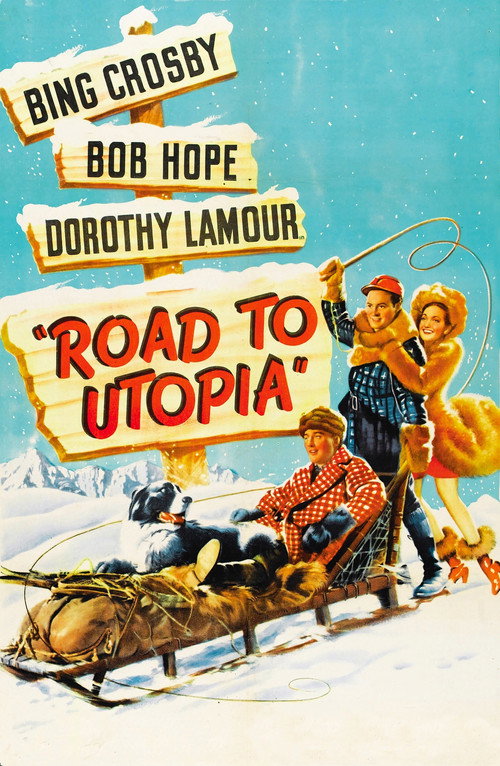
Road to Utopia1946
Peak absurdism from the series: a plot about Alaskan gold, constant breaking of the fourth wall, and the two leads playing it completely straight while chaos erupts around them. Anarchic in the best way.
But Talky and digressive; some jokes land harder on repeat viewing than on first watch. The pacing is leisurely.
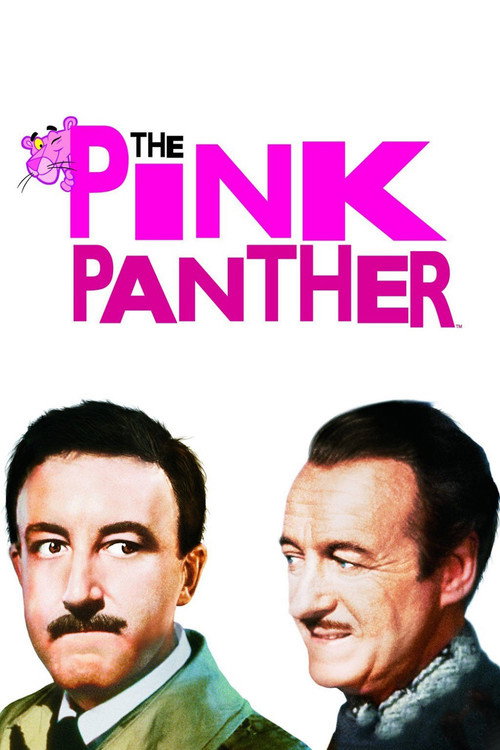
The Pink Panther1963
Contemporary spy-comedy with the same playful, cartoonish tone but sharper execution. Sellers elevates the material with physical comedy that rivals Hope's best work, and the script hangs together better.
But The formula stuff is less forgiving to modern tastes; it's very much a 1960s vision of comedy espionage.
Not sure tonight? Get a pick in a minute, starting from The Road to Hong Kong
The wildcard
Something you would not have found on your own.
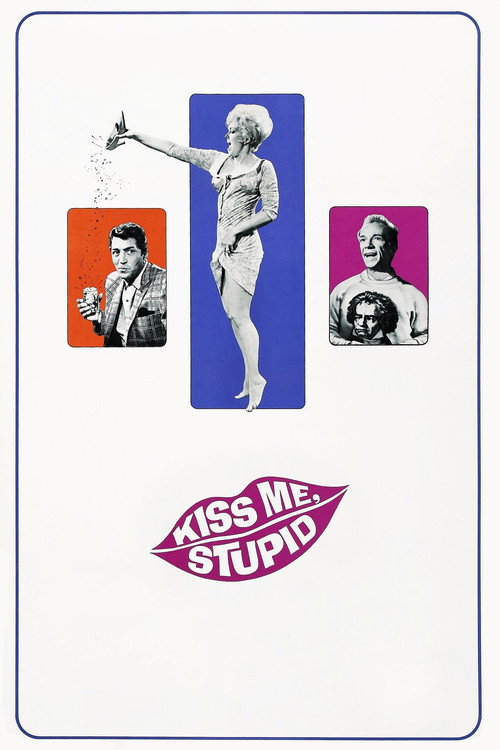
Kiss Me, Stupid1964
Both pair enormous stars on the run, using comedy to dodge real consequences, but Wilder's take is a dark mirror—the same formula with the humanity stripped out.
Wilder's grubby, sex-obsessed comedy in the Road spirit—both are entertainers coasting on charm and survival instinct. But where Hong Kong is blithe, this is cynical and mean. Both glorify con artists; only one admits what con artists actually are.
But Genuinely nasty underneath the laughs; sexual politics that feel more predatory than playful, even by 1964 standards. Not a feel-good film.
More like this (8)
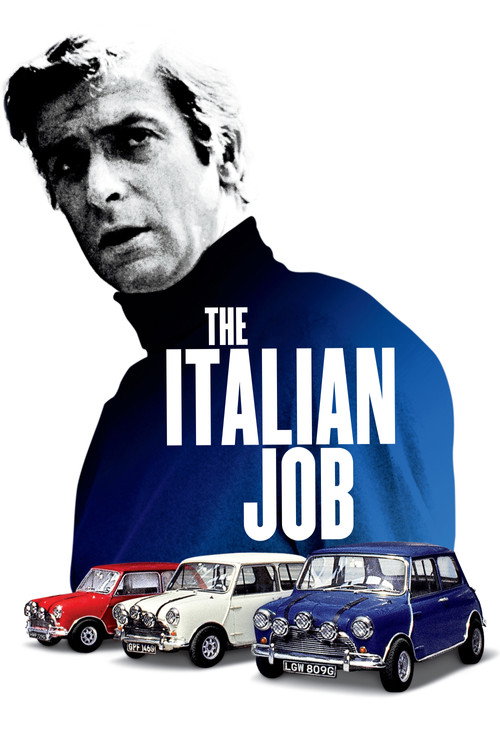
The Italian Job1969
A heist-comedy with the same breezy spirit and ensemble charm, but tighter plotting and genuine suspense underneath the laughs. Shows how the Road formula evolved when given sharper writing.
But Very British in tone; lacks the musical-variety-show aspect that makes the Road films distinctive.
Singin' in the Rain1952
Crosby's spiritual partner as a musical performer, and a masterclass in integrating songs into narrative without them feeling bolted-on. The energy is relentless and earned.
But Very different in structure and seriousness; it's genuinely plotted rather than gag-driven. Not comfort viewing in the same way.

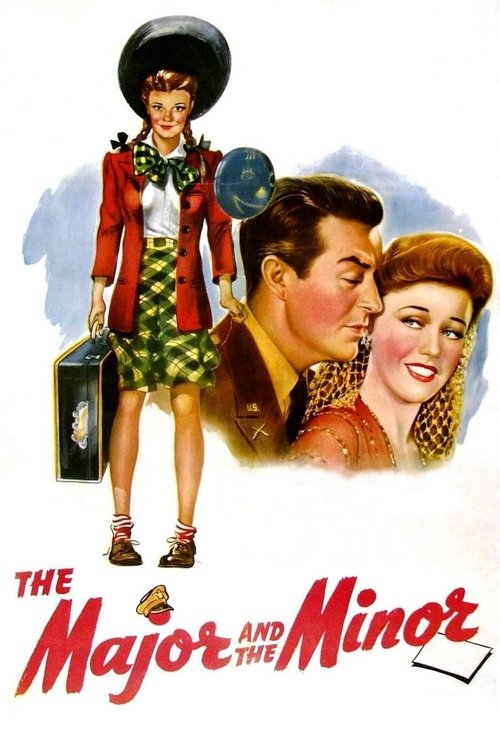
The Major and the Minor1942
Wilder's screwball comedy shares the Road series' commitment to pure entertainment: shapeshifting plots, charming con artists, and actors delighting in the absurdity around them.
But Slower pacing; pre-dates Hong Kong's knowingness by two decades. Some plot devices feel dated.
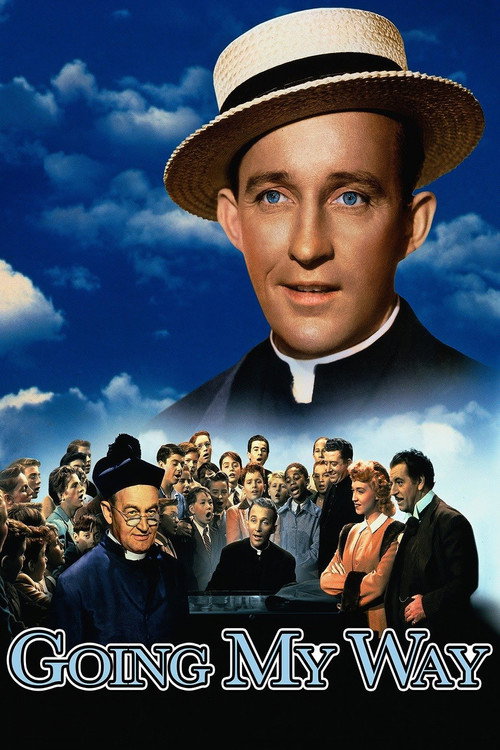
Going My Way1944
Crosby carrying a whole film on charisma and warmth, proving why he was so central to these Road pictures. The supporting cast elevates what could have been slight material.
But Sentiment overtakes comedy; the tone is far more earnest. Not what you're looking for if you want laughs.
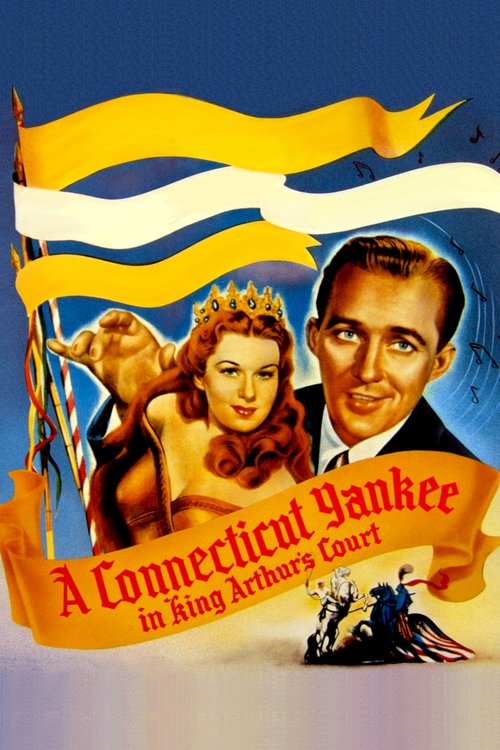
A Connecticut Yankee in King Arthur's Court1949
Another fish-out-of-water adventure with Crosby, lighter on plot, generous with musical numbers, and cheerfully indifferent to believability. Pure entertainment.
But The production design looks threadbare; some musical sequences drag. Less inventive than the best Road films.
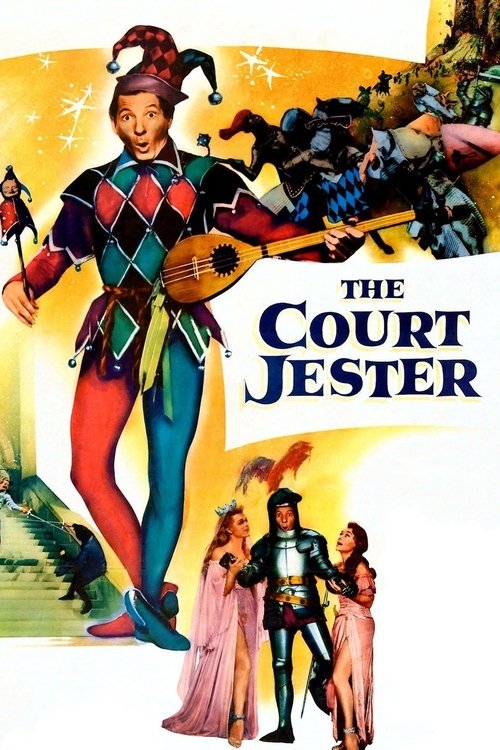
The Court Jester1955
A swashbuckling comedy that understands the same lesson as the Road series: narrative plausibility matters less than rhythm, charm, and the lead's willingness to look foolish.
But Danny Kaye's performance is very mannered; modern audiences sometimes find his energy exhausting rather than endearing.
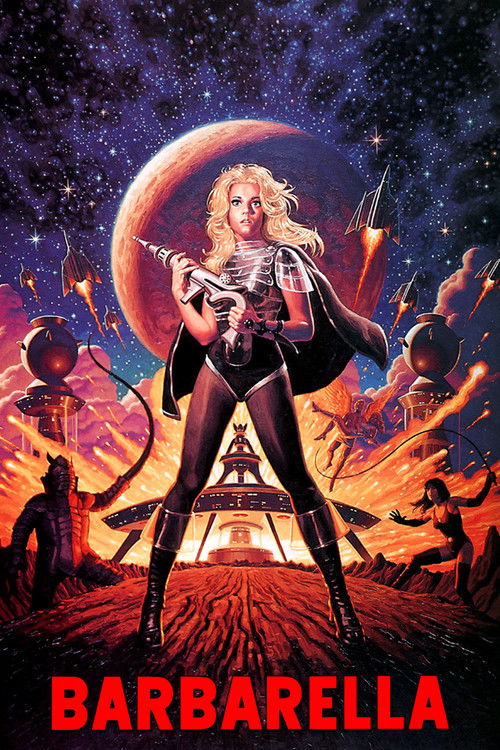
Barbarella1968
Both are spy comedies set in fantastical sci-fi worlds where nothing needs to make sense as long as the leads keep smiling and singing. Hong Kong is American entertainment; Barbarella is European art pretending not to be.
A Soviet sci-fi adventure about a space agent dispatched to stop a scientist from weaponizing pleasure itself. Absurdist, music-driven, completely indifferent to internal logic, and played with absolute sincerity by Fonda. The same DNA as Hong Kong's space-age comedy, but filtered through Godard and Soviet pulp.
But Intentionally campy in ways that feel alien now; the sexual politics read as arch rather than fun. Camp is a harder genre to sustain across ninety minutes.
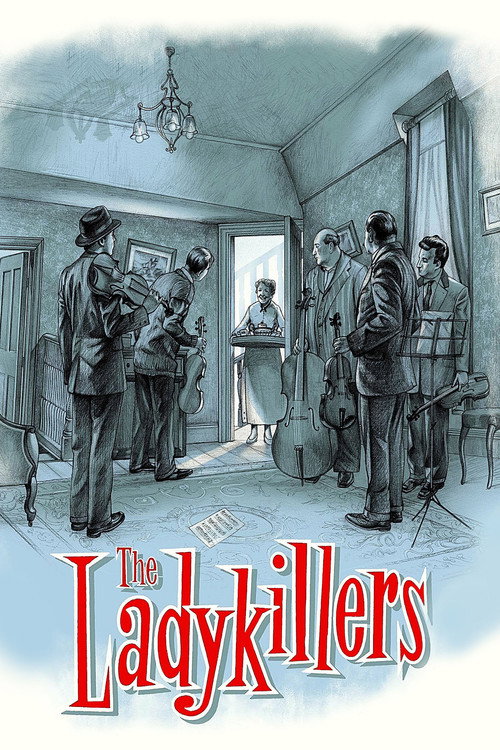
The Ladykillers1955
Both feature charismatic entertainers using performance as cover for crime, but where Hong Kong winks at the audience, The Ladykillers actually cares about the people involved and what they're capable of doing.
Ealing's masterpiece about criminals posing as musicians to rob a bank, living with an elderly landlady. It's The Road series' British cousin—charming rogues, music, elaborate deception—but grounded in actual character and genuine darkness beneath the comedy.
But The charm masks real violence and moral rot; it's not as carefree as it looks. Some viewers find the shift in tone jarring, and it's slower than spy comedies.
People
Cast
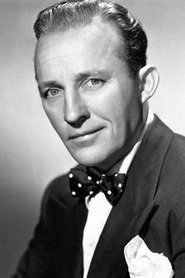 Bing CrosbyHarry Turner
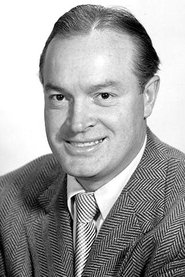 Bob HopeChester Babcock
 Joan CollinsDiane
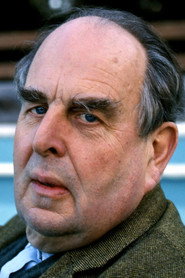 Robert MorleyLeader of the 3rd Echelon
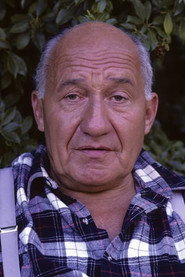 Walter GotellDr. Zorbb
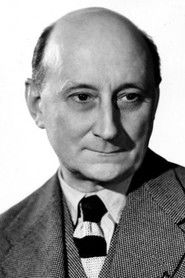 Felix AylmerGrand Lama
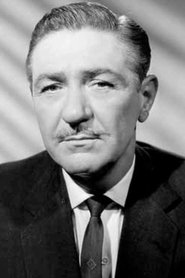 Alan GiffordAmerican Official
 Michel MokUndetermined Role (as Michele Mok)
 Katya Douglas3rd Echelon Receptionist
 Roger DelgadoJinnah
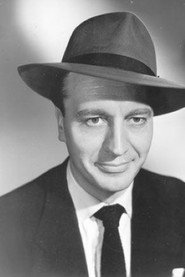 Robert AyresAmerican Official
- Mei LingMing Toy
Directing
- Bluey HillAssistant Director
- Angela MartelliContinuity
- Pamela DaviesContinuity
- Norman PanamaDirector
Writing
- Melvin FrankWriter
- Norman PanamaWriter
Production
- Sally NichollCasting
- Melvin FrankProducer
- Bill KirbyProduction Supervisor