
Film
Road to Rio
- Comedy
- Light-hearted
A breezy 1947 musical comedy where Bing Crosby and Bob Hope, playing broke musicians on the lam, stow away to Rio and tumble into rescuing a hypnotized woman from a marriage scam. It's fast, ridiculous, affectionate, and stuffed with songs and slapstick. Made for anyone who loves their entertainment light, their gags rapid-fire, and their romantic entanglements cheerfully absurd.
Should you watch it?
Watch it if you enjoy bickering double acts riffing off each other with wisecracks and easy songs, the kind of breezy studio comedy where the banter matters more than the plot.
Skip it if you want a tight plot or modern pacing, since the story is loose and wanders into long stretches of song and gags that may feel dated.
What it asks of you: Around a hundred minutes, light and quick-moving, with scenes that hop between jokes, songs and mischief, so you can settle in without much effort.
Not sure? Find tonight's pick in a minute.
If you liked this
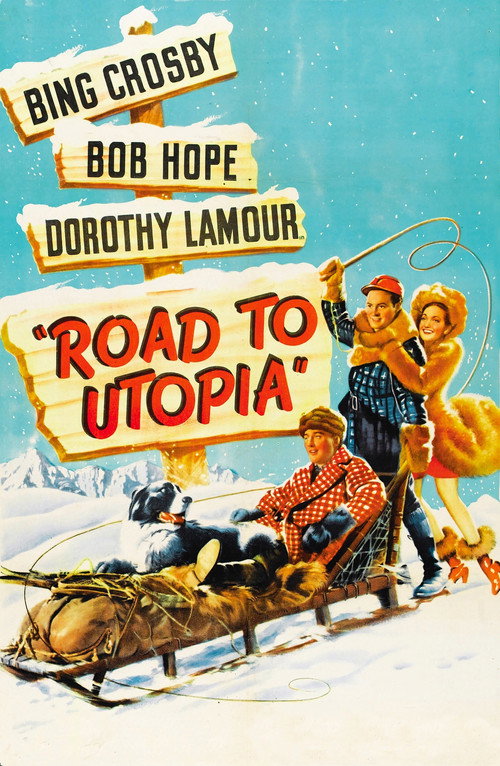
Road to Utopia1946
The Road movie that perfected the formula: Hope and Crosby at peak comic timing, Lamour in fine form, and a plot about gold prospectors in Alaska that's every bit as gloriously dumb as Rio's premise.
But If you haven't seen a Road picture before, the style of comedy—constant wisecracks, fourth-wall breaks, vaudeville timing—can feel dated or thin if you're expecting narrative coherence.
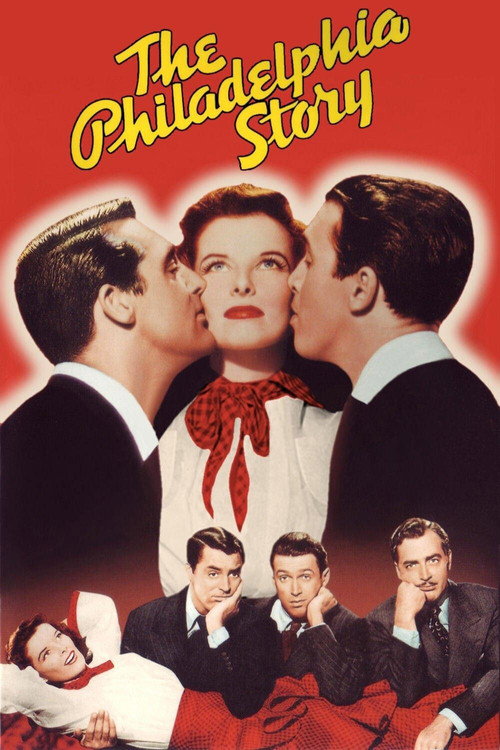
The Philadelphia Story1940
Cary Grant, James Stewart, and Katharine Hepburn sparring with wit and charm in a romantic comedy about a wedding that absolutely cannot go as planned. Elegant, funny, effortlessly rewatchable.
But It's very much a creature of its era; the gender politics and class assumptions will rub some viewers wrong, and the pacing is deliberate rather than frantic.
Singin' in the Rain1952
Gene Kelly, Donald O'Connor, and Debbie Reynolds in Hollywood's purest expression of joy: a musical about musicals, with dance sequences that still astonish. The energy is infectious.
But If you're not in the mood for unironic entertainment and extended dance numbers, it can feel overstuffed. The plot is gossamer-thin.

Not sure tonight? Get a pick in a minute, starting from Road to Rio
The wildcard
Something you would not have found on your own.
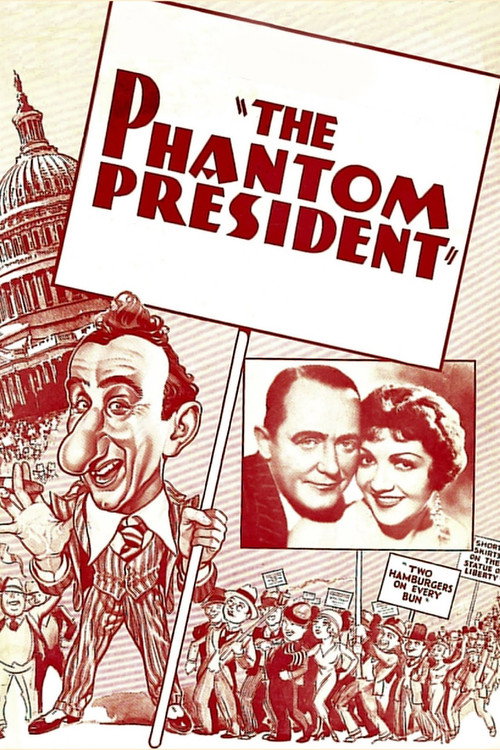
The Phantom President1932
Both are light-on-their-feet musical comedies about mistaken identity and substitution, with identical-twin/body-swap energy despite different plots. Cohan's vaudeville background mirrors Hope and Crosby's, and both films treat the stage entertainment as equally important as narrative.
George M. Cohan plays twins—an uptight president and a vaudeville performer—in this musical political comedy that's dizzy, anarchic, and genuinely weird in ways musicals usually aren't. A secret history of the form.
But It's a pre-Code curiosity with some genuinely dated attitudes, and the musical numbers can feel scattered. The print quality is rough and the pacing uneven.
More like this (8)
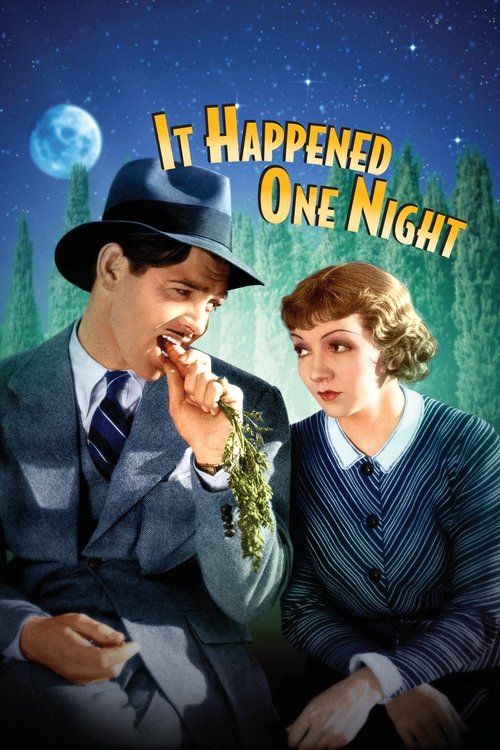
It Happened One Night1934
The template for all romantic comedies: runaway heiress, cynical reporter, real chemistry, and screwball timing that never stops moving. Surprises still land.
But The romantic and sexual politics are strictly 1930s, and some of it plays rather differently now. Also genuinely slow in places by modern standards.
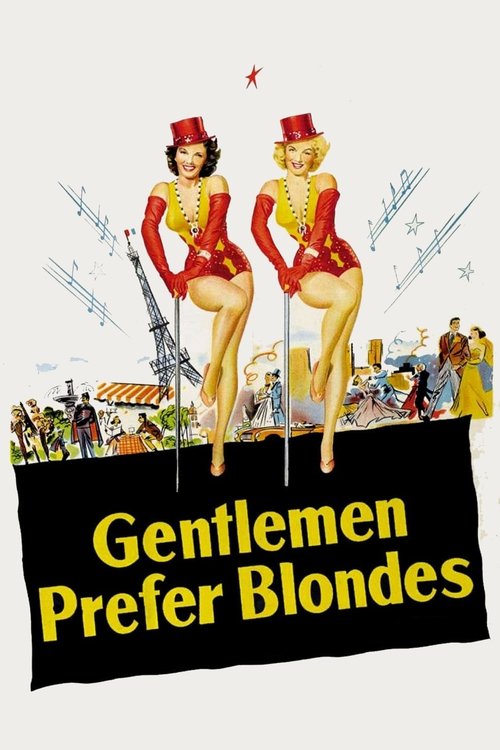
Gentlemen Prefer Blondes1953
Marilyn Monroe and Jane Russell together, with songs, glamour, and a knowing wink at the whole enterprise. It's charming, funny, and unexpectedly smart about what these women actually want.
But If you dislike musicals or broad comedy, the theatrical register might feel forced. Some of the humor relies on now-outdated gender dynamics.
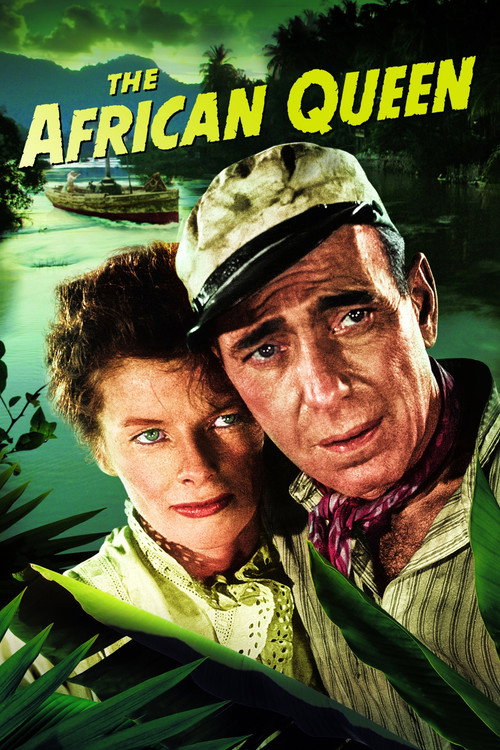
The African Queen1952
Humphrey Bogart and Katharine Hepburn on a river journey during WWI: adventure, romance, wit, and genuine chemistry between two actors who seem to relish every moment together.
But The pacing is leisurely and the action sequences are modest by any standard. It asks you to care about character over spectacle.
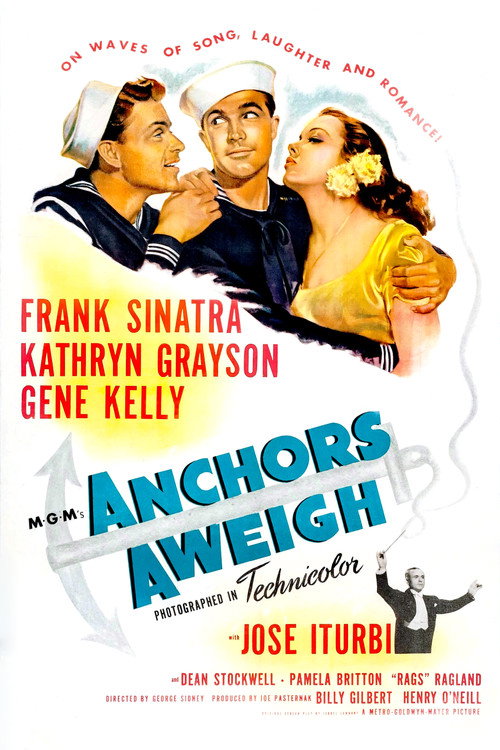
Anchors Aweigh1945
Gene Kelly and Frank Sinatra as sailors on leave in LA: musical numbers, dancing, romance, and that particular brand of innocent postwar optimism that's hard not to get swept up in.
But The gender portrayal is pretty thick with the era's assumptions, and the plotting is so thin it barely registers. Long stretches drag.
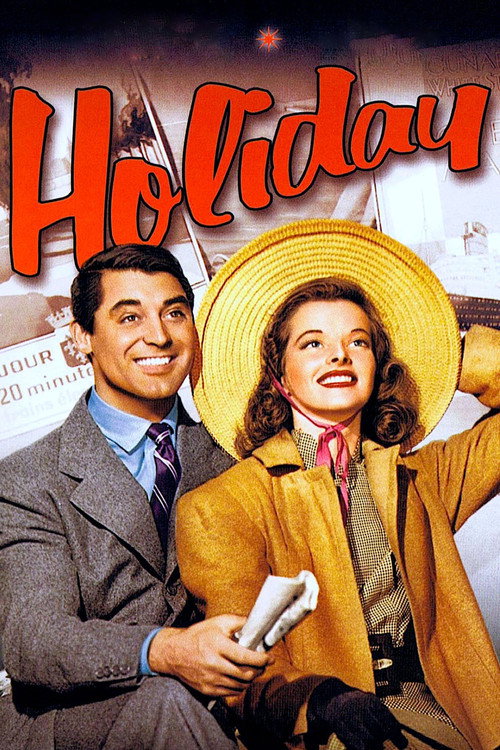
Holiday1938
Cary Grant and Katharine Hepburn as two people who'd rather play than work, in a screwball comedy that's genuinely about class and freedom. Witty, brisk, and on Hepburn's side completely.
But The backstage-farce energy might feel chaotic if you're looking for clarity. Also very much a talking picture—jokes land on delivery, not action.
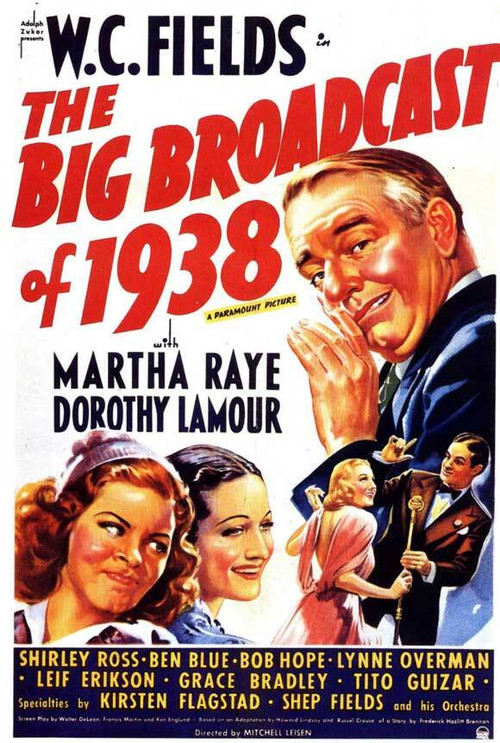
The Big Broadcast of 19381938
A transatlantic race on the Hindenburg with W.C. Fields, Bob Hope, Martha Raye, and a parade of musical guests. Chaotic, weird, and full of the kind of gag density that's almost overwhelming.
But It's essentially a revue stretched over a plot. If you're not entertained by watching variety acts with Hope doing rapid patter, you'll be bored within twenty minutes.
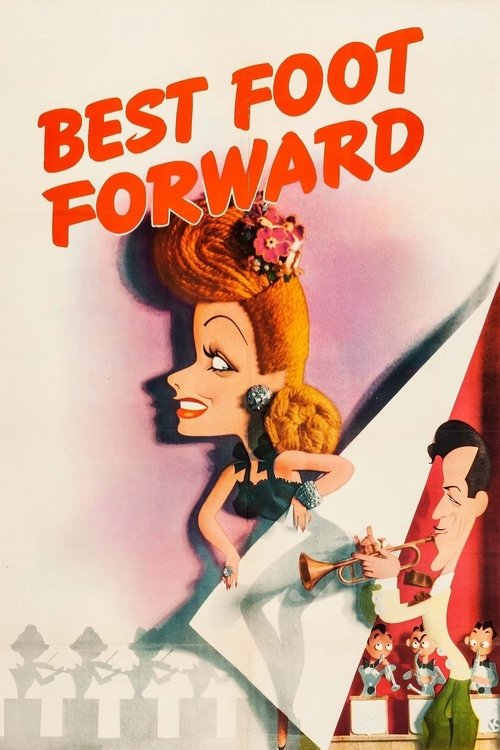
Best Foot Forward1943
Both center on mistaken plans and chaos erupting from simple deceptions, using music and comedy as the machinery of plot. Both treat romance as secondary to the fun of the ensemble falling apart trying to fix things.
A teen musical—rare in itself—where a cadet invites a movie star to his military academy dance and everything spirals beautifully out of control. Sweet, energetic, and genuinely concerned with its young characters' agency.
But It's a wartime production with earnest sentiment about duty and home, which plays different now. Also a studio musical where the dancing is enthusiastic rather than technically brilliant.
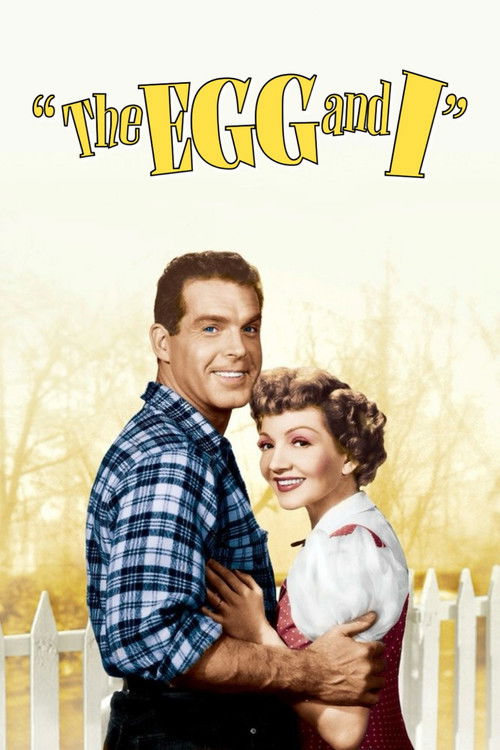
The Egg and I1947
Released the same year as Road to Rio, it's another adventure-romance-comedy hybrid about people displaced from their element and learning to navigate new circumstances. Both films trust that character comedy and musicality matter more than plot coherence, and both have that specific 1947 optimism about new starts.
Claudette Colbert and Fred MacMurray in a farm comedy about a sophisticated woman adjusting to rural Washington. It's warm, genuinely funny about class and expectation, and surprisingly astute for a comedy about chickens.
But The screwball energy you'd expect isn't there; it's slower and more interested in character than gags. Also takes its domestic politics seriously rather than playing them for pure comedy.
People
Cast
 Bing CrosbyScat Sweeney
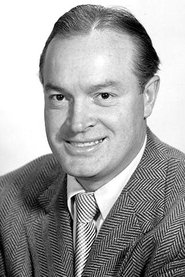 Bob HopeHot Lips Barton
 Dorothy LamourLucia Maria de Andrade
 Gale SondergaardCatherine Vail
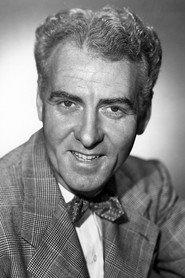 Frank FaylenTrigger
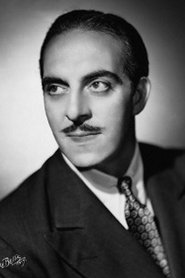 Joseph VitaleTony
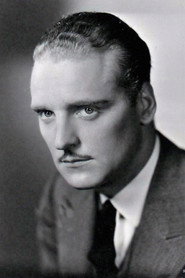 George MeekerSherman Mallory
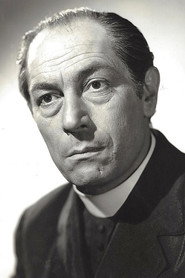 Frank PugliaRodrigues
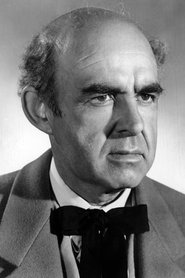 Nestor PaivaCardoso
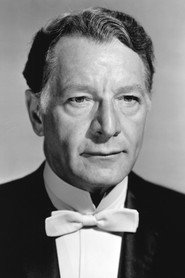 Robert BarratJohnson
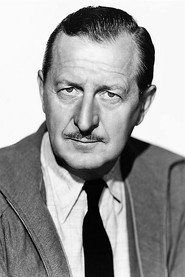 Stanley AndrewsCaptain Harmon
 Harry WoodsShip's Purser
Directing
- Oscar RudolphAssistant Director
- Norman Z. McLeodDirector
Writing
- Edmund BeloinWriter
- Jack RoseWriter
Production
- Daniel DareProducer
Recommended by
The Road to Hong Kong, The Princess and the Pirate, Road to Morocco, Fancy Pants, Copacabana, I Love a Bandleader