
Film
The Princess and the Pirate
- Swashbuckler
- Light-hearted
A 1944 Technicolor romp where Bob Hope plays a charlatan conjurer caught between a princess on the run and actual pirates seeking ransom. It's theatrical, fast-paced slapstick with elaborate production design, shot through with Hope's rapid-fire wisecracks and pratfalls. For anyone who loves old Hollywood spectacle and comedians who could make you laugh without cutting away.
Should you watch it?
Watch it if you love a bright, fast-talking 1940s comedy where the gags, pratfalls and wisecracks come thick and quick, and a swashbuckling romp is more fun than any serious sea epic.
Skip it if you want your pirate films gritty or your comedy subtle, since this one leans on broad slapstick, mugging and a lot of cheerful mock-heroics that can feel dated.
What it asks of you: Under ninety-five minutes, it moves at a brisk clip and asks you to go along with its silliness, meeting its jokes and disguises with a light, playful attention rather than close study.
Not sure? Find tonight's pick in a minute.
If you liked this
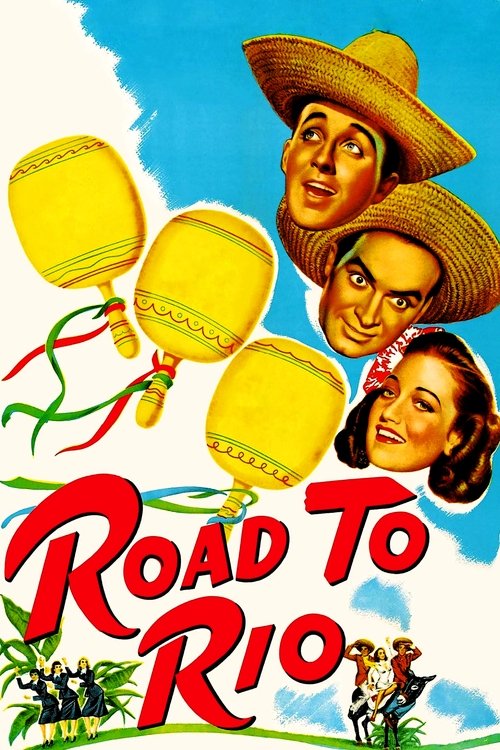
Road to Rio1947
Hope and Bing Crosby riffing endlessly as con men escaping to Brazil, with musical numbers, romantic chaos, and that effortless chemistry between two comedians who genuinely liked each other. Pure escape.
But The plot barely exists and the whole thing coasts on Hope's charm; if you need narrative momentum, you'll feel it dragging.
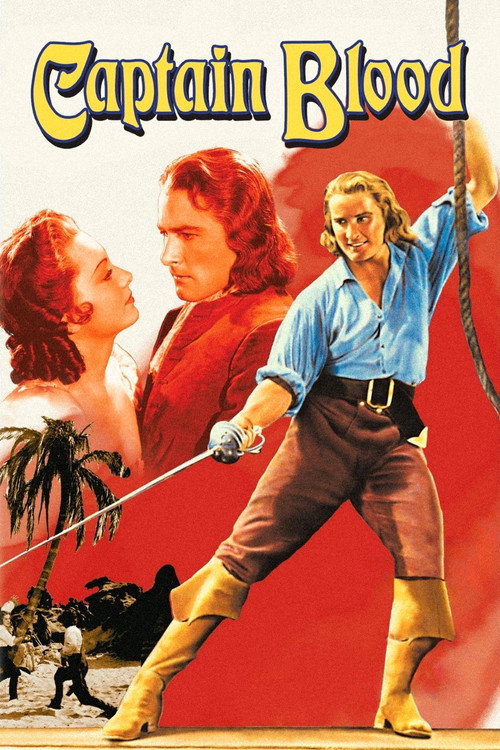
Captain Blood1935
Errol Flynn as a wronged man turned pirate captain, with sword fights, high adventure, and genuine swashbuckling romance. The template for every pirate film that came after. Thrilling and beautifully shot.
But It plays things straight where Hope plays them for laughs; if you want the same tone, you won't find it here.
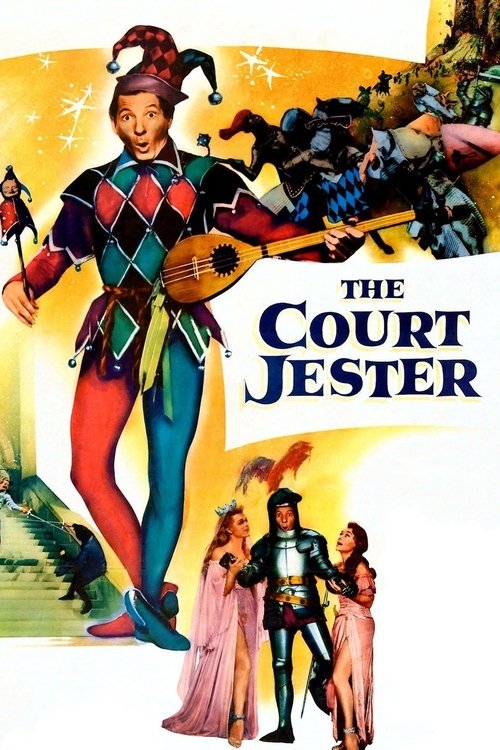
The Court Jester1955
Danny Kaye as a tumbler posing as nobility in a medieval court, packed with physical comedy, musical numbers, and absurdist verbal wit. Faster and looser than Hope, but cut from the same cloth of theatrical joy.
But Kaye's manic energy isn't for everyone; some find it exhausting rather than charming.
Not sure tonight? Get a pick in a minute, starting from The Princess and the Pirate
The wildcard
Something you would not have found on your own.
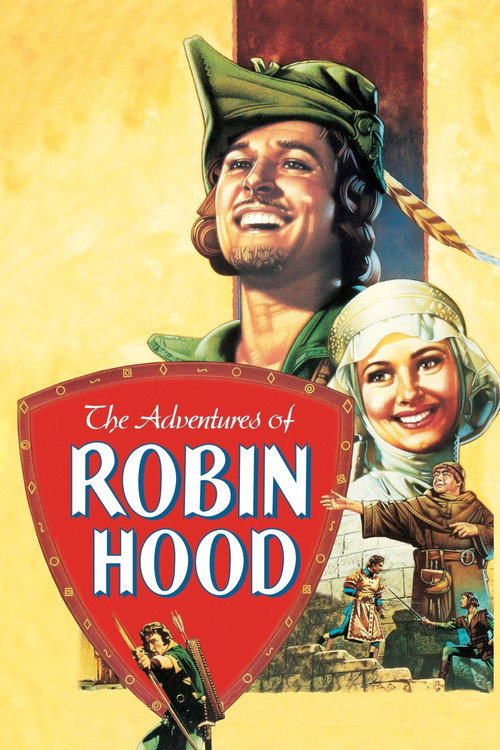
The Adventures of Robin Hood1938
Both understand that old Hollywood adventure is fundamentally comedic—not parody, but the joyful tone of people who know they're in a movie having the time of their lives doing it.
Errol Flynn in vibrant Technicolor, swashbuckling and grinning through action scenes—but the throughline is comedy as much as adventure. Same era as Hope, same register of theatrical charm, same understanding that spectacle and humor belong together.
But It's a straight adventure rather than a comedy, so the laughs are situational rather than verbal. If you want Hope's rapid-fire wisecracks, this trades them for smiles and sword work.
More like this (8)
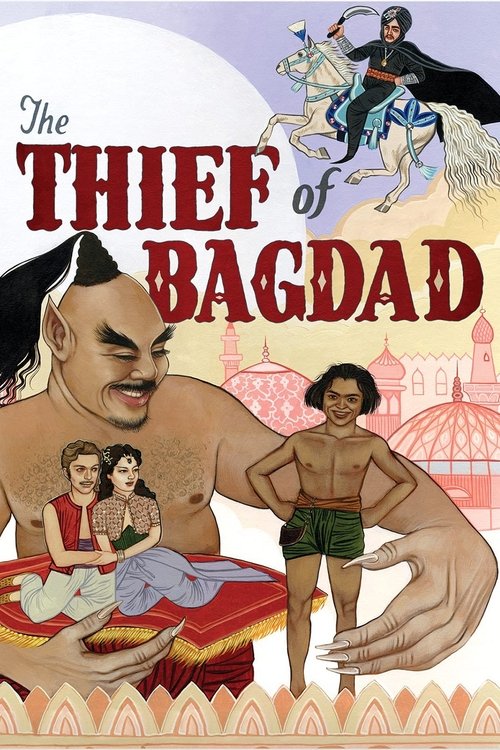
The Thief of Bagdad1940
Outrageous Technicolor fantasy adventure with flying carpets, invisible men, and genuine spectacle. Jon Hall and Sabu in a world that prioritizes wonder over plot. Enchanting production design at its peak.
But The pacing is loose and the story secondary; modern audiences often find it slow and shapeless.
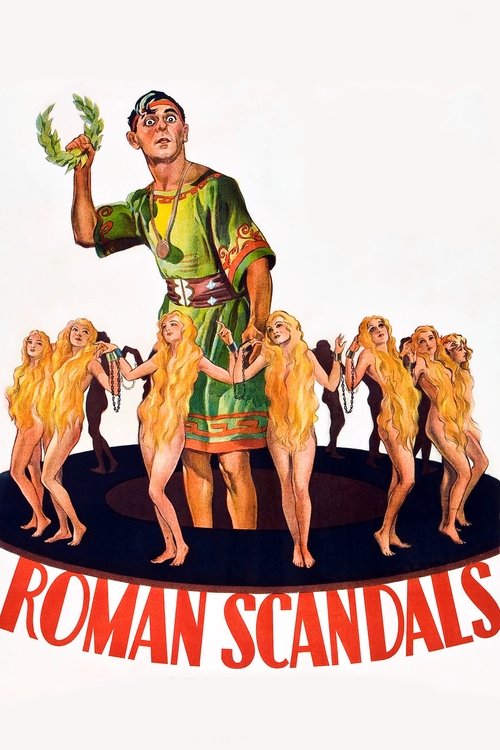
Roman Scandals1933
Eddie Cantor in a Busby Berkeley musical comedy about a man transported to ancient Rome. Spectacular dance numbers, terrible puns, and that 1930s vaudeville energy Hope inherited and carried forward.
But The comedy feels quaint now and some of the 'humor' has aged badly; it requires patience with period conventions.
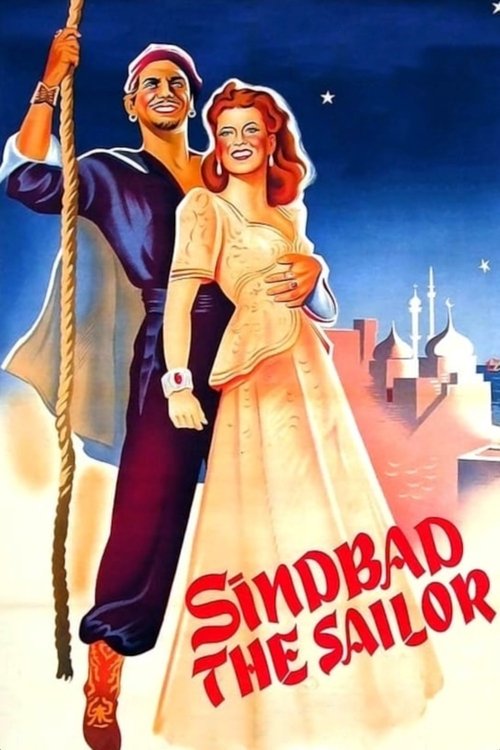
Sinbad the Sailor1947
Douglas Fairbanks Jr. in Technicolor adventure with sword fights, monsters, and elaborate sets. Lighter and more fun than it should be, with genuine charm and romance woven through the action.
But The special effects are primitive and some sequences drag; it's not quite thrilling enough if you're after genuine suspense.
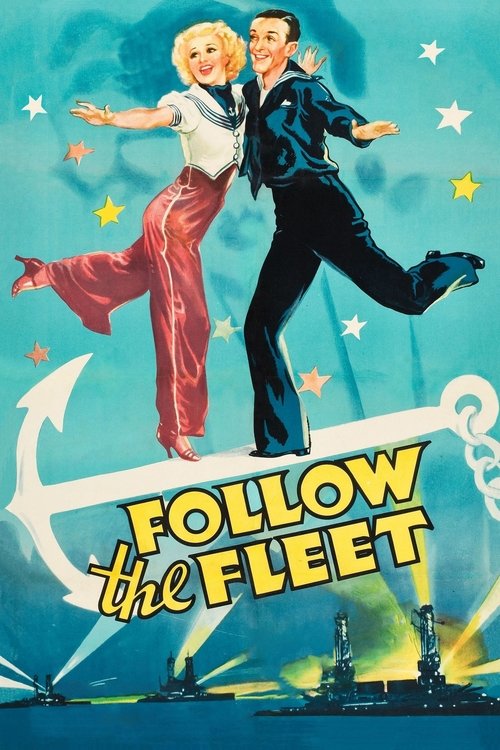
Follow the Fleet1936
Fred Astaire and Ginger Rogers in a naval comedy musical where Astaire's charm carries you through a paper-thin plot. The dancing is transcendent, but the film itself is fleet-footed and unpretentious.
But If you're not interested in tap-dancing or the romantic subplot, there's not much else here to hold you.
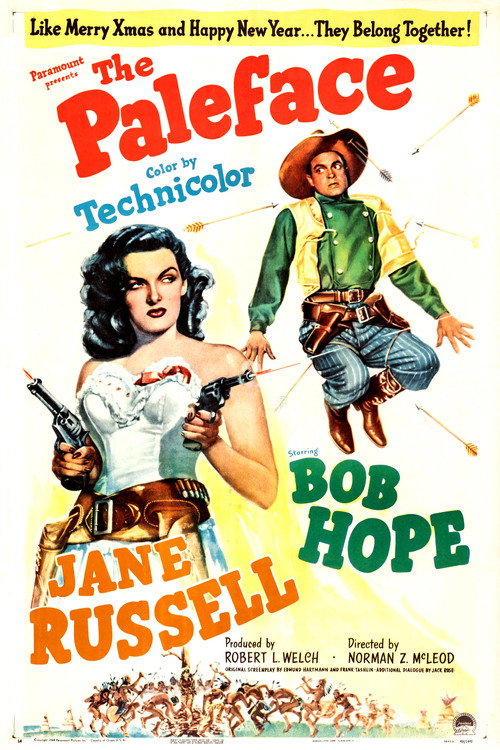
The Paleface1948
Hope in the Old West, playing a dentist caught between outlaws and a government agent. Western setting gives the comedy a different color, and Mayo reunites with Hope in a film that knows exactly what it is.
But The western elements feel tacked on; it's really just Hope doing Hope in a different hat.
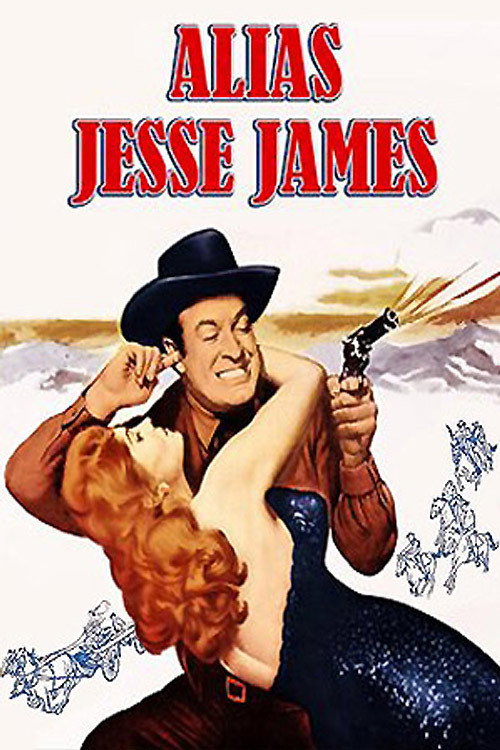
Alias Jesse James1959
Hope as a nervous insurance salesman who tangles with outlaws in the 1880s. Lighter than his better work, but the premise is funny and it moves at a clip.
But This is Hope on fumes somewhat; it's a late-career picture that feels like a variation on material he'd already perfected.
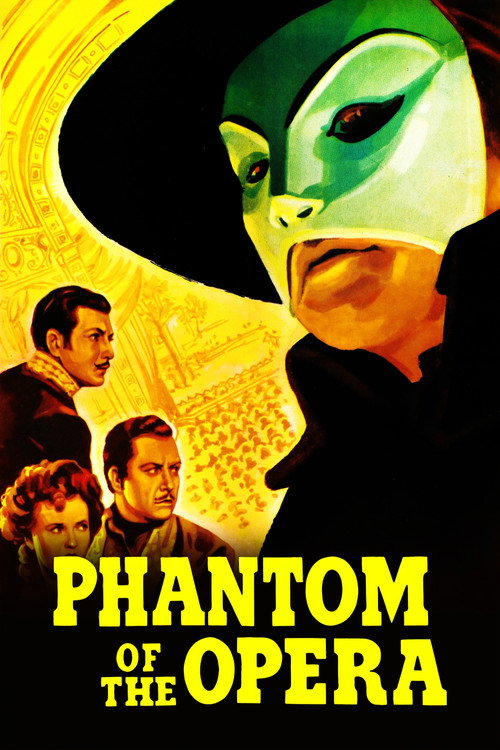
Phantom of the Opera1943
Both are 1940s Technicolor productions that believe spectacle and production design ARE the point. The Princess and the Pirate makes you laugh at the excess; this asks you to be moved by it. Same visual language, opposite emotional temperature.
Claude Rains as the Phantom in Technicolor gothic romance, with Susanna Foster singing beautifully and the production design nearly overwhelming the stage. It's melodrama treated entirely seriously—the exact opposite register from Hope, but the same spectacle-first sensibility.
But It's deadly earnest and sometimes overwrought; if you want Hope's comedy, this will feel glacial and self-important.
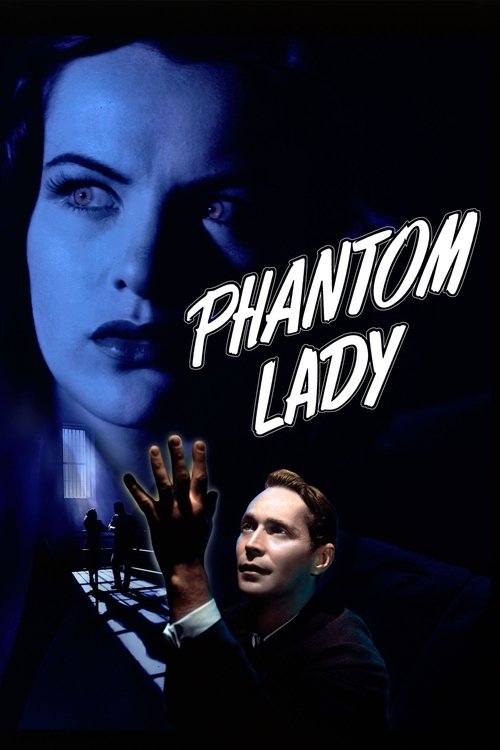
Phantom Lady1944
Both films were made in 1944 in Hollywood and both star Virginia Mayo. But they're opposite faces of the studio system: one escapist comedy spectacle, one dark psychological thriller. Seeing Mayo in this context shows the range of that era and how completely different films could be made in the same year from the same studio.
A film noir from the same year as Princess and Pirate, with Ella Raines and Franchot Tone in a thriller about a woman proving her husband innocent. Shadows, psychological dread, and a murder plot—everything Hope's film isn't. Robert Siodmak's direction is elegant and precise.
But It's dark and twisty and demands attention; the opposite of Hope's breezy escapism. If you want to turn your brain off, this won't let you.
People
Cast
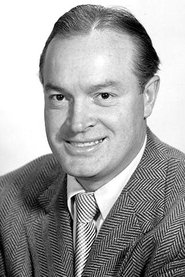 Bob HopeSylvester the Great
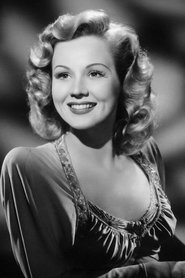 Virginia MayoPrincess Margaret
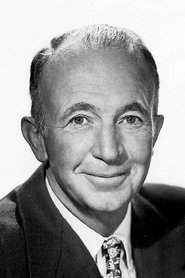 Walter BrennanFeatherhead
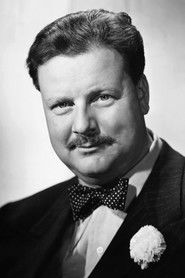 Walter SlezakLa Roche
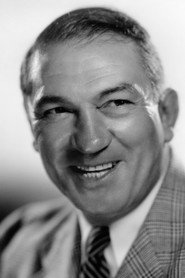 Victor McLaglenCaptain Barrett / The Hook
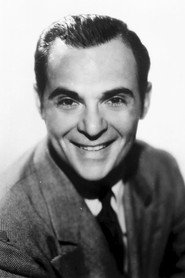 Marc LawrencePedro
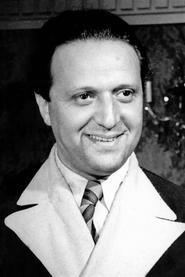 Hugo HaasOwner of the 'Bucket of Blood'
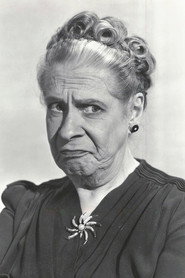 Maude EburneLandlady of the 'Boar's Head Inn'
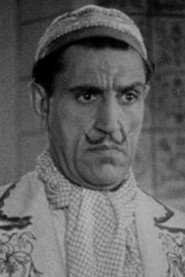 Adia KuznetzoffDon José Ramon Sebastian Rurales
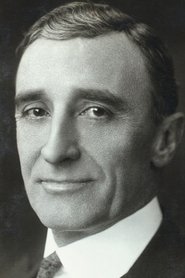 Brandon HurstMr. Pelly
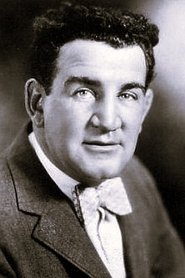 Tom KennedyAlonzo
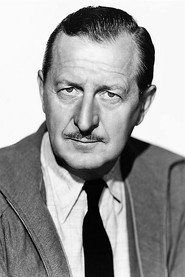 Stanley AndrewsCaptain of the 'Mary Ann'
Directing
- Barton AdamsAssistant Director
- David ButlerDirector
Writing
- Allen BoretzAdaptation
- Curtis KenyonScreenplay
- Don HartmanScreenplay
- Everett FreemanScreenplay
- Melville ShavelsonScreenplay
- Norman PanamaScreenplay
- Sy BartlettStory
Production
- Samuel GoldwynProducer