
Film
Follow the Fleet
- Romantic comedy
- Light-hearted
A 1936 musical comedy where Fred Astaire and Ginger Rogers reunite as sailors and dance partners trying to rekindle romance in San Francisco. It's effervescent and fleet-footed, built entirely around the pleasure of watching two people move together in perfect sync. For anyone who loves the Depression-era Hollywood musical at its most playful and unambitious about anything except making you smile.
Should you watch it?
Watch it if you love screwball-tinged romantic comedies where the banter, the courtship and the dancing do the storytelling, and a musical number can carry more feeling than a page of dialogue.
Skip it if you find 1930s studio-era romance creaky, with stiff gender roles and a plot that loops back on itself, or you want a fast modern comedy rather than a leisurely old-fashioned one.
What it asks of you: Settle in for just under two hours of unhurried courting, with the comedy running warm rather than frantic and the big dance sequences giving you room to breathe.
Not sure? Find tonight's pick in a minute.
If you liked this
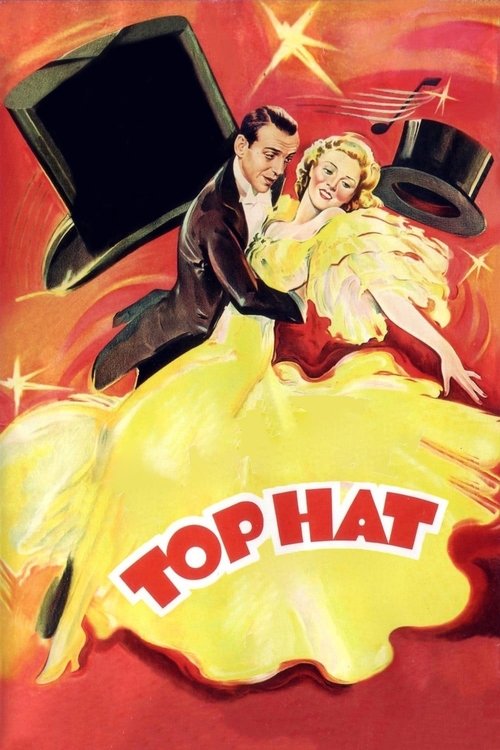
Top Hat1935
The Astaire-Rogers template perfected: a paper-thin plot that exists only to get them dancing, shot with crystalline clarity and an almost supernatural ease. Their chemistry is hypnotic.
But If you find 1930s musicals fussy or overly theatrical, the style won't suddenly click for you here, just more elegantly.
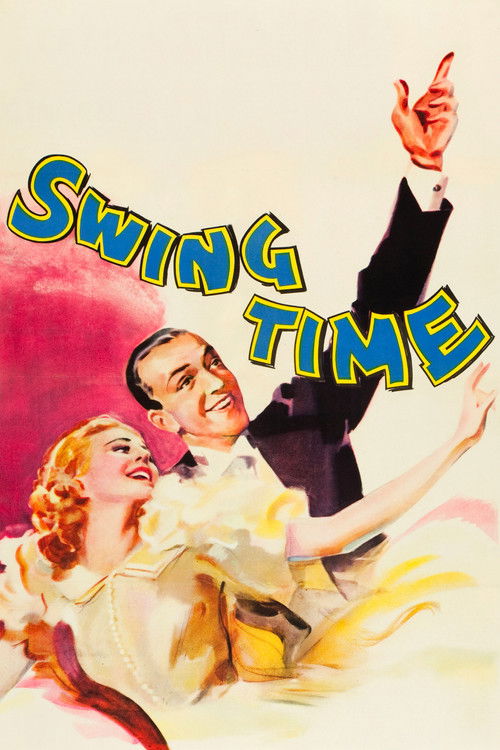
Swing Time1936
Their final collaboration at peak form, with Jerome Kern's score and a slightly deeper emotional core beneath the tap routines. The dancing is some of their very best.
But It's still a musical built around romance as a pretext; if you need plot substance, you won't find it.
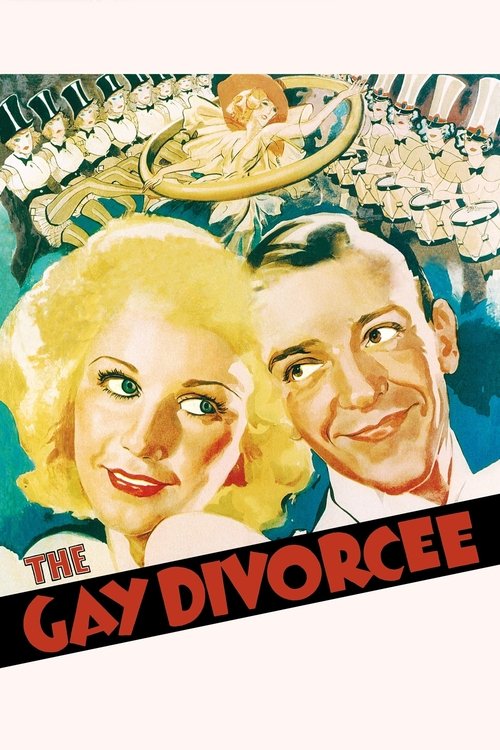
The Gay Divorcee1934
Their first pairing, where you can see the exact moment they discover they're electric together. It has the excitement of something being invented in real time.
But The pacing stutters; it hasn't yet learned how to move as fluidly as later films.
Not sure tonight? Get a pick in a minute, starting from Follow the Fleet
The wildcard
Something you would not have found on your own.
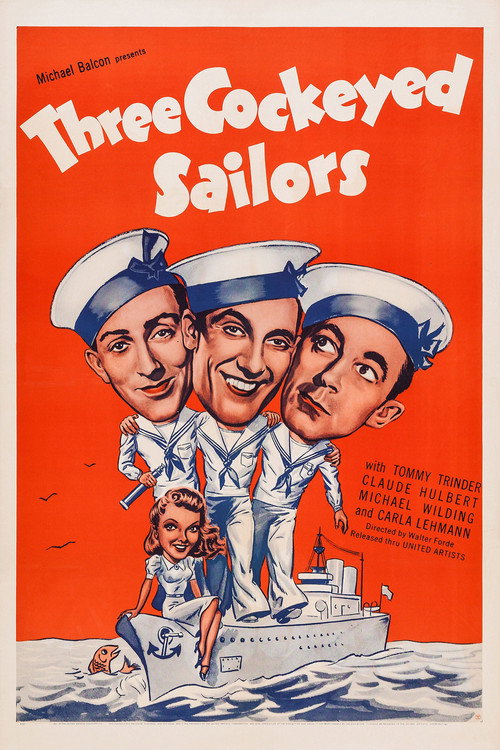
Sailors Three1940
Same plot engine (sailors, port town, romance), different national comedy: American snap versus British diffidence.
A British comedy where three sailors on shore leave get into cheerful trouble. It has the same DNA as Follow the Fleet—armed forces hijinks, romance subplot, the thrill of strangers in a port city—but trades American precision for British warmth and eccentricity.
But The humor is gentler and sometimes sluggish; it's less interested in momentum than in character and improvisation.
More like this (7)
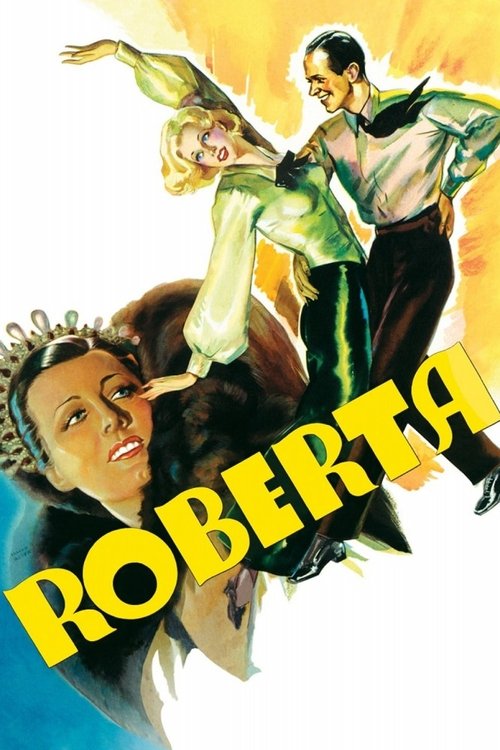
Roberta1935
Randolph Scott appears here too, so it's a nice preview of the comedy trio dynamic. Lovely Jerome Kern songs and Rogers in a fashion-house setting.
But The plot is genuinely confusing and often stops cold so people can sing at you.
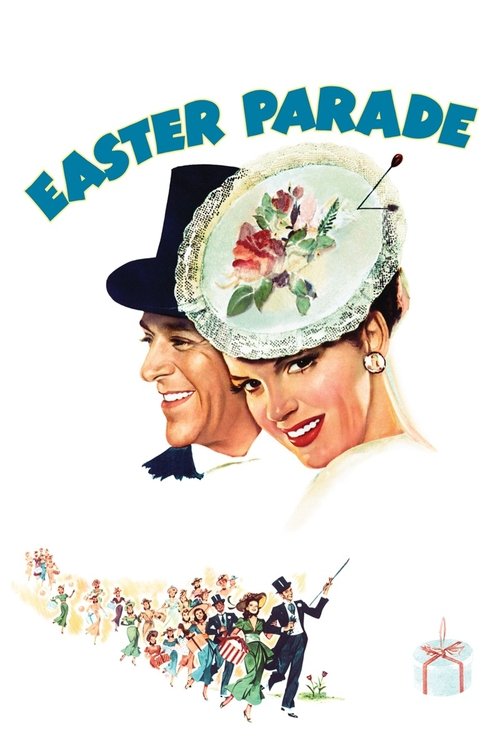
Easter Parade1948
Astaire with Judy Garland instead, and they have an entirely different energy—warmer, more romantic, less about perfection and more about joy.
But It's slower-paced and more sentimental than the snappier Rogers partnerships.
Singin' in the Rain1952
The gold standard of Hollywood musicals, with Gene Kelly and Donald O'Connor. If you want to understand why dance in film matters, this is it.
But It's so iconic it can feel like watching a monument rather than a film; nothing about it is a surprise.

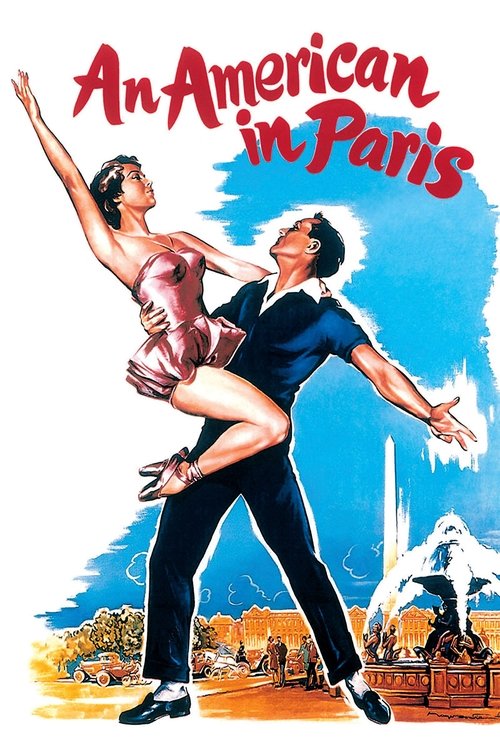
An American in Paris1951
Gene Kelly dancing through color and sets so beautiful you'll need a moment. It's ambitious in a way Depression musicals never tried to be.
But The ballet at the end goes on forever and tries harder than it lands.
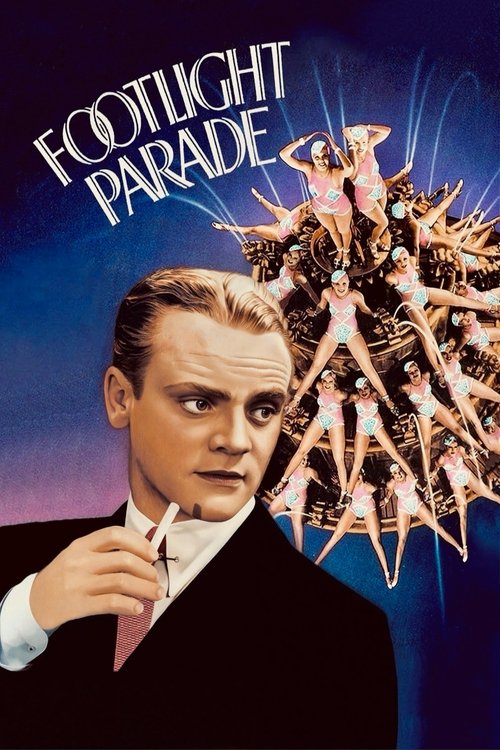
Footlight Parade1933
James Cagney dancing (yes, really), Ruby Keeler, and the Busby Berkeley choreography that influenced everything after. Wild energy and scale.
But It's chaotic and sometimes incoherent, and the Berkeley style can feel overcrowded compared to Astaire's clarity.
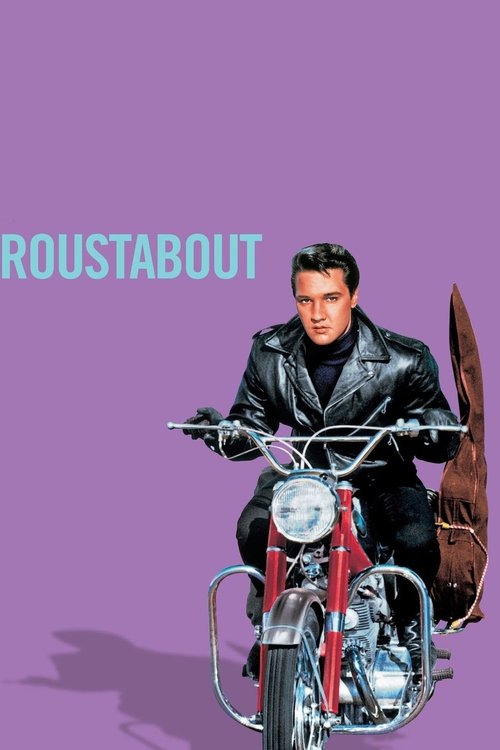
Roustabout1964
Both are films about an attractive man in motion solving life's problems through performance, plot entirely beside the point.
Elvis Presley as a drifter who joins a traveling carnival. Like Follow the Fleet, it's really just an excuse to watch a charismatic guy move and sing his way through a series of encounters. Zero pretension, maximum charm.
But The plot is nonexistent, the dialogue is terrible, and if you don't find Elvis' presence magnetic, there's nothing here for you.
The Red Shoes1948
Both movies worship at the altar of dance itself, but where Follow the Fleet says 'dance is fun,' The Red Shoes says 'dance is everything and it will destroy you.'
A ballet film so visually intoxicating it rewrites what film can do. The dance sequences don't exist to move plot forward; they ARE the reason. Technicolor so saturated it feels like stepping into a dream.
But It's philosophically heavy and melancholic, full of impossible choices. If you want lightness, this is the opposite direction.

People
Cast
 Fred AstaireBake Baker
 Ginger RogersSherry Martin
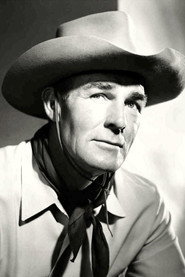 Randolph ScottBilge Smith
 Harriet NelsonConnie Martin
 Astrid AllwynIris Manning
 Betty GrableSinger in Trio
 Harry BeresfordCaptain Hickey
 Russell HicksJim Nolan
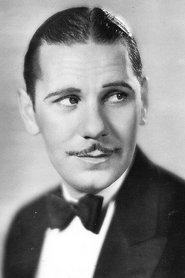 Brooks BenedictDavid Sullivan
- Ray MayerDopey Williams
 Lucille BallKitty Collins
 Tom BrowerPoliceman (uncredited)
Directing
- Mark SandrichDirector
Writing
- Irving BerlinLyricist
- Allan ScottScreenplay
- Dwight TaylorScreenplay
- Hubert OsborneTheatre Play
Production
- Pandro S. BermanProducer
Recommended by
The Gay Divorcee, Easter Parade, Stage Door Canteen, Hollywood Canteen, For Me and My Gal, The Merry Widow, In the Navy, The Fleet's In, You Were Never Lovelier, Reveille with Beverly, Anchors Aweigh, Pigskin Parade, High, Wide and Handsome, A Damsel in Distress, Roberta, Huckleberry Finn, Wee Willie Winkie, The Firefly, Here Comes the Band, Under Two Flags, Poor Little Rich Girl, Orchestra Wives, Springtime in the Rockies, The Princess and the Pirate, Roman Scandals, Stowaway, Seven Days Ashore, Moon Over Miami, Aerial Gunner, The Wackiest Ship in the Army, We're Not Dressing, King of Burlesque, Sing, Baby, Sing, Anything Goes, Music in My Heart, Hell Below, Dance Hall, Stand by for Action, Salute, Devil Dogs of the Air, Private Buckaroo, Hell Divers, Sing Me a Love Song