
Film
A Damsel in Distress
- Screwball comedy
- Light-hearted
A Fred Astaire musical comedy where a American hoofer in England tangles with a duchess and her scheming staff. It's lighter than air—witty banter, impossible dance numbers, George Burns stealing every scene. Made for anyone who loves 1930s charm, physical comedy, and dancing that defies gravity. The plot barely matters; the joy is watching Astaire move.
If you liked this
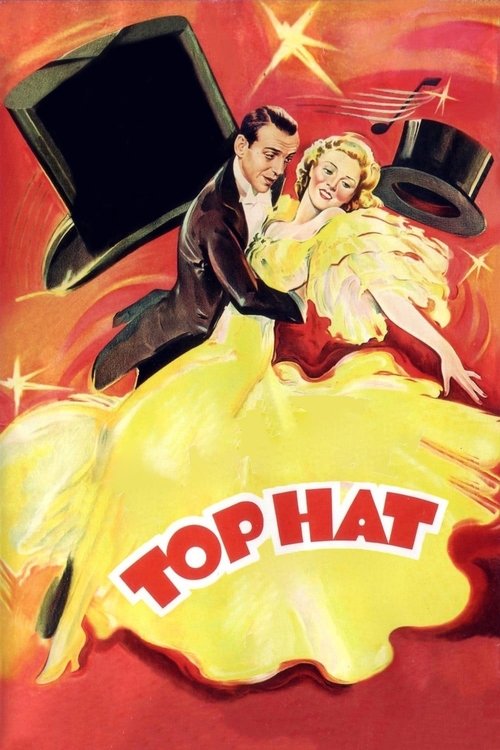
Top Hat1935
Astaire and Ginger Rogers in their most perfectly pitched film—elegant, funny, with dance sequences that still feel miraculous. If you love Astaire's energy and charm, this is the template.
But The plot is tissue-thin, held together only by romantic misunderstanding. Some find the pacing slow between numbers.
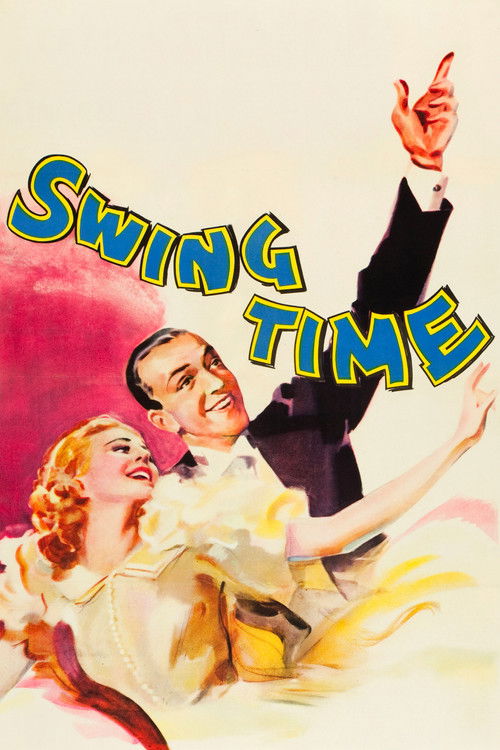
Swing Time1936
Astaire and Rogers again, but with more plot and higher stakes. The 'Waltz in Swing Time' is stunning. Captures that same 1930s escapism and physical brilliance.
But Nearly two and a half hours of plot machinery designed to separate and reunite the leads. Patience required.
Singin' in the Rain1952
Gene Kelly and Donald O'Connor in a musical that knows itself—knowing, funny, and packed with dances that rival anything Astaire did. Pure cinema joy that never ages.
But The Hollywood backstage story feels quaint now. Some of the romance plays broad.

Not sure tonight? Get a pick in a minute, starting from A Damsel in Distress
The wildcard
Something you would not have found on your own.
The Red Shoes1948
Both built their worlds around dance as the truest language. But where Astaire uses it to charm, Powell uses it to wound.
A British film about dance, obsession, and impossible choice. Visually lush, thematically serious, with dance sequences as emotionally complex as anything in Astaire. The opposite register—a masterpiece about why we dance, not just the joy of it.
But Deeply tragic and psychologically dark. If you want Astaire's lightness, this will feel like betrayal. Demands emotional engagement.

More like this (8)
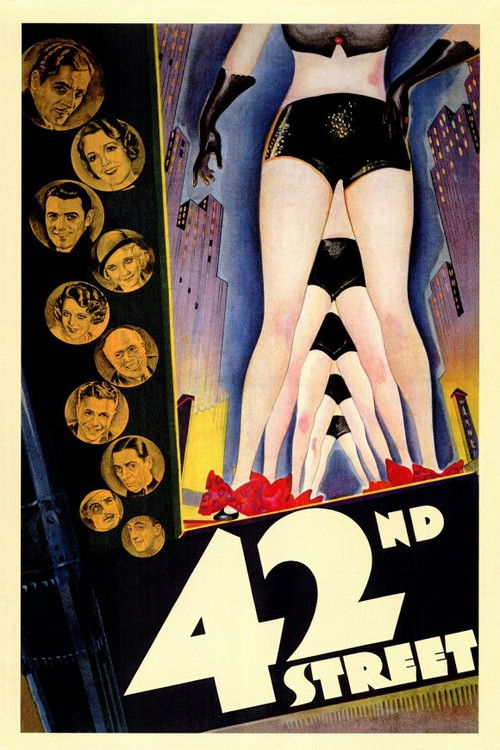
42nd Street1933
Busby Berkeley's kaleidoscopic dance sequences and rapid-fire 1930s patter. Captures the era's speed and optimism. Great ensemble cast, early Warner Bros. energy.
But The central romance is by-the-numbers. Some find the sexual innuendo dated rather than charming.
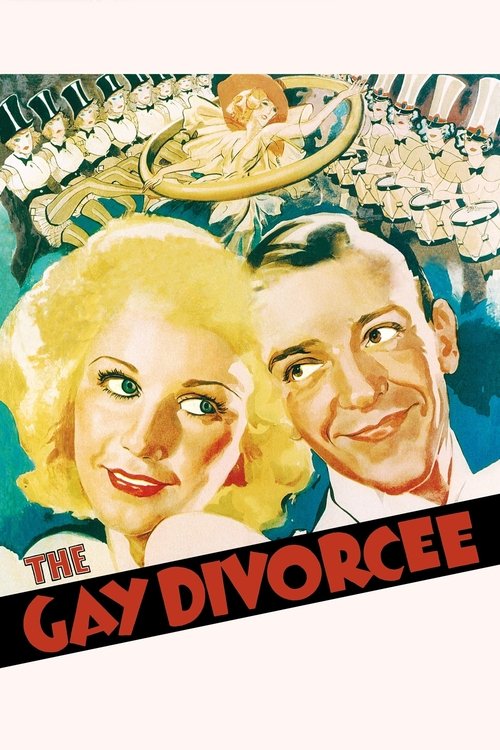
The Gay Divorcee1934
Astaire and Rogers' first pairing, lighter and breezier than Top Hat. 'The Continental' number alone justifies watching. The banter crackles.
But Technically rough compared to their later films. The plot about divorce proceedings feels quaint and sometimes uncomfortable.
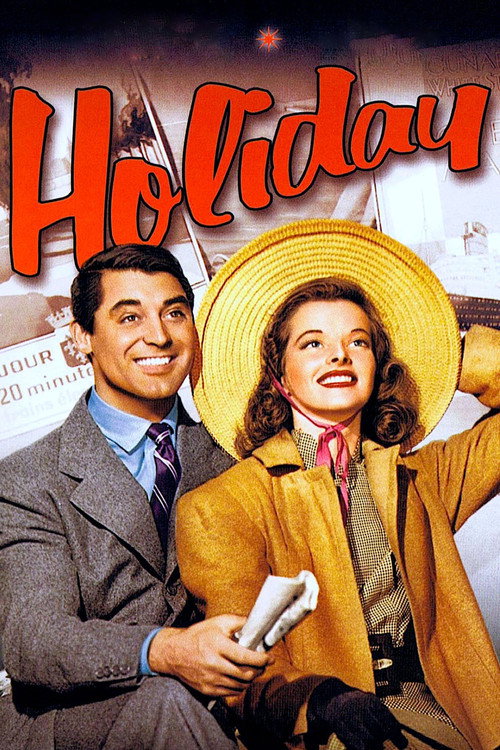
Holiday1938
Cary Grant and Katharine Hepburn in a comedy about money, class, and breaking free. Witty, warm, structurally clever. Similar era, similar sophistication and charm.
But More romantic comedy than musical. The class commentary might feel heavy-handed to modern viewers.
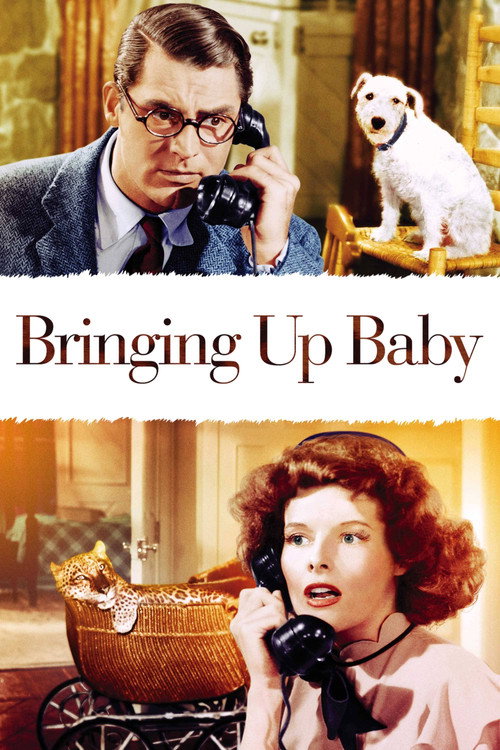
Bringing Up Baby1938
Cary Grant and Katharine Hepburn in screwball heaven. Breakneck pacing, physical comedy, rapid dialogue. The spirit of anarchic fun that Astaire's energy channels.
But The leopard and romantic plot feel chaotic even by 1930s standards. Some find it exhausting rather than exhilarating.
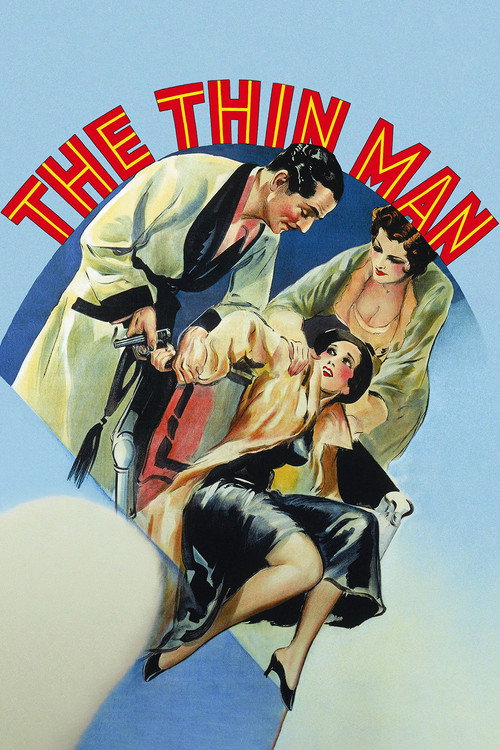
The Thin Man1934
William Powell and Myrna Loy in a witty murder mystery with the same banter and style as Damsel. Glamorous, funny, perfectly paced. Great supporting cast.
But The mystery plot takes a backseat to the charm. If you want real suspense, this isn't it.
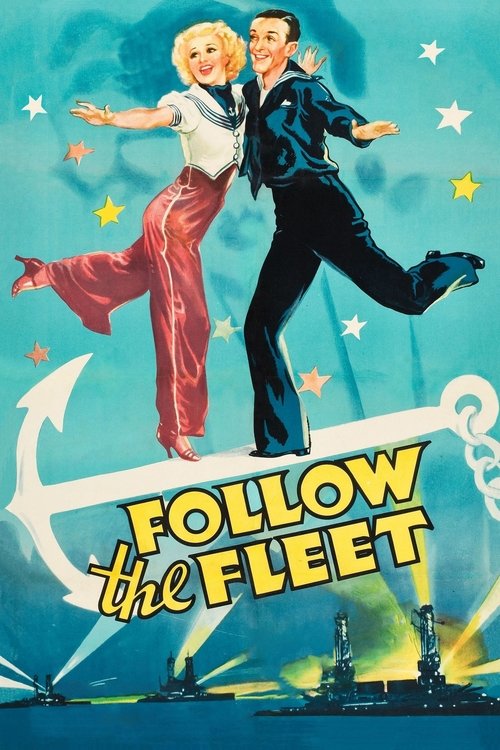
Follow the Fleet1936
Astaire and Rogers on a battleship. Less polished than their best work but immediate and fun. Good ensemble, nice contrast between dance and naval comedy.
But The naval subplot feels perfunctory. Some numbers are forgettable compared to their classics.
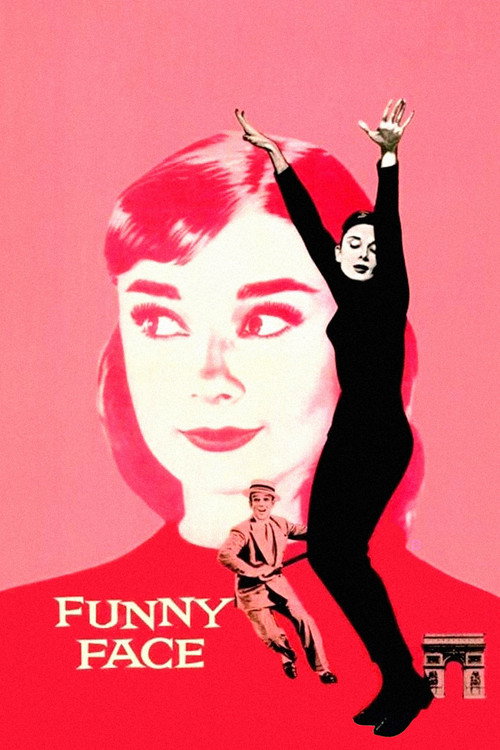
Funny Face1957
A late Astaire film that asks what happens when the charming American meets someone who isn't charmed, and how he adapts. A shadow of Damsel's premise.
Audrey Hepburn and Fred Astaire himself, years later, in a musical about art and fashion. Hepburn brings a different energy—intellectual, vulnerable. Astaire proves he could dance with anyone. Gorgeous and oddly melancholy.
But Astaire was in his fifties; he dances less and differently. The Paris setting and fashion world might feel niche. Slower than the 1930s musicals.
Merrily We Roll Along
Same era sensibility—rapid dialogue, witty banter, romance and friendship—but inverted. Damsel assumes the story ends in joy; this asks what the cost of that joy actually is.
Stephen Sondheim's musical told backwards. Starts at the end of three friends' friendship and unravels how they got there. Dark, witty, structurally audacious. The comedy and sophistication of 1930s wit but with actual stakes and sadness underneath.
But Sondheim's score is demanding and complex. The backwards structure can feel gimmicky. Not light entertainment—it earns the darkness.
People
Cast
 Fred AstaireJerry Halliday
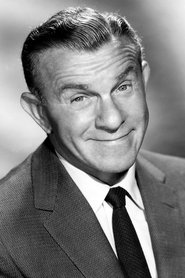 George BurnsGeorge
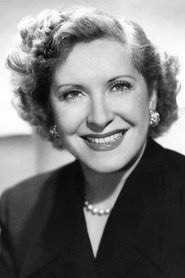 Gracie AllenGracie
 Joan FontaineAlyce Marshmorton
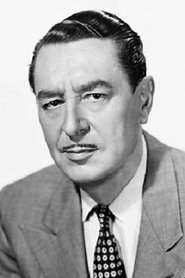 Reginald GardinerKeggs
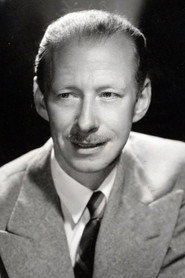 Ray NobleReggie
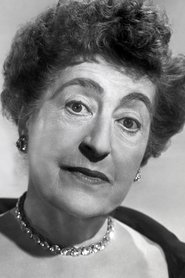 Constance CollierLady Caroline
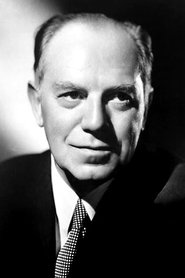 Montagu LoveLord Marshmorton
- Harry WatsonAlbert
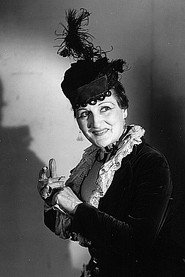 Jan DugganMiss Ruggles
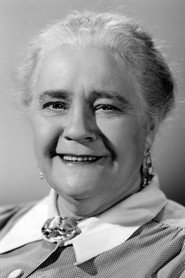 Mary GordonCook (uncredited)
Directing
- W. Argyle NelsonAssistant Director
- George StevensDirector
Writing
- Ira GershwinLyricist
- P.G. WodehouseMusical
- P.G. WodehouseNovel
- Ernest PaganoScreenplay
- P.G. WodehouseScreenplay
- S.K. LaurenScreenplay
Production
- Pandro S. BermanProducer