
Film
The Gay Divorcee
- Romantic comedy
- Light-hearted
A screwball musical romance where Ginger Rogers' divorcée and Fred Astaire's dancer collide at an English resort, leading to mistaken identity, tap-dancing, and effortless chemistry. It's frothy, funny, and exists partly as an excuse to watch two people move together—a masterclass in how to make falling in love look like the easiest, most joyful thing in the world.
Should you watch it?
Watch it if you like snappy romantic comedy where the dancing is as witty as the banter, and you enjoy a 1930s gloss that gets sillier and more charming as it goes.
Skip it if you want a tight plot, since the story is slight and often just a pretext for the next number, and you'll grow restless.
What it asks of you: It runs about an hour and three-quarters at a leisurely, old-fashioned clip, with long stretches of talk and music that reward patience more than close attention.
Not sure? Find tonight's pick in a minute.
If you liked this
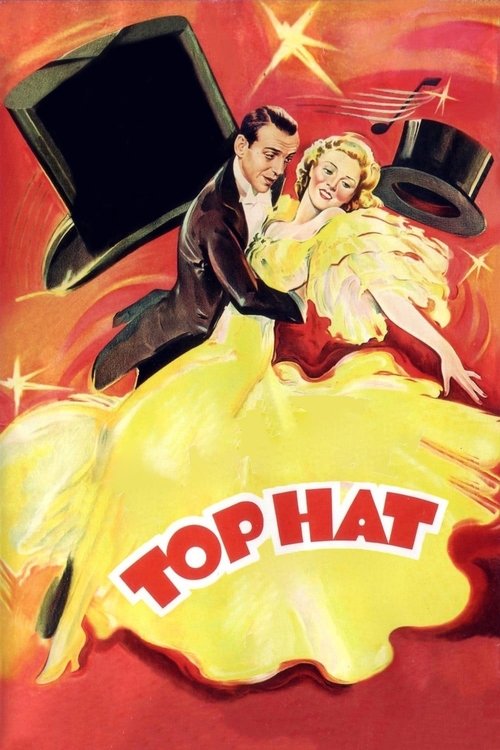
Top Hat1935
The spiritual sequel with Astaire and Rogers at peak form. A jewelled, confident follow-up that takes everything The Gay Divorcee did and refines it into something even glossier. Berlin's score is extraordinary.
But The plot—mistaken identity tangled with a duel—is thinner than tissue paper, and if you don't care about dancing, it grinds to nothing between numbers.
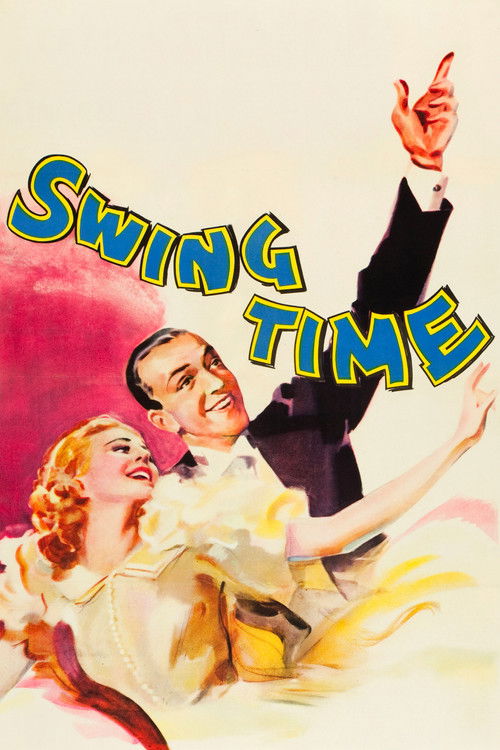
Swing Time1936
The greatest Astaire-Rogers film. A gambler and a dance instructor, genuine emotion threaded through the romance, and a legendary Astaire solo that stops time. Kern and Fields wrote the songs. Everything works.
But At 103 minutes, it's the longest of their collaborations, and the plot occasionally lurches to accommodate dancing rather than the other way around.
Singin' in the Rain1952
Gene Kelly and Donald O'Connor prove the musical form didn't die with the Depression. The energy is younger, the choreography more athletic, the joy absolutely contagious. The title number alone is worth your evening.
But The tone is lighter and less romantic than The Gay Divorcee. If you want sophistication and wit, this skews toward pure entertainment.

Not sure tonight? Get a pick in a minute, starting from The Gay Divorcee
The wildcard
Something you would not have found on your own.
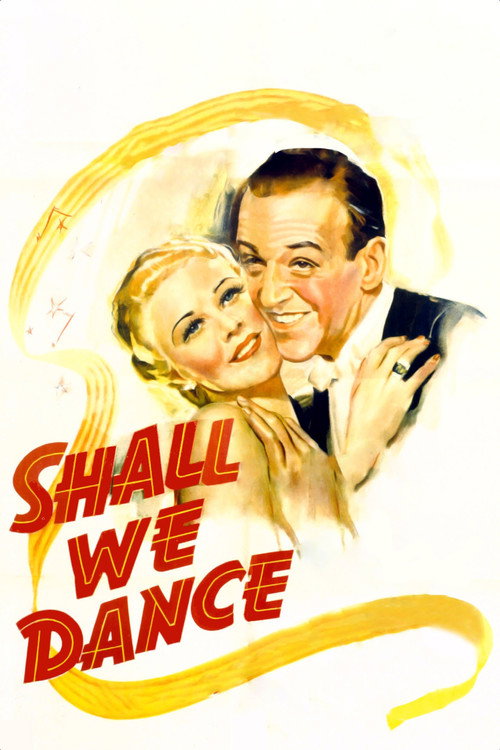
Shall We Dance1937
Both are films where dancing isn't decoration—it's the conversation between two people discovering they understand each other. The plot of The Gay Divorcee is mistaken identity; the plot of Shall We Dance is that they're already soulmates but don't know it yet.
Astaire and Rogers' last great collaboration before their partnership fractured. A composer and a dancer building a romance on the dance floor itself, with a score and choreography that feel like breathing. The title number is rapturous.
But The middle sags badly under a pointless plot about a fake marriage and public gossip. The genius is in the numbers, and the story gets in their way.
More like this (7)
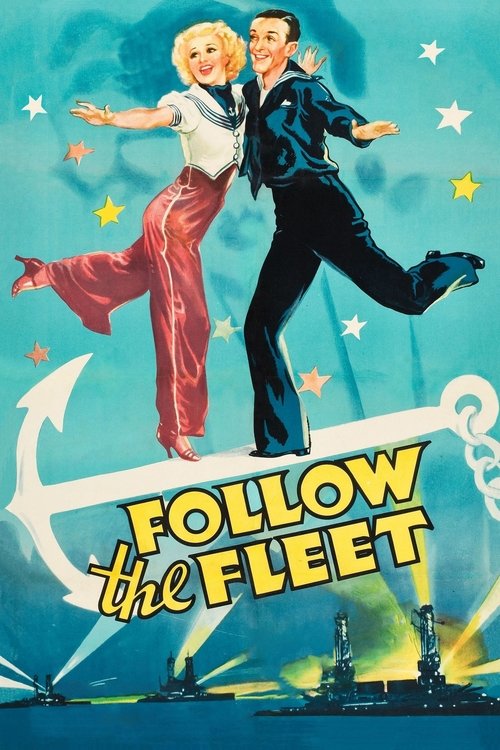
Follow the Fleet1936
Astaire and Rogers reunited, this time as a sailor and a dance-hall girl. It's looser and sweeter than their earlier work, with a more genuinely touching subplot and some of their most inventive numbers.
But The naval setting feels tacked on, and the supporting romance steals focus in ways that dilute what you're really there for.
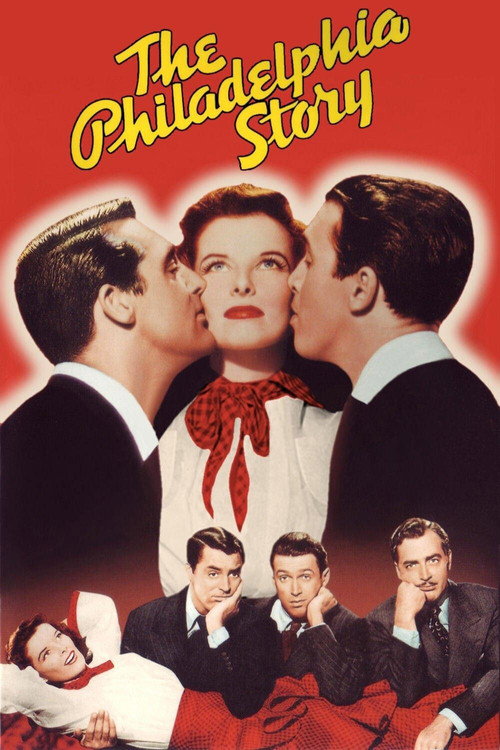
The Philadelphia Story1940
Screwball romance with Cary Grant, James Stewart, and Katharine Hepburn. If you loved the wit and tempo of The Gay Divorcee without the dancing, this is where that energy evolved. Crackling dialogue, real stakes, perfect performances.
But It's more sophisticated and less buoyant than The Gay Divorcee. Some find it precious; others find it remote.
Breakfast at Tiffany's1961
A divorcée of a different era, played by Audrey Hepburn, navigating romance and reinvention in New York. The tone is less frothy but the elegance and the romantic confusion echo The Gay Divorcee across decades.
But It's melancholic where The Gay Divorcee is buoyant. If you want lightness, you won't find it here.

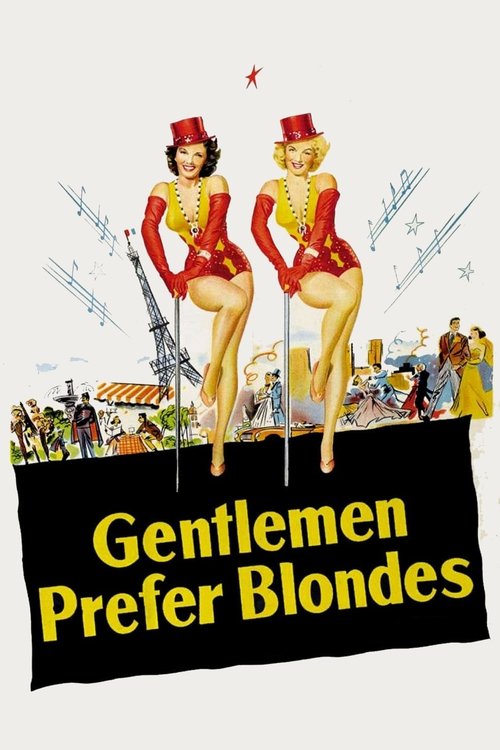
Gentlemen Prefer Blondes1953
Jane Russell and Marilyn Monroe dancing, singing, and scheming their way across Europe. A musical about women on the hunt, with numbers that have the invention and confidence of 1930s cinema but technicolor glamour.
But It's campy in a way The Gay Divorcee never is. Monroe steals the film with presence rather than technique, which isn't for everyone.
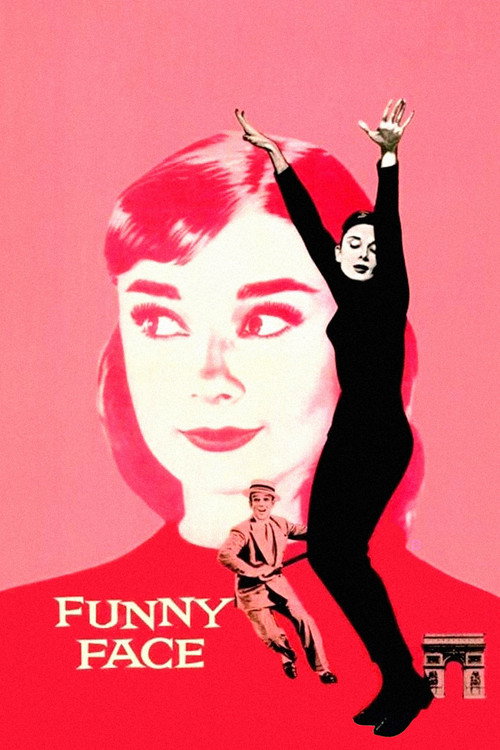
Funny Face1957
Audrey Hepburn and Fred Astaire together at last. A romance between a bookish woman and a photographer, built on dance numbers that prove Astaire could still move magic at sixty. The Paris backdrop is cream on top.
But The age gap is pronounced and uncomfortable by modern standards. The female character exists primarily to be transformed into something the male lead prefers.
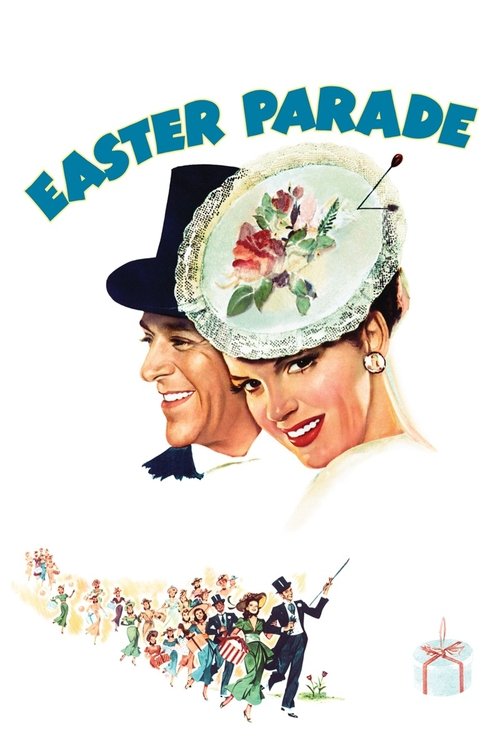
Easter Parade1948
Astaire and Judy Garland dancing through 1912 New York. It's lighter, warmer, and more intimate than his work with Rogers. Garland's charm is different from Rogers'—less sophisticated, more vulnerable.
But Without Rogers' timing and presence, the film sometimes feels like it's moving in place. The plot is thin to the point of vanishing.
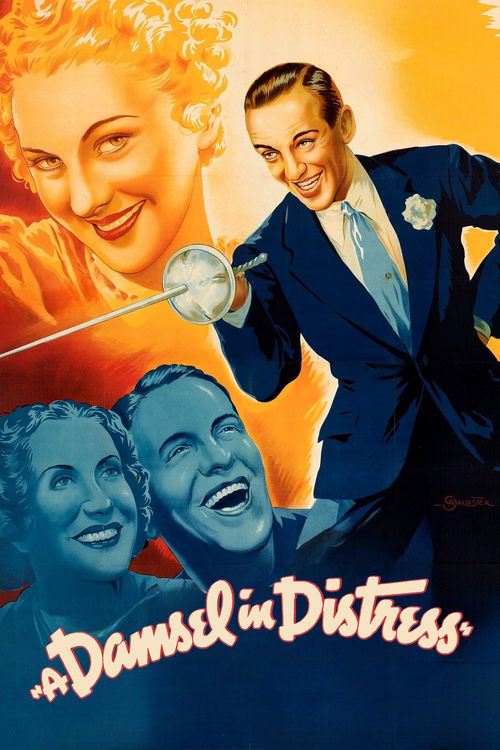
A Damsel in Distress1937
Where The Gay Divorcee uses mistaken identity to force two people together, A Damsel in Distress shows what happens when the dancing partner is absent. It's the inverse: Astaire brilliant but somehow incomplete. The comparison reveals how much of The Gay Divorcee's magic was mutual recognition.
Fred Astaire with Joan Fontaine instead of Rogers, proving he could carry a film even without his perfect partner. The dances are spectacular—especially a solo with George Gershwin conducting. The film is lighter, almost dreamlike.
But Joan Fontaine doesn't dance, so their chemistry exists only in plot and comedy beats. If you want that unique Astaire-Rogers electricity, you'll feel its absence acutely.
People
Cast
 Fred AstaireGuy Holden
 Ginger RogersMimi Glossop
 Alice BradyHortense
 Edward Everett HortonEgbert Fitzgerald
 Erik RhodesRodolfo Tonetti
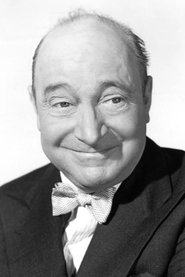 Eric BloreWaiter
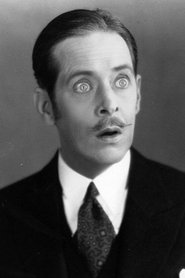 William AustinCyril Glossop
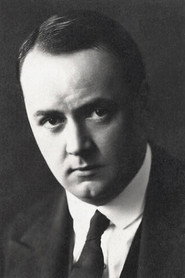 Charles ColemanValet
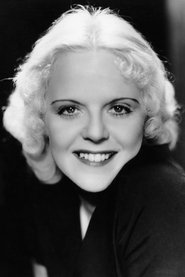 Lillian MilesGuest
 Betty GrableGuest
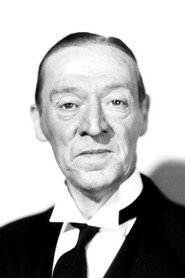 E. E. CliveChief Customs Inspector (uncredited)
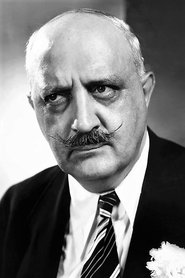 Paul PorcasiFrench Headwaiter (uncredited)
Directing
- Mark SandrichDirector
Writing
- Dwight TaylorBook
- Cole PorterLyricist
- Con ConradLyricist
- Harry RevelLyricist
- Herb MagidsonLyricist
- Mack GordonLyricist
- Dorothy YostScreenplay
- Edward KaufmanScreenplay
- George Marion Jr.Screenplay
Production
- Pandro S. BermanProducer
Recommended by
Top Hat, After the Thin Man, The Love Parade, Follow the Fleet, You Were Never Lovelier, A Damsel in Distress, A Midsummer Night's Dream, Roberta, Flying Down to Rio, Gold Diggers of 1935, The Barkleys of Broadway, Springtime in the Rockies, Broadway Melody of 1940, Brazil, Down Argentine Way, College Humor, Dulhe Raja, Anything Goes, Music in My Heart, Dance Hall, Romance on the High Seas, The Bride Comes Home, If You Could Only Cook, Sing Me a Love Song