
Film
Springtime in the Rockies
- Romantic comedy
- Light-hearted
A Technicolor musical romantic comedy from 1942 starring Betty Grable and Carmen Miranda. Dan chases his estranged dance partner Vicky to a Canadian resort, complications ensue, and there are elaborate production numbers. It's bright, frothy, built entirely to showcase stars and spectacle, perfect for when you want Hollywood glamour without substance.
If you liked this
Singin' in the Rain1952
The gold standard of movie musicals: a story about show business that actually builds to something, with three leads who genuinely connect and dancing that makes you believe in human joy.
But It's 103 minutes and demands you care about the plot. If you want pure spectacle without narrative spine, this will feel like it's making you work.

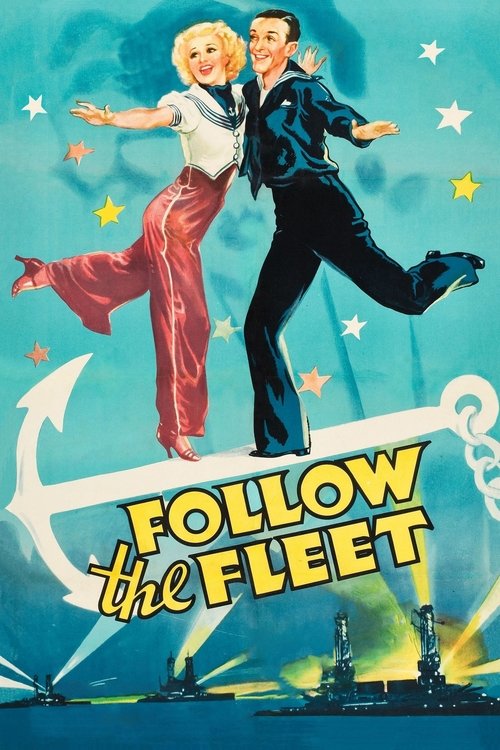
Follow the Fleet1936
Fred Astaire and Ginger Rogers in peak form, with a lighter touch and better-integrated musical numbers. The chemistry between leads actually matters, making the complications feel real rather than decorative.
But Black and white, and the 1930s naval setting feels dated. The plot is gossamer-thin even by period standards.
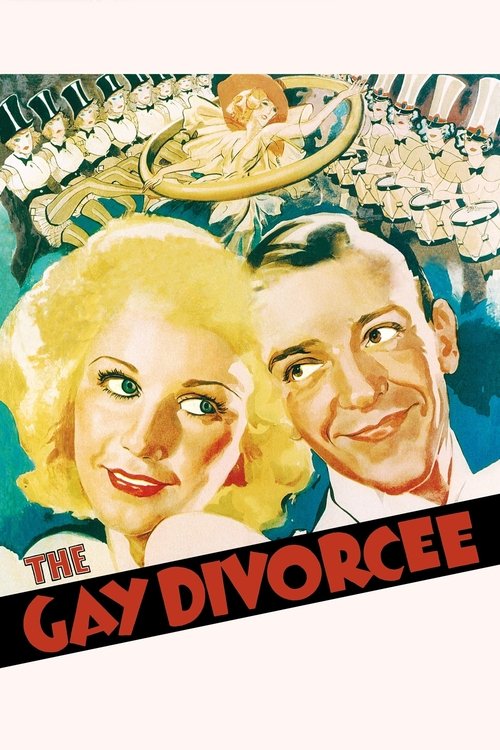
The Gay Divorcee1934
Early Astaire-Rogers perfection: a plot about mistaken identity that justifies the elaborate musical numbers rather than stopping for them. Pure technical brilliance in the dancing.
But Very fast-paced and dialogue-heavy, with comedic rhythms that feel mannered now. You have to adjust to the speed.
Not sure tonight? Get a pick in a minute, starting from Springtime in the Rockies
The wildcard
Something you would not have found on your own.
The Red Shoes1948
Both films climax with elaborate production numbers, but Red Shoes proves those numbers can carry real narrative weight and tragic consequence instead of existing as pure decoration.
The same Technicolor spectacle and obsession with elaborate musical sequences, but deployed toward genuine emotional devastation. Powell and Pressburger understood that dance could express what dialogue cannot—and that beauty can break you.
But It's visually overwhelming and the ballet sequences are long. If you want escapism, the ending is the opposite of that.

More like this (8)
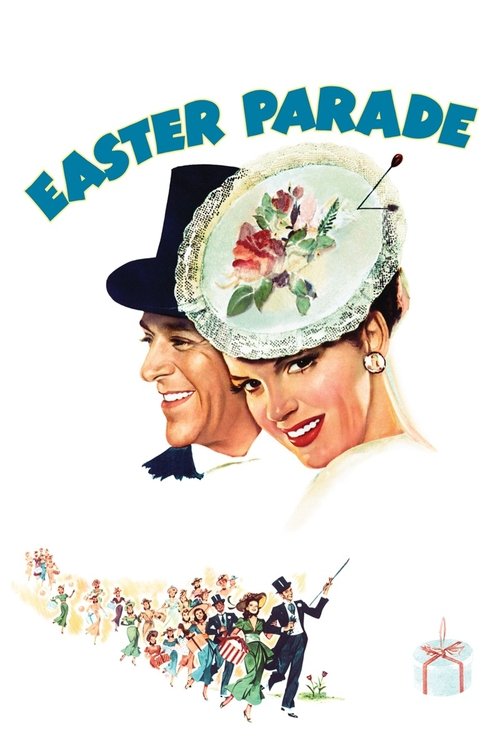
Easter Parade1948
Astaire and Judy Garland bring real warmth to what could be a hollow vehicle. The dance sequences are superbly integrated, and there's genuine affection between the leads underneath the spectacle.
But The resolution feels inevitable once you see where it's going. Some viewers find Garland's scenes slightly underbaked compared to Astaire's.
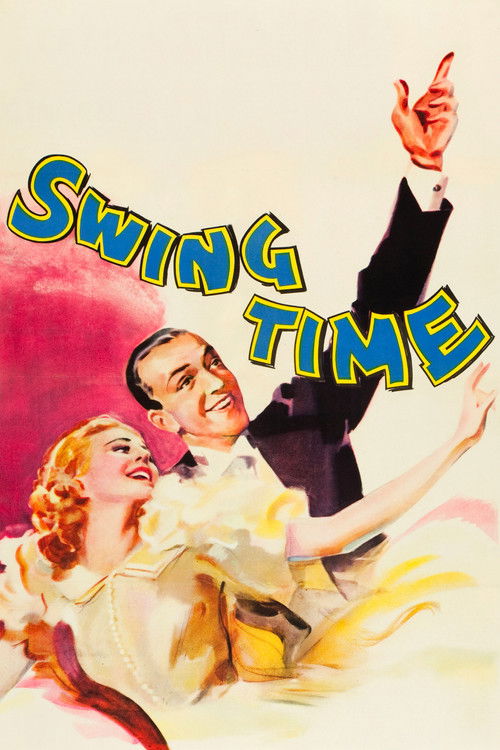
Swing Time1936
Peak technical virtuosity from Astaire and Rogers, with enough plot complications to make the romance feel like it's genuinely at stake. The dancing is breathtakingly inventive.
But It's 103 minutes of plot mechanics dressed as charm. The story doesn't add up and you'll spend time puzzling over what's actually happening.
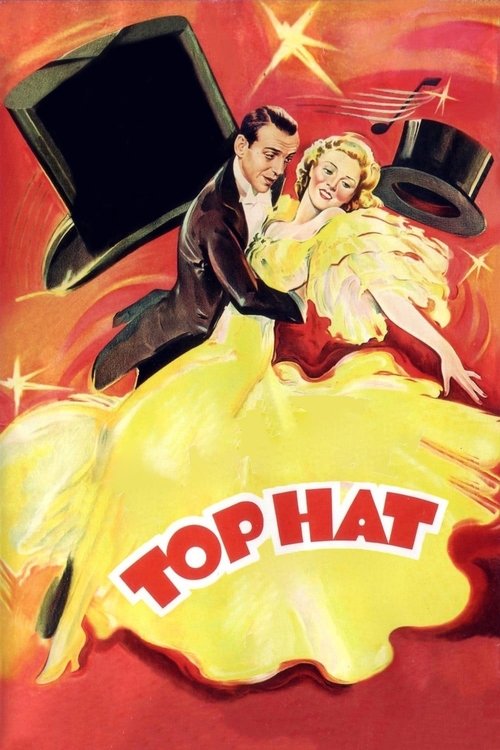
Top Hat1935
Astaire and Rogers in a thin plot that's irrelevant—the real story is watching him pursue her through increasingly elaborate musical sequences. Pure elegance and invention.
But Watching someone pursue a woman who keeps rejecting him for 99 minutes reads differently now. The gender dynamics will bother you if you let them.
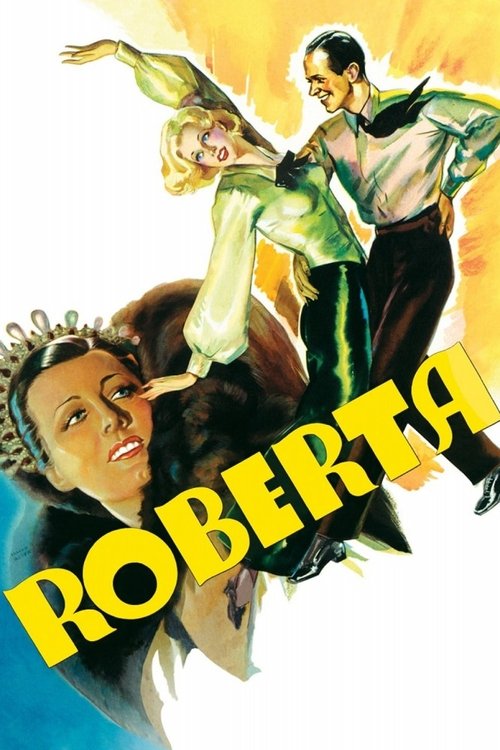
Roberta1935
Fred Astaire and Ginger Rogers in an unexpectedly gentle film about a man inheriting a Paris fashion house. Less bombastic than their other work, with quieter charm between the spectacle.
But It meanders. The fashion-house plot exists only to justify costume changes, and you'll feel the seams show more than in tighter films.
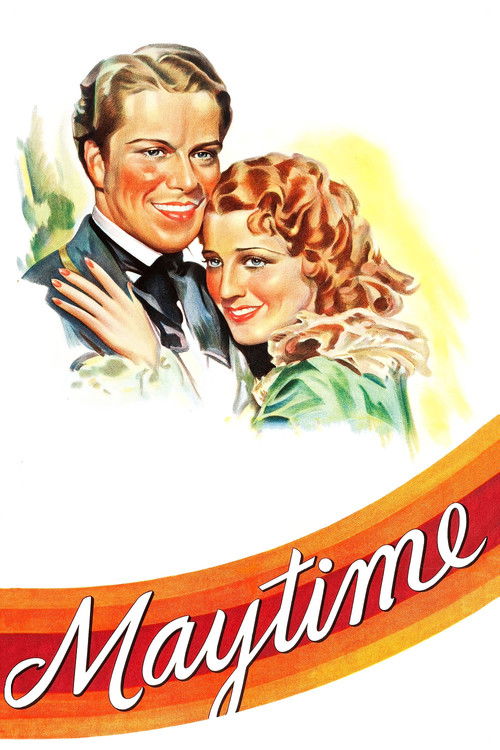
Maytime1937
Nelson Eddy and Jeanette MacDonald in a lavish operetta with genuine romantic longing. If you want Technicolor spectacle with actual emotional weight, this delivers both.
But It's relentlessly earnest about love and sacrifice. The operatic register will feel overwrought if you're looking for lightness.
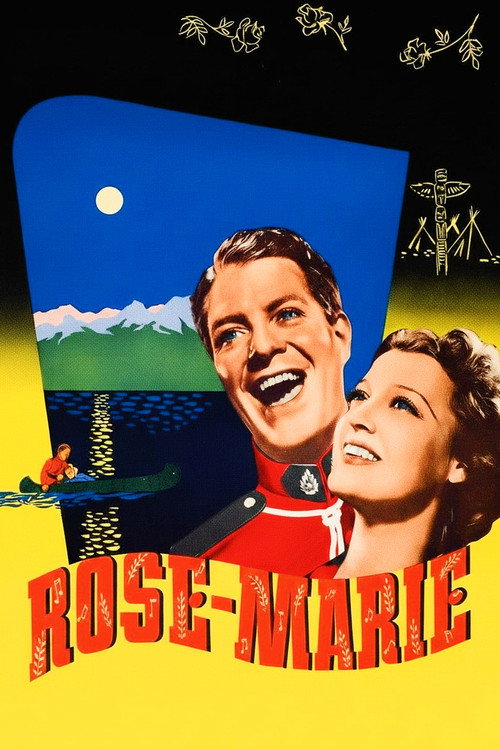
Rose Marie1936
Nelson Eddy and Jeanette MacDonald singing in the Canadian wilderness (close to your film's setting, but far better integrated). Gorging on production value and vocal talent.
But The plot is nearly incomprehensible and the pacing glacial. Modern viewers often find the operetta style more exhausting than enchanting.
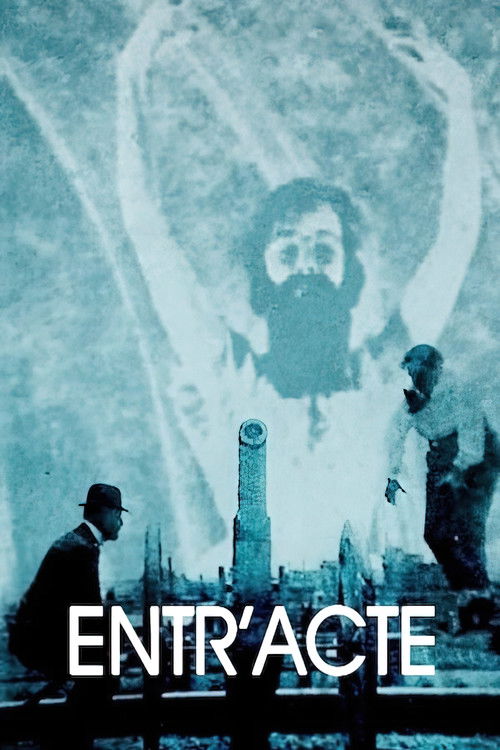
Entr'acte1924
Both films are built around theatrical spectacle and the absurdist logic of show business, but where Springtime is polished, Entracte demolishes the entire concept of making sense.
A completely mad 22-minute Dadaist film by René Clair with ballet, a hearse chase, and total anarchic delight. Pure 1920s absurdism that somehow captures the spirit of theatrical chaos beneath Grable's era.
But It has no plot and no narrative logic. If you need story structure or sense, this will frustrate you immediately and completely.
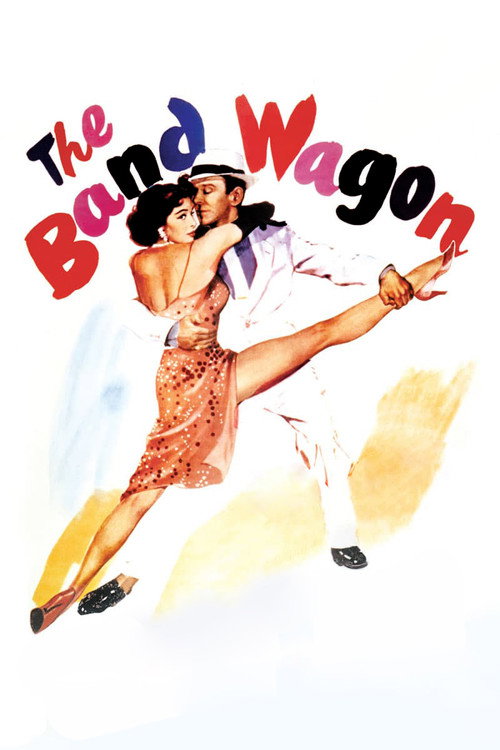
The Band Wagon1953
Both center on show-business couples in crisis, but Band Wagon is interested in what happens when show business stops working—when the spectacle can't fix actual human problems.
Fred Astaire plays an aging song-and-dance man trying to stay relevant. It's gorgeously made and funny about show business, with a script that understands Broadway anxieties and enough dance sequences to satisfy.
But It's a backstage drama wrapped in musical numbers, not pure spectacle. If you want lightweight fun, the melancholy underneath will feel like an intrusion.
People
Cast
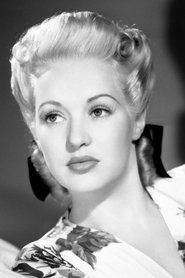 Betty GrableVicky Lane
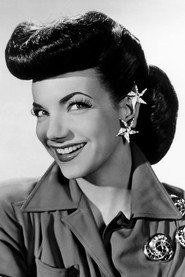 Carmen MirandaRosita Murphy
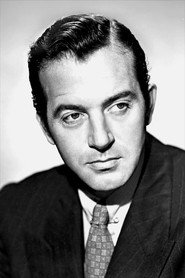 John PayneDan Christy
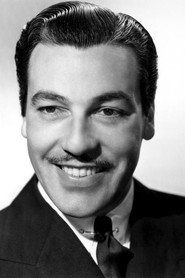 Cesar RomeroVictor Prince
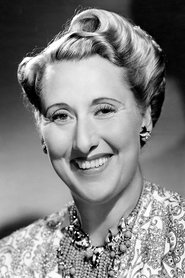 Charlotte GreenwoodPhoebe Gray
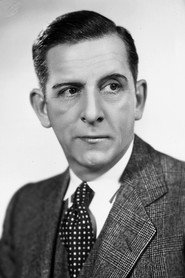 Edward Everett HortonMcTavish
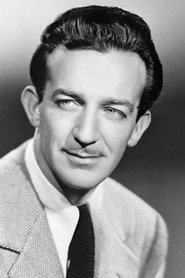 Harry JamesHarry James
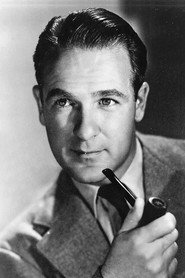 Chick ChandlerStage Manager (uncredited)
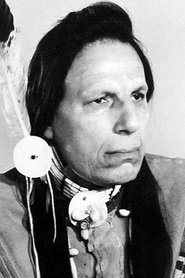 Iron Eyes CodyWhite Cloud (uncredited)
- J.W. CodyRunning Deer (uncredited)
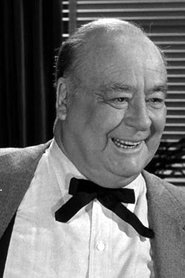 Dick ElliottMr. Jeepers (uncredited)
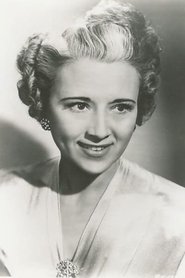 Bess FlowersMrs. Jeepers (uncredited)
Directing
- Irving CummingsDirector
Writing
- Jacques ThéryAdaptation
- Ken EnglundScreenplay
- Walter BullockScreenplay
- Philip WylieStory