
Film
Entr'acte
- Absurdist comedy
- Light-hearted
- Strange
A 22-minute Dada fever dream from 1924 where stop-motion, slow-motion, and live-action collide in a series of absurdist vignettes. Marcel Duchamp plays chess on a rooftop, a camel pulls a hearse, gravity gets negotiable. It's exhilarating, maddening, and over before you can decide what you just watched. Essential for anyone curious about where surrealism came from.
Should you watch it?
Watch it if you love short, anarchic silent cinema that treats logic as a toy, where a chess match, a runaway hearse and a fleeting cannon gag feel like jokes told at a party you wish you had been invited to.
Skip it if you need a story to follow or characters to settle into, since this is a stack of deliberately disconnected images, and its dada absurdity may feel more like a puzzle than a pleasure.
What it asks of you: It runs barely twenty-two minutes, so it asks only a little time, but it wants you alert and willing to let each oddball scene arrive on its own terms without waiting for a plot to join them.
Not sure? Find tonight's pick in a minute.
If you liked this
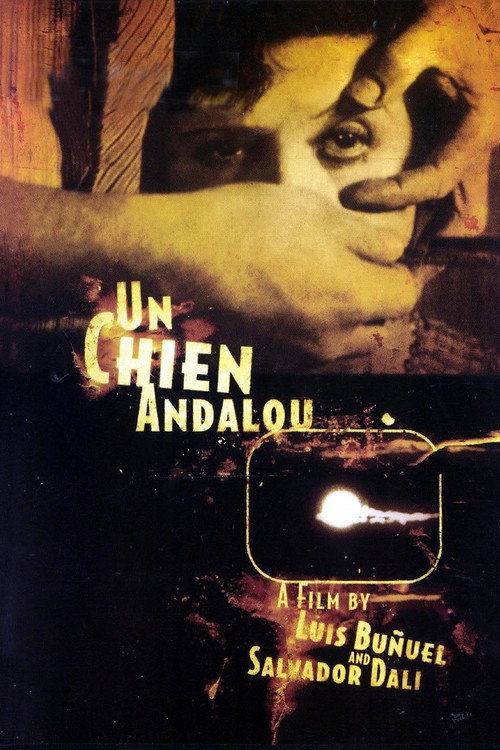
Un Chien Andalou1929
Buñuel and Dalí's 16-minute assault on narrative logic and comfort. Surrealism at its most uncompromising and unforgettable. If you want the next step after Entr'acte, this is it.
But The opening image involves an eye. Not metaphorically. That shock is the whole point, but it's genuinely difficult to unsee.
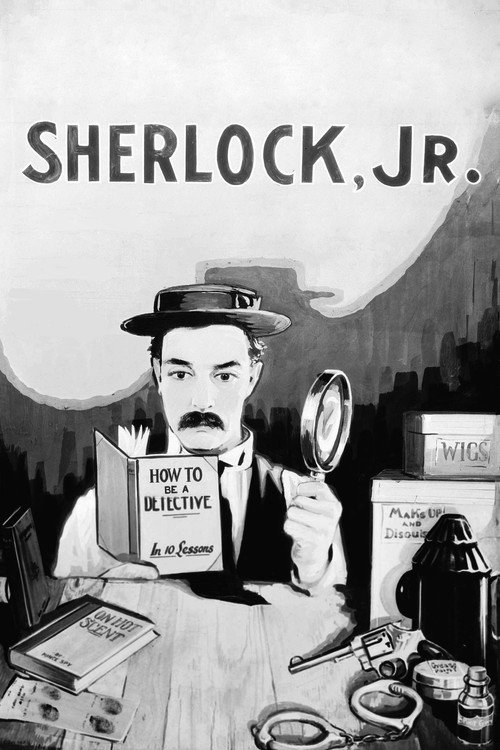
Sherlock Jr.1924
Buster Keaton's masterpiece of physical comedy and impossible camera tricks, made the same year as Entr'acte. A dream-logic plot where Keaton literally steps into a film—pure cinema magic.
But It's silent, and if you're not attuned to Keaton's deadpan genius, the pacing might feel slow rather than hypnotic.
The Cabinet of Dr. Caligari1920
Warped sets, German Expressionism, and genuine dread. A film that looks like a nightmare and moves like one too. The DNA of everything strange in cinema runs through this.
But It's a horror film first and foremost. If you're watching for whimsy, you'll hit genuine unease instead.

Not sure tonight? Get a pick in a minute, starting from Entr'acte
The wildcard
Something you would not have found on your own.
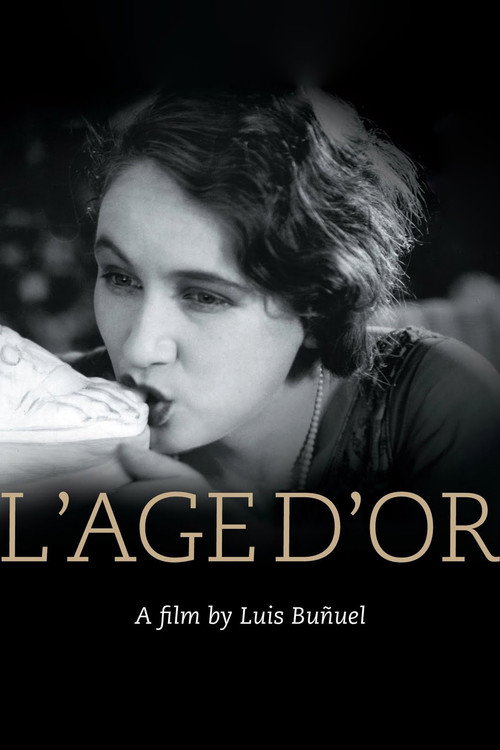
L'Âge d'or1930
Where Entr'acte is anarchic vignettes, this is anarchic narrative—the surrealist impulse given more time and ferocity, same creative lineage but darker ambitions.
Buñuel and Dalí reunited for surrealism's masterpiece: 63 minutes of escalating absurdity, eroticism, and rage against bourgeois propriety. It got banned for decades. Still scandalous, still brilliant.
But It's provocative by design—sexual content, religious mockery, violence. If you want comfort, this film despises you for it.
More like this (8)
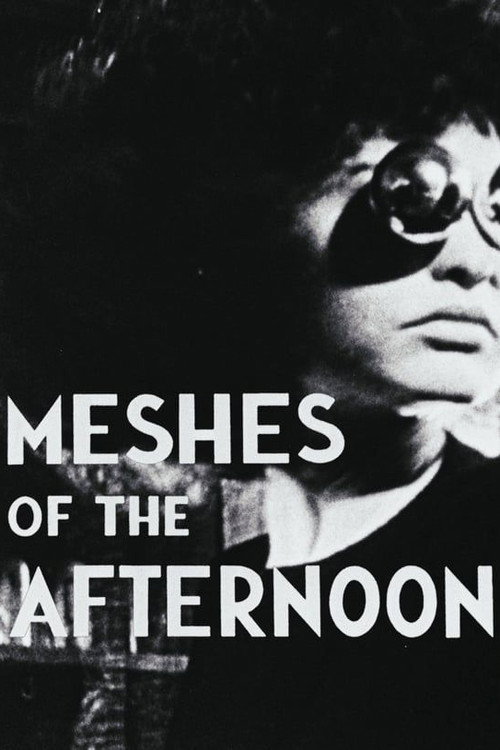
Meshes of the Afternoon1943
Maya Deren's 14-minute experimental masterpiece uses repetition, mirrors, and fractured time to create hypnotic dread. Dada's descendant, speaking a more intimate language.
But Experimental doesn't mean fun. This is meditative and demanding, without dialogue or conventional narrative.
The Phantom Carriage1921
A Swedish film about death, redemption, and guilt told through stunning double-exposure effects. Visually inventive in ways that still surprise, with real emotional weight underneath.
But It's 90 minutes and melodramatic by modern standards. The earnestness might read as overwrought if you're in the wrong mood.

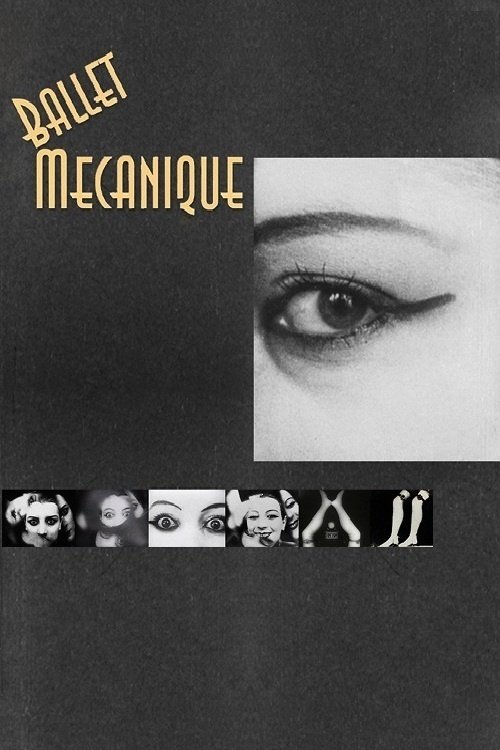
Ballet Mécanique1924
Fernand Léger's rhythmic collision of everyday objects, bodies, and machine parts. Another 1924 experimental film that shares Entr'acte's playful surrealism but with a more geometric, musical approach.
But No narrative, no characters, no payoff—just images and rhythm. If you need a story, this will frustrate you.
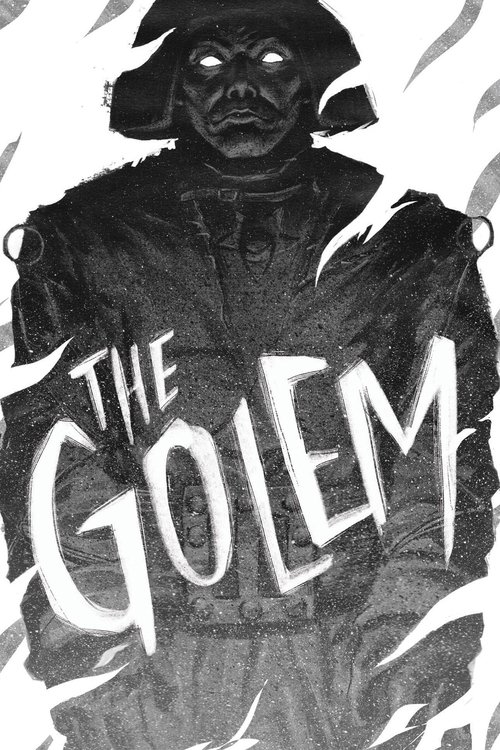
The Golem: How He Came into the World1920
German Expressionist horror with genuine atmosphere and craft. A creature film made with real sets and clever effects that still hold power. Spooky without relying on jump scares.
But The pacing is deliberate and the print quality variable. Patience required for payoff that's more unsettling than thrilling.
The Lodger: A Story of the London Fog1927
Hitchcock's directorial breakthrough: a suspense thriller where the camera itself becomes a character. Innovative, tense, and surprisingly modern in how it builds paranoia through pure cinema.
But It's a thriller disguised as an experimental film, so if you hate suspense, the craft won't matter.

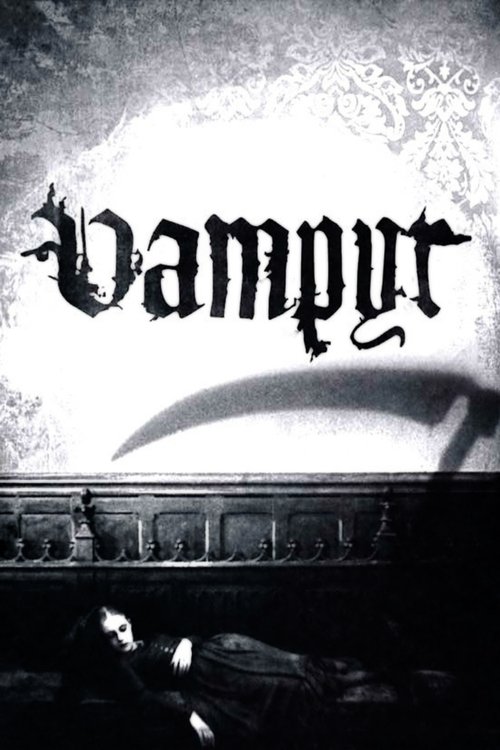
Vampyr1932
Carl Theodor Dreyer's dreamlike vampire film. Strange, slow, hypnotic—it treats the supernatural with poetic dread rather than spectacle. Influence on every art-house horror film after.
But Very slow. The plot is deliberately obscure. If you want clarity or action, you'll spend 75 minutes frustrated.
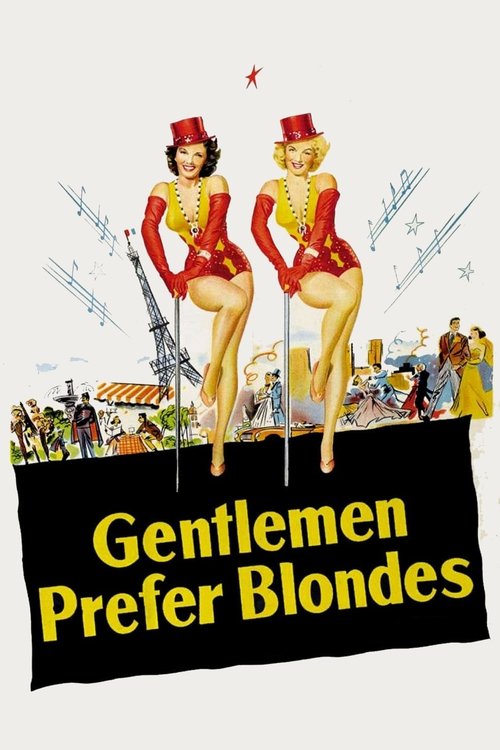
Gentlemen Prefer Blondes1953
Both are 22-ish minutes of dizzying spectacle designed to overwhelm logic with style. Entr'acte does it through avant-garde chaos; this does it through glamorous performance. Same engine, opposite register.
Carol Channing in the stage musical, filmed live. The inverse of silent film: all song, performance, and spectacle on a stage. Jane Russell's duet is everything. Pure joy in motion.
But If you think musicals are schmaltz, or if you need cinematic realism, the theatrical artifice will read as dated and arch.
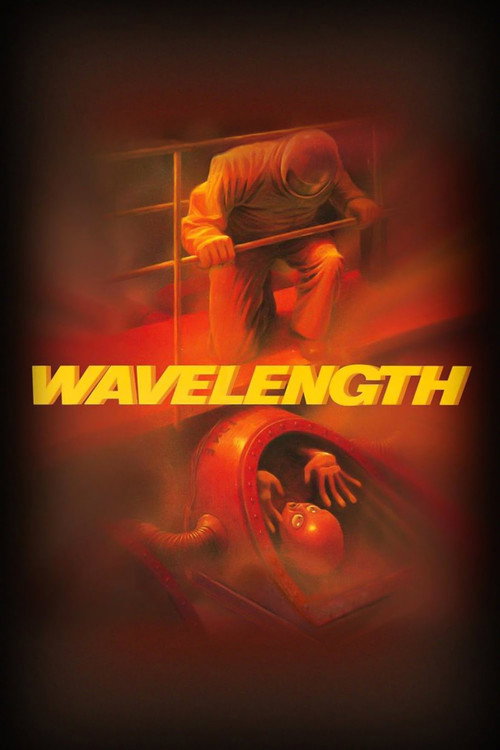
Wavelength1983
Both tear apart what a film is supposed to be, but where Entr'acte attacks through chaos and gags, Wavelength does it through radical constraint. Opposite methods, same anarchist goal.
Michael Snow's 45-minute zoom into a room. A structural experiment that sounds like a joke until you watch it and realize it's hypnotic, meditative, genuinely profound about perception itself.
But It's a single camera move and a room. If you need incident or character, you'll spend 45 minutes waiting for something to happen that never will.
People
Cast
- Jean BörlinHunter / Magician
- Inge FrïssBearded ballet dancer
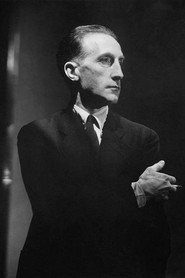 Marcel DuchampChess player, black set
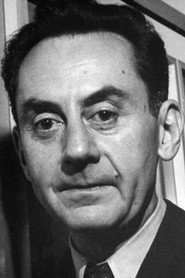 Man RayChess player, white set
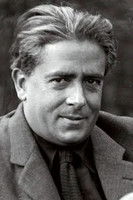 Francis PicabiaA man loading the cannon
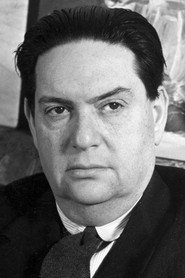
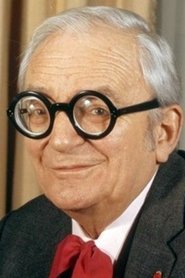 Marcel AchardA man following the hearse (uncredited)
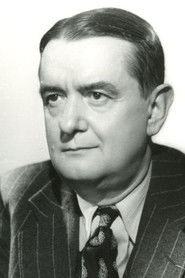 Georges AuricA man following the hearse (uncredited)
- Georges CharensolA man following the hearse (uncredited)
- Georges LacombeA man following the hearse (uncredited)
- Roger Le BonA man following the hearse (uncredited)
- Jean MamyA man following the hearse (uncredited)
Directing
- René ClairDirector
Writing
- René ClairAdaptation
- Francis PicabiaScreenplay
Production
- René ClairProducer
- Rolf de MaréProducer
Recommended by
The Secret Life of Walter Mitty, The South, The Invasion of Thunderbolt Pagoda, Springtime in the Rockies, Anemic Cinema, Sarvam Thaala Mayam