
Film
L'Âge d'or
Buñuel's surrealist masterpiece is a rapid-fire assault of desire, absurdity, and social constraint. A man and woman desperately in love are sabotaged by family, clergy, and society itself. It's hilarious, disturbing, and hypnotic—a dream logic that feels more true than realism. For anyone who wants cinema to unsettle and exhilarate.
Should you watch it?
Watch it if you enjoy surrealist provocation that treats logic as a toy, with sudden jolts of anarchic humour and images that refuse to explain themselves.
Skip it if you want a story that builds steadily toward a payoff; this one moves in loose, abrupt episodes and can feel like a string of dares rather than a narrative.
What it asks of you: It runs barely an hour and asks you to surrender to its dream logic, following fragments rather than a plot, with few handholds and a willingness to unsettle.
Not sure? Find tonight's pick in a minute.
If you liked this
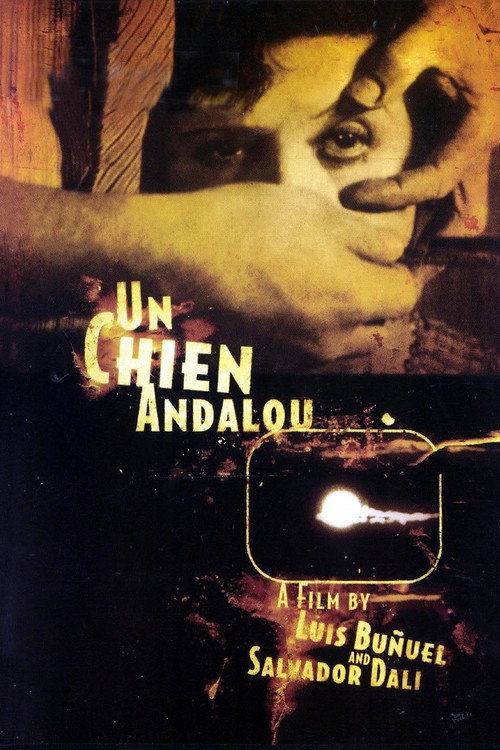
Un Chien Andalou1929
Buñuel and Dalí's 16-minute hallucination is cinema's most visceral avant-garde statement. If you loved L'Âge d'or's visual syntax, this is where it was born—even more uncompromising.
But It's genuinely difficult viewing. The eyeball scene has haunted audiences for a century, and there's no narrative to hold onto.
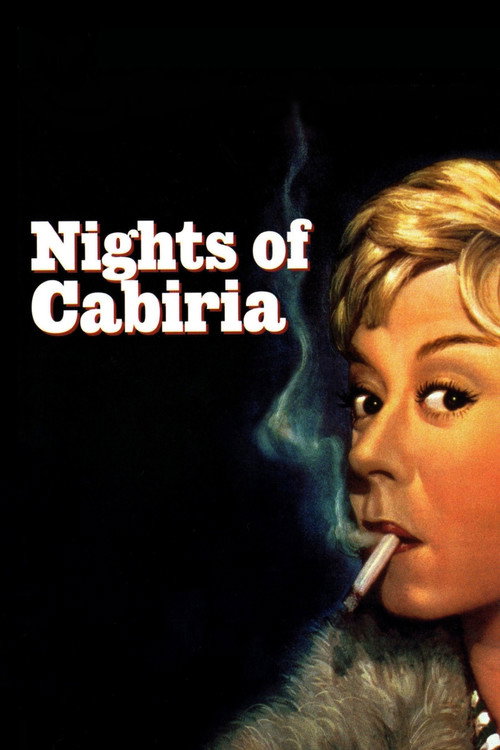
Nights of Cabiria1957
Fellini captures the same desperate longing beneath urban chaos, but with more warmth. A woman searching for love in Rome's underworld, gorgeously shot, tender and wise.
But It's slower, more lyrical. If you want Buñuel's confrontational bite, this trades it for compassion.
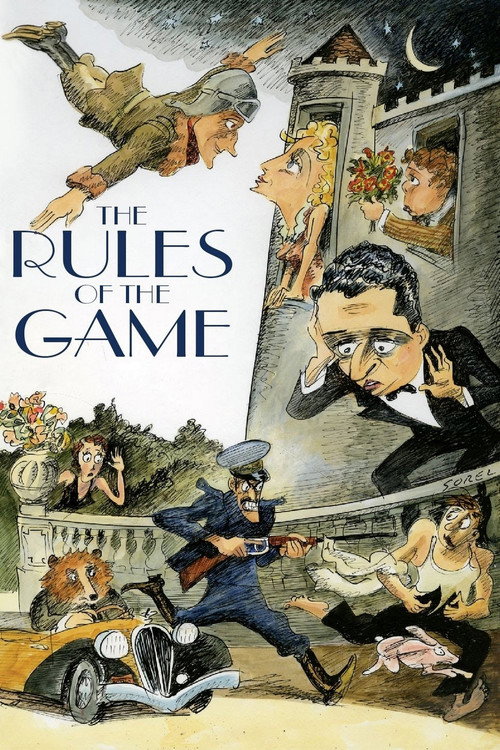
The Rules of the Game1939
Renoir's panoramic comedy about desire and social ritual across a country estate. Interlocking plots, real tenderness, real cruelty—the greatest film about human chaos ever made.
But It's 110 minutes and the plot requires patience. Some find it detached rather than moving.
Not sure tonight? Get a pick in a minute, starting from L'Âge d'or
The wildcard
Something you would not have found on your own.
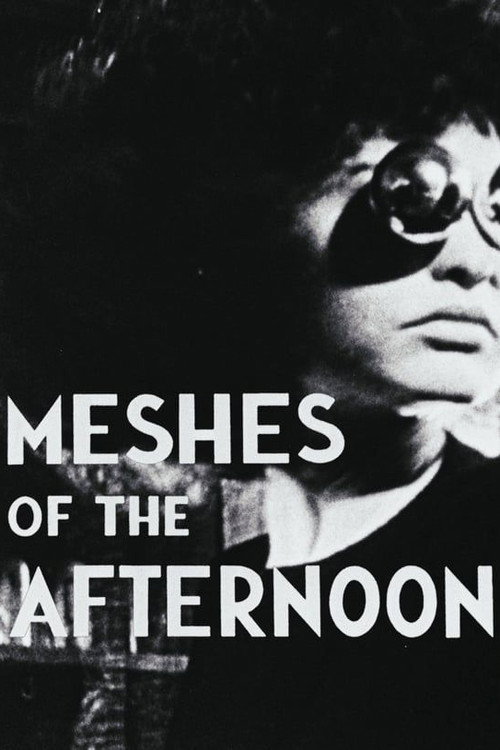
Meshes of the Afternoon1943
Both films use surrealist form to trap their protagonist in loops of thwarted desire; both collapse dream and waking life. But Deren strips away Buñuel's social satire and digs into pure psychological dissolution.
Maya Deren's 14-minute experimental film predates and parallels Buñuel's dream logic—a woman trapped in a recursive nightmare of her own desire. Hand-held camera, no dialogue, pure visual poetry about entrapment.
But It's extremely abstract and deeply interior. No plot, no dialogue, no concessions to conventional viewing. Some find it pretentious rather than moving.
More like this (8)
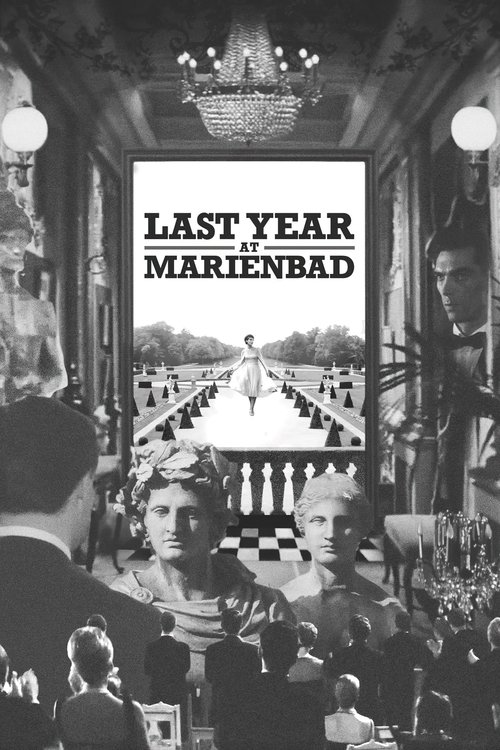
Last Year at Marienbad1961
Resnais builds a dream-logic puzzle where memory, desire, and reality collapse into each other. Hypnotic and infinitely interpretable, like Buñuel seen through a funhouse mirror.
But It's deliberately elliptical and offers no resolution. If you need narrative clarity, this will frustrate you.
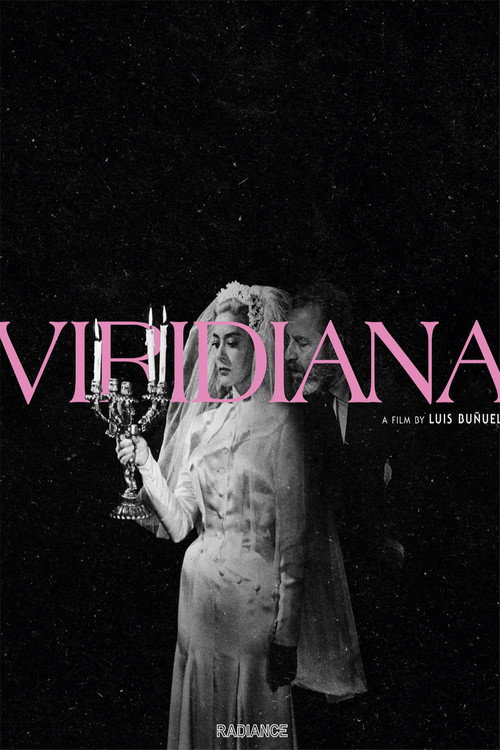
Viridiana1962
Buñuel himself, directing this time. A young novice returns home and chaos erupts. Darker than L'Âge d'or, shot like documentary, structurally devastating. Pure Buñuel genius.
But It's genuinely bleak. There are scenes of real degradation; Buñuel offers no comfort.
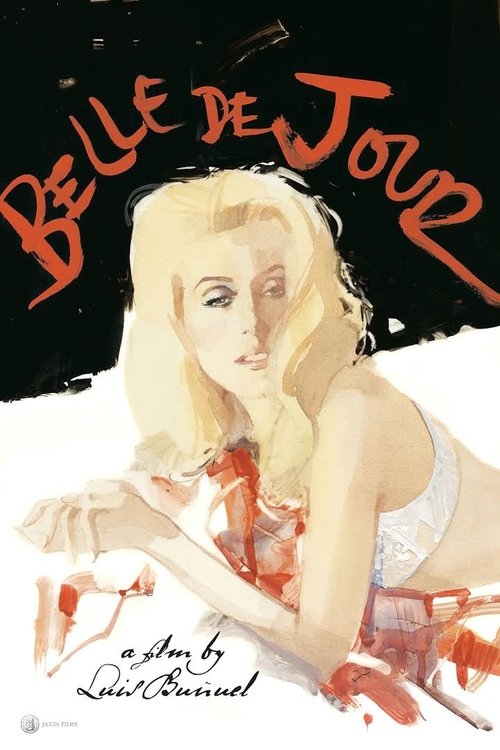
Belle de Jour1967
Buñuel again, examining desire and repression through a housewife's secret afternoon life. Formally precise, erotically charged, psychologically haunting.
But The plot twist divides viewers; some feel manipulated. It's also sexually explicit for 1967, and some finds that distancing.
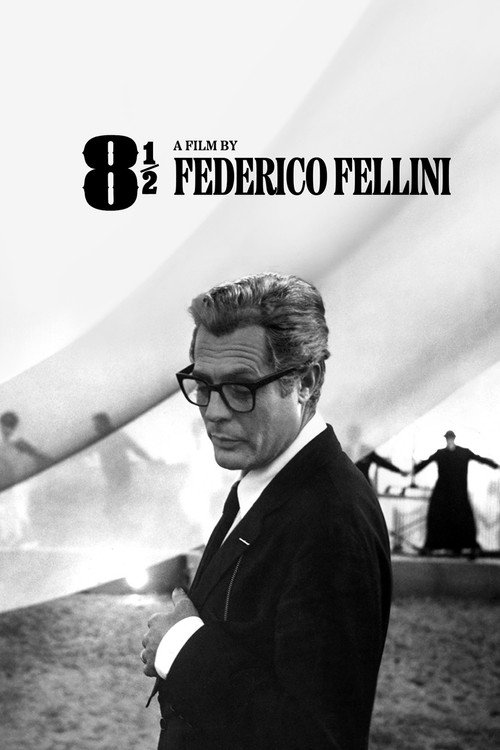
8½1963
Fellini's dreamscape of a director's fractured mind, where desire and creation swirl together. Visually stunning, mournfully funny, fundamentally about longing.
But It's abstract and self-absorbed. If you want external plot, you'll find it indulgent.
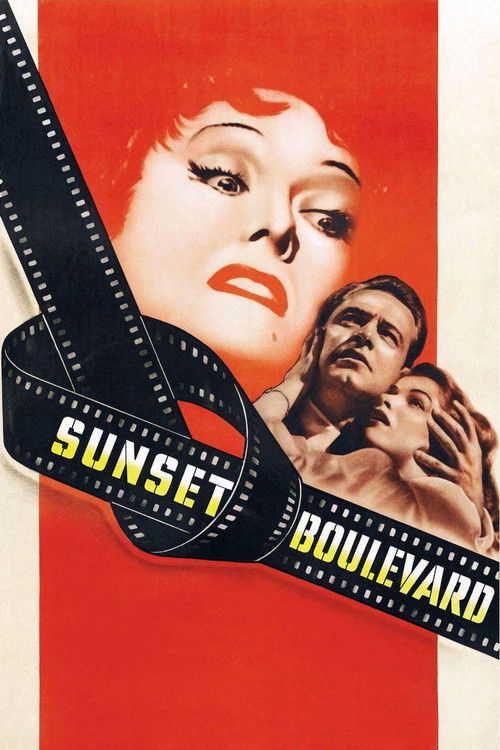
Sunset Boulevard1950
Wilder's noir about obsession and delusion in Hollywood, told by a dead man. Pitch-black comedy about the cost of desire, gorgeously composed.
But It's cynical to the bone. Some find it too bleak, and the pacing is different from surrealism—it's classical narrative.
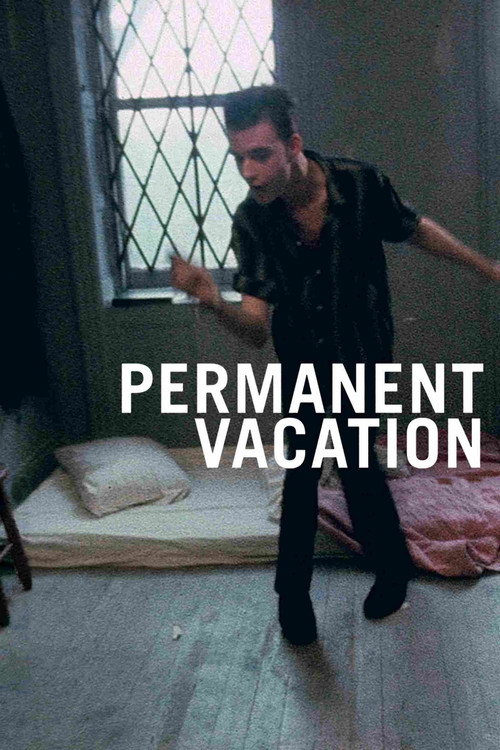
Permanent Vacation1981
Jarmusch's debut: a young man drifts through New York unable to connect, deadpan and philosophical. Captures ennui and isolation with sparse poetry.
But Nothing happens. It's slow, cryptic, and deliberately anti-narrative. You need patience for atmosphere over incident.
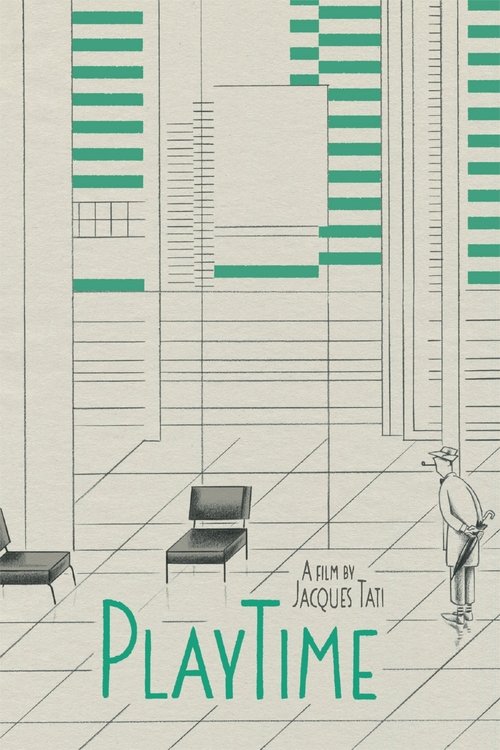
PlayTime1967
Both use absurdism to critique modern society's indifference to human desire. Tati does it through comedy and design where Buñuel uses provocation and dreams.
Tati's vast, wordless comedy about a man lost in a hypermodern Paris. It's a city-sized visual gag—Buñuel's social sabotage recast as slapstick architecture. Funny, sad, ingenious.
But It's 124 minutes of observation with minimal plot and sparse dialogue. It moves sideways, not forward. Patience is mandatory; some find it glacial.
Jeanne Dielman, 23, quai du Commerce, 1080 Bruxelles1976
Where Buñuel shows desire thwarted by society, Akerman shows society invisibly structured around the body's routines. Both films make the hidden machinery visible, but Akerman's method is patient observation rather than surrealist revolt.
Chantal Akerman's three-hour portrait of a woman's daily routine—cooking, cleaning, sex work—shot in real time. Radical and tender. It makes the domestic visible and dignified in ways that reframe everything about desire and labor.
But It's nearly experimental in its refusal to be cinematic. Long static shots of mundane acts. If you watch it for drama or narrative, you will hate it. Requires active, meditative attention.

People
Cast
 Gaston ModotThe Man
 Lya LysThe Woman
- Caridad de LaberdesqueMarquise' Chambermaid / Girl at Blangis' Castle
- Max ErnstBandit Leader in the Hut
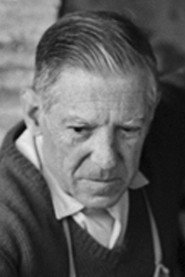 Josep Llorens ArtigasGovernor
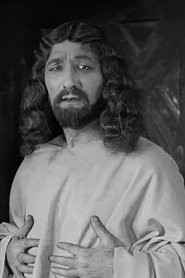 Lionel SalemDuke of Blangis
- Germaine NoizetMarquise of X
- DuchangeOrchestra Conductor
- Bonaventura IbáñezMarquis of X
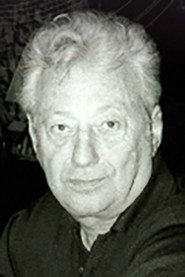 Jean AurencheBandit (uncredited)
 Jacques BruniusPasser-by in the Street (uncredited)
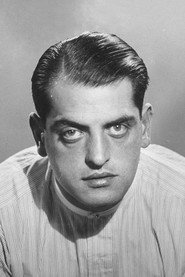 Luis Buñuel(uncredited)
Directing
- Claude HeymannAssistant Director
- Jacques BruniusAssistant Director
- Luis BuñuelDirector
Writing
- Marquis de SadeNovel
- Luis BuñuelScreenplay
- Salvador DalíScreenplay
Production
- Le Vicomte de NoaillesProducer
- Marie-Laure de NoaillesProducer
- Jeanne RucarProduction Assistant
- Jean GastaldiUnit Manager