
Film
The Dancer of Paris
A 1926 silent drama about ambition and desire in Paris's glittering underworld. The Dancer of Paris moves with the fluid grace of early cinema at its most confident, balancing melodrama with genuine human complexity. It's for anyone who loves silent film's economy of gesture and the particular ache of stories told without words.
If you liked this
Sunrise: A Song of Two Humans1927
Murnau's masterpiece about temptation and redemption unfolds with the same visual poetry and moral weight. A man lured from his wife into the city's glittering trap mirrors the central conflict of desire versus duty.
But At 95 minutes with intertitles, it demands patience and a willingness to read rather than passively watch.

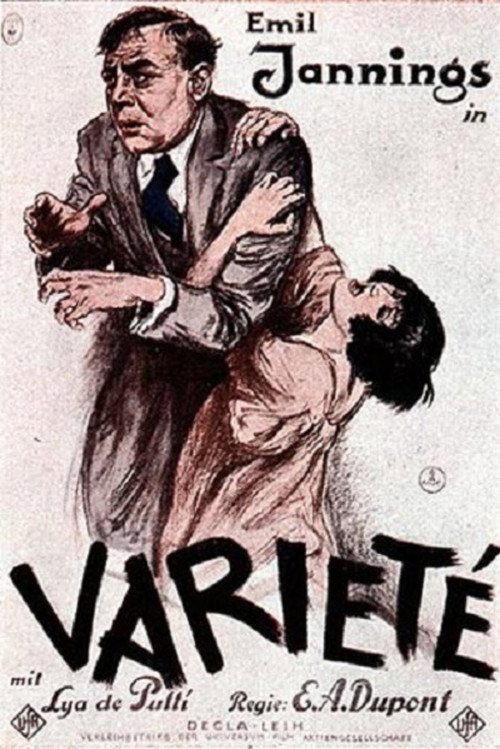
Variety1925
Another Berlin backstage drama with the same smoky atmosphere and focus on performers caught between ambition and survival. The trapeze sequences offer kinetic thrills that feel genuinely dangerous.
But The plot is thin and the pacing occasionally glacial by modern standards.
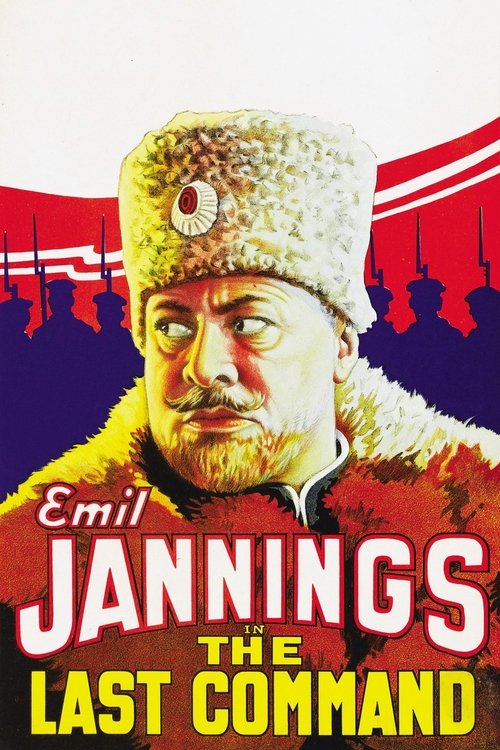
The Last Command1928
Emil Jannings in a portrait of desperation and faded glory in Hollywood. It shares that bittersweet fascination with performers and the price of fame, with Jannings delivering a performance of extraordinary subtlety.
But The romantic subplot feels tacked on and distracts from what makes it valuable.
Not sure tonight? Get a pick in a minute, starting from The Dancer of Paris
The wildcard
Something you would not have found on your own.
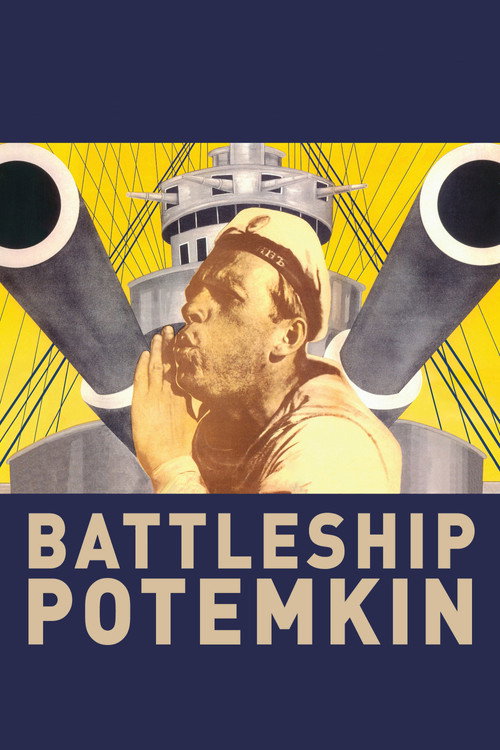
Battleship Potemkin1925
Both use the visual grammar of 1920s cinema to explore desire and social position, but where The Dancer invites you into interiority, Potemkin demands you witness collective force.
Eisenstein's revolutionary montage technique means every frame carries meaning. It's about collision and power and the body in space—a completely different language for cinema, spoken with absolute mastery.
But It's political propaganda and formally austere. If you want narrative and character, this will feel abstract and cold.
More like this (8)
The Phantom Carriage1921
Sjöström's Swedish masterpiece haunts in ways that purely dramatic scenes cannot. Its blend of supernatural dread with intimate human tragedy creates an emotional register that lingers.
But The second half becomes more explicitly moral and preachy, softening its earlier power.

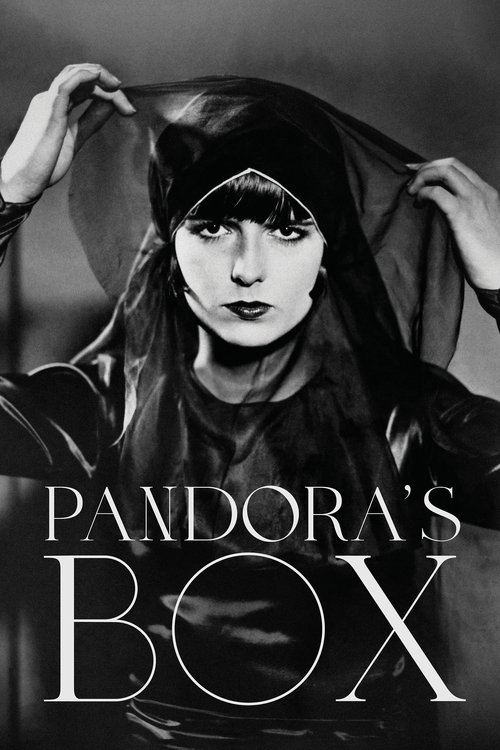
Pandora's Box1929
Pabst's final silent masterpiece with Louise Brooks as the embodiment of destructive desire. The film moves with hypnotic speed toward its tragic conclusion, every frame precisely calibrated.
But The sexual politics are of their era and will feel remote or uncomfortable to modern viewers.
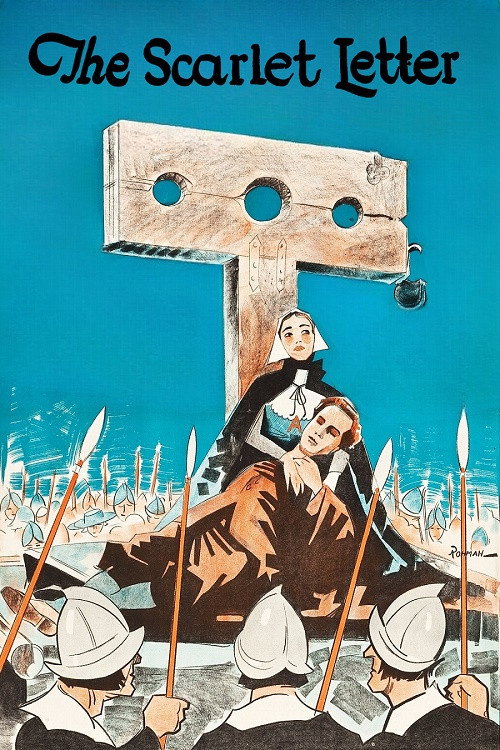
The Scarlet Letter1927
Lillian Gish in Sjöström's adaptation captures the same intensity of feeling expressed through restraint and nuance. The Puritan setting allows for moral complexity without moralizing.
But Adapting Hawthorne means the psychological depths of the novel necessarily flatten into plot.
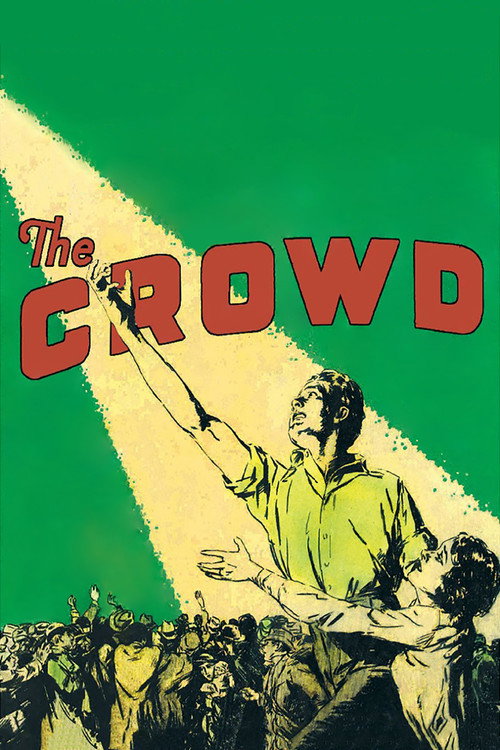
The Crowd1928
Vidor's portrait of ordinary urban life anticipated neorealism by two decades. It finds tragedy and dignity in the mundane with a directness that feels almost modern.
But The tonal shifts between comedy and genuine despair can feel jarring and unresolved.
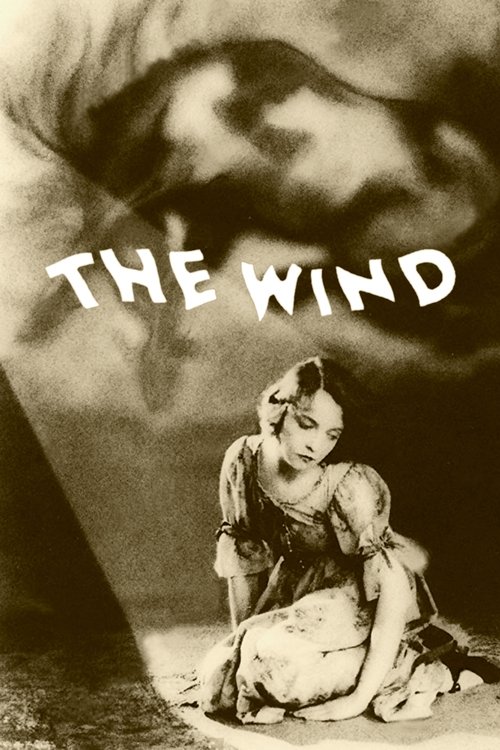
The Wind1928
Sjöström again, and again magnificent—a woman driven to the edge by isolation and desire on the frontier. The mounting dread is purely visual and utterly effective.
But It's relentlessly grim and offers no comfort, which some will find punishing rather than cathartic.
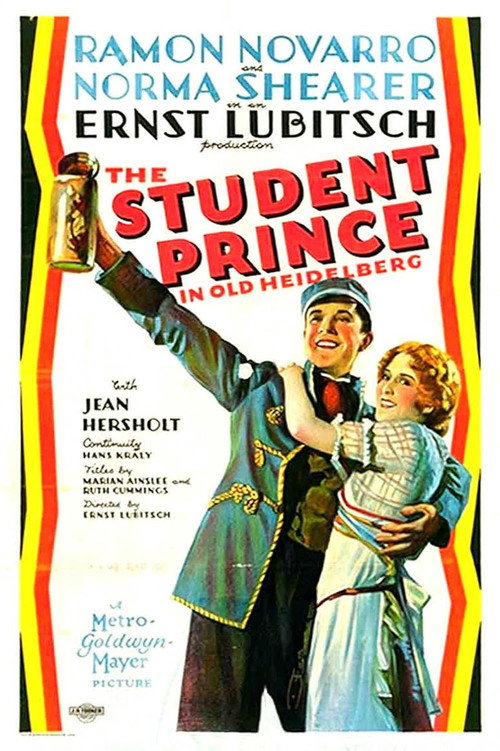
The Student Prince in Old Heidelberg1928
Lubitsch's romantic comedy proves that silent cinema could be as deft with sophisticated emotion as with spectacle. The restraint and wit feel almost modern.
But If you're looking for the kind of emotional weight The Dancer of Paris carries, this will feel frivolous.
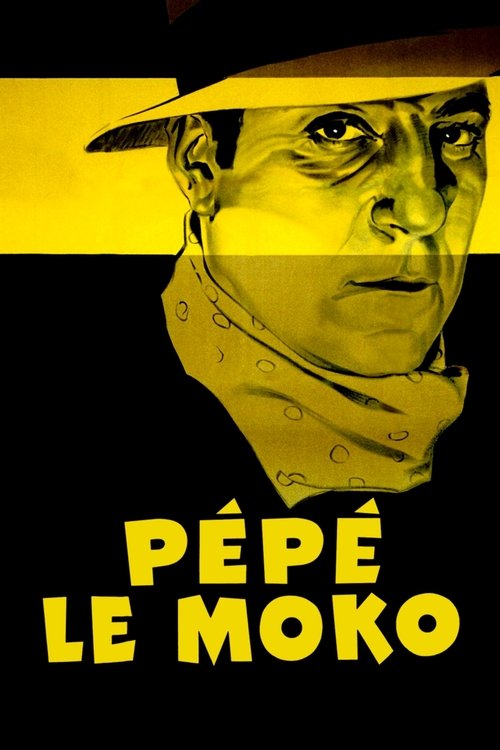
Pépé le Moko1937
Same Paris, same Parisian underworld, same story of desire leading a man to his doom—but told in a different era and medium, showing how the story evolved.
This French crime drama about a gangster trapped in the Casbah became the template for all later films noir. Gabin's performance is modern—vulnerable and trapped in ways that feel psychologically real.
But It's 11 years later and in sound, which some purists reject. The plot, while tight, is familiar if you've seen any noir that followed.
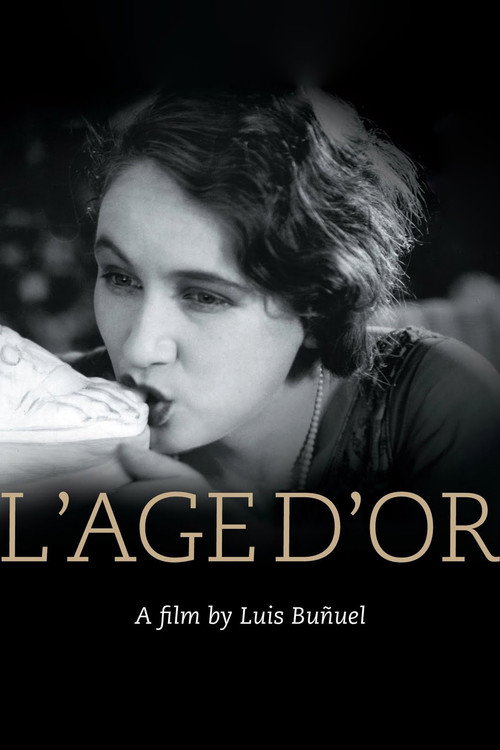
L'Âge d'or1930
Both films grapple with desire as a force that destroys social order, but where The Dancer presents it as tragedy, Surrealism celebrates it as liberatory chaos.
Buñuel and Dalí's surrealist provocation turns desire and society's rules into pure visual assault. It's bewildering and sometimes grotesque, but never boring, and it explains where cinema could go beyond narrative.
But It's deliberately offensive, utterly plotless, and demands you tolerate being unsettled without the reward of understanding. Not for viewers seeking coherence.
People
Cast

Directing
- Alfred SantellDirector
Writing
- Michael ArlenStory