
Film
The Student Prince in Old Heidelberg
A silent-era romantic drama where a young prince finds love and freedom away from court duty in Heidelberg. Lush, earnest, and swept up in the intoxication of youth and impossible passion. For anyone drawn to the visual storytelling of early cinema or the particular ache of star-crossed romance played with real conviction.
Should you watch it?
Watch it if you love old-fashioned melodrama played with big gestures and sighing restraint, where a student's romance is a gentle ache rather than a plot engine.
Skip it if you expect snappy dialogue, since its courtship unfolds at a lingering pace across 106 minutes and its sentiment and stagy pageantry can feel dated.
What it asks of you: Settle in for a leisurely stretch of an hour and three-quarters, where long silences and expressive faces do the talking and the mood stays wistful rather than brisk.
Not sure? Find tonight's pick in a minute.
If you liked this
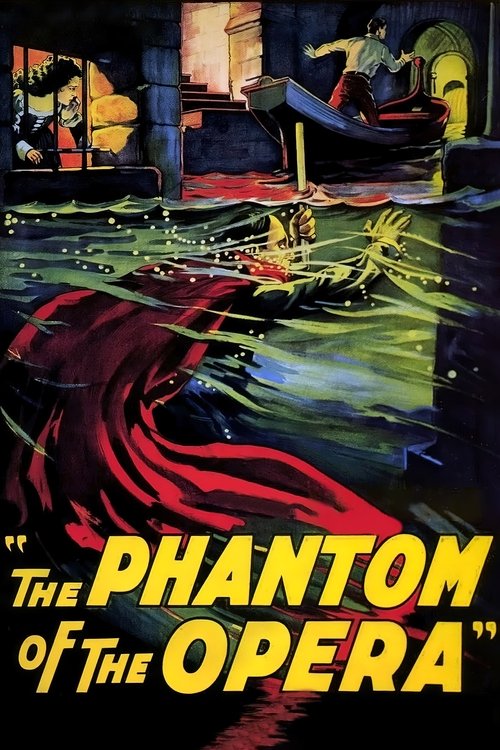
The Phantom of the Opera1925
Lon Chaney's virtuoso silent performance and the Gothic visual splendor create an unforgettable nightmare. One of silent cinema's masterpieces, proof that emotion translates perfectly without dialogue.
But The pacing feels glacial by modern standards, and Chaney's makeup, while stunning, can read as grotesque rather than sympathetic on first viewing.
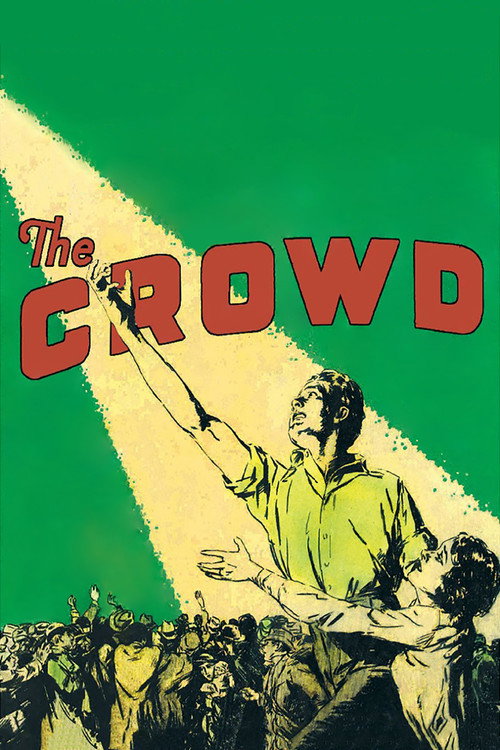
The Crowd1928
King Vidor's achingly intimate portrait of ordinary life—love, ambition, disappointment, small joys. Silent cinema at its most emotionally direct and human-scaled.
But It's deliberately unglamorous and ends on a note of quiet resignation rather than triumph, which won't satisfy anyone wanting escapism.
Sunrise: A Song of Two Humans1927
F.W. Murnau's visual poetry about temptation, redemption, and marriage reaches levels of formal beauty and emotional complexity that still astonish. A silent film for people who think they don't like silent films.
But Some sequences are slow-burn; you have to surrender to the rhythm rather than expect plot momentum to carry you.

Not sure tonight? Get a pick in a minute, starting from The Student Prince in Old Heidelberg
The wildcard
Something you would not have found on your own.
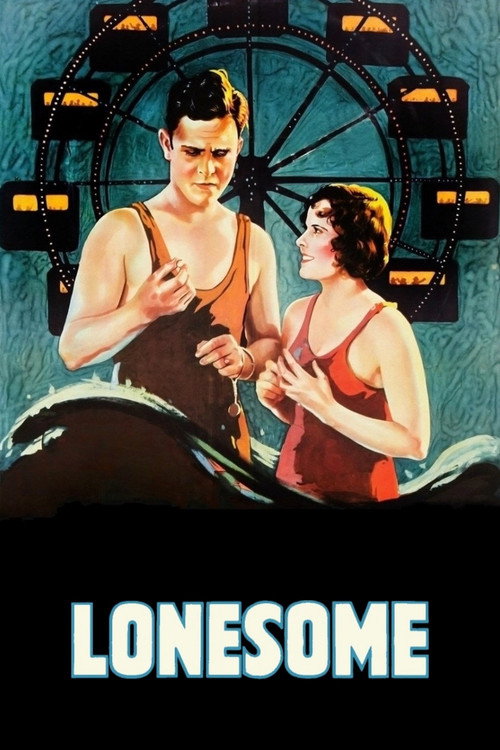
Lonesome1928
Both explore the collision of duty (or circumstance) with desire, but Lonesome is intimate and city-bound where Student Prince is courtly and tragic. Same emotional engine, radically different register.
A silent film about two strangers in New York who spend one day together and fall in love, told with extraordinary tenderness and loneliness. Borzage captures urban isolation and small-scale human connection with a poet's eye. Later sequences shift into early color stock, which feels startlingly intimate.
But The plot is virtually nonexistent—it's purely mood and character. If you need narrative propulsion, you'll find it shapeless and thin.
More like this (6)
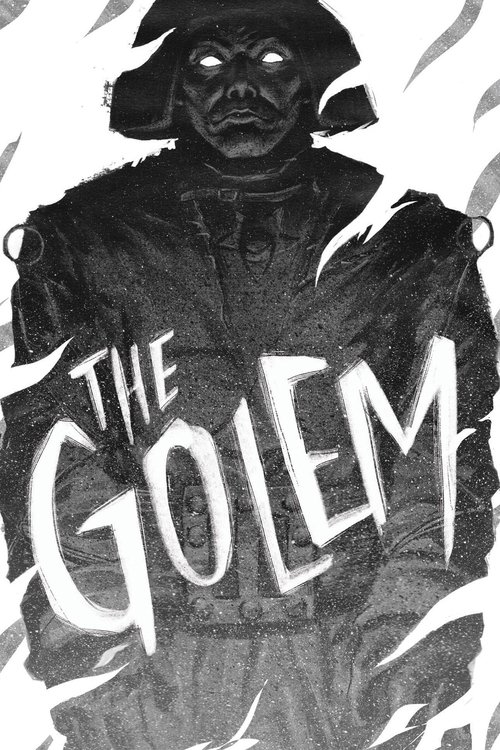
The Golem: How He Came into the World1920
A Expressionist marvel about a creature brought to life in old Prague. Visually stunning, eerie, and technically groundbreaking—influential on everything that followed.
But The pacing is very deliberate, and the story logic operates on dreamlike rather than rational principles, which frustrates some viewers.
Battleship Potemkin1925
Eisenstein's revolutionary montage techniques make this political drama viscerally powerful. The Odessa Steps sequence alone justifies the watch; it rewired how cinema could convey emotion.
But It's a propaganda film with an explicit political agenda, and if Soviet revolutionary ideology actively bothers you, the message won't fade into the background.

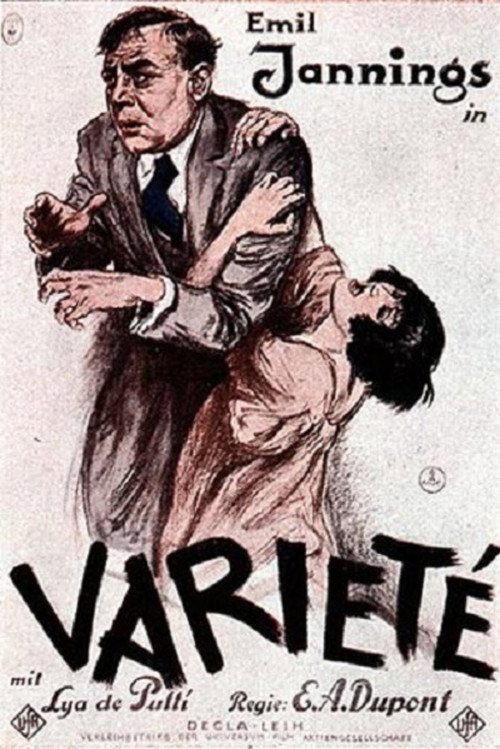
Variety1925
A gritty Berlin story of circus performers, betrayal, and passion shot with dazzling camera work. Murnau's visual inventiveness makes melodrama feel revelatory.
But The plot hinges on sexual jealousy and infidelity; if you want something lighter, this isn't it. Also genuinely hard to find in good prints.
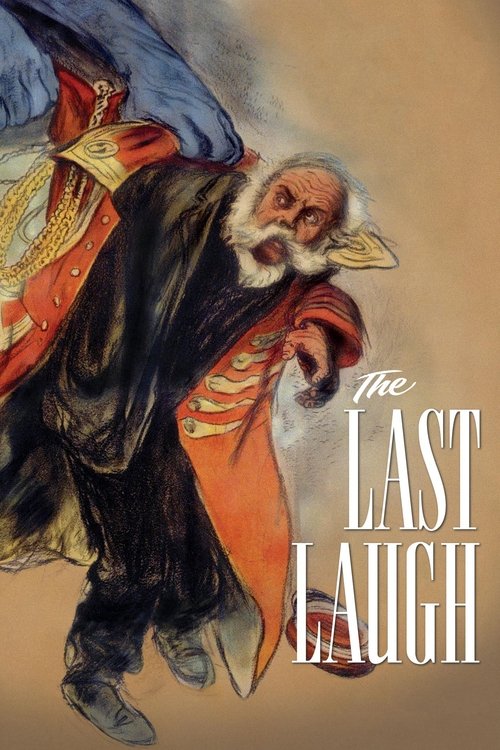
The Last Laugh1924
Emil Jannings gives a heartbreaking performance as a hotel doorman watching his status crumble. Murnau's camera moves and compositions do all the storytelling—a masterclass in visual narrative.
But The ending feels artificially tacked on and undermines everything preceding it. The film's final minutes blatantly contradict its emotional arc.
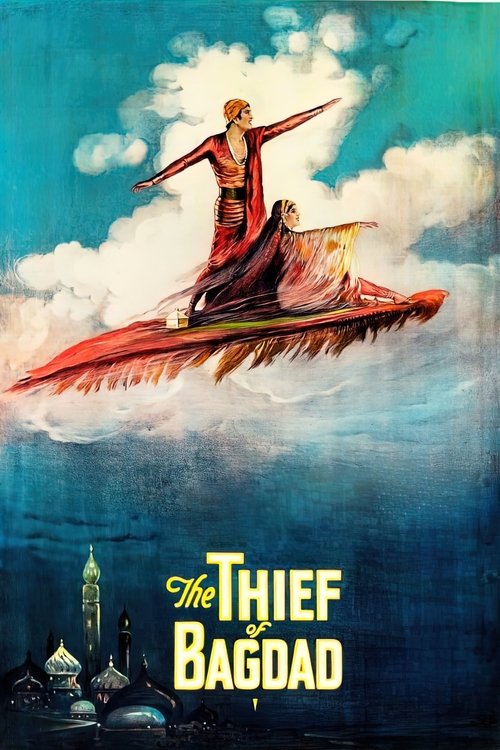
The Thief of Bagdad1924
Douglas Fairbanks in a dazzling fantasy of romance and adventure, bursting with imagination and practical magic. Pure joy and spectacle—proof that silent spectacle still captivates.
But It's entirely plot-driven and doesn't traffic in subtext; if you prefer psychological depth to swashbuckling, you'll find it slight.
Nosferatu1922
Max Schreck's vampire remains genuinely eerie, and Murnau's Expressionist compositions create dread through imagery alone. A foundational horror film that still unsettles.
But It's slow and atmospheric rather than viscerally scary by modern standards, and the ending feels hurried. Also very much a product of Weimar anxieties about disease and sexuality.

People
Cast
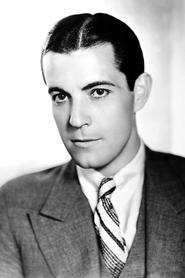 Ramon NovarroPrince Karl Heinrich
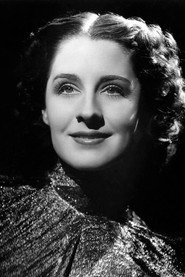 Norma ShearerKathi
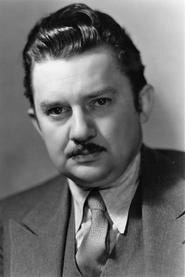 Jean HersholtDr. Jüttner
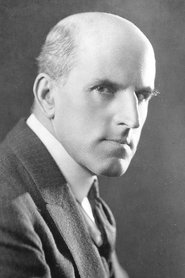 Gustav von SeyffertitzKing Karl VII
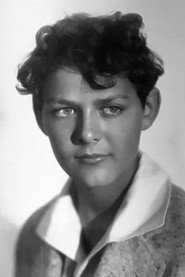 Philippe De LacyHeir Apparent
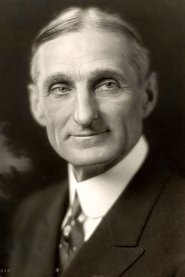 Edgar NortonLutz
- Bobbie MackKellermann
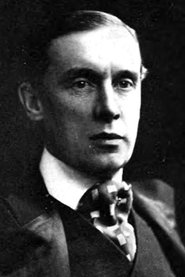 Edward ConnellyCourt Marshal
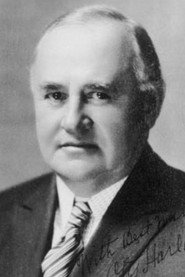 Otis HarlanOld Ruder
- John S. PetersStudent
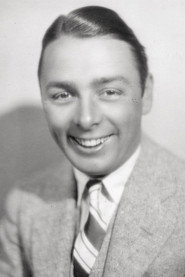 George K. ArthurDrunk Student (uncredited)
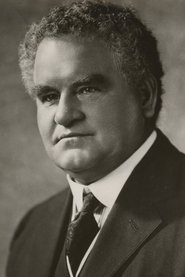 Lionel BelmoreStout Student (uncredited)
Directing
- Ernst LubitschDirector
Writing
- Karl HeinrichNovel
- Wilhelm Meyer-FörsterNovel
- Wilhelm Meyer-FörsterTheatre Play
Production
- Irving ThalbergExecutive Producer
- Ernst LubitschProducer
Recommended by
The Desert Song, The Dancer of Paris, Kismet, Viennese Nights, The Love of Sunya