
Film
Nosferatu
F.W. Murnau's unauthorised, uncredited Dracula adaptation is where vampire cinema actually starts: rat-faced, clawed, utterly wrong-looking Count Orlok, shadows crawling up staircases on their own, a plague ship drifting into harbour. Silent, scratchy, sometimes tinted, it moves slowly by modern clocks but builds a genuine dread through composition alone. For anyone curious where the whole genre's visual grammar came from.
If you liked this
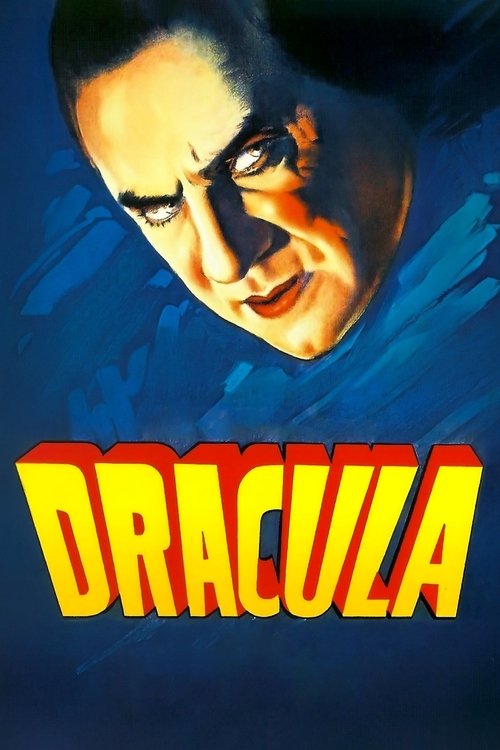
Dracula1931
Bela Lugosi's Count is the other foundational vampire, all velvet menace and hypnotic stare, made almost simultaneously with sound instead of shadows doing the talking.
But Stagey and stiff by today's standards, with long dialogue-heavy stretches that feel more theatre than cinema.
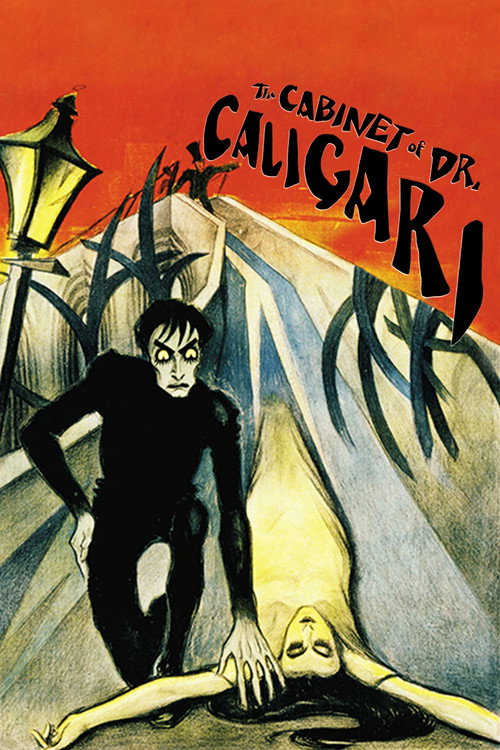
The Cabinet of Dr. Caligari1920
The German Expressionist film that taught Murnau his tricks — jagged painted sets, warped perspective, a somnambulist doing someone else's bidding. Pure nightmare logic.
But Deliberately artificial visuals and a twisty structure can feel more like a museum piece than a scare.
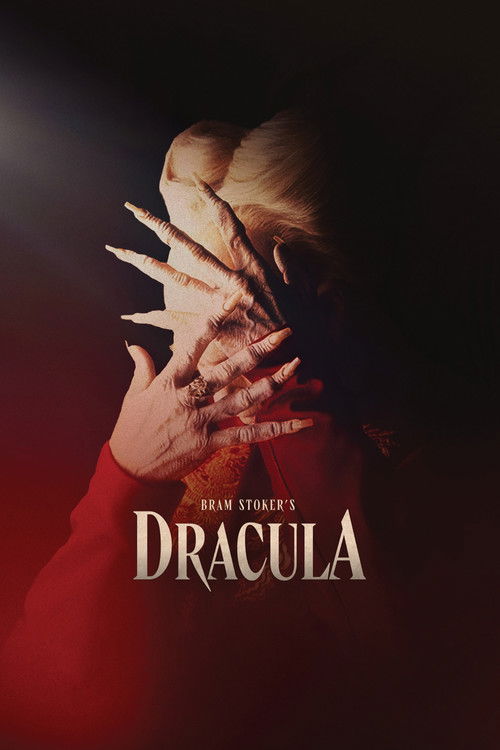
Bram Stoker's Dracula1992
Coppola throws the novel's full gothic excess at the screen — swooning romance, extravagant costumes, in-camera effects that still look uncanny. Lush where Nosferatu is spare.
But Overripe performances and maximalist style might feel like too much after the original's austerity.
The wildcard
Something you would not have found on your own.
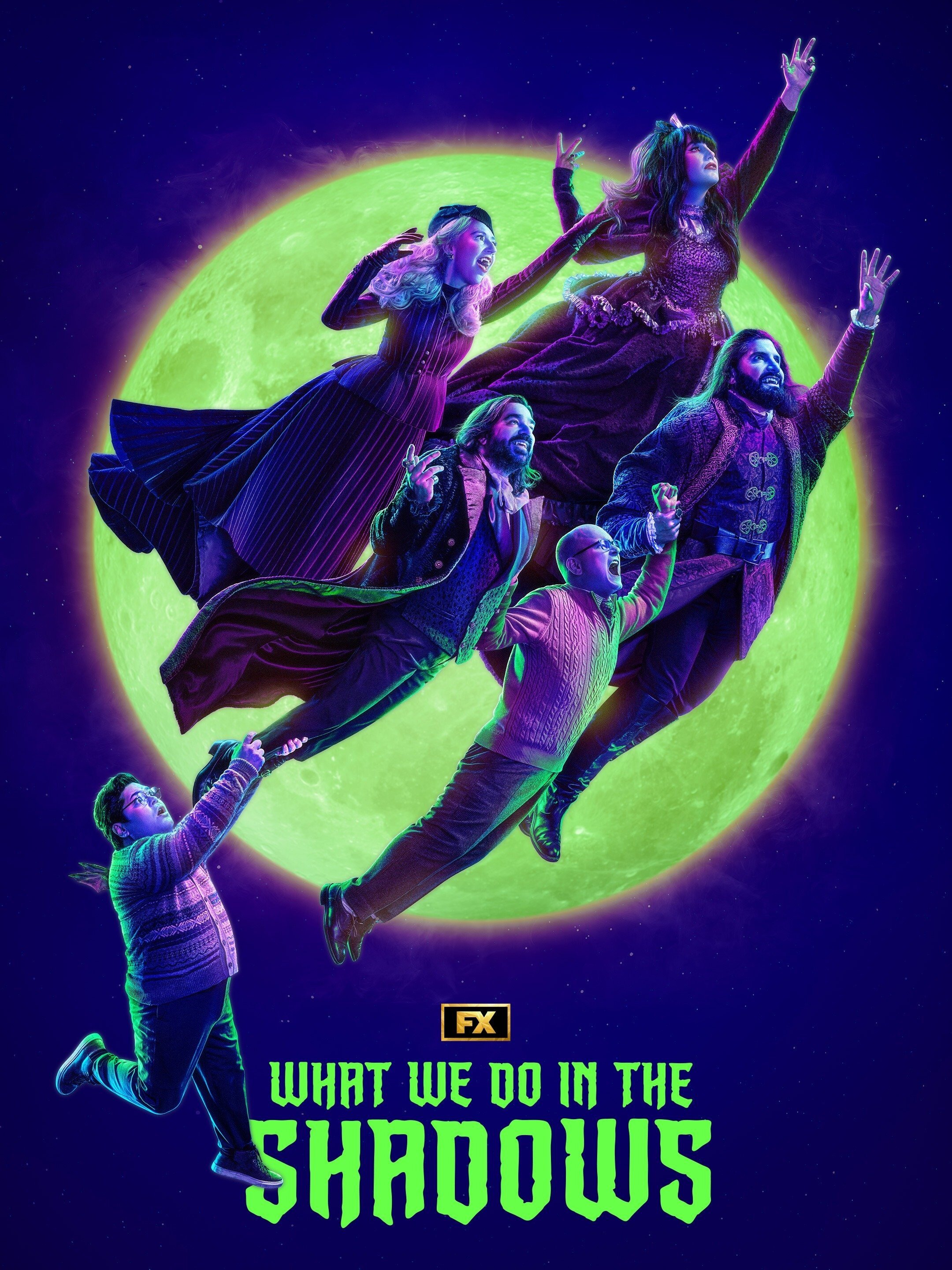
What We Do in the Shadows2019
It takes Orlok's exact toolkit — the coffin, the hiss, the ancient predator among ordinary people — and runs it entirely for laughs, proving how sturdy Murnau's vampire grammar still is.
A mockumentary sitcom about bickering vampire housemates in Staten Island, gleefully mining every trope Nosferatu helped invent — light sensitivity, hypnosis, coffins — for absurd comedy.
But If you want atmosphere and dread, a laugh-track-adjacent comedy about petty immortal roommates will feel like sacrilege.
More like this (8)
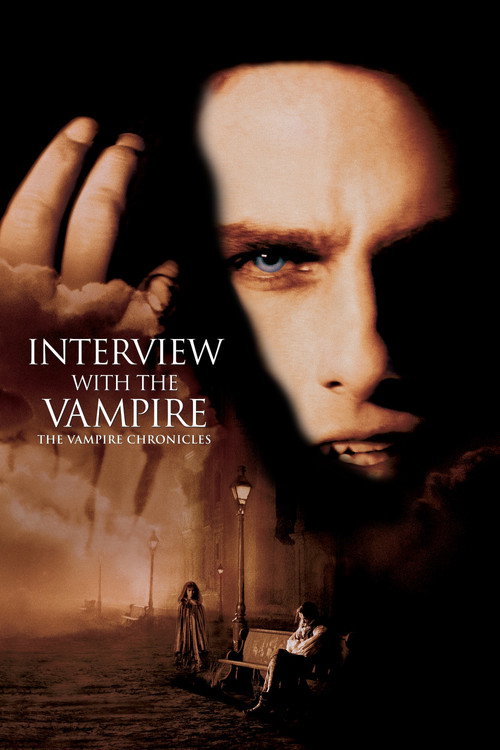
Interview with the Vampire1994
Vampirism reframed as seduction, memory and grief rather than plague — gorgeous, mournful, and the first major film to make being undead feel like a curse worth confessing.
But Its languid, confessional pacing and heavy melodrama won't suit anyone wanting dread over pathos.
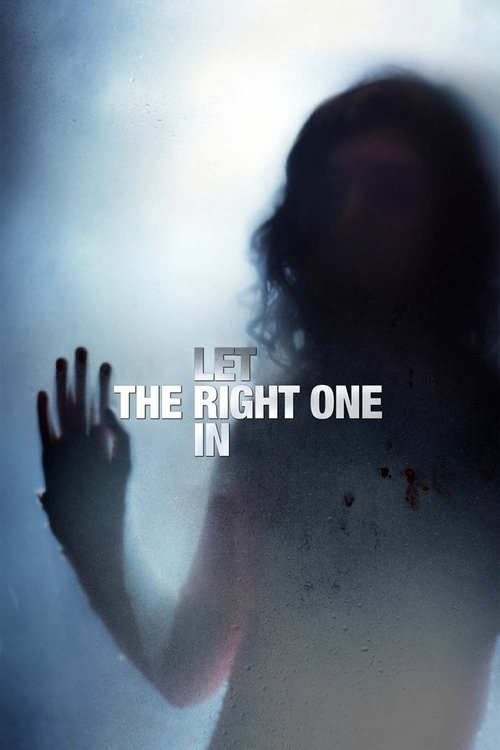
Let the Right One In2008
Swedish, wintry, and devastating — a child vampire story that keeps Orlok's sense of the monstrous as something sad and inevitable rather than sexy.
But Slow, quiet, and bleak; the violence is sudden but the mood is mostly aching stillness.
Shadow of the Vampire2000no page yet
A wickedly funny what-if about the making of Nosferatu, with Willem Dafoe as an actor who may actually be a vampire. Great tribute, great joke.
But Knowingly campy and self-aware — if you want reverence rather than mischief, this isn't it.
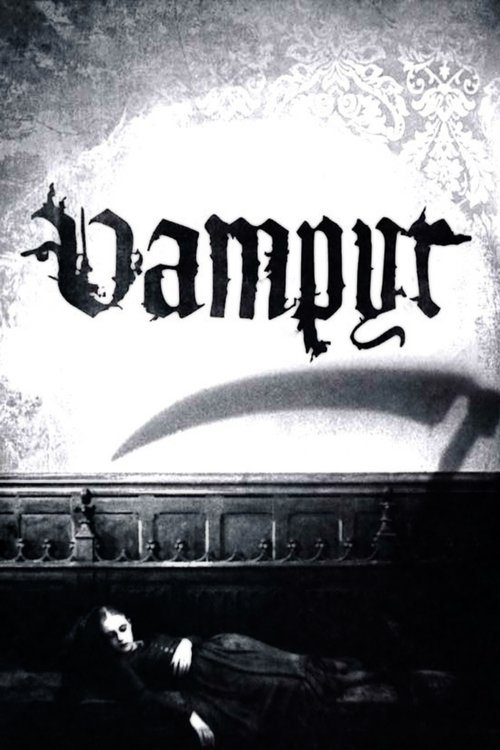
Vampyr1932
Carl Theodor Dreyer's fever-dream vampire film, dreamlike and disorienting in ways even Murnau doesn't quite risk, with imagery that still feels genuinely alien.
But Nearly plotless and hypnotic to the point of frustrating; patience required, payoff is atmosphere not story.
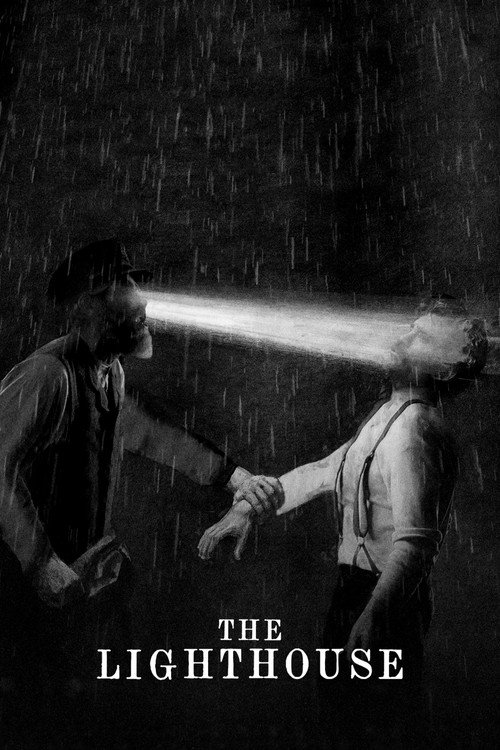
The Lighthouse2019
Robert Eggers shooting in stark black and white, obsessed with texture and dread the way Murnau was — isolation curdling into something monstrous and mythic.
But Deliberately punishing, claustrophobic, and abrasive; not a comfortable or easy watch.
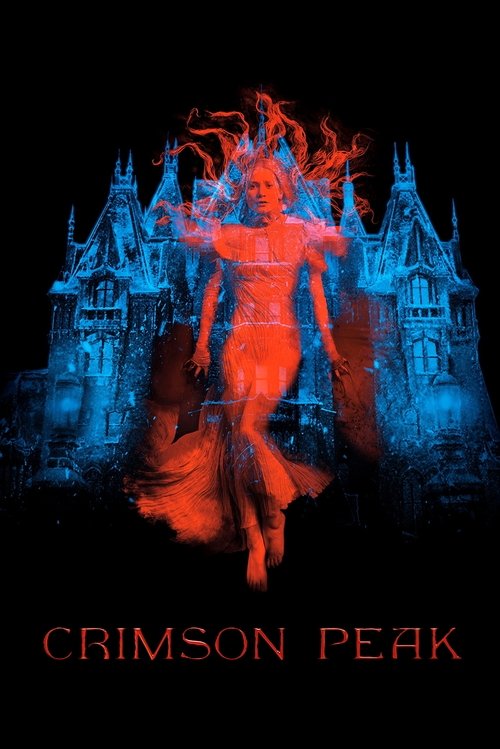
Crimson Peak2015
Del Toro's gothic romance leans hard into the haunted-house, cursed-marriage register Nosferatu shares with old vampire lore — sumptuous, doomed, blood-soaked.
But More melodrama than horror, and its ghost-story mechanics are gentler than genuinely frightening.
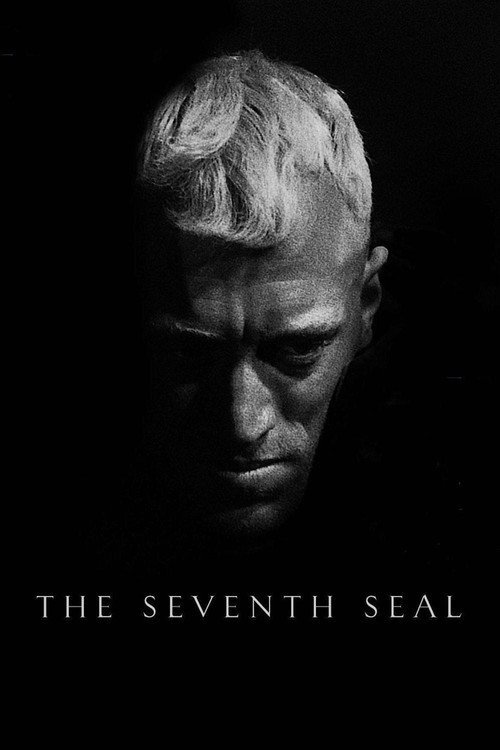
The Seventh Seal1957
Orlok is plague made flesh, and Bergman strips the metaphor bare — same fear of death arriving as a visitor you cannot refuse, minus the fangs.
Bergman's knight plays chess with Death across a plague-ravaged medieval landscape — stark black and white, existential dread, images that have outlived their era completely.
But No monster, no jump scares, just slow philosophical dialogue about mortality; a very different kind of patience is required.
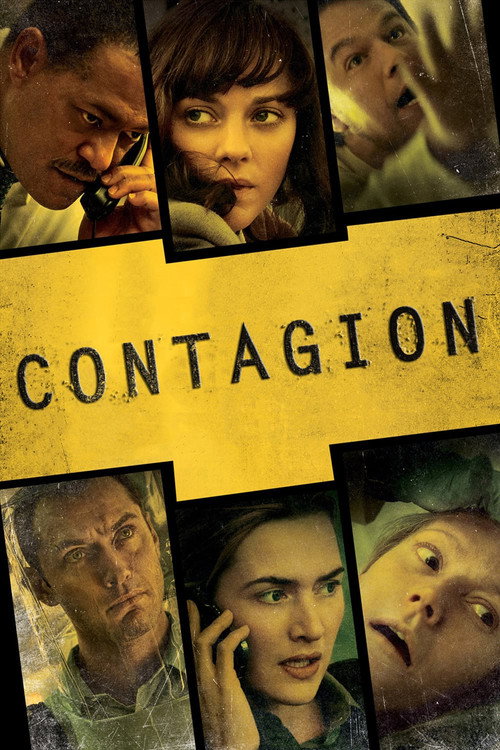
Contagion2011
Nosferatu is secretly a plague film with fangs; Contagion removes the vampire entirely and shows the same slow-creeping societal horror as pure disease, no metaphor required.
Steven Soderbergh's clinical, terrifyingly plausible outbreak thriller, tracking a virus through airports and handshakes with the same slow, inexorable dread Orlok's ship brings to harbour.
But Cold, procedural, and ensemble-driven rather than character-focused — some may find it more unsettling than entertaining, especially post-2020.
People
Cast
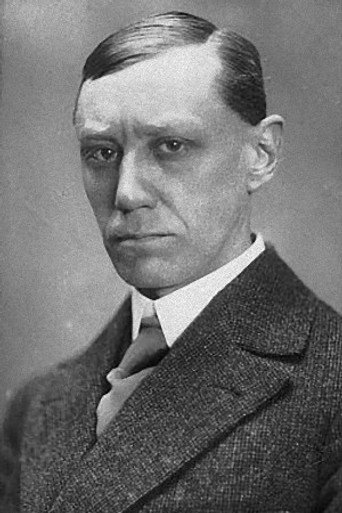 Max SchreckCount Orlok
 Gustav von WangenheimHutter
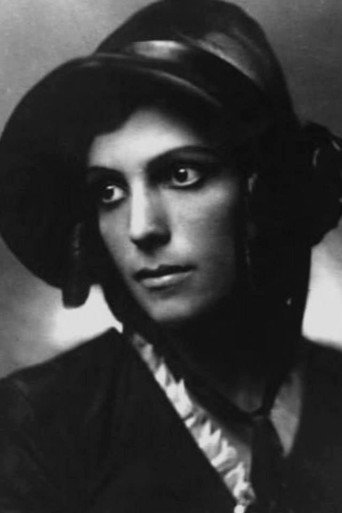 Greta SchröderEllen
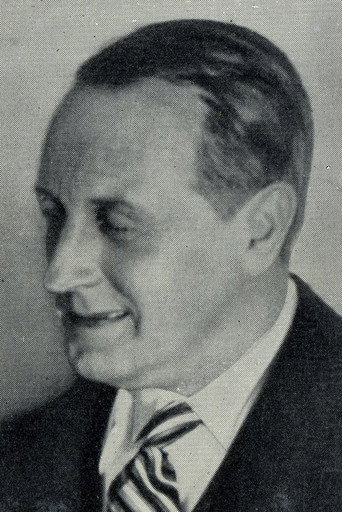 Georg H. SchnellHarding
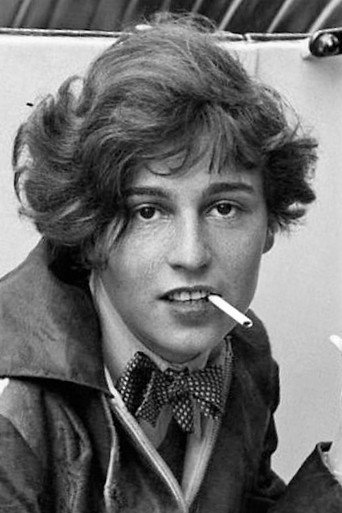 Ruth LandshoffRuth
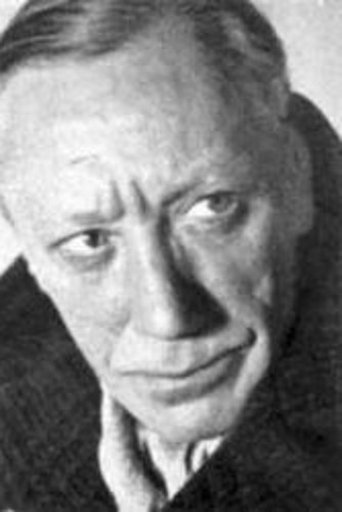 Gustav BotzProfessor Sievers
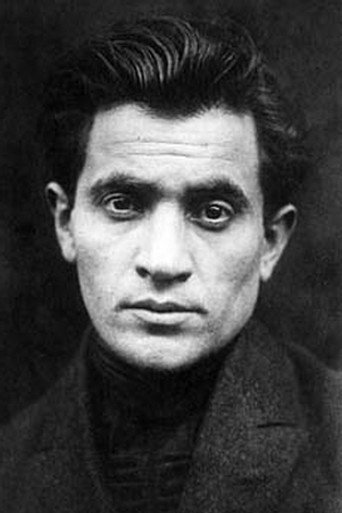 Alexander GranachKnock
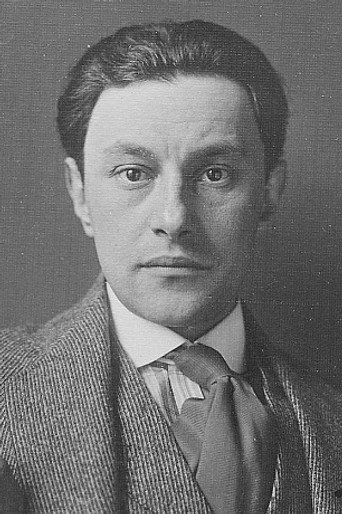 John GottowtProfessor Bulwer
- Max NemetzA Ship Captain
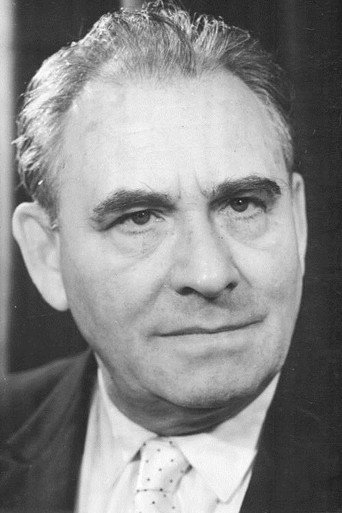 Wolfgang HeinzSailor 1
- Albert VenohrSailor 2
- Eric van VieleSailor (uncredited)
Directing
- F. W. MurnauDirector
Writing
- Bram StokerNovel
- Henrik GaleenScreenplay
Production
- Albin GrauProducer
- Enrico DieckmannProducer
Recommended by
Let the Right One In, Creature from the Black Lagoon, The Mummy, Metropolis, Count Duckula, The Cabinet of Dr. Caligari, What We Do in the Shadows, What We Do in the Shadows, City of Blood, Anne Rice's Interview with the Vampire, Castlevania, Kuroneko, Dr. Jekyll and Mr. Hyde, Sunrise: A Song of Two Humans, The Wolf Man, The Lighthouse, Häxan, The Last Man on Earth, Nosferatu the Vampyre, Dracula, Vampyr, The Golem: How He Came into the World