
Film
Nosferatu the Vampyre
Werner Herzog's mournful tribute to Murnau's 1922 original, with Klaus Kinski buried under prosthetics as a Dracula more grief-stricken than seductive. This is horror as fever dream — long silences, painterly Carpathian landscapes, plague rats flooding a German town, Isabelle Adjani drifting through it like a ghost herself. Slow, sorrowful, gorgeous rather than frightening; for anyone who wants dread that lingers instead of jolts.
If you liked this
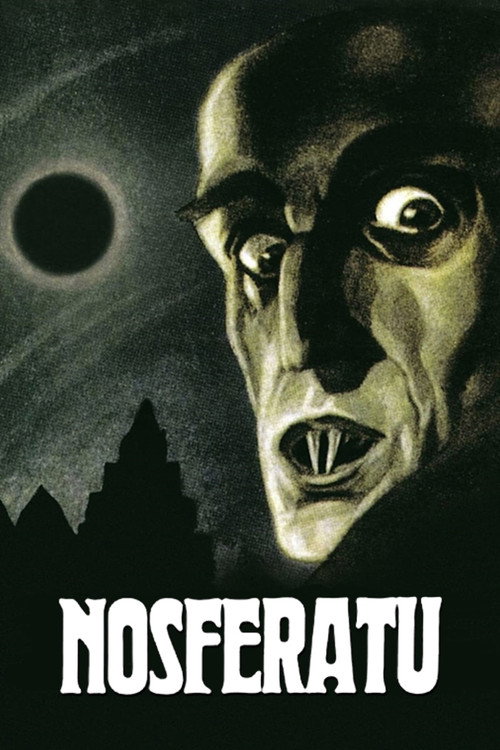
Nosferatu1922
The film Herzog was paying tribute to — Max Schreck's rat-faced Count is still the most purely unsettling vampire ever put on screen, silent and skeletal and wrong.
But It's a century-old silent film; the theatrical acting and title cards take some adjusting to.
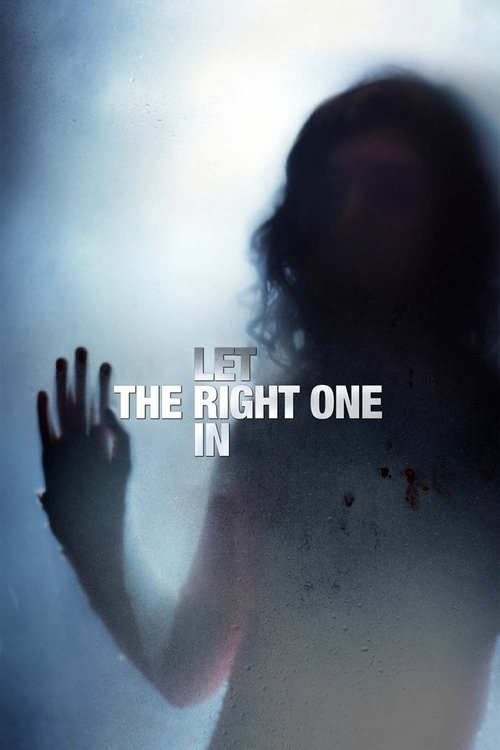
Let the Right One In2008
Swedish, wintry, and devastatingly tender — a vampire story that cares more about loneliness than fangs, with the same patient, snow-quiet dread as Herzog's film.
But It's a slow-burn childhood drama first, horror second; if you want blood and bite, look elsewhere.
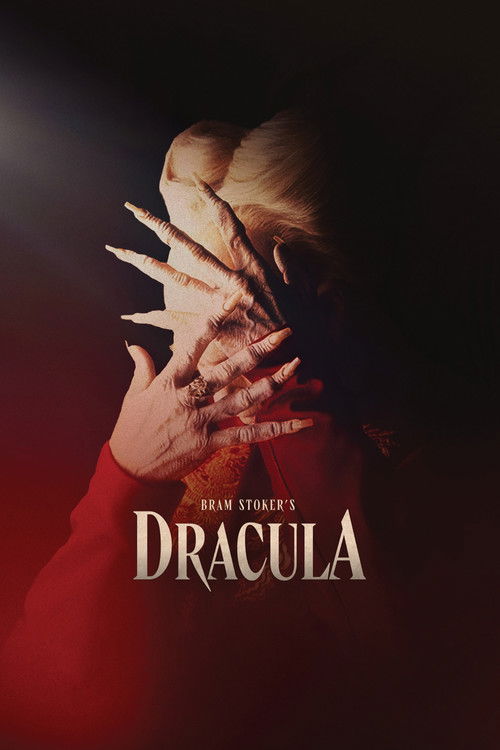
Bram Stoker's Dracula1992
Coppola's operatic, over-the-top take on the same source material, drowning in velvet, blood and Gary Oldman's unhinged performance. Everything Herzog underplays, this one screams.
But The maximalism can tip into camp, and Keanu Reeves's accent is a genuine liability.
The wildcard
Something you would not have found on your own.
My Best Fiend1999no page yet
Kinski's Dracula is inseparable from his real relationship with Herzog — this is the story of the man behind the fangs, told by the only person who understood and feared him.
Herzog's own documentary about his decades-long, near-homicidal collaboration with Klaus Kinski — the man howling, weeping and terrifying his way through Nosferatu here — told with equal parts love and horror.
But It's a making-of-adjacent documentary, not a horror film; if you came for atmosphere rather than anecdote, it won't scratch that itch.
More like this (8)
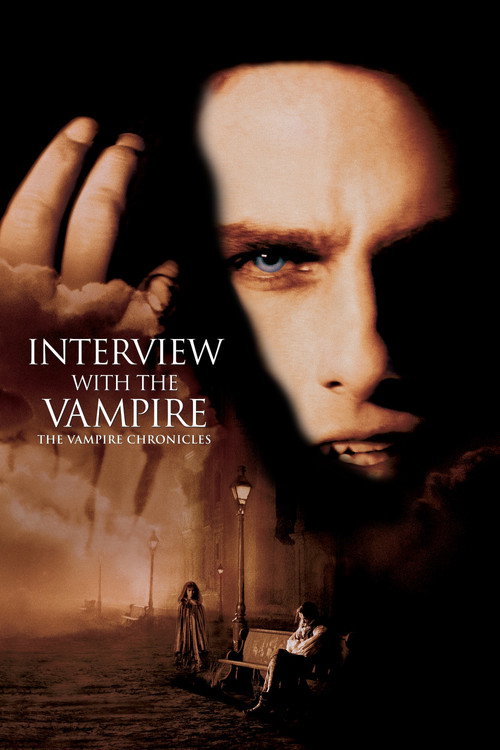
Interview with the Vampire1994
Lush, mournful, obsessed with the loneliness of eternal life — Tom Cruise and Brad Pitt as immortal lovers trapped by what they've become.
But It's more melodrama than dread; the horror is emotional rather than atmospheric.
The Hunger1983no page yet
Tony Scott's fashion-shoot vampire film, all smoke machines and Bowie cheekbones, is proof that style itself can carry dread the way Herzog's landscapes do.
But Thin on plot and heavy on mood; it can feel like a beautiful music video stretched to feature length.
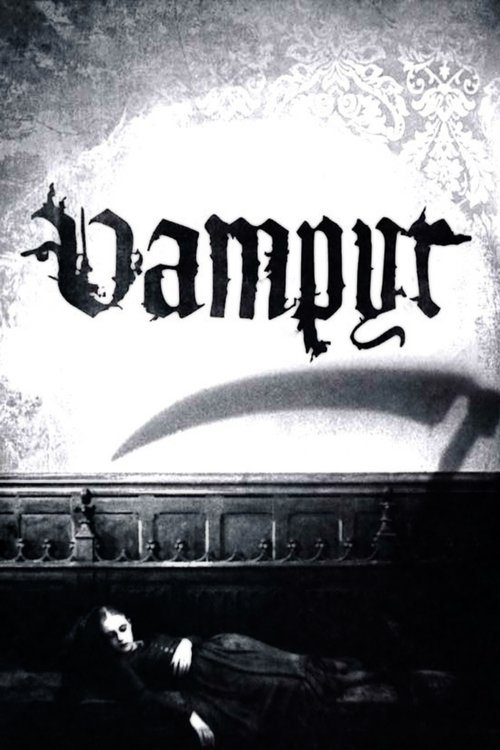
Vampyr1932
Carl Dreyer's near-wordless fever dream predates Herzog's approach by decades — shadows, fog, dread built from image alone rather than story.
But Deliberately disorienting and almost plotless; a real patience test even by arthouse standards.
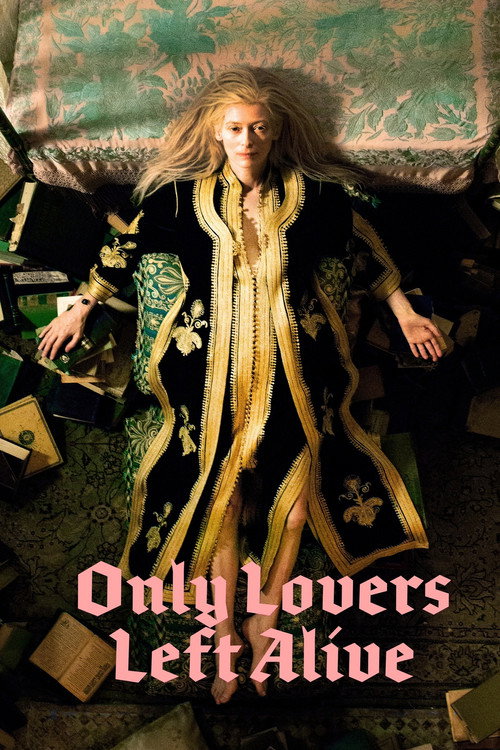
Only Lovers Left Alive2013
Jarmusch's vampires are exhausted aesthetes drifting through Detroit and Tangier — melancholy, deadpan, gorgeous, and closer in spirit to Herzog's sadness than any modern horror film.
But Almost nothing happens; it's a mood piece for people who like their vampires world-weary rather than dangerous.
A Girl Walks Home Alone at Night2014no page yet
An Iranian vampire western shot in black and white, all empty streets and chador-as-cape — genuinely strange and hypnotic in a way few horror films risk being.
But Very slow and heavily stylized, light on scares; it's an aesthetic experience more than a story.
Shadow of the Vampire2000no page yet
A fictionalized account of Murnau shooting the 1922 original, with John Malkovich playing a director who may have hired an actual vampire to play Count Orlok.
But It's a knowing, arch film about filmmaking as much as horror — less atmosphere, more dark comedy.
Blood for Dracula1974no page yet
Same decade, same continent, same mythic Count reimagined for arthouse purposes — but where Herzog aims for sorrow, Morrissey and Warhol go for grotesque comedy. Seeing both shows how elastic the myth really is.
Andy Warhol's factory produces its own frail, impotent, blood-desperate Count via Udo Kier — camp, gory, weirdly moving, and made just five years before Herzog's, in the same wave of European art-Dracula films.
But It's deliberately trashy and explicit where Herzog's film is restrained; not everyone wants their gothic dread this arch.
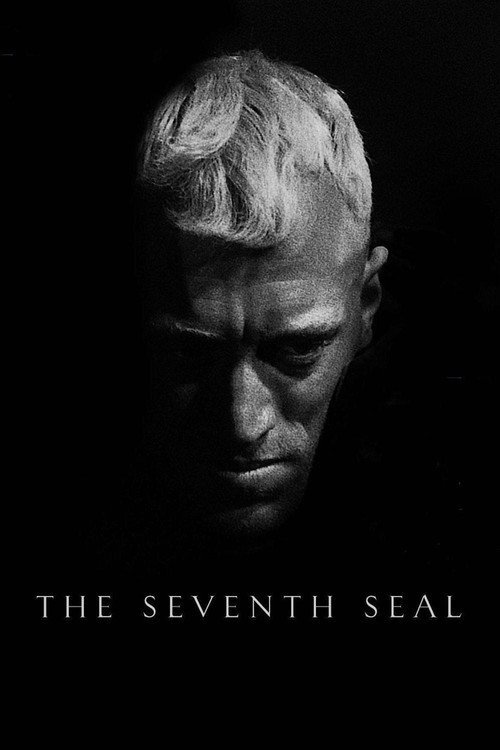
The Seventh Seal1957
Herzog's Dracula brings plague rats and existential dread to Wismar; Bergman's Death brings the same dread two decades earlier and centuries further back, both using disease as the visible face of mortality.
Bergman's medieval plague-parable, in which a knight plays chess with Death himself, shares Nosferatu's obsession with mortality arriving as a slow, unstoppable tide across a helpless town.
But There isn't a vampire in sight — it's a philosophical drama about faith and death, not horror, and demands real patience.
People
Cast
 Isabelle AdjaniLucy Harker
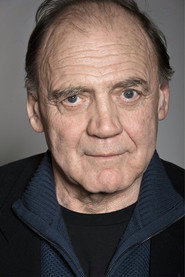 Bruno GanzJonathan Harker
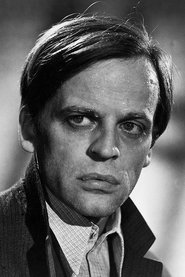 Klaus KinskiCount Dracula
- Roland ToporRenfield
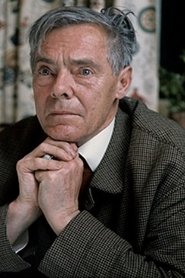 Walter LadengastDr. Van Helsing
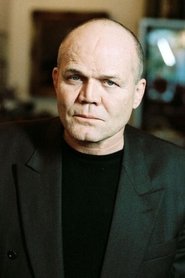 Dan van HusenWarden
- Jan GrothHarbormaster
- Carsten BodinusSchrader
- Martje GrohmannMina
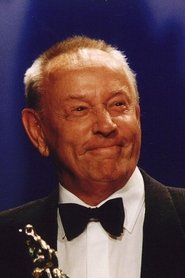 Rijk de GooyerTown Official
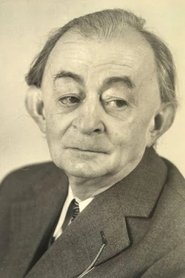 Clemens ScheitzClerk
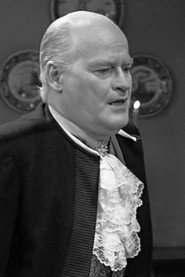 Lo van HensbergenCouncilman
Directing
- Werner HerzogDirector
Writing
- Bram StokerNovel
- Henrik GaleenOriginal Film Writer
- Werner HerzogWriter
Production
- Walter SaxerExecutive Producer
- Daniel Toscan du PlantierProducer
- Michael GruskoffProducer
- Werner HerzogProducer