
Film
Blood for Dracula
- Horror
- Dark fantasy
- Strange
Paul Morrissey's 1974 horror-comedy transplants Dracula to a decaying Italian estate, where the count's search for virgin blood meets class warfare, sexual chaos, and a Marxist manservant. It's campy, transgressive, deliberately unsexy, and played with deadpan conviction by Udo Kier. A film that leans hard into Warhol's sensibility—strange, a little sick, utterly uninterested in your comfort.
Should you watch it?
Watch it if you like your horror dry, decadent and politically barbed, where the joke is the aristocracy running out of blood and money together and the dialogue lands like a slap.
Skip it if you need the gothic shiver and brisk pacing, since this one is talky, deliberately flat and more interested in mocking its characters than frightening you.
What it asks of you: Long static takes and stagey exchanges, a running time just under two hours, and a tolerance for jokes that arrive late and sit in the room.
Not sure? Find tonight's pick in a minute.
If you liked this
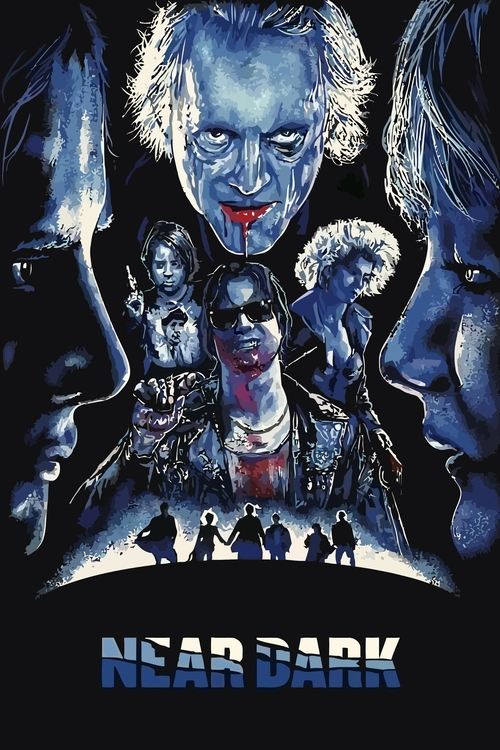
Near Dark1987
Kathryn Bigelow's vampires are working-class drifters, not aristocrats—predators seen with sociological clarity and genuine menace. Like Morrissey's film, it refuses to make vampirism romantic or easy.
But It's more interested in mood and character than traditional scares. Some find the pacing glacial.
Suspiria1977
Dario Argento's lurid fever dream about a ballet academy with supernatural secrets shares Morrissey's love of gorgeous decay, perverse eroticism, and horror as pure sensory experience. Deeply artificial, deeply effective.
But The plot is thin and sometimes nonsensical. If you need narrative logic, you'll frustrate yourself.

Mulholland Drive2001
David Lynch builds dread from artifice and sexual transgression, exploring desire and performance with the same unflinching strangeness Morrissey brings to his Dracula. Hypnotic and deeply unsettling.
But Three hours, deliberately opaque, and it asks you to work harder than most films want. The payoff is not a tidy answer.

Not sure tonight? Get a pick in a minute, starting from Blood for Dracula
The wildcard
Something you would not have found on your own.
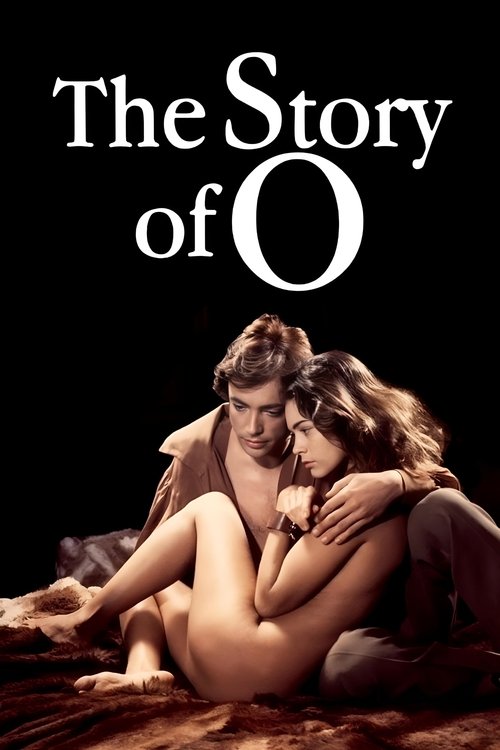
The Story of O1975
Both use sexual transgression and class antagonism as the language in which moral questions are asked. Neither flinches; neither apologizes.
Just Art and Alain Robbe-Grillet's explicit adaptation of the notorious erotic novel—composed of tableaux, minimal dialogue, and the visual language of desire itself. It shares Morrissey's refusal to apologize for exploring perverse sexuality and the collision of power and surrender.
But Graphic sexual content. Some find it exploitative; others find it self-indulgent and hollow. It provokes without catharsis.
More like this (5)
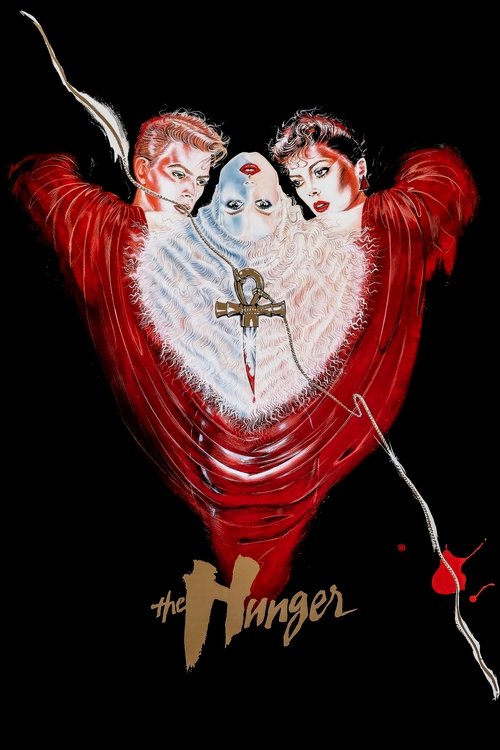
The Hunger1983
Tony Scott's vampire film pairs erotic menace with visual extravagance and a star-crossed love story that feels genuinely perverse. It's decadent and stylish in ways that echo Morrissey's sensibility.
But The narrative collapses in the third act. Some of the effects have aged poorly, and the pacing stumbles.
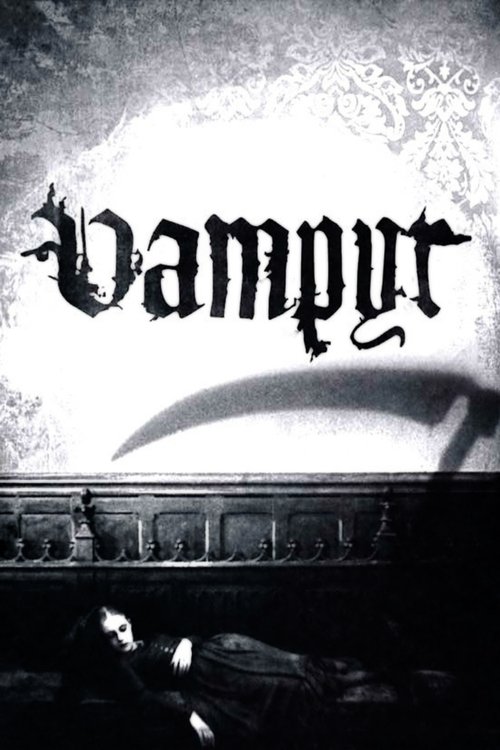
Vampyr1932
Carl Theodor Dreyer made a vampire film that's dreamlike and unsettling rather than thrilling—more concerned with atmosphere and dread than action. A blueprint for horror as mood over plot.
But It moves slowly and the print quality can be rough. Patience required; instant gratification it is not.
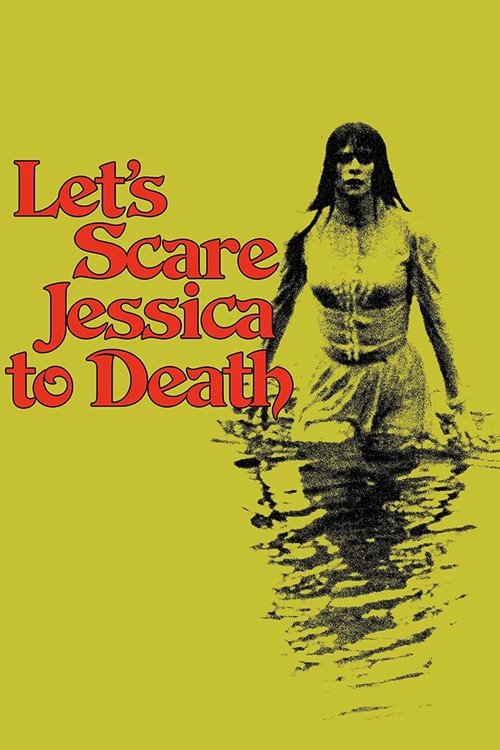
Let's Scare Jessica to Death1971
A feminist vampire film that uses the monster as a metaphor for female desire and male control. Grimy, paranoid, genuinely disturbing—horror from genuine unease rather than jump scares.
But Low budget shows in every frame. The sound design is murky. Requires you to meet it halfway.
Knife+Heart2018
A slasher film that's also a love story between two men in 1970s Paris, blending gay exploitation cinema with genuine grief and passion. Audacious, colorful, and surprisingly moving.
But It's deliberately trashy in some scenes, which some find exploitative. The tone shifts between campy and tragic.

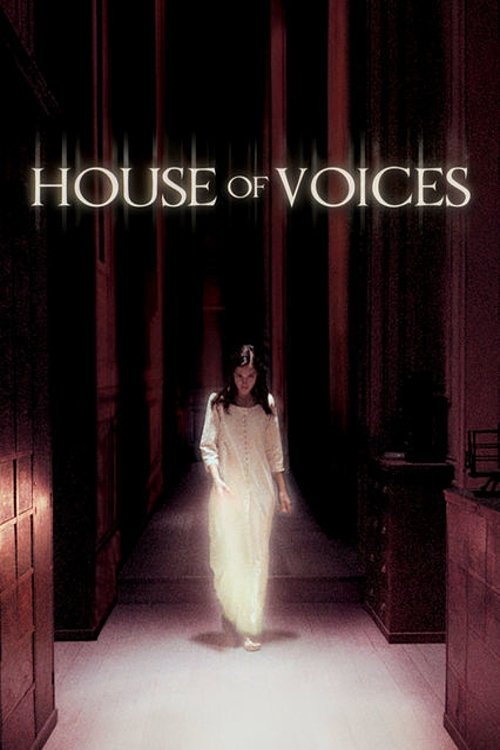
House of Voices2004
Both films use crumbling aristocratic/institutional spaces not just as setting but as moral landscapes. The decay is not scenery; it is the story.
Pascal Laugier's ghost story set in a decaying orphanage uses an almost silent, painterly visual approach—long takes, sparse dialogue, atmosphere as character. A meditation on grief, guilt, and institutional cruelty that feels more like a haunting than a plot.
But Slow, methodical, often deliberately boring in the moment. Payoffs are emotional and conceptual, not visceral. You must bring something to it.
People
Cast
 Udo KierCount Dracula
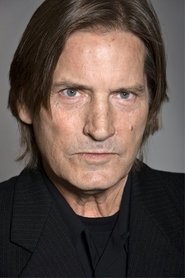 Joe DallesandroMario Balato, the Servant
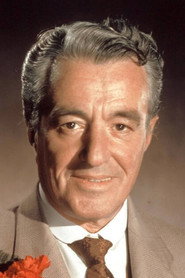 Vittorio De SicaMarquis Di Fiore
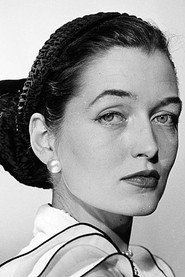 Maxime McKendryMarquise Di Fiore
- Arno JürgingAnton
 Milena VukotićEsmeralda
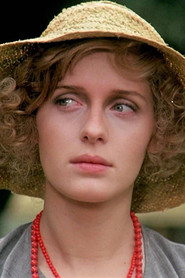 Dominique DarelSaphiria
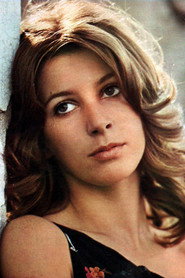 Stefania CasiniRubinia
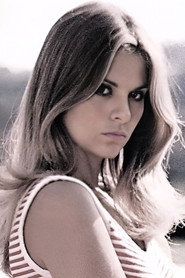 Silvia DionisioPerla
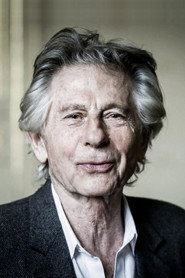 Roman PolanskiGambler
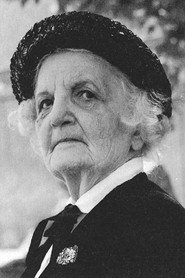 Inna AlexeievnaOld Woman in Tavern
- Gil CagnèTownsman
Directing
- Antonio MargheritiAssistant Director
- Paolo PietrangeliAssistant Director
- Paul MorrisseyDirector
Writing
- Bram StokerCharacters
- Pat HackettWriter
- Paul MorrisseyWriter
Production
- Jean-Pierre RassamCo-Producer
- Andrew BraunsbergProducer
- Andy WarholProducer
- Carlo PontiProducer
- Jean YanneProducer
- Mara BlasettiProduction Manager