
Film
Knife+Heart
Knife+Heart is a 1979-set giallo that follows a gay porn producer whose actors are murdered one by one. It's lustrous, melancholic, and deliberately stylized—heavy on mood and psychosexual tension, light on plot clarity. For lovers of European horror and queer cinema who want their thrills dressed in velvet and cigarette smoke.
Should you watch it?
Watch it if you love giallo-style thrillers filtered through lush colour, synth-heavy melancholy and a wry, frank eye for the sexual underground, where the killings sit right beside desire.
Skip it if you want a tightly plotted whodunit, since the mystery is loose and the film prefers mood, and its romance and camp can feel like they outrank the scares.
What it asks of you: Runtime is a modest 102 minutes, but the pace is languid, lingering on colour, music and bodies, so it asks for patience and a taste for mood over plot mechanics.
Not sure? Find tonight's pick in a minute.
If you liked this
Suspiria1977
A masterpiece of pure aesthetic terror. Like Knife+Heart, it prioritizes visual and sonic dread over narrative coherence, building a dreamlike nightmare that grips you through atmosphere alone.
But The plot is deliberately opaque and the dialogue can feel stilted. If you need a story that makes logical sense, this will frustrate you.

Tenebre1982
Argento's most precise giallo: a writer hunted by a killer who shadows his investigation. The same blend of eroticism, violence, and art-world intrigue that animates Knife+Heart, with tighter direction.
But Bleak, misogynistic, and absolutely frigid in its affect. The aesthetic charms itself into moral numbness.
Deep Red1975
An art-world murder mystery with vivid stylization and sensual cinematography. Giallo at its most visually intoxicating, unfolding the way a nightmare does rather than a whodunit.
But The pacing is glacial and the climax deflates. You're watching for tone and texture, not revelation.
Not sure tonight? Get a pick in a minute, starting from Knife+Heart
The wildcard
Something you would not have found on your own.
The Reckless Moment1949
Both films treat erotic vulnerability as the true horror—what we want is far more dangerous than what hunts us. The camera gazes at bodies as evidence of culpability.
Ophüls' melodrama about a woman blackmailed over her daughter's indiscretion. It's a different genre and decade entirely, but shares Knife+Heart's preoccupation with desire as a form of moral entrapment—love and desperation in the same frame.
But Formal, emotionally restrained, and concerned with adultery and class rather than murder. The visual sophistication won't speak to those looking for genre thrills.
More like this (8)
Cruising1980
A cop goes undercover in New York's gay subculture to catch a serial killer. Like Knife+Heart, it's a murky exploration of queer desire and violence, deliberately ambiguous about complicity and corruption.
But Visibly homophobic beneath its sophistication. The film itself seems uncertain whether to condemn or exploit its subject matter, and that unease is the point—uncomfortable to sit with.
Possession1981
A marriage dissolves into psychosexual chaos, tentacles, and transgressive imagery. Surreal, baroque, and interested in the erotic dimensions of psychological unraveling. Unforgettably strange.
But Narratively incoherent and genuinely grotesque. Andrzej Żuławski's vision is so personal it often feels like watching someone else's fever dream.

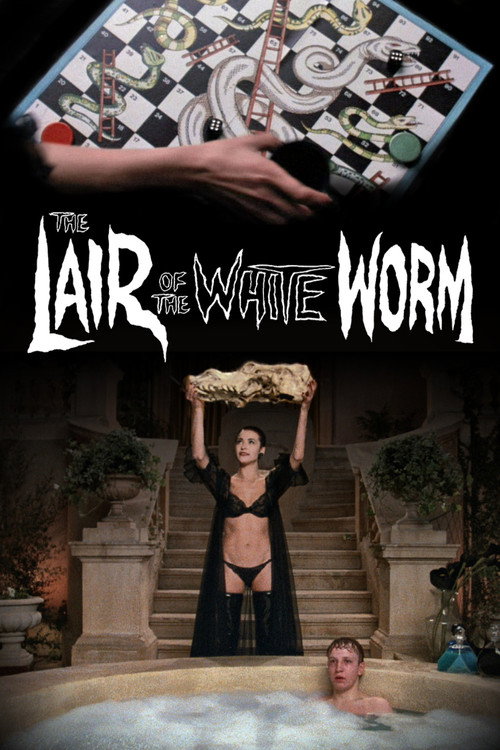
The Lair of the White Worm1988
Ken Russell adapts Bram Stoker with lurid, campy conviction—snake cults, ancient evil, a woman who may or may not be human. Flamboyant horror that cares more for style than sense.
But Wildly uneven and sometimes genuinely bad. The tonal whiplash between serious dread and B-movie silliness won't work for everyone.
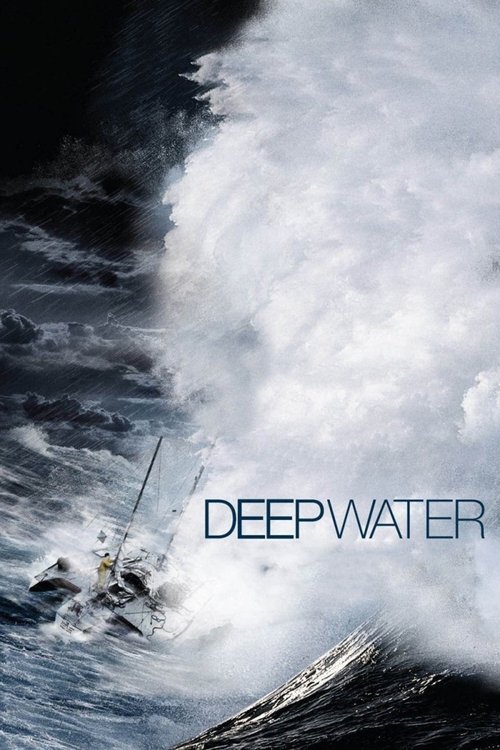
Deep Water2006
A queer romance blooms amid Parisian decadence and noir intrigue. Slow, sensual, painterly—more interested in the texture of desire than plot momentum, with a similar melancholic acceptance of darkness.
But Extremely slow and deliberately oblique. If you're looking for conventional storytelling or clear emotional beats, you'll be bored.
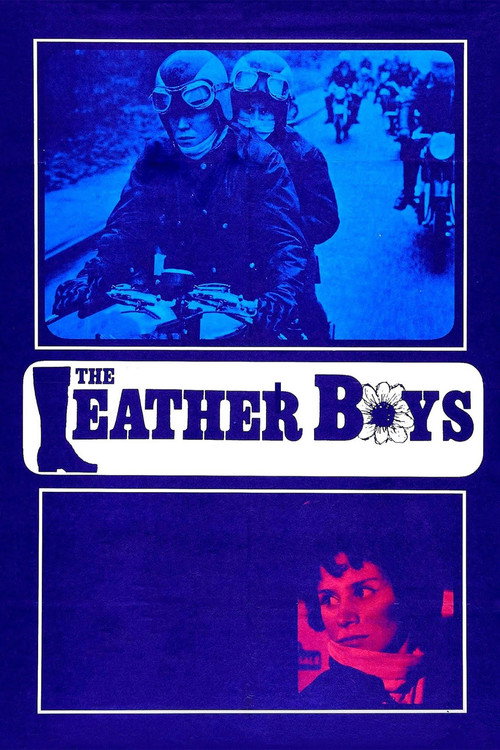
The Leather Boys1964
An early, sympathetic portrait of gay life in working-class London. A period piece that looks at queer intimacy with genuine tenderness, predating modern gay cinema but with its own quiet radicalism.
But The production values feel dated and the pacing glacial. It's a historical artifact more than an urgent film.
Mulholland Drive2001
David Lynch's Los Angeles nightmare: actresses, desire, Hollywood's dark machinery. Like Knife+Heart, it's an oblique love story wrapped in murder and artifice, where identity itself becomes unreliable.
But Narratively opaque to the point of frustration for many. The film requires patient, active viewing and rewards interpretation over clarity.

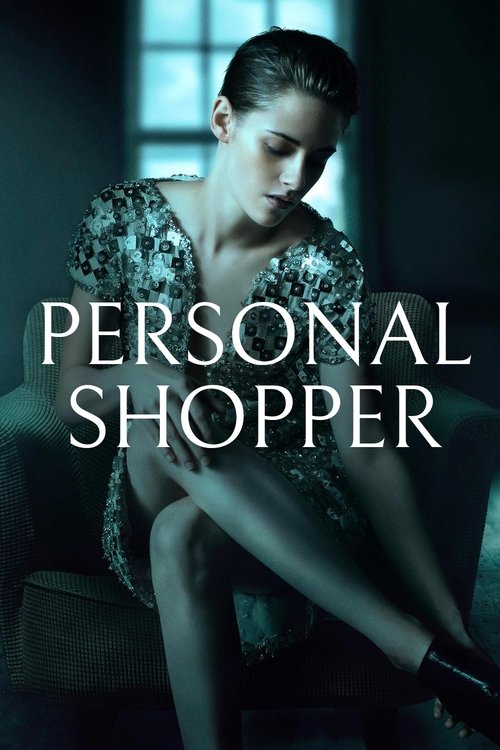
Personal Shopper2016
Both conjure supernatural dread from the psychosexual texture of modern life. They're interested in what desire looks like when it meets the unsayable—spirits and murder as metaphors for impossible connection.
Olivier Assayas' ghost story about a woman of ambiguous sexuality adrift in Paris, communicating with the dead through smartphones and art. Formally experimental, eerie, sensually precise—a queer haunting that dissolves genre itself.
But Deliberately fragmented and non-narrative. Long stretches of quiet that some will read as pretentious emptiness rather than contemplation.
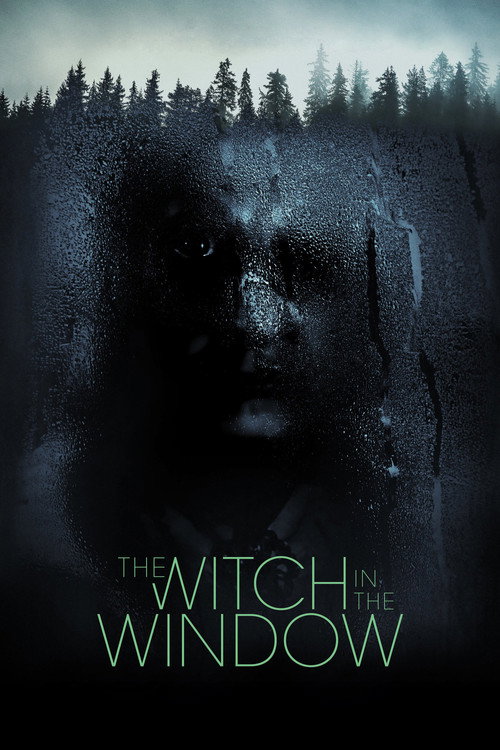
The Witch in the Window2018
Like Knife+Heart, it creates supernatural horror from close relationships corroded by dysfunction, where the monster and the victim become impossible to separate. Both trust mood and implication over explanation.
A British folk-horror film about a woman and her son haunted by a supernatural presence in a decaying house. Low-budget but atmospheric, building dread from isolation and family dysfunction rather than jump-scares or gore.
But Genuinely bleak and interested in child suffering. The intimacy of the horror—a mother and son trapped together—makes it claustrophobic and difficult. No catharsis.
People
Cast
 Vanessa ParadisAnne Parèze
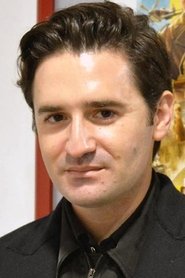 Nicolas MauryArchibald Langevin
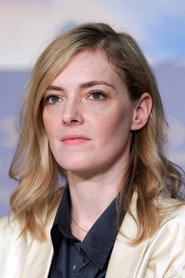 Kate MoranLoïs McKenna

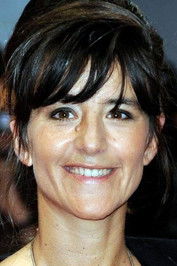 Romane BohringerCathy Vannier
 Khaled AlouachNans / Fouad
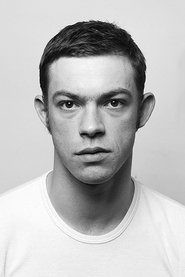 Félix MaritaudThierry
 Noé HernándezJosé
- Thibault ServièreMisia
- Bastien WaultierKarl
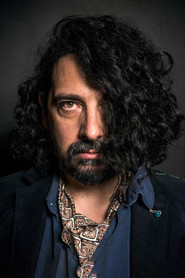 Bertrand MandicoFrançois Tabou
 Jules RitmanicRabah
Directing
- Yann GonzalezDirector
- Renaud GastFirst Assistant Director
- Maxime L'AnthoënSecond Assistant Director
- Raquel GarciaThird Assistant Director
Writing
- Cristiano MangioneWriter
- Yann GonzalezWriter
Production
- Jamal Zeinal ZadeAssociate Producer
- Constance DemontoyCasting
- Marlène SerourCasting
- Consuelo FrauenfelderCo-Producer
- Julio ChavezmontesCo-Producer
- Charles GillibertProducer
Recommended by
Blood for Dracula, Bedlam, Giallo, The Haunted House of Horror