
Film
The Haunted House of Horror
A 1969 slasher where teenagers dare each other into a creepy mansion and start dying one by one. It's a proto–*Friday the 13th* with a distinctly British sensibility—less gore than atmosphere, more mystery than jump scares. For anyone curious about horror's evolution or who loves spotting the DNA of modern killers-in-cabins films in their awkward teenage form.
If you liked this
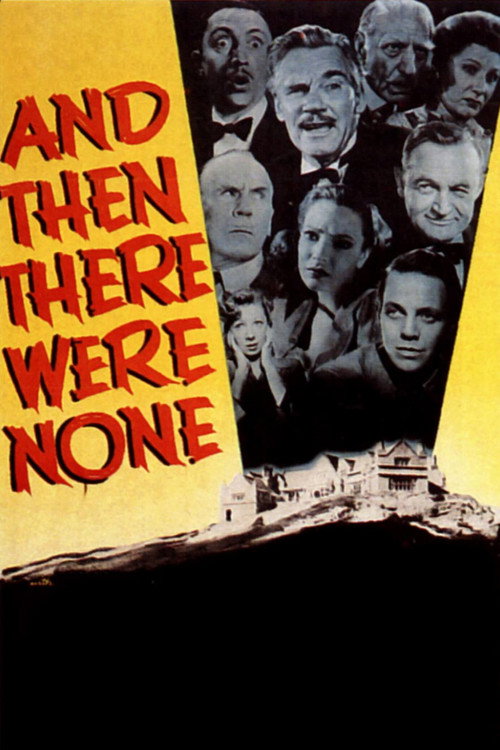
And Then There Were None1945
Agatha Christie's perfect locked-room murder mystery: strangers trapped together, picked off systematically, paranoia mounting as trust dissolves. The template that influenced every "isolated group" thriller that followed.
But Black-and-white, courtroom pacing in the first act, and the solution hinges on logic rather than spectacle—patience required.
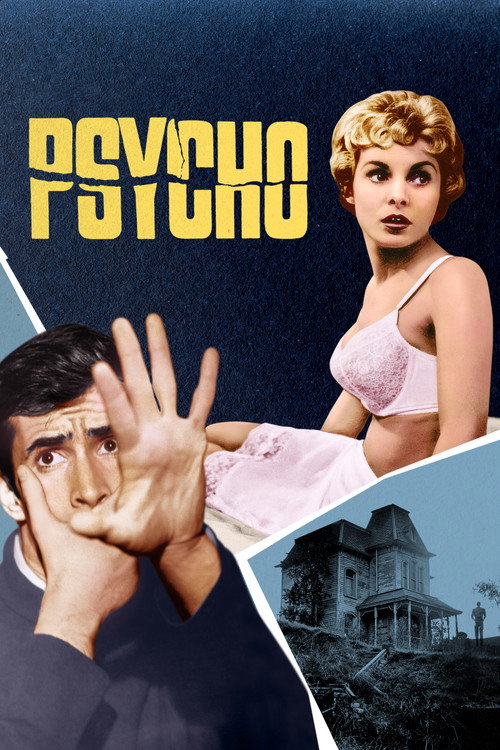
Psycho1960
Hitchcock's surgical mastery of suspense and the film that made audiences afraid of showers. Every frame earns its place; the twist lands because he *earned* it through meticulous control.
But By modern standards the kills are restrained and the pacing deliberate. Some find it a museum piece rather than a thrill.
Suspiria1977
A fever dream of a horror film: primary colors, a hypnotic prog-rock score, and pure visual dread. It doesn't explain itself and doesn't need to—it *feels* evil in ways logic can't touch.
But The plot barely exists, the dialogue can sound dubbed and stilted, and it prioritizes mood over coherence. Some find it pretentious rather than terrifying.

Not sure tonight? Get a pick in a minute, starting from The Haunted House of Horror
The wildcard
Something you would not have found on your own.
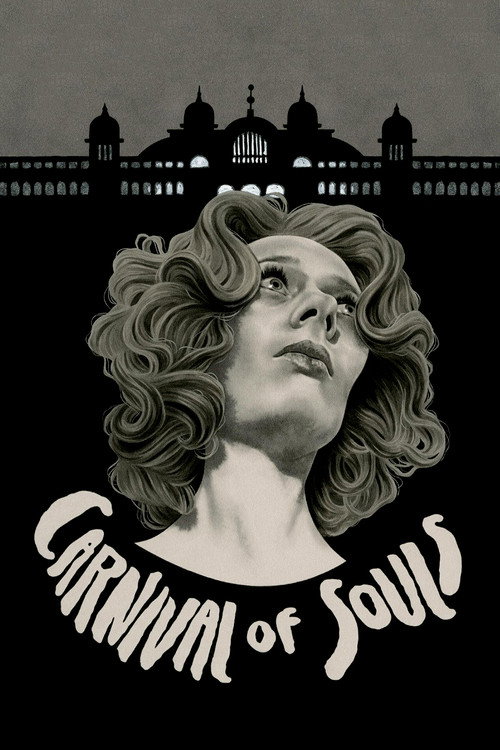
Carnival of Souls1962
Both are low-budget ensemble horrors where the real threat is ambiguous—is the killer among them, or is something else wrong? Both trust atmosphere over explanation.
An organist escapes a car crash and returns to her small town to find herself increasingly isolated—is she alive or dead? Shot in Kansas on almost no budget with a theremin score, it's genuinely uncanny and haunted the American indie horror tradition.
But No-budget look, almost plotless middle section, and an ending that prioritizes existential dread over resolution. Requires patience and mood-surrender.
More like this (8)
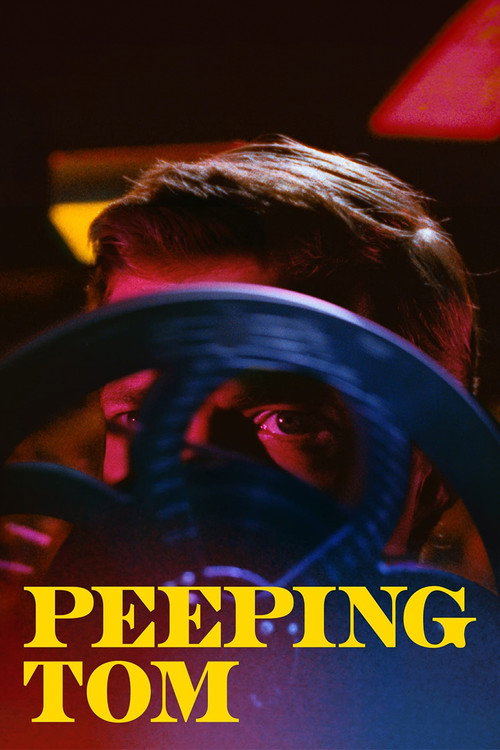
Peeping Tom1960
Michael Powell's unsettling exploration of voyeurism and cinema itself. It's a psychological thriller that trusts your discomfort, filmed with technical brilliance and a disturbing intimacy that influenced giallo and slasher DNA.
But The perspective aligns us with the killer in uncomfortable ways. Grim, slow-burn, and emotionally bleak rather than entertaining.
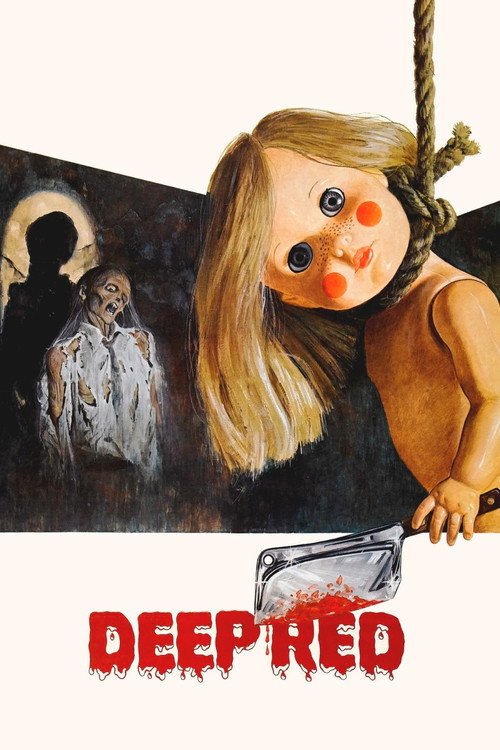
Deep Red1975
Dario Argento's masterpiece of Italian horror: a pianist witnesses a murder and becomes entangled in a web of secrets. Stylish, violent, genuinely puzzling, and shot with baroque excess that hypnotizes.
But Dubbed dialogue, graphic violence that can feel cruel rather than cathartic, and a mystery that's more baroque than logical.
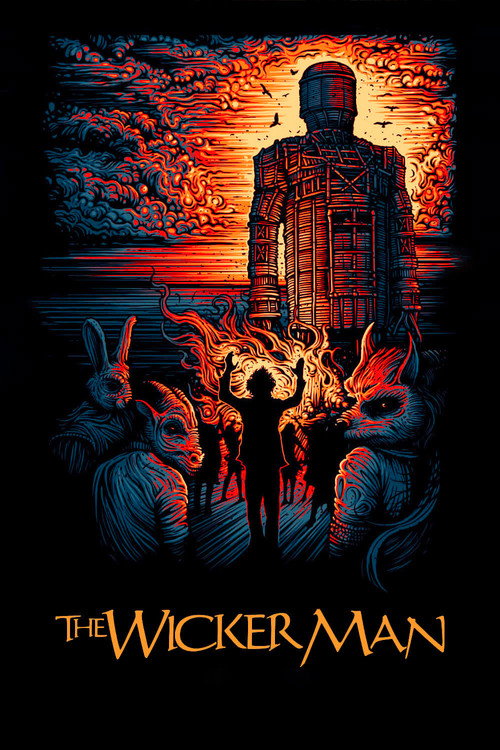
The Wicker Man1973
British folk-horror at its finest: a cop arrives at a remote island to investigate a missing girl and discovers something far stranger. Sing-along hymns and pagan dread create a uniquely unsettling atmosphere.
But More cerebral than scary; the pacing is deliberate and the horror is thematic rather than visceral.
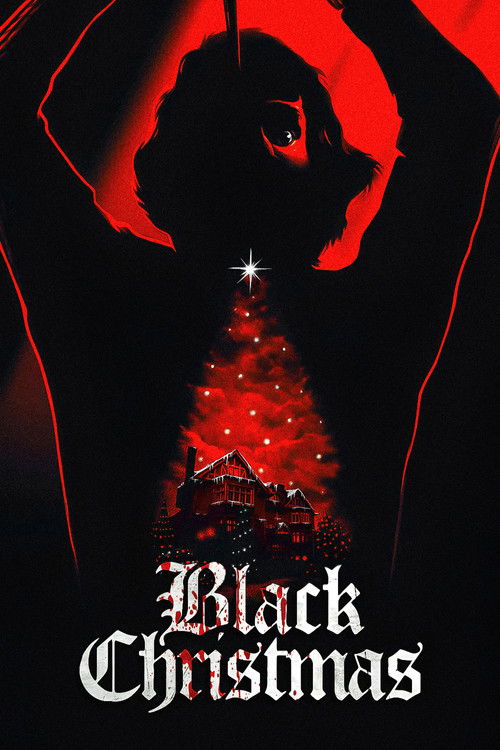
Black Christmas1974
The blueprint for the slasher film: a killer stalks sorority girls through an old house, phone lines cut, escape impossible. Tight, inventive, genuinely scary without relying on gore.
But Shot in near-darkness so you'll squint at your screen. The killer's motivation stays opaque, which frustrates some viewers.
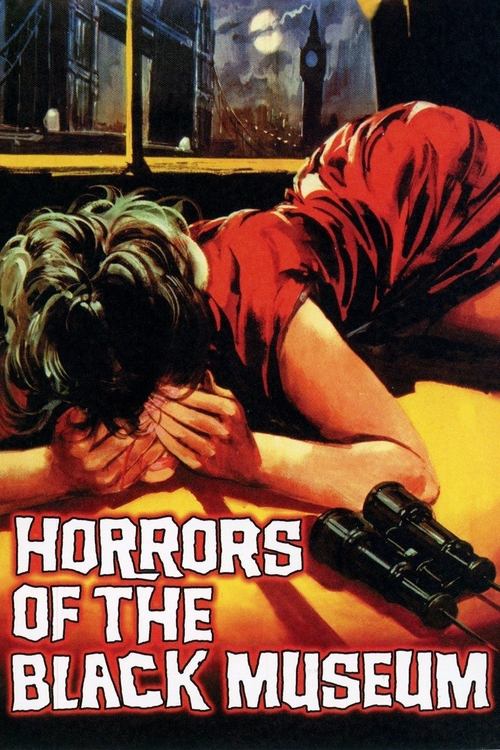
Horrors of the Black Museum1959
A carnival of vintage British horror cheese: a sensationalist journalist kills to fuel his true-crime exhibit. It's lurid, weird, and utterly of its era—fun if you love pulpy exploitation.
But The acting is broad, the logic is nonexistent, and what's meant to horrify mostly amuses. It's a period piece first, horror second.
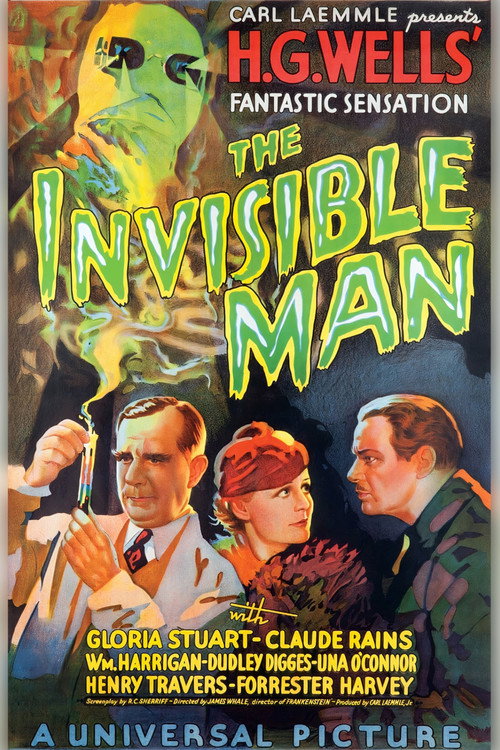
The Invisible Man1933
Universal's mad-scientist classic with James Whale's dark comedy intact: invisibility drives a man to madness and murder. Innovative effects work and a surprisingly cruel protagonist make it endure.
But Dialogue-heavy, the pacing feels theatrical, and the invisibility is more concept than spectacle by modern standards.
Mulholland Drive2001
Both films trap characters in a space (mansion, L.A.) where reality warps and identity becomes unreliable. Both suggest the killer might be internal, psychological—the house or the dream is the real antagonist.
Lynch's LA nightmare fractured across dream and waking: a woman's pursuit of stardom becomes a descent into obsession and delusion. Visually hypnotic, emotionally brutal, and constructed like a puzzle that *shouldn't* work but does.
But Nearly three hours of deliberate pacing, the narrative structure collapses by design, and the ending offers no closure—only interpretation.

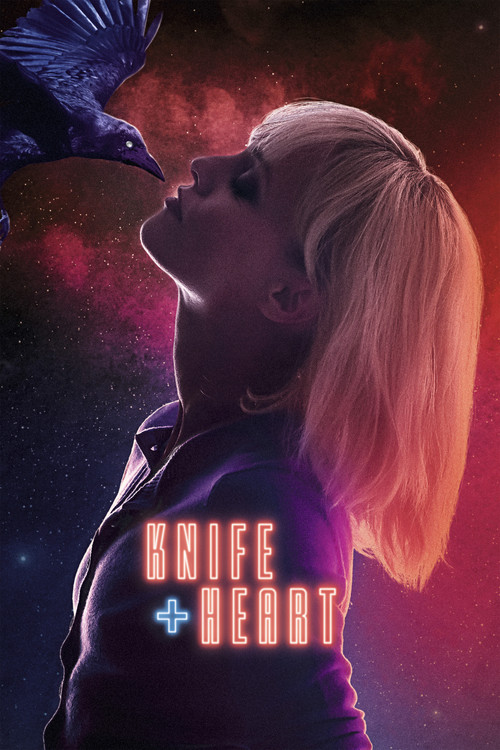
Knife+Heart2018
Both are slashers obsessed with the surfaces of cinema—killer as director, death as spectacle. Both ask who benefits from seeing beautiful bodies in peril, and whether style can contain moral weight.
Yannick Bellon's gorgeous, brutal French film: a gay porn director investigates the murder of her lover during the early AIDS crisis. It layers giallo sensibilities (stylish kills, mystery) with real grief and rage—camp form containing genuine devastation.
But Graphic sexual content, graphic violence, and explores homophobia through the lens of exploitation film. The tonal mix of pulp and tragedy could feel exploitative to some.
People
Cast
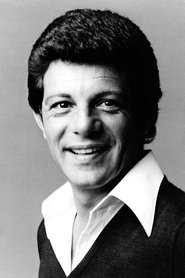 Frankie AvalonChris
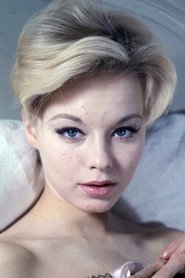 Jill HaworthSheila
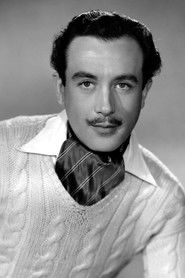 Dennis PriceInspector Bill Bradley
 Mark WynterGary Scott
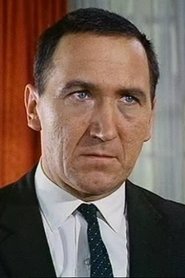 George SewellBob Kellett
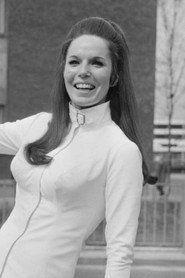 Gina WarwickSylvia Fuller
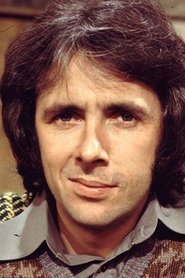 Richard O'SullivanPeter
- Carol DilworthDorothy Pulman
 Julian BarnesRichard
- Veronica DoranMadge
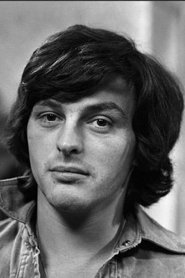 Robin StewartHenry
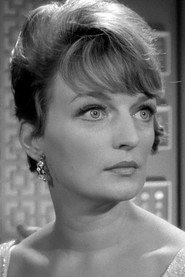 Jan HoldenPeggy
Directing
- Michael McKeagAssistant Director
- Nick Caris CarterAssistant Director
- Lorna SelwynContinuity
- Michael ArmstrongDirector
Writing
- Michael ArmstrongScreenplay
Production
- Tony TenserProducer
- George MillsProduction Manager