
Film
Peeping Tom
Michael Powell's Peeping Tom is less slasher than character study: a softly spoken cameraman films women's terror because filming is the only way he can feel anything at all. Shot in queasy, gaudy colour, it turns the audience's own gaze into the crime. Cool, controlled, and unbearably sad underneath the horror — for anyone who wants dread with a conscience, not jump scares.
If you liked this
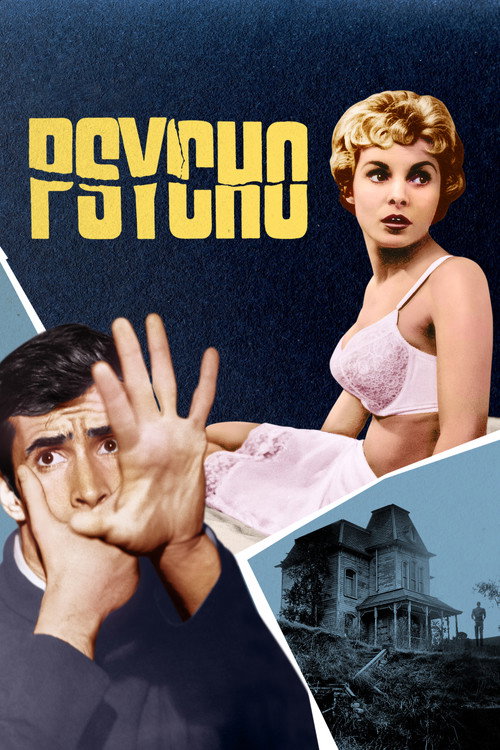
Psycho1960
Hitchcock's same-year shocker asks the same question — can you make an audience love a killer? — with a mother's voice instead of a father's camera, turning cinema's own tricks into the crime scene.
But Fifty years of pop culture have quoted and spoiled it, so the shocks may land as familiar rather than sharp.
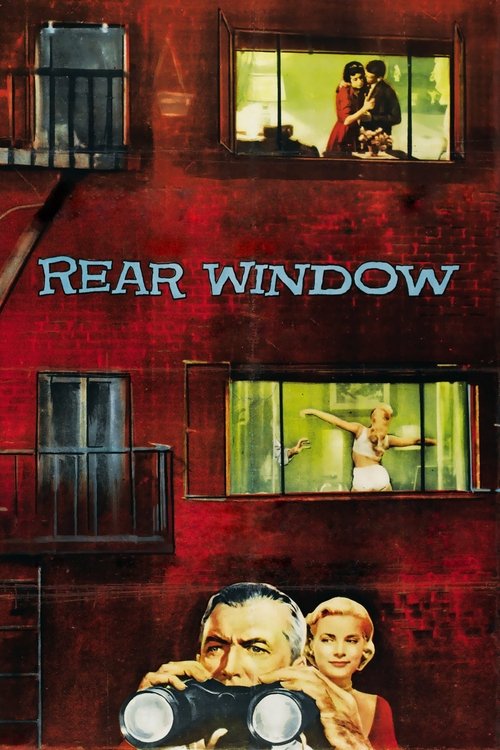
Rear Window1954
Hitchcock again, but purer voyeurism: a man confined to his apartment turns binoculars on his neighbours and drags the audience into looking with him, guilt and thrill fused together.
But It's playful where Peeping Tom is anguished — more wit than dread, so the moral discomfort lands lighter.
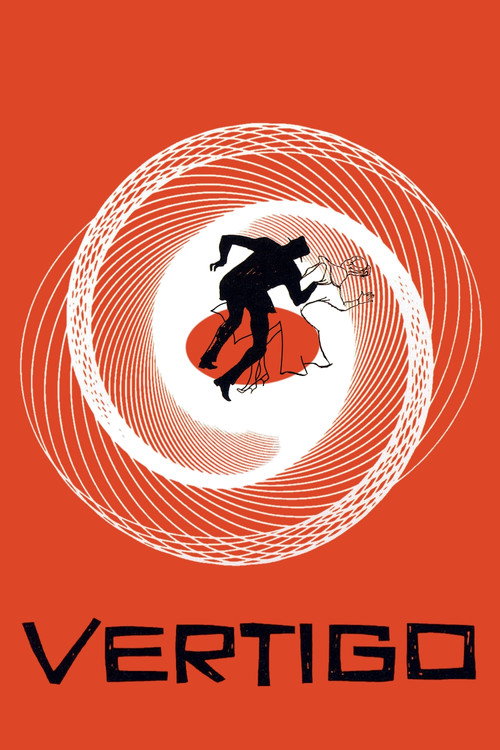
Vertigo1958
Obsession with remaking a woman into an image, told through a camera-eyed director's sensibility — Hitchcock's most painterly, saddest film about looking as a form of possession.
But Slow and dreamlike where Peeping Tom is clipped and clinical; its spiralling second half demands patience.
The wildcard
Something you would not have found on your own.
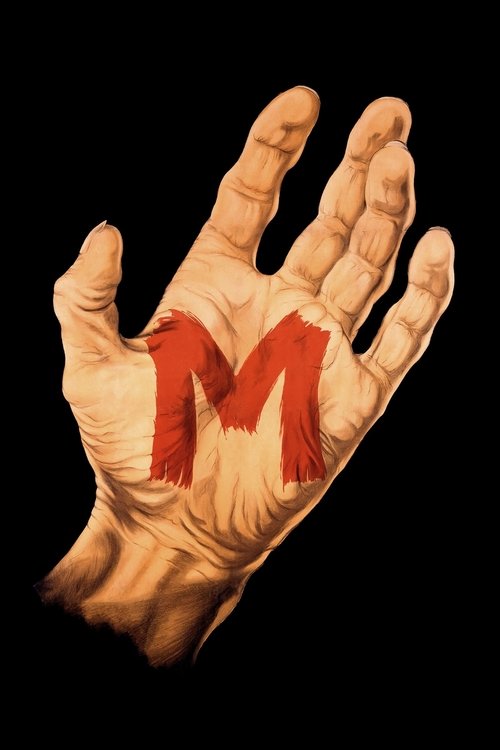
M1931
Both films risk audience sympathy for a killer rather than settling for fear of one — Lang got there first, and Powell's critics never forgave him for following.
Fritz Lang's early sound masterpiece gives a child-killer a face, a whistle, and a horrible loneliness — asking audiences to feel pity for a monster three decades before Powell dared the same thing.
But Silent-adjacent pacing and 1930s theatrical acting will feel alien if you're used to modern rhythms.
More like this (8)
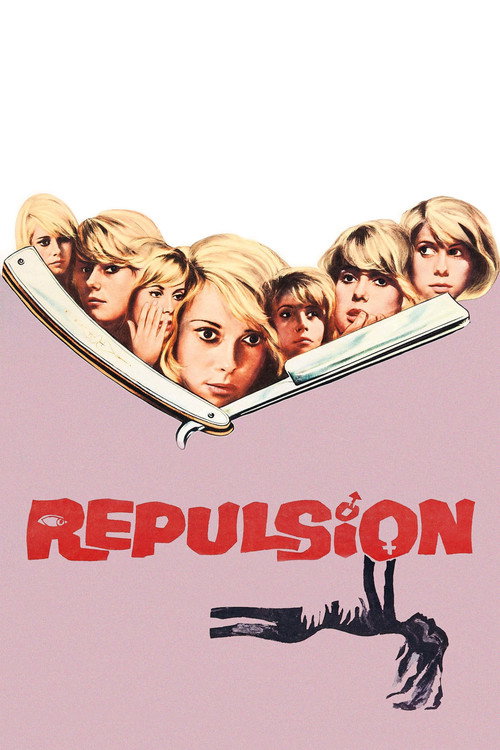
Repulsion1965
Polanski's claustrophobic portrait of a woman unravelling alone in her flat shares Powell's interest in trauma curdling into violence, shot with the same clinical, unflinching eye.
But Almost wordless and relentlessly interior — it asks you to sit with discomfort rather than delivering conventional scares.
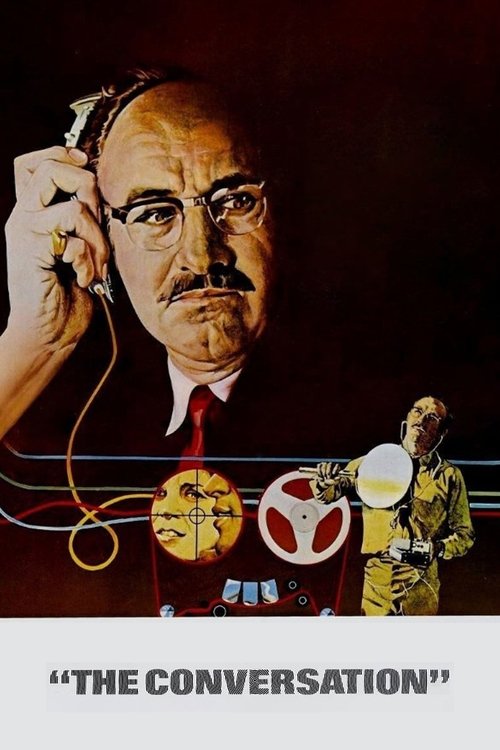
The Conversation1974
Coppola's surveillance thriller swaps camera for tape recorder but keeps the same lonely technician convinced his machines can capture truth, and the same slow moral rot underneath.
But It's a hushed, cerebral thriller with almost no violence; if you want horror, this will feel oddly quiet.
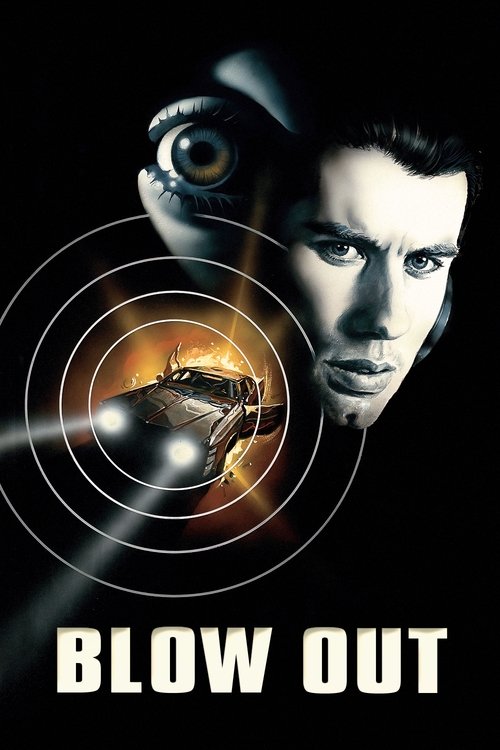
Blow Out1981
De Palma's homage wears its Peeping Tom debt openly: a sound man who records death for his craft gets pulled into the crime he documented, filmmaking itself put on trial.
But The plotting is pulpier and more melodramatic, trading psychological subtlety for thriller mechanics.
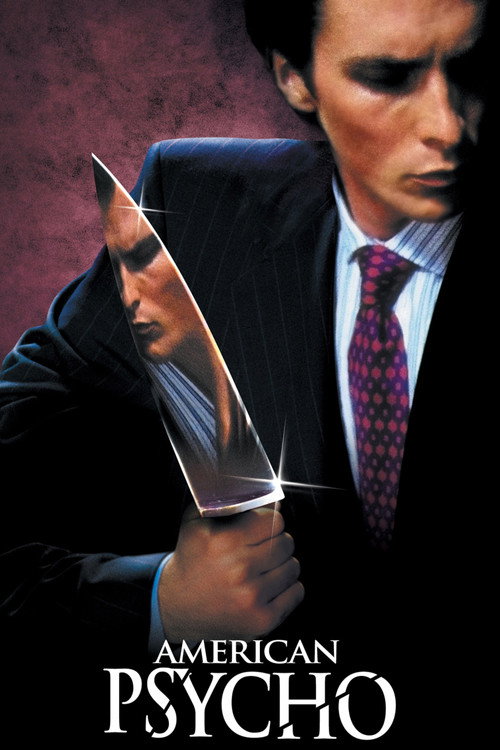
American Psycho2000
A different decade's monster, but the same idea: a man performing normalcy while atrocity hides behind a camera-ready face, satire sharpened into something genuinely unsettling.
But Broader and funnier, closer to satire than tragedy — Mark Lewis is pitiable in a way Bateman never is.
Black Swan2010
Aronofsky's ballet-horror shares Powell's backstage setting and its heroine's collapse into performance and image, body and camera merging until nothing feels reliable anymore.
But More operatic and hallucinatory, less interested in restraint — it goes for spectacle where Peeping Tom holds back.

Henry: Portrait of a Serial Killer1986no page yet
Stripped of style and sympathy, this is the ugliest version of the same premise: a killer's routine filmed with documentary flatness, no score, no comfort, nothing softened.
But Genuinely punishing to sit through — grim, cheap-looking, and offers none of Powell's tenderness or beauty.
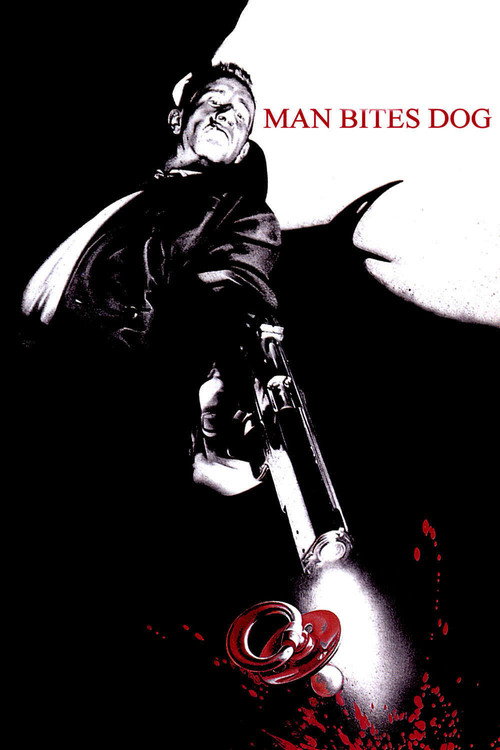
Man Bites Dog1992
Powell made the camera the murder weapon in one man's hands; this film hands the same weapon to an entire crew and dares you to keep watching.
A mockumentary crew embeds with a charming serial killer, filming his murders for a project that curdles into complicity — pitch-black comedy that makes the camera itself the accomplice.
But It's savage, gleeful satire rather than tragedy — played for queasy laughs where Peeping Tom plays for grief.
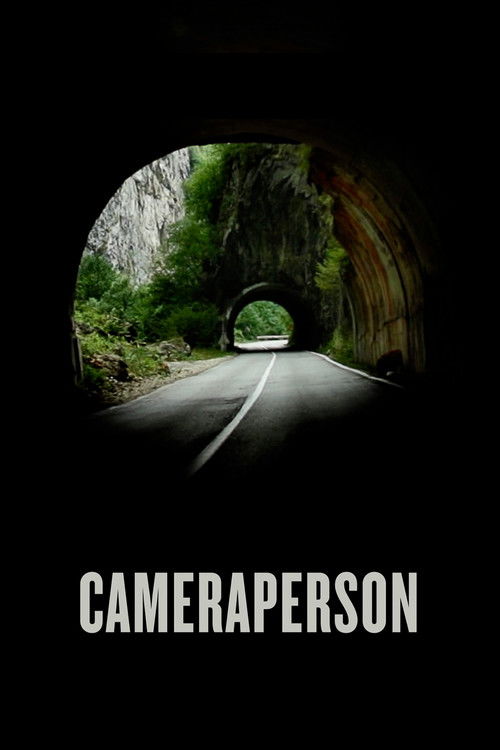
Cameraperson2016
Powell asked whether the camera can ever be innocent; Johnson, decades later and for real, asks the same question of herself, with no fiction to hide behind.
Kirsten Johnson assembles decades of her own unused footage — war zones, family, strangers' grief — into a memoir about what filming other people's pain does to the person holding the camera.
But No plot, no violence, no genre thrills — just fragments and reflection; a patient, meditative watch.
People
Cast
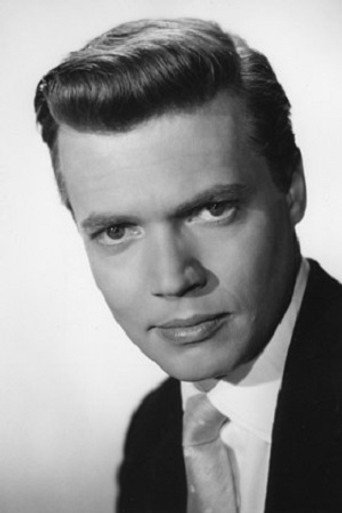 Karlheinz BöhmMark Lewis
 Moira ShearerVivian
 Anna MasseyHelen Stephens
 Maxine AudleyMrs. Stephens
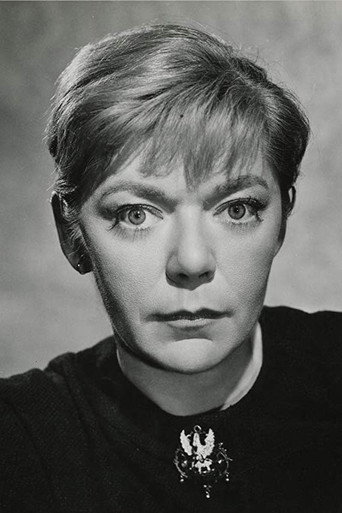 Brenda BruceDora
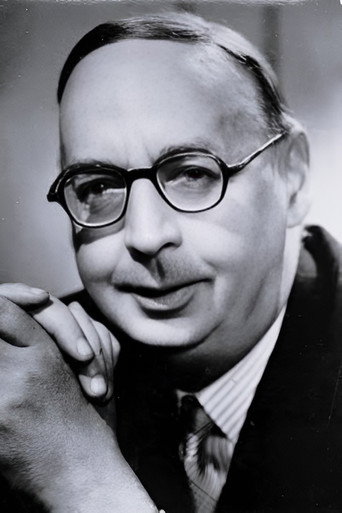 Miles MallesonElderly Gentleman Customer
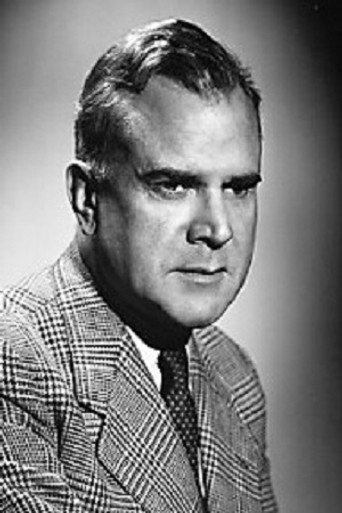 Esmond KnightArthur Baden
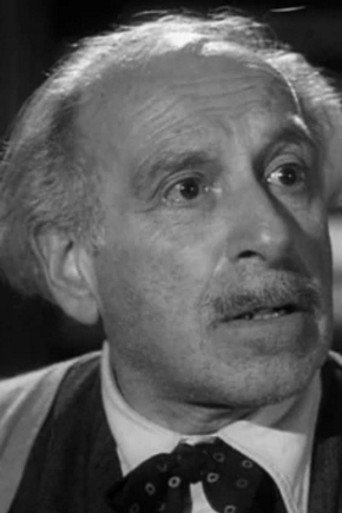 Martin MillerDr. Rosen
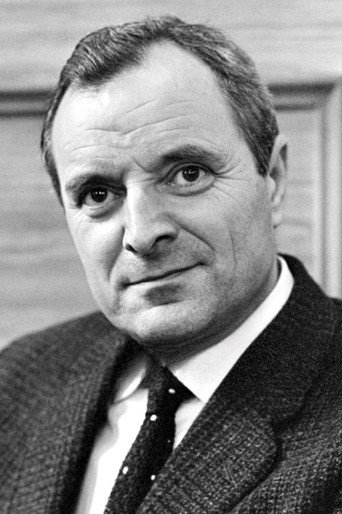 Michael GoodliffeDon Jarvis
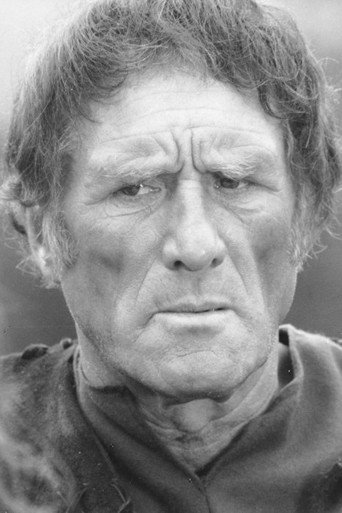 Jack WatsonChief Insp. Gregg
 Shirley Anne FieldPauline Shields
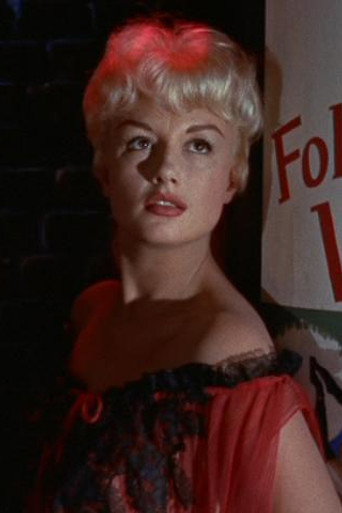 Pamela GreenMilly
Directing
- Ted SturgisAssistant Director
- Rita DavisonContinuity
- Michael PowellDirector
- Denis Johnson JrSecond Assistant Director
- Carl ManninThird Assistant Director
Production
- Albert FennellAssociate Producer
- Michael PowellProducer
- Bill PatonProduction Assistant
- Judith CoxheadProduction Assistant
- Alfred W. MarcusProduction Manager
- Bill BurnsidePublicist
Recommended by
Psycho, Halloween, Blow-Up, Man Bites Dog, The Fall, The Vanishing, Promising Young Woman, Under the Skin, Funny Face, The Cabin in the Woods, Videodrome, Blue Velvet, Sinister, The Lodger: A Story of the London Fog, Deep Red, The Piano Teacher