
Film
Blue Velvet
Blue Velvet is David Lynch's suburban nightmare disguised as a mystery: a severed ear leads a naive young man into a nightclub singer's world of sadism and secrets hiding behind picket fences. It's gorgeous, disturbing, and deliberately queasy, mixing 1950s innocence with real menace. Best for viewers who want their thrillers laced with dread, black comedy, and the sense that something is very wrong just beneath the surface.
If you liked this
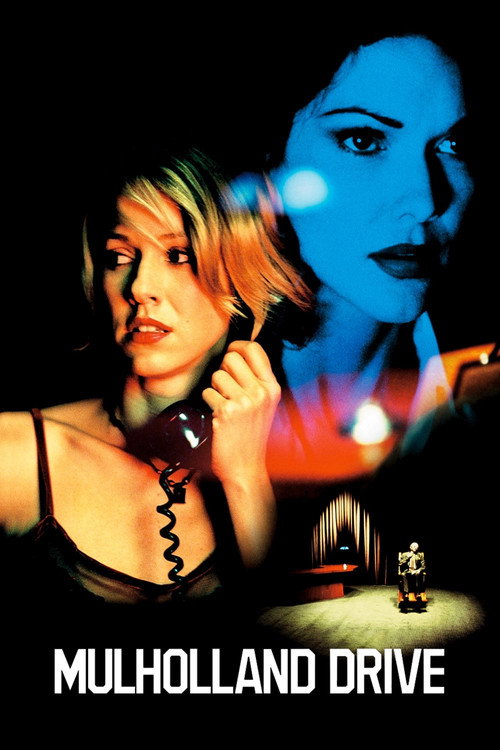
Mulholland Drive2001
Lynch doubling down on dream logic and hidden menace, this time inside Hollywood's glamour rather than small-town Americana, with an even more unsettling structure.
But Stranger and less linear, it offers fewer answers and may frustrate anyone wanting a mystery that actually resolves.
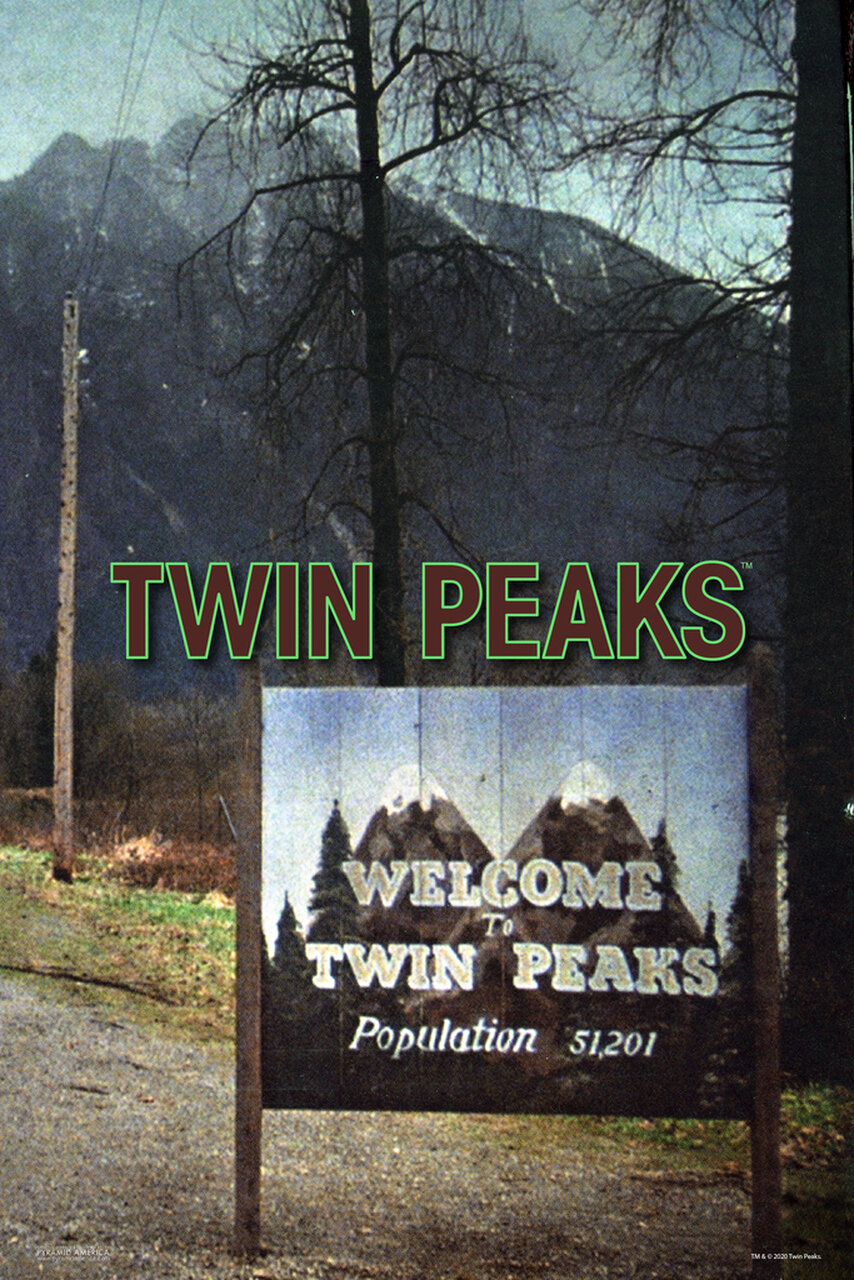
Twin Peaks1990
Lynch's series shares the fascination with a wholesome town hiding rot, stretched into soap-opera weirdness with characters you won't forget.
But The uneven second season and constant tonal whiplash between comedy and horror can test your patience.
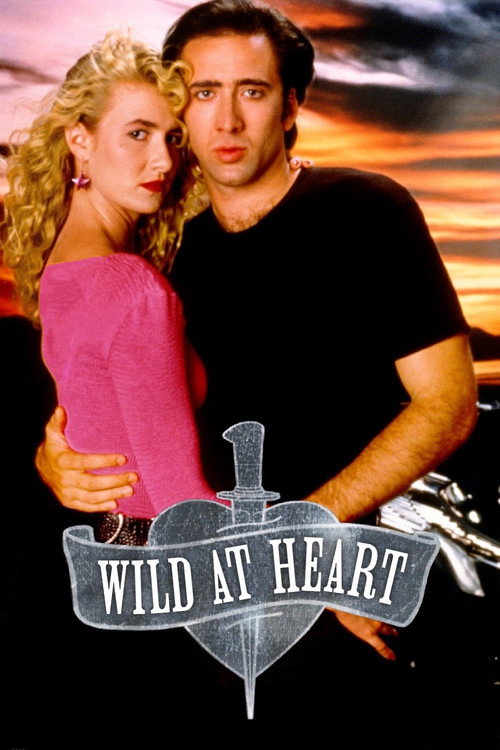
Wild at Heart1990
Lynch turns up the trash and the romance—same nightmare logic, but hotter, funnier, and even more unhinged, with an Elvis obsession running through it.
But Broader camp and road-movie sprawl feel looser and less controlled than Blue Velvet's tight, suffocating menace.
The wildcard
Something you would not have found on your own.
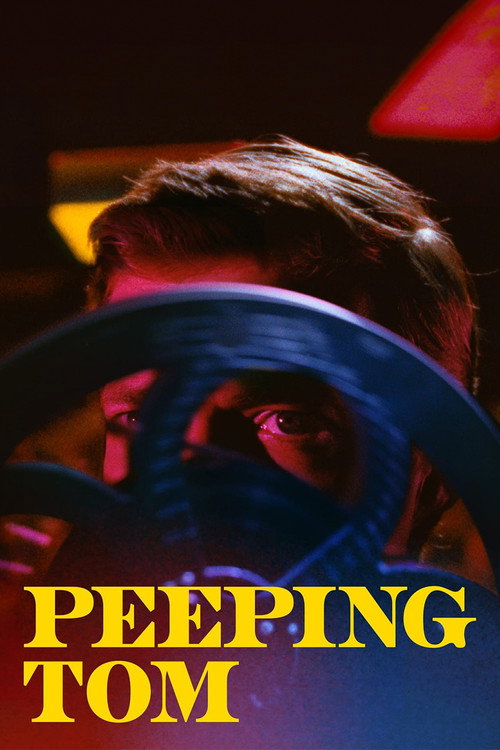
Peeping Tom1960
Both make watching itself the crime—Jeffrey's closet voyeurism and the cameraman's lens are the same violation, and both directors ask what it costs an audience to keep looking.
A shy cameraman who films his own murders becomes horror's most uncomfortable protagonist—sympathetic, complicit, and monstrous all at once—in a film so ahead of its time it wrecked its director's career.
But Slower and more clinical than Lynch's film, and its scandal-era shock has faded into something quieter and sadder now.
More like this (8)
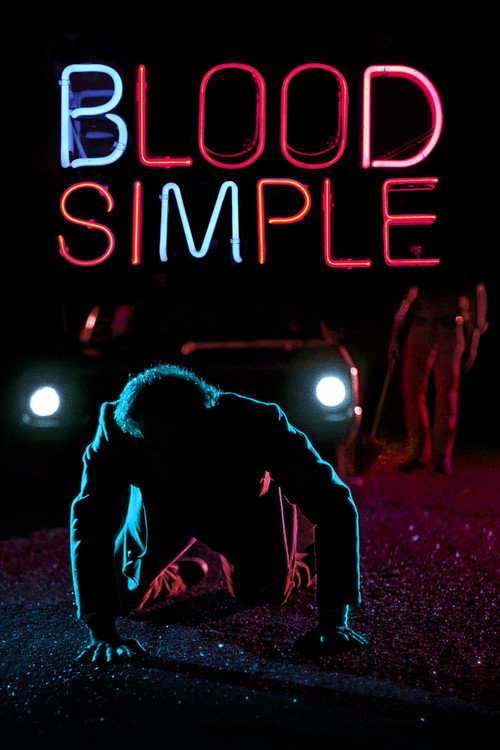
Blood Simple1985
The Coen Brothers' lean, nasty debut noir about jealousy and murder in a small town, with the same slow-building dread and pitch-black humor.
But More straightforward thriller mechanics, without the surreal texture or sexual danger that defines Lynch's film.
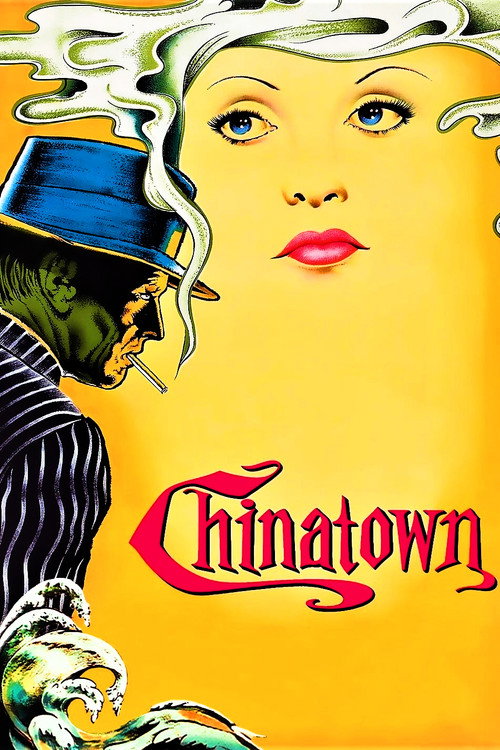
Chinatown1974
The gold standard of American noir, about an investigator pulled far past his depth into rot hidden beneath civic respectability.
But Cooler and more procedural—none of the dreamlike menace or eroticism that runs through Blue Velvet.
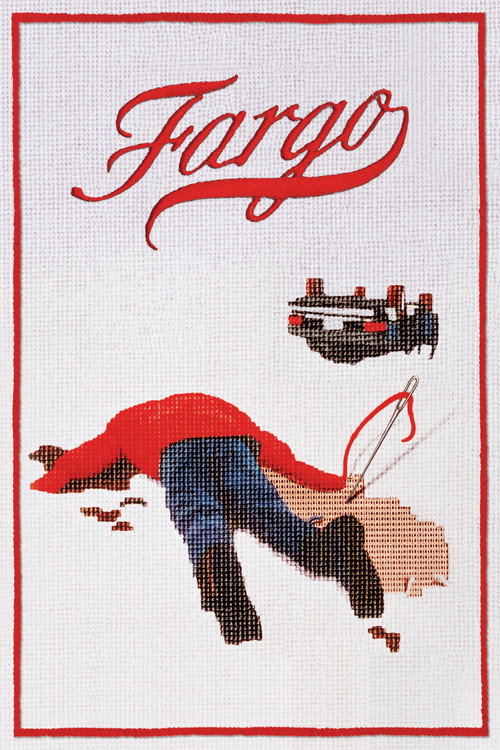
Fargo1996
Another crime unravelling beneath a placid, folksy surface, laced with absurd violence and the same dark comic instincts.
But Snowier and funnier, with a wry tone rather than the nightmarish dread Lynch traffics in.
American Beauty1999
Manicured suburban lawns concealing obsession and violence, told with a similarly voyeuristic curiosity about what's behind closed doors.
But Leans more melodrama than thriller, and its once-daring satire has aged into something more dated for some viewers.

Red Rock West1993no page yet
A drifter mistaken for a hitman stumbles into a web of small-town corruption and double-crosses—pure neo-noir pulp done well.
But Lower budget, less atmosphere and craft overall, closer to B-movie plotting than Lynch's controlled dread.
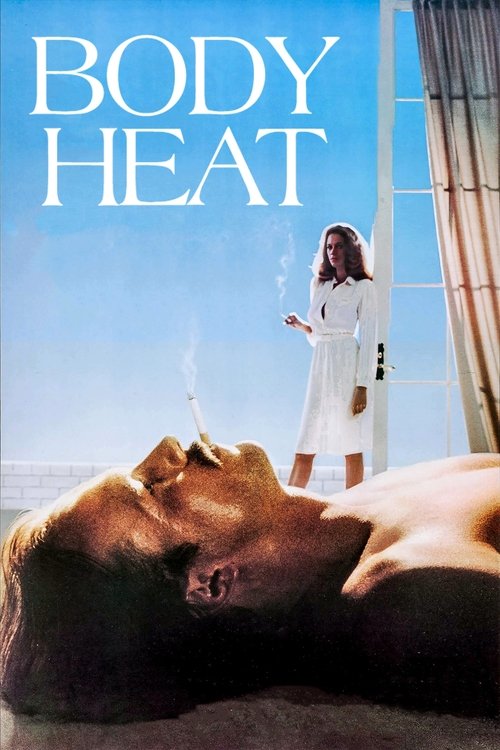
Body Heat1981
A steamy neo-noir where lust drags an ordinary man toward murder, echoing the erotic danger sitting at the center of Blue Velvet.
But Plays its noir straight with no surreal undertow—more genre homage than nightmare.
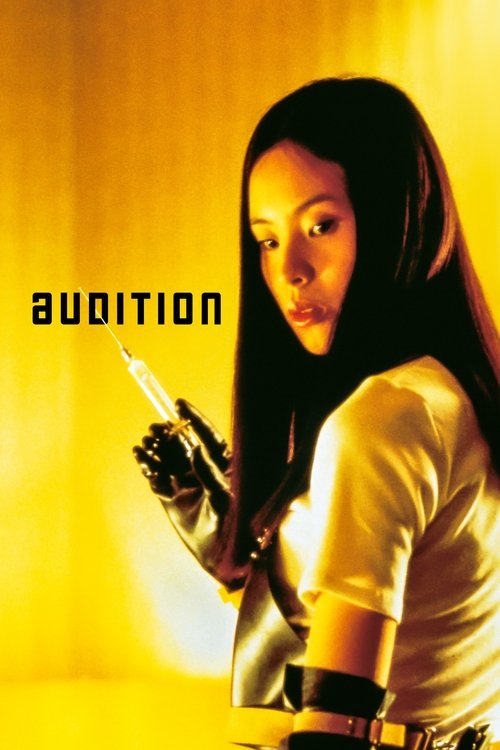
Audition2000
Same structural trick as Blue Velvet—an ordinary man's curiosity cracks open a door onto depravity he can't close again, just filmed in a totally different key of horror.
A lonely widower's search for a new wife curdles into one of cinema's most notorious bait-and-switches, trading noir dread for full-blown body horror with the same slow, polite build.
But Genuinely extreme by the end—gruelling and gross, built to punish anyone expecting a tidy resolution.
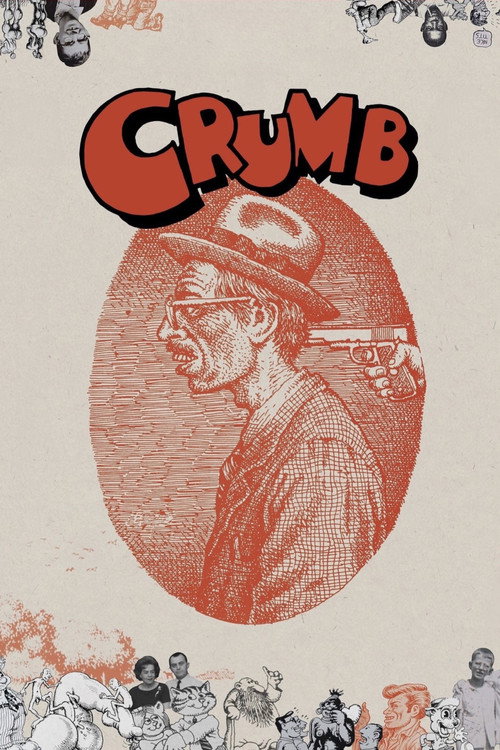
Crumb1995
It's the nonfiction cousin of Frank Booth's world—actual people whose warped hungers make Lynch's fiction look almost restrained, proving the rot beneath ordinary American life isn't just a Lynch invention.
Terry Zwigoff's documentary about underground cartoonist Robert Crumb and his deeply damaged family finds the same grotesque desire and rot that Lynch invents—except this is all real.
But No plot, no thriller momentum, just unflinching, sometimes upsetting portraiture that can feel too bleak or voyeuristic itself.
People
Cast
 Isabella RosselliniDorothy Vallens
 Kyle MacLachlanJeffrey Beaumont
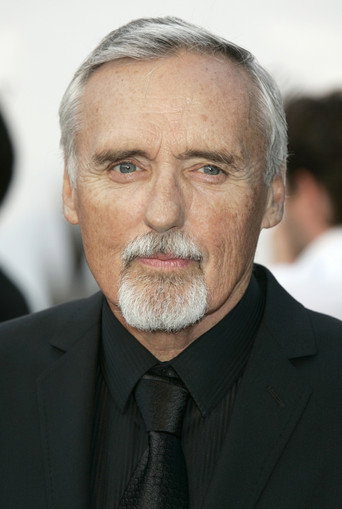 Dennis HopperFrank Booth
 Laura DernSandy Williams
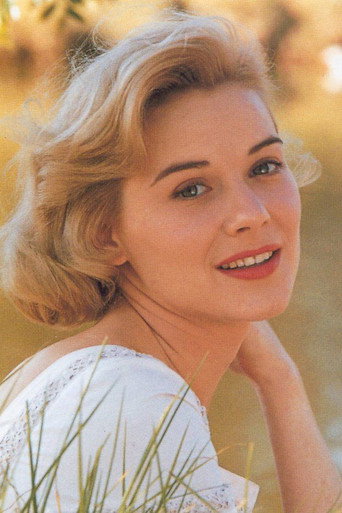 Hope LangeMrs. Williams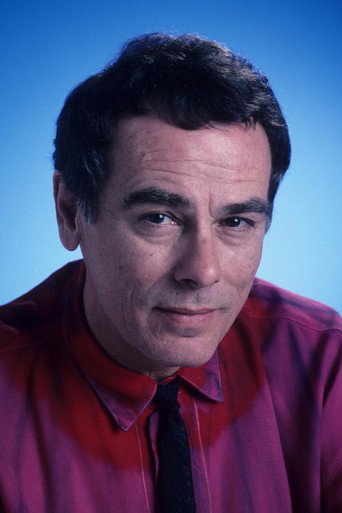
 George DickersonDetective Williams
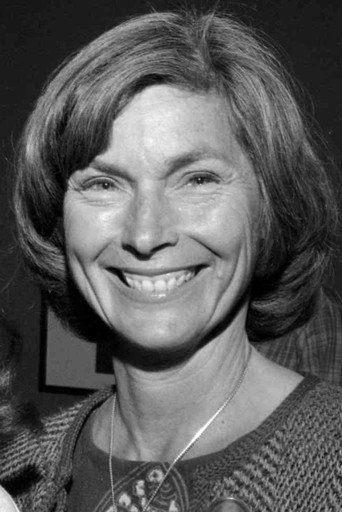 Priscilla PointerMrs. Beaumont
 Frances BayAunt Barbara
- Jack HarveyMr. Beaumont
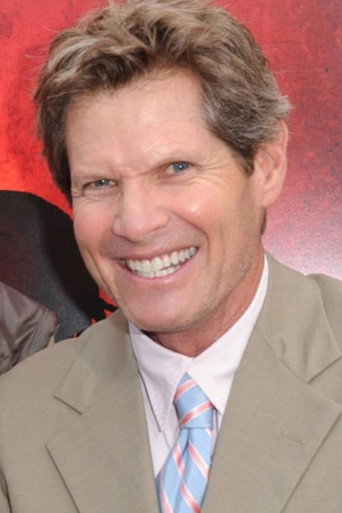 Ken StovitzMike
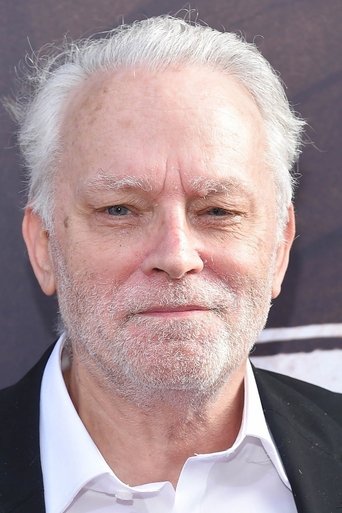 Brad DourifRaymond
Directing
- David LynchDirector
- Ellen RauchFirst Assistant Director
- Rena Sternfeld-AllonScript Supervisor
- Ian WoolfSecond Assistant Director
Writing
- David LynchWriter
Production
- Johanna RayCasting
- Pamela GuestCasting
- Pat GoldenCasting
- Dino De LaurentiisExecutive Producer
- Richard A. RothExecutive Producer
- Fred C. CarusoProducer
- Fred C. CarusoProduction Manager
- Gail KearnsProduction Supervisor
Recommended by
Something Wild, The Andy Griffith Show, Cape Fear, Mulholland Drive, American Beauty, Shadow of a Doubt, Peyton Place, The Blue Angel, Wild at Heart, The Piano Teacher