
Film
Shadow of a Doubt
Hitchcock called this his favourite of his own films, and it's easy to see why: a small California town, gentle and unassuming, turns out to be the perfect hiding place for something rotten. It's a slow-burn character study disguised as a thriller, more interested in the domestic textures of denial than in chases or twists. Patient, unsettling, quietly devastating.
If you liked this
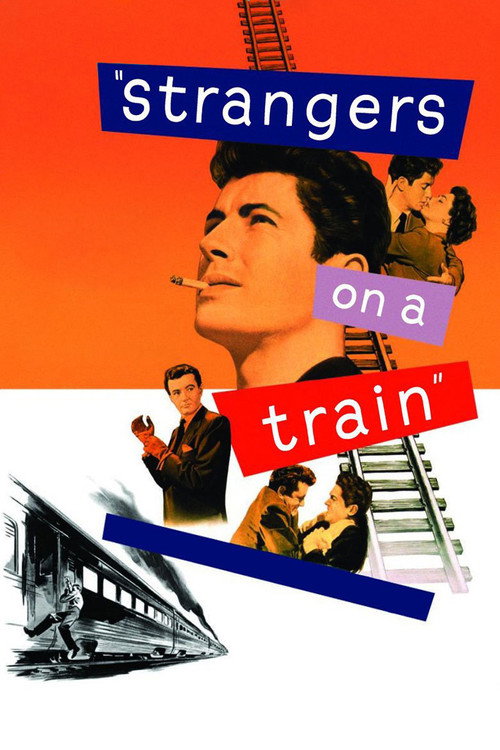
Strangers on a Train1951
Hitchcock again, but with a different problem: what happens when charm and menace share a face, and the polite world around them refuses to see it. Robert Walker's villain is one of cinema's great charming monsters — you'll want to look away and can't.
But The tennis-court plotting is dated, and if you've already absorbed a dozen imitators, the original twist may not land as hard.
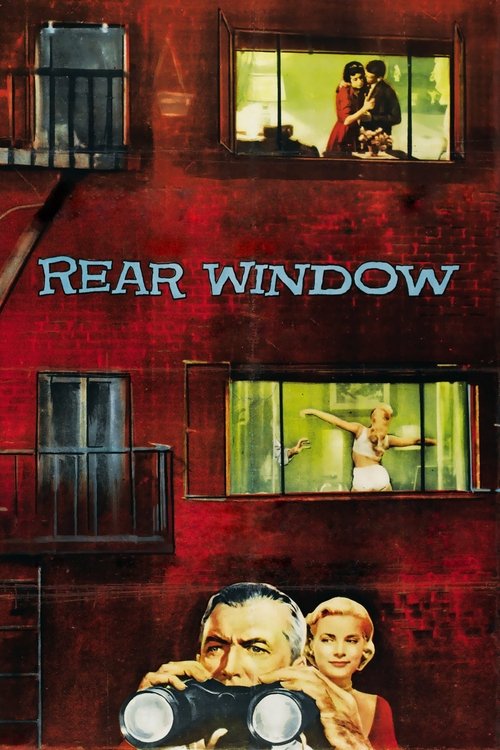
Rear Window1954
Same director, same nagging question — is suspicion evidence or projection? — but rebuilt around a man who can't move and a neighbourhood he can't stop watching. Gorgeous, claustrophobic, one of the great arguments for staying in your seat.
But It's a single-set stage piece at heart; if you want momentum and locations, this will feel static.
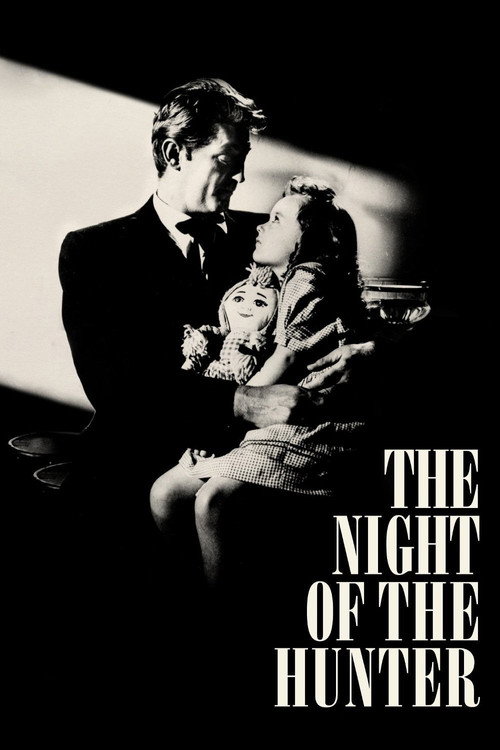
The Night of the Hunter1955
A charismatic predator worms his way into a trusting family, and children are the only ones who see him clearly. Robert Mitchum's preacher is genuinely frightening, and the fairy-tale visuals turn dread into something almost mythic.
But The tonal swings between nightmare and folk tale are jarring if you want straightforward realism.
The wildcard
Something you would not have found on your own.
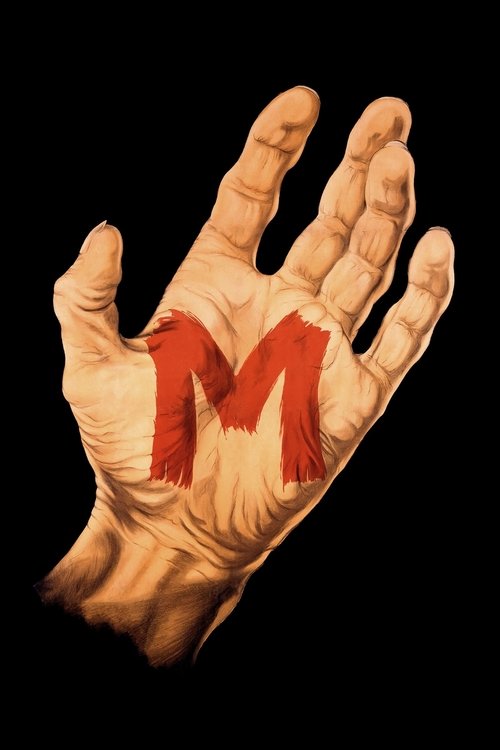
M1931
Both films are about a community's collective refusal to see evil until it's undeniable, and about how ordinariness is the best disguise a predator has.
Long before Hitchcock, Lang built a whole city's paranoia around the idea that a monster might look like anyone — a neighbour, a stranger on the street, even the man who buys you sweets. Chilling, and eerily modern in its crowd psychology.
But It's a silent-era-adjacent 1931 German production; the pacing and performance style take real adjustment for modern viewers.
More like this (8)
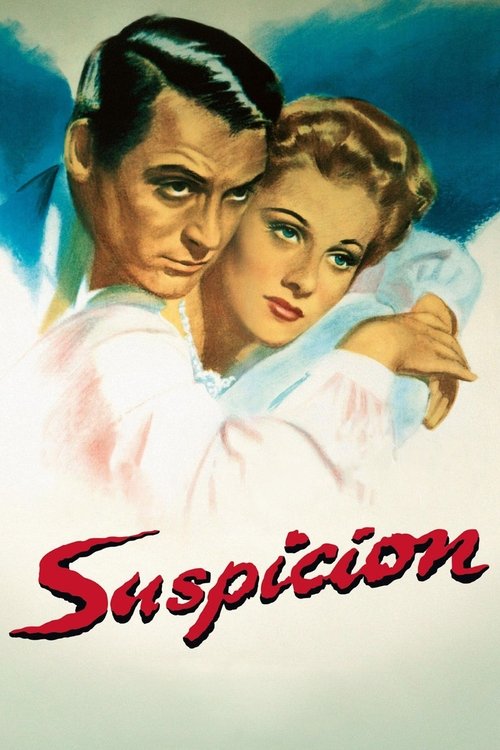
Suspicion1941
Hitchcock's other great study of doubting someone you love, this time a wife wondering if her charming husband means to kill her. Cary Grant plays against type, and the film lives entirely in the gap between affection and dread.
But The ending was famously softened by the studio, and it undercuts some of the film's nerve.
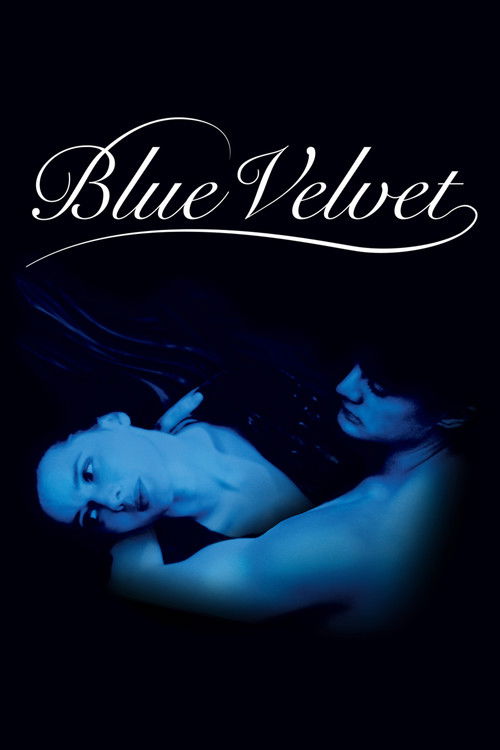
Blue Velvet1986
Small, sunny American town, a nice young man pulling back the curtain on something monstrous underneath — Lynch takes the same premise and pushes it into surreal, sexualized nightmare. Genuinely unlike anything else on this list.
But It's much stranger and more disturbing than anything in classic Hitchcock; not for anyone wanting restraint.
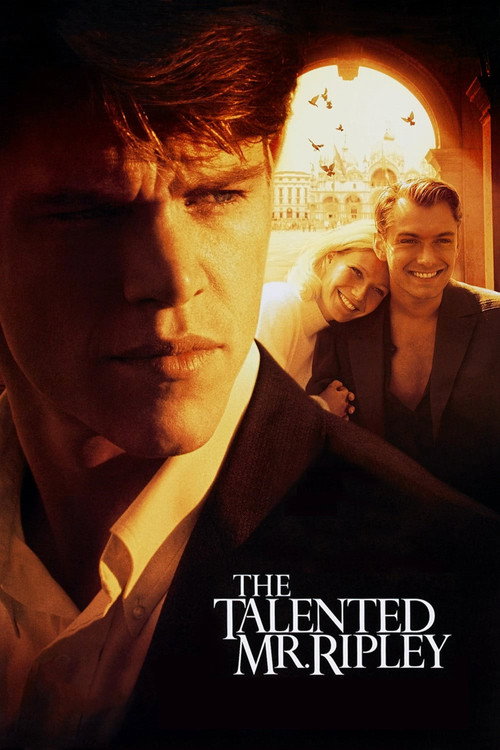
The Talented Mr. Ripley1999
A study in charm as camouflage, following a man who is warm, witty, and utterly without conscience. Matt Damon is quietly terrifying, and the film asks how much we forgive someone simply because we like them.
But It's languid and sun-drenched rather than tense; patience is required for the slow unraveling.
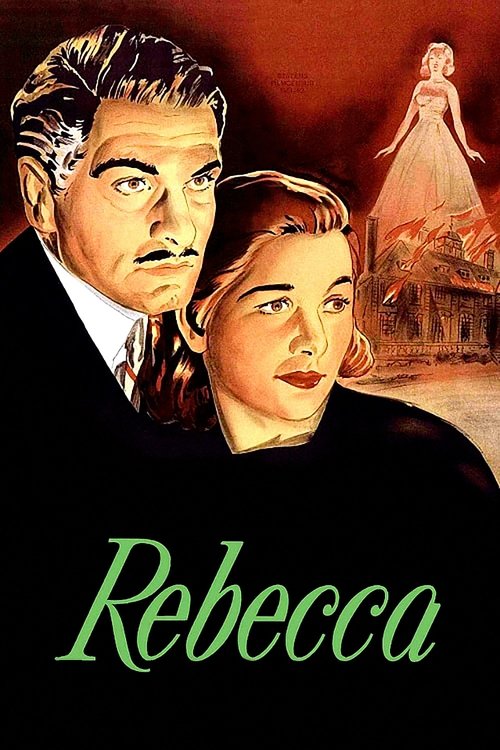
Rebecca1940
Another Hitchcock house with a secret in its walls, this time a marriage haunted by a dead first wife nobody will talk about honestly. Gothic, lush, and full of the same quiet dread that comes from not being told the truth.
But It leans more romance-gothic than thriller, and the pacing is stately rather than urgent.
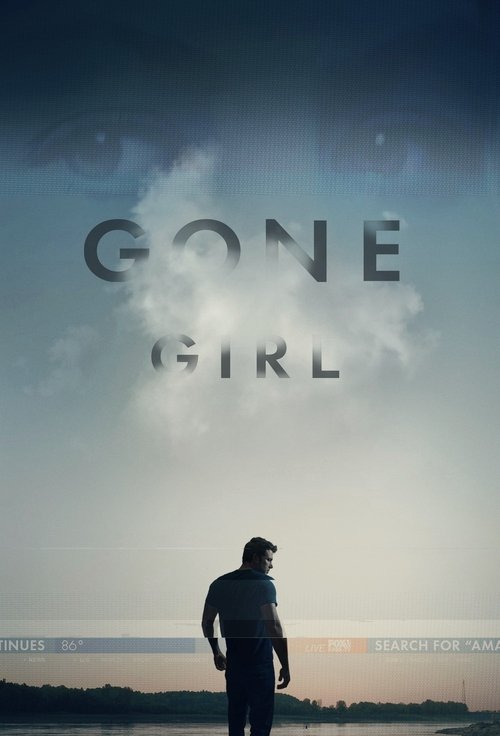
Gone Girl2014
A modern, nastier cousin: marriage, media, and the terrifying possibility that the person you know best is a stranger performing a role. Sharp, cynical, and built to make you argue about it afterward.
But The tone is colder and more cynical; it trades small-town warmth for satire and spectacle.
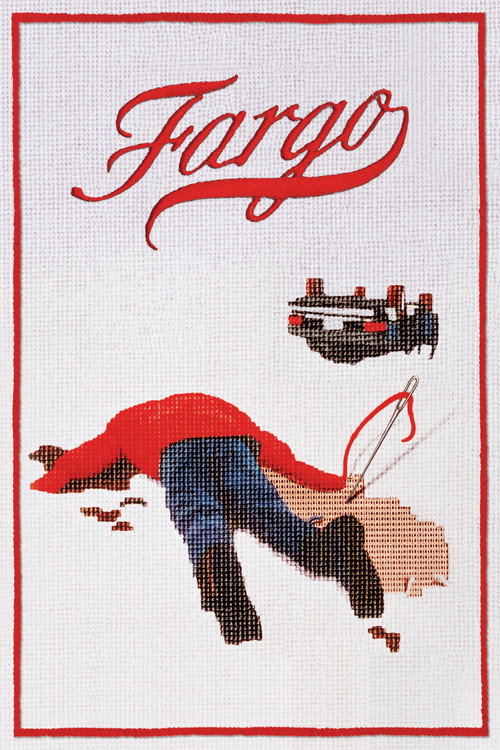
Fargo1996
The Coens take small-town Americana and crime and run it through pitch-black comedy instead of suspense — same interest in ordinary decency colliding with real evil, wildly different mood.
But The humour is broad and regional; if you want pure dread rather than dark comedy, this may feel like a tonal detour.
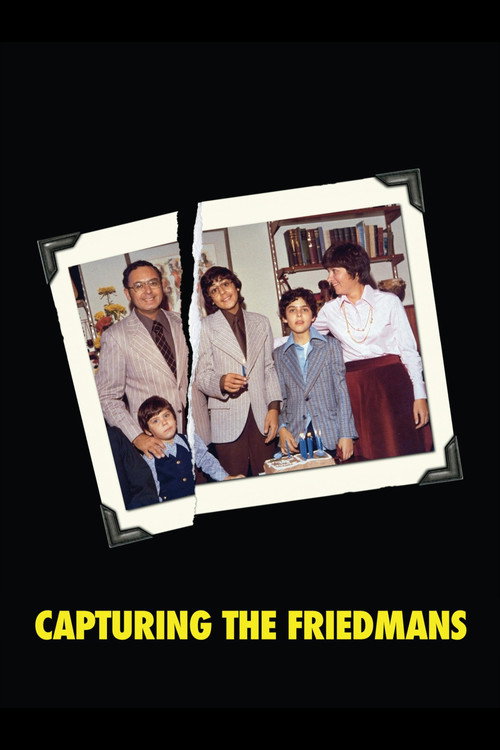
Capturing the Friedmans2003
Where Shadow of a Doubt imagines a family choosing denial over the truth about someone they love, this documentary shows that exact dynamic actually happening, home-movie footage and all.
A real family implodes on camera when the father and brother are accused of terrible crimes, and everyone around them — including the family itself — has to decide what they're willing to believe. Devastating, unresolved, shot from the inside.
But It's a true story with no clean resolution and real victims; this is heavier and more uncomfortable than a scripted thriller.
The Stepfather1987no page yet
It's the same domestic-predator engine stripped of prestige and played straight as horror, showing how far the idea stretches once you drop the elegance.
Take the same setup — charming man, welcomed into a trusting household, teenage girl who is the only one who senses something wrong — and push it into pulpy, gleeful 80s horror. Terry O'Quinn is superb as pure suburban menace.
But It's trashier and far less subtle, with none of Hitchcock's restraint; this is B-movie thrills, not art.
People
Cast
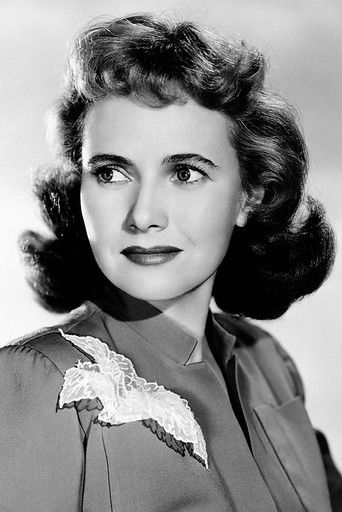 Teresa WrightCharlie Newton
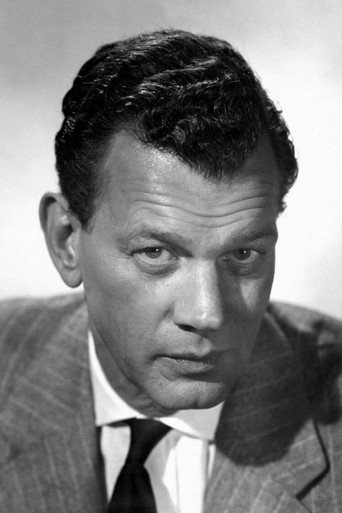 Joseph CottenCharlie Oakley
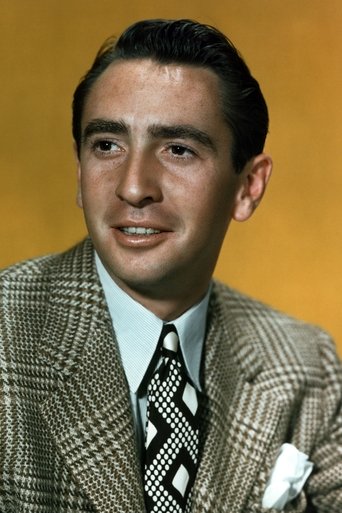 Macdonald CareyJack Graham
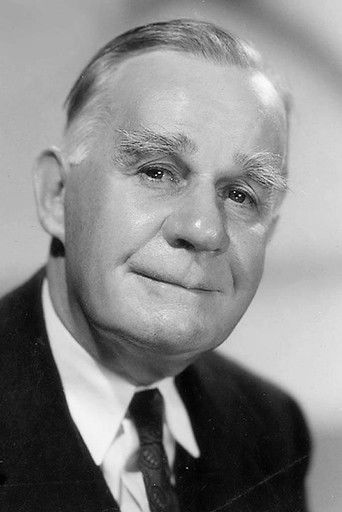 Henry TraversJoseph Newton
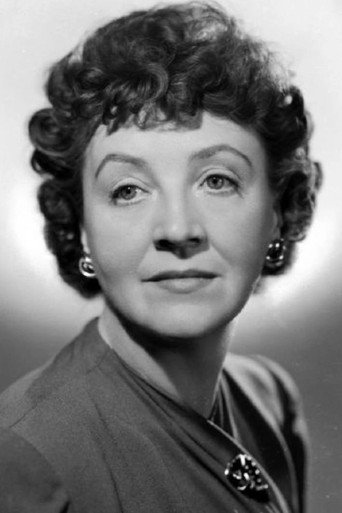 Patricia CollingeEmma Newton
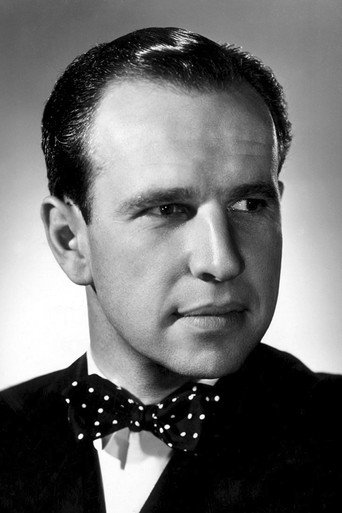 Hume CronynHerbie Hawkins
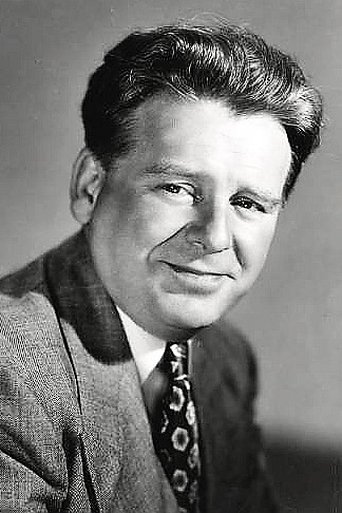 Wallace FordFred Saunders
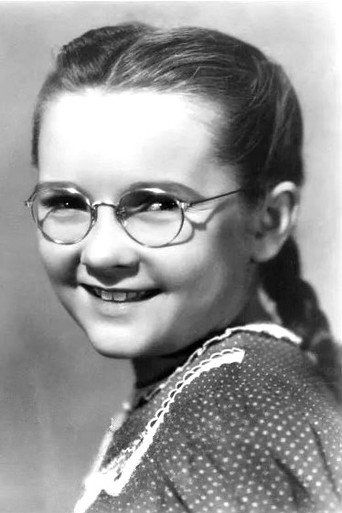 Edna May WonacottAnn Newton
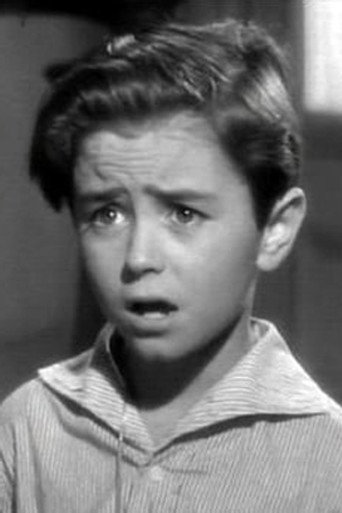 Charles BatesRoger Newton
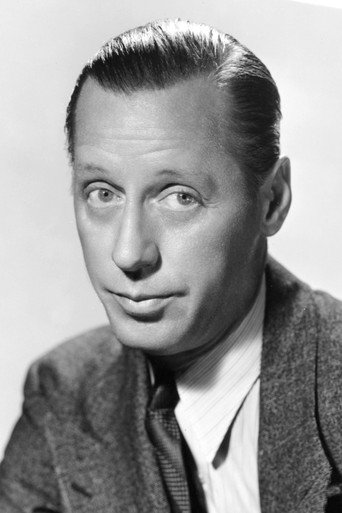 Irving BaconStation Master
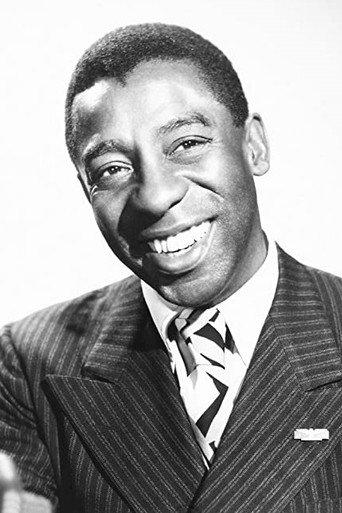 Clarence MusePullman Porter
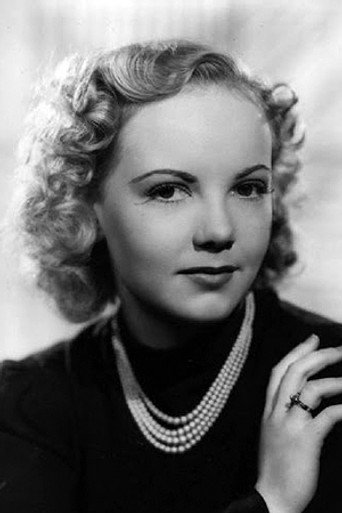 Janet ShawLouise Finch
Directing
- William TummelAssistant Director
- Alfred HitchcockDirector
- Adele CannonScript Supervisor
- Ralph SlosserSecond Assistant Director
Writing
- Gordon McDonellOriginal Story
- Alma RevilleScreenplay
- Sally BensonScreenplay
- Thornton WilderScreenplay
Production
- Jack H. SkirballProducer
Recommended by
Disturbia, The Jinx: The Life and Deaths of Robert Durst, Dexter, Suspicion, Oklahoma!, Cape Fear, The Lodger: A Story of the London Fog, Strangers on a Train