
Film
Hitchcock/Truffaut
A documentary love letter to Hitchcock's influence, built around Truffaut's legendary 1966 interviews with the master himself. Modern filmmakers—Fincher, Anderson, Assayas—wrestle with how Hitchcock's techniques rewired cinema and their own work. It's a masterclass in suspense mechanics told by people who've devoted their careers to studying them. For anyone who wants to understand how movies work.
Should you watch it?
Watch it if you already love how directors talk shop, and you want to hear working filmmakers like Wes Anderson and David Fincher argue over the craft of a single famous book about movies.
Skip it if you want a film that moves, since this is mostly talking heads, archival clips and a calm narrator reflecting on one 1966 interview book rather than sweeping you along.
What it asks of you: It runs about eighty minutes and stays unhurried, asking you to sit with long stretches of conversation and to keep track of ideas more than plot or spectacle.
Not sure? Find tonight's pick in a minute.
If you liked this
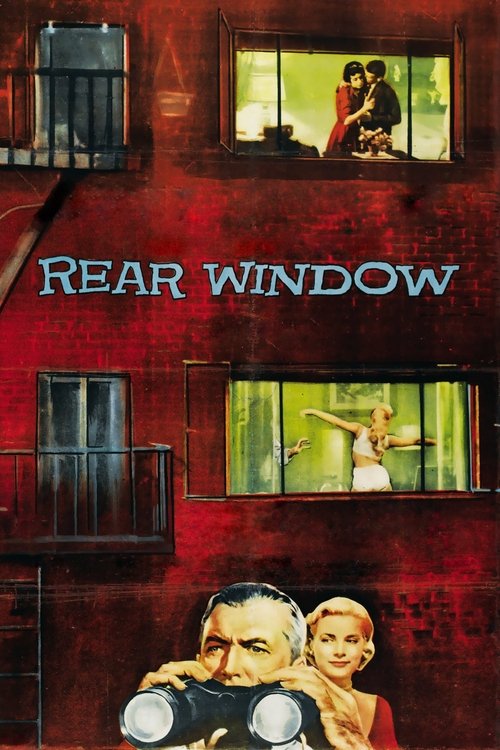
Rear Window1954
The perfect Hitchcock primer: a man watching from a window, a mystery unfolding across a courtyard, pure suspense from constraint and observation. It's also the film that Truffaut and his interviewees return to again and again.
But Deliberately paced by modern standards, and the gender dynamics feel dated. It's also very much of its era in ways that can distract.
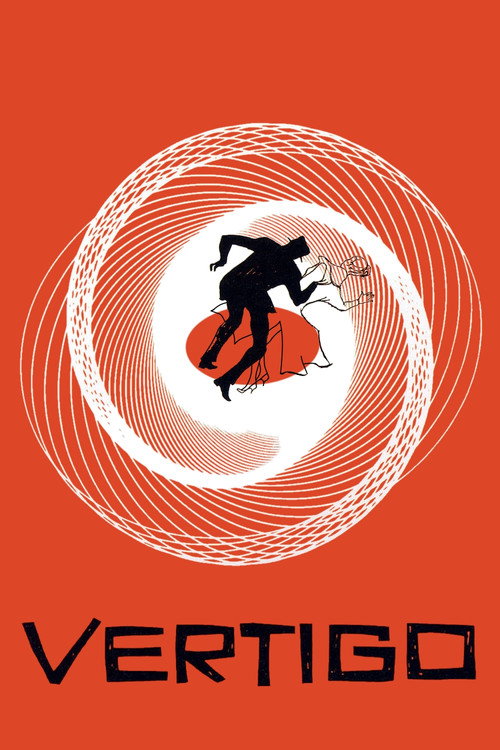
Vertigo1958
Hitchcock's most ambitious film, about obsession and manipulation, visually extraordinary and psychologically complex. The documentary treats it as his masterpiece, and watching it after the film helps you see what they mean.
But It's slow, hypnotic, and demands patience. Some find the plot mechanics cold, even cruel. It's more art object than thriller.
Rope1948
A real-time thriller confined almost entirely to one apartment, showing Hitchcock's genius for extracting maximum tension from minimal space. It's an experiment that shouldn't work but absolutely does.
But The gimmick—no cuts between shots—can feel mannered. The dialogue-heavy approach and theatrical tone won't click for everyone.

Not sure tonight? Get a pick in a minute, starting from Hitchcock/Truffaut
The wildcard
Something you would not have found on your own.
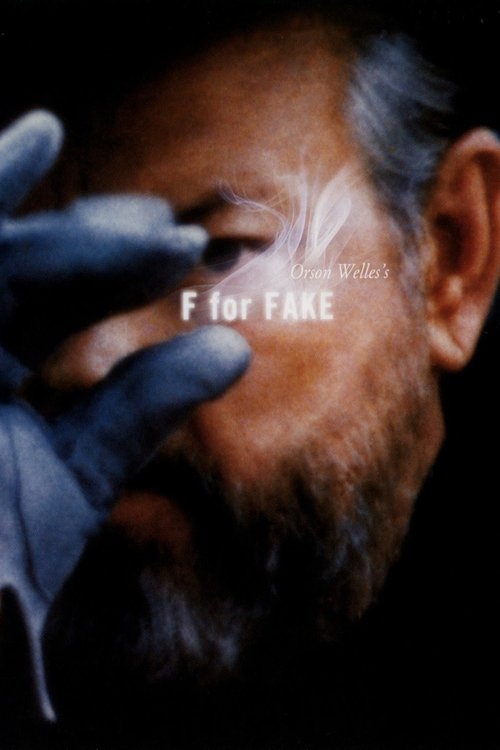
F for Fake1973
Both are about the architecture of belief—how filmmakers manipulate us into feeling and believing things. Welles plays with that consciously; Hitchcock perfected it instinctively. This explores the philosophical gap between them.
Orson Welles' meditation on deception, cinema, and what we believe when we watch. It's a film about filmmaking that uses Hitchcockian misdirection as its engine—a mirror image of how Truffaut approached Hitchcock's work.
But It's essayistic and fragmented, more interested in ideas than narrative coherence. Some find it self-indulgent; it demands an active viewer.
More like this (8)
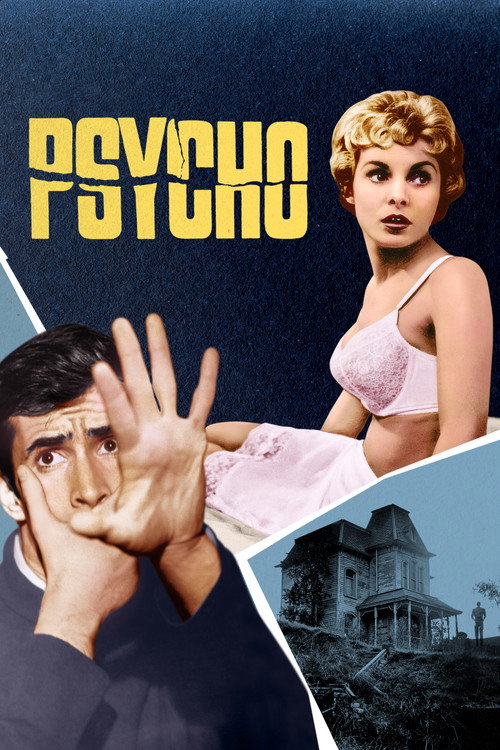
Psycho1960
The shower scene. The twist. The way it dismantled audience expectations and changed what horror could do. It's not subtle, but it's terrifyingly effective, and essential to any conversation about suspense cinema.
But The infamous scene is genuinely disturbing and the film has a misogynistic streak that's hard to ignore. It's also less complex than Vertigo, though that's not the point.
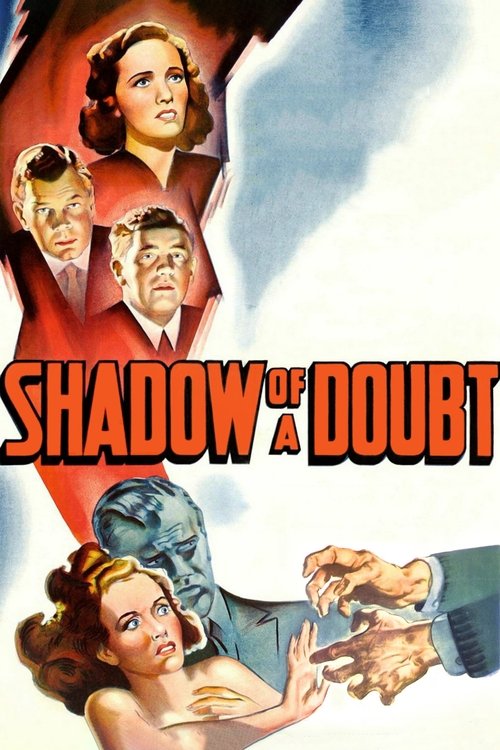
Shadow of a Doubt1943
Hitchcock's own favourite of his films: small-town America infected with darkness, a young woman's loss of innocence, suspense built from character rather than plot mechanics. It's intimate and deeply unsettling.
But It's quieter and less visually flashy than his later work. The pacing is 1940s pacing, and that's a commitment.
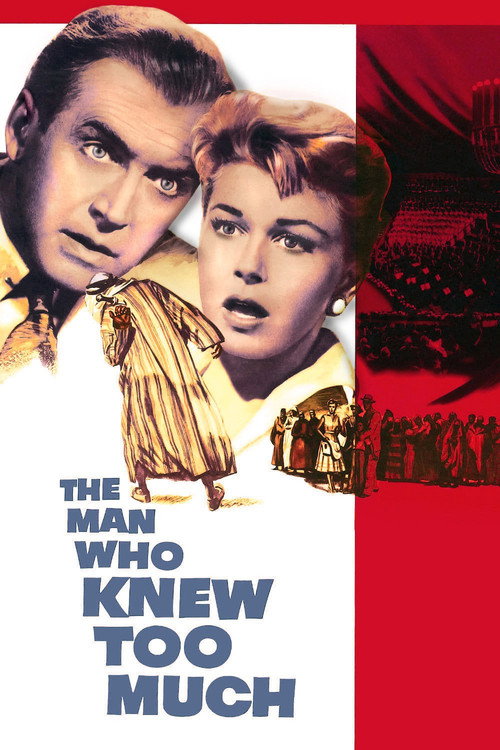
The Man Who Knew Too Much1956
A remake of his own 1934 film, this version is lush, elaborate, and showcases his command of narrative momentum. It's pure entertainment—a family pulled into international intrigue, perfectly executed.
But It's long and somewhat episodic. The plot is fundamentally silly, even if the filmmaking is immaculate.
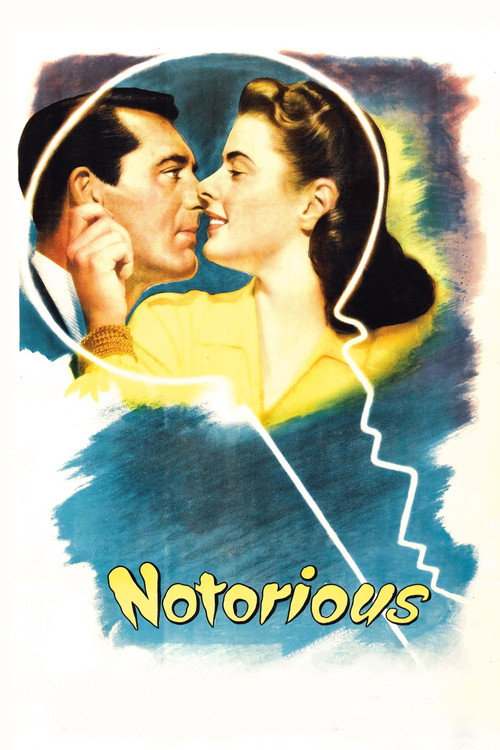
Notorious1946
A spy thriller that's also a love story, with Cary Grant and Ingrid Bergman creating electric tension. It's proof that Hitchcock could sustain character depth alongside suspense machinery.
But The premise involves coercion that sits uncomfortably with modern sensibilities. It's also more restrained than his later work, which some find less exciting.
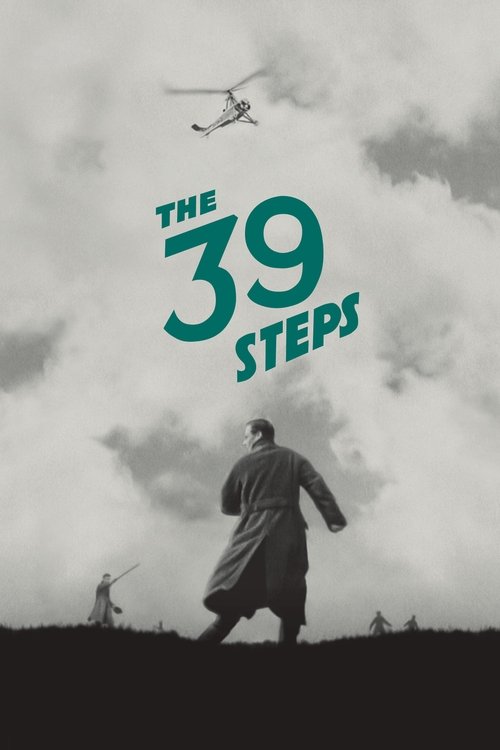
The 39 Steps1935
A lean, ingenious thriller with a wrongly accused man, a chase across Scotland, and barely a wasted moment. It's the DNA of the modern action-thriller, and it moves with remarkable confidence.
But It's slight compared to his later work, and some plot elements feel arbitrary. It's more Hitchcock the entertainer than Hitchcock the artist.
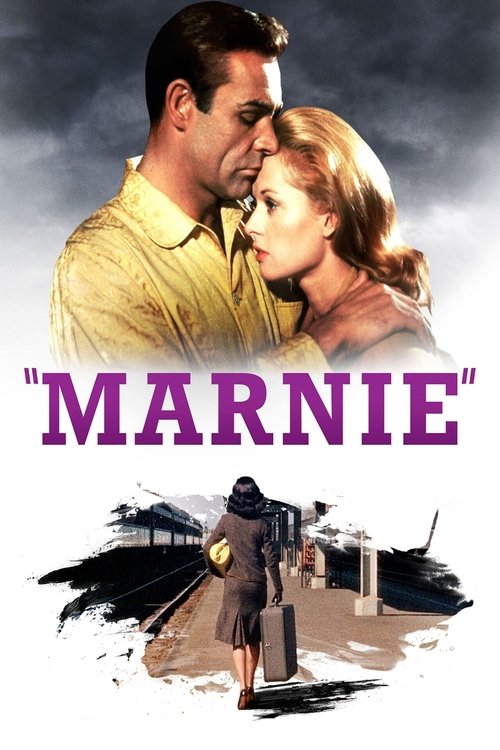
Marnie1964
A psychological drama disguised as a thriller, about compulsion and trauma. Tippi Hedren is extraordinary, and the film is genuinely strange in ways that repay close attention.
But The back-projection and studio sets look artificial. The treatment of the female lead is questionable, and the psychoanalytic ending feels reductive to modern viewers.
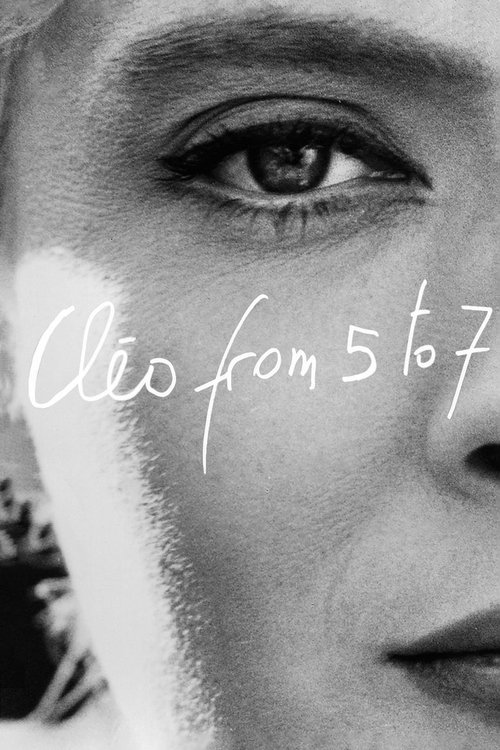
Cléo from 5 to 71962
Both understand that suspense is about control of time and information. Hitchcock controls it mechanically; Varda controls it through presence and duration. Opposite approaches to the same question.
Agnès Varda's real-time portrait of a woman's two hours waiting for test results, shot in Paris with documentary immediacy. It's suspense without plot, tension without mechanism—how cinema can make mundane time feel unbearable.
But Nothing happens. It's meditative and loose where Hitchcock is controlled. If you need plot momentum, you'll find it glacial.
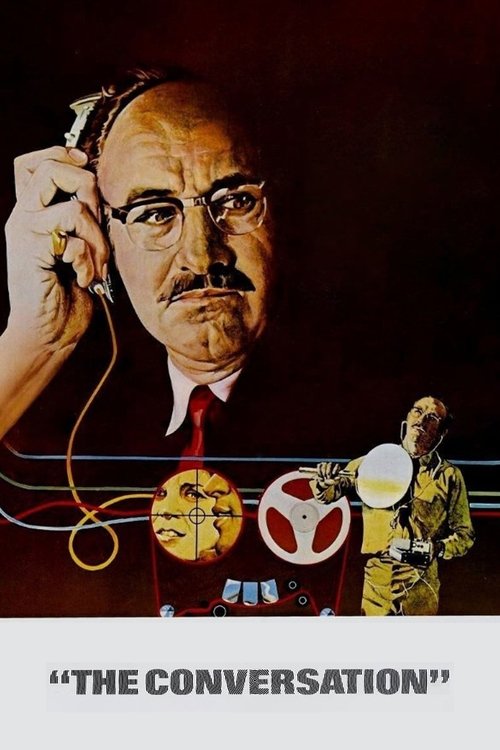
The Conversation1974
Both Hitchcock films and this one obsess over the watcher and the watched, but Coppola internalizes it—making the guilt and paranoia psychological rather than mechanical. It's what happens when Hitchcock's themes meet 70s moral ambiguity.
Coppola's paranoid masterpiece about surveillance, guilt, and the ethics of observation. Gene Hackman's sound engineer watches and listens, but cannot act, consumed by what he might or might not have caused. It's Hitchcockian anxiety without Hitchcock's machinery.
But It's a slow-burn about passive witness, not active suspense. Long stretches feel like technical filmmaking process. The ending divides people sharply.
People
Cast
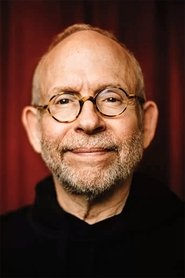 Bob BalabanNarrator (voice)
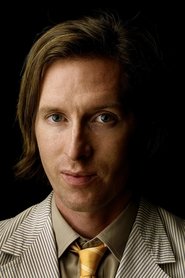 Wes AndersonSelf
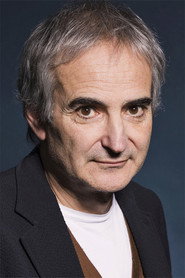 Olivier AssayasSelf
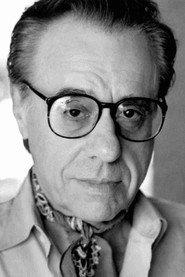
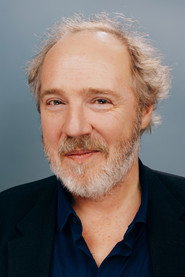
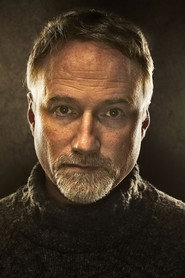 David FincherSelf
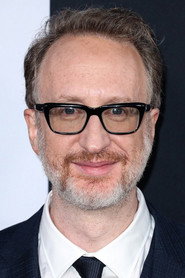 James GraySelf
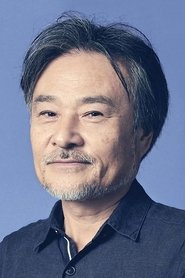 Kiyoshi KurosawaSelf
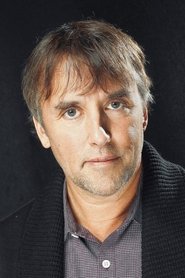
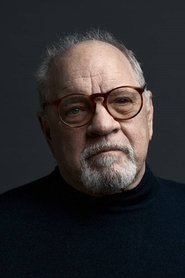 Paul SchraderSelf
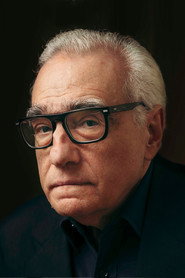 Martin ScorseseSelf
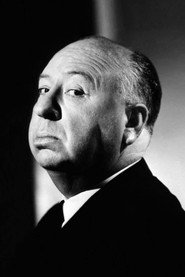 Alfred HitchcockSelf
Directing
- Kent JonesDirector
Writing
- Delphine PineauCreative Producer
- Kent JonesWriter
- Serge ToubianaWriter
Production
- Daniel BattsekAssociate Producer
- John KochmanAssociate Producer
- Rachel ReichmanCo-Producer
- Cécile CroizatLine Producer
- Kumi SatoLine Producer
- Liz HannahLine Producer
- Victoire BuffLine Producer
- Charles S. CohenProducer
- Olivier MilleProducer
- Anne SnyderProduction Coordinator
- Abi SakamotoProduction Supervisor
- Anne SnyderResearcher
- Cécile CroizatResearcher
- Deborah FordResearcher
Recommended by
Score: A Film Music Documentary, François Truffaut: Stolen Portraits, Spielberg