
Film
The Man Who Knew Too Much
Hitchcock's American remake of his own 1934 thriller, starring James Stewart and Doris Day as ordinary tourists caught in a kidnapping plot. It's a masterclass in suspense—building dread through ordinary moments, family vulnerability, and meticulous control. For anyone who loves tension that doesn't need explosions, and classic Hollywood craft deployed at its peak.
Should you watch it?
Watch it if you enjoy a slow-building Hitchcock thriller where suspense is stretched taut across long, patient stretches and the tension lives in a glance, a silence or a pause before a crescendo.
Skip it if you want brisk pacing from start to finish, since the first half wanders through a holiday before the plot tightens, and the 1950s studio style can feel stagey to modern eyes.
What it asks of you: Settle in for just over two hours, with a leisurely opening that gives way to a long, nerve-shredding final act, and let it earn its tension rather than hand it over.
Not sure? Find tonight's pick in a minute.
If you liked this
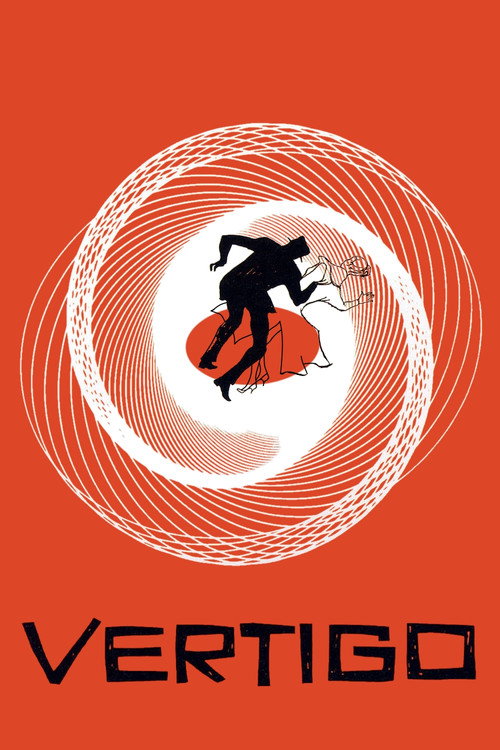
Vertigo1958
Hitchcock at his most visually audacious, with James Stewart again as a man entangled by circumstance and his own obsessions. The mystery deepens with every viewing, and the technical wizardry remains stunning.
But Nearly three hours, and the pacing is deliberately slow—it luxuriates in mood over momentum. The psychological territory gets uncomfortable.
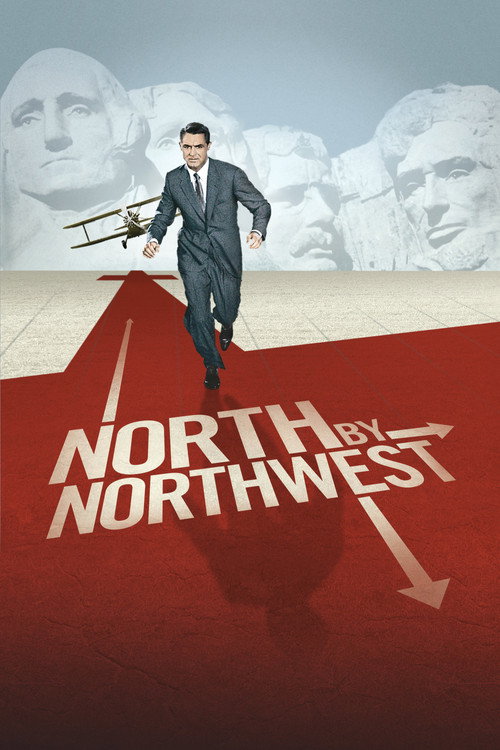
North by Northwest1959
An ordinary man mistaken for a spy, thrust into an escalating nightmare of pursuits and betrayals. It has the same DNA as The Man Who Knew Too Much but cranks the scale to continental. Pure, exhilarating suspense.
But Sometimes the plot logic takes a backseat to spectacle. If you need everything to make literal sense, you'll find loose threads.
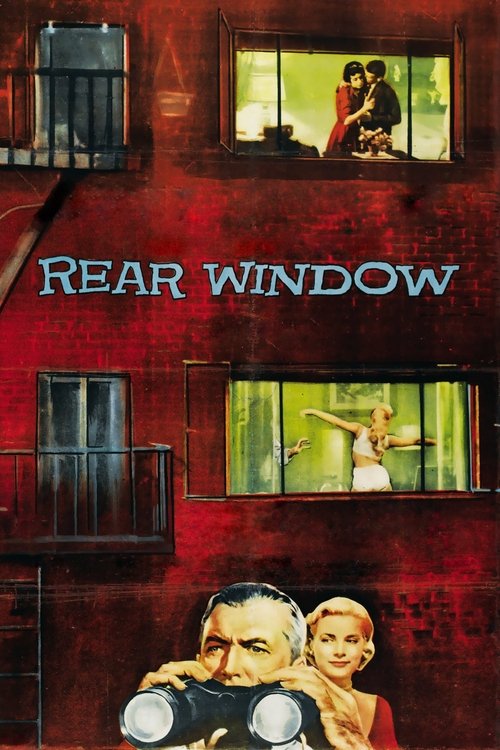
Rear Window1954
Stewart again, this time immobilized and watching a murder unfold across a courtyard. Hitchcock proves suspense lives in what you see and what you imagine—not in movement. Ingenious and intimate.
But Static setting might feel claustrophobic. The gender politics of the era are baked into it without apology.
Not sure tonight? Get a pick in a minute, starting from The Man Who Knew Too Much
The wildcard
Something you would not have found on your own.
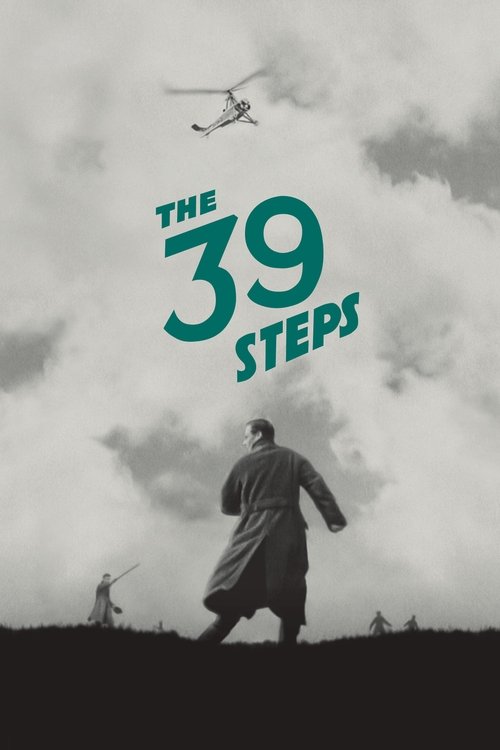
The 39 Steps1935
The same story told differently—Hitchcock's own evolution as a filmmaker. This is where the idea began; the 1956 version is him asking what he'd do with it now.
Hitchcock's 1935 original—the film he remade with The Man Who Knew Too Much. An innocent man on the run with a woman he doesn't trust, across Scotland. It invented the wrongfully-accused-fugitive template and moves with astonishing speed.
But Shot in 1935, it shows its age in pacing and some plot contrivances. The 1956 version has better craft, which can make this feel quaint in comparison.
More like this (7)
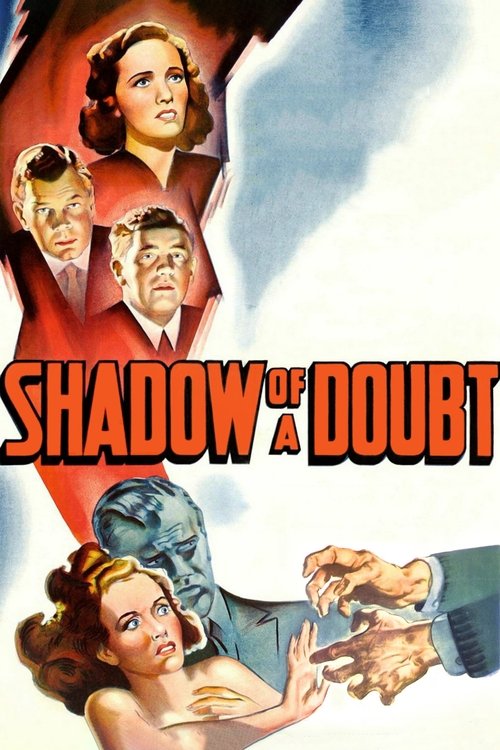
Shadow of a Doubt1943
A small California town disrupted by a beloved uncle's dark secret. It has The Man Who Knew Too Much's theme—innocence shattered—but roots it in Americana and family betrayal rather than international espionage.
But Slower burn than you might expect. Some viewers find it less obviously thrilling than Hitchcock's more famous work.
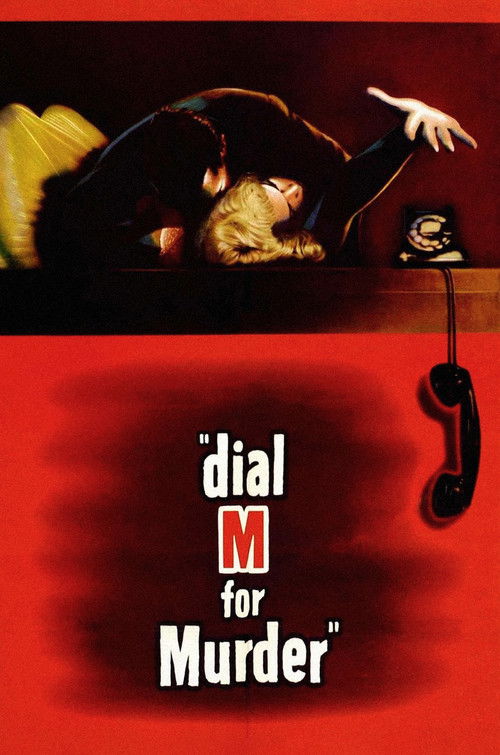
Dial M for Murder1954
A locked-room murder plot of Byzantine complexity, where every move is calculated and countered. Hitchcock builds suspense from pure architecture—the plot itself is the mechanism.
But Stage-bound and theatrical. If you need cinematic sweep and location shooting, it feels deliberately confined.
Rope1948
Two murderers host a party while their victim lies hidden in a trunk. Shot to appear as one continuous take, it's claustrophobic psychological terror—Hitchcock proving suspense needs no plot machinery, just human evil.
But The real-time conceit can feel gimmicky. The morality play is heavy-handed by modern standards.

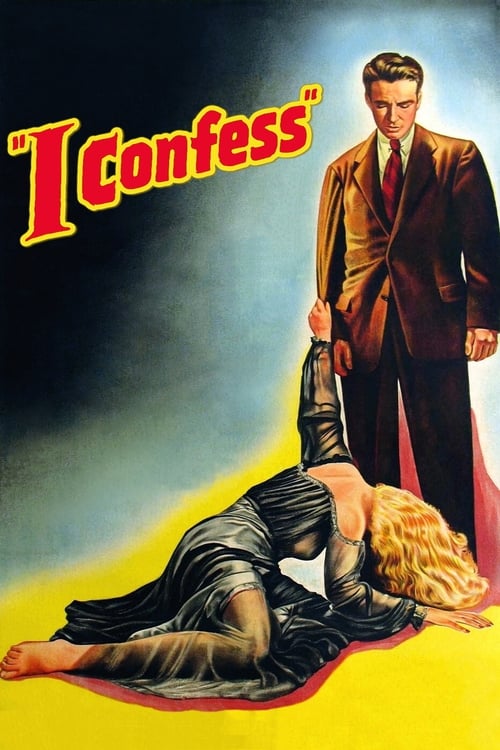
I Confess1953
A priest bound by confession hears a murderer's guilt but cannot speak, while suspicion falls on him. It's Hitchcock wrestling with faith, duty, and the unbearable burden of knowing the truth.
But Heavier and more morally serious than typical Hitchcock. The priest's conflict is internal, which some find less gripping than external chase.
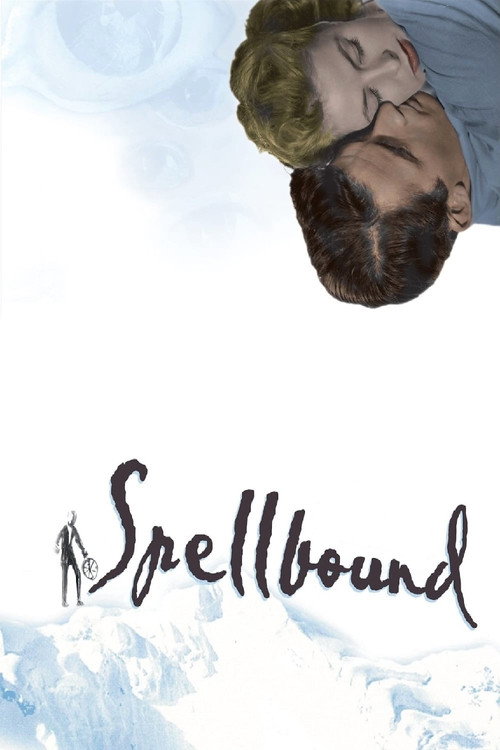
Spellbound1945
A man with amnesia, a psychoanalyst who loves him, and a murder that might be his doing. Bergman and Peck have real chemistry, and the dream sequences by Dalí are visually extraordinary.
But The psychoanalysis subplot hasn't aged perfectly. The revelation, when it comes, feels anticlimactic to modern eyes.
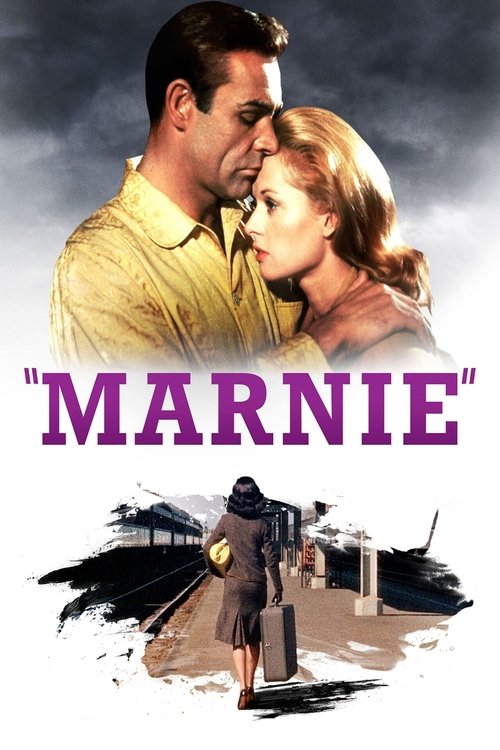
Marnie1964
Tippi Hedren as a compulsive thief and liar, pursued by Sean Connery's obsessed businessman. It's a psychological thriller that treats its damaged protagonist seriously, even when the plot turns gothic.
But Connery's character's behavior would read very differently now. Some find the pseudo-Freudian explanation reductive.
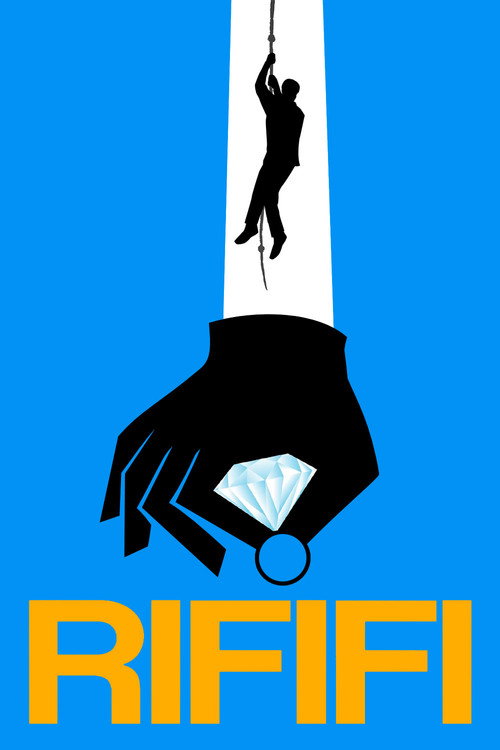
Rififi1955
Both understand that suspense lives in silence and precision. Both trust the audience to feel tension without being told to feel it.
A heist film with a 30-minute heist sequence played entirely without dialogue or music—pure visual storytelling. French noir, tense as a wire, and influences everything that came after it. Made the year before The Man Who Knew Too Much and operates on the same principle: dread without noise.
But It's a heist, not a kidnapping plot—the emotional stakes are professional, not personal. The French setting and noir tone are quite far from Hitchcock's American thriller.
People
Cast
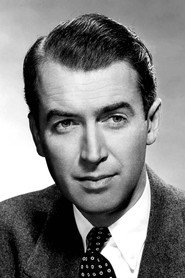 James StewartBen McKenna
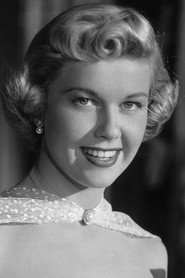 Doris DayJo McKenna
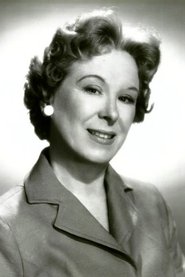 Brenda De BanzieLucy Drayton
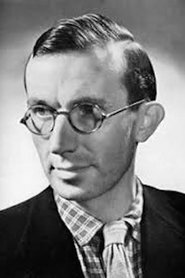 Bernard MilesEdward Drayton
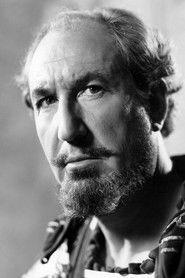 Ralph TrumanBuchanan
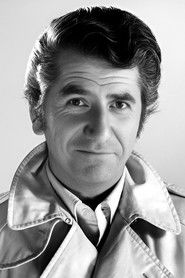 Daniel GélinLouis Bernard
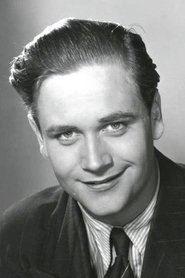 Mogens WiethAmbassador
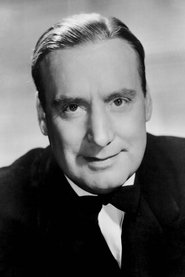 Alan MowbrayVal Parnell
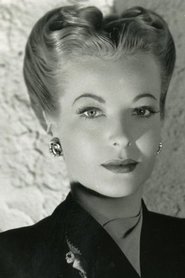 Hillary BrookeJan Peterson
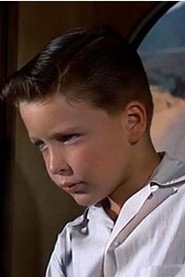 Christopher OlsenHank McKenna
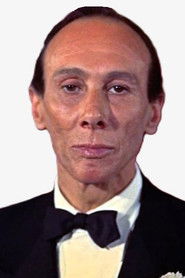 Reggie NalderRien
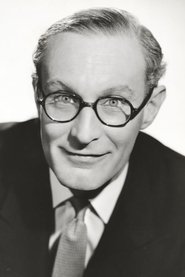 Richard WattisAssistant Manager
Directing
- Howard JoslinAssistant Director
- Alfred HitchcockDirector
- Basil KeysSecond Assistant Director
- Ned DobsonSecond Assistant Director
- Ralph AxnessSecond Assistant Director
- Herbert ColemanSecond Unit Director
Writing
- John Michael HayesScreenplay
- Charles BennettStory
- D.B. Wyndham-LewisStory
Production
- Hugh BrownAssistant Production Manager
- Herbert ColemanAssociate Producer
- Bill GreenwaldCasting
- Edward R. MorseCasting
- Gary FifieldCasting
- Tony ReganCasting
- William CowittCasting
- Alfred HitchcockProducer
- Frank CaffeyProduction Manager
- Art SarnoPublicist
- Cecil R. Foster KempUnit Manager
- C.O. EricksonUnit Production Manager