
Film
Dial M for Murder
Hitchcock shoots a stagebound murder plot almost entirely inside one London flat and dares you to notice the seams. It's less whodunit than how-caught-it — you know the scheme from minute one, so the pleasure is watching a smug husband's certainty erode phone call by phone call. Talky, theatrical, meticulously controlled, with Ray Milland chillingly pleasant throughout.
If you liked this
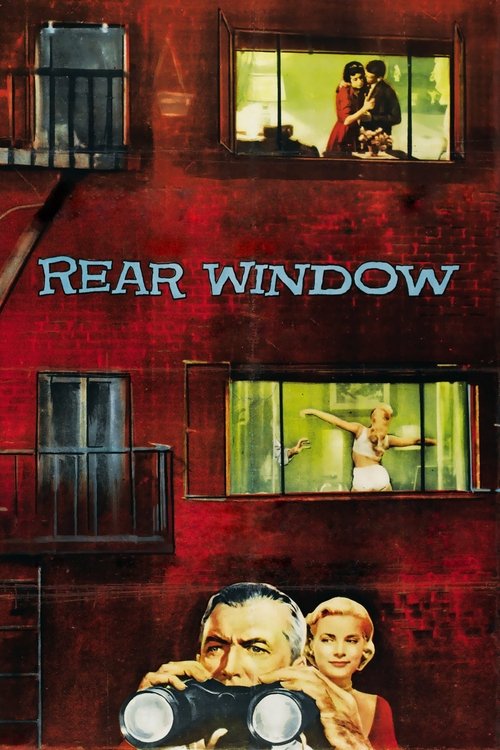
Rear Window1954
Same year, same director, same star — Hitchcock trades the drawing room for a courtyard, turning stillness into suspicion as a bored, injured photographer starts convincing himself he's watched a murder from his window.
But It's slower to ignite than Dial M and asks you to sit with paranoia rather than plot mechanics for a good half hour.
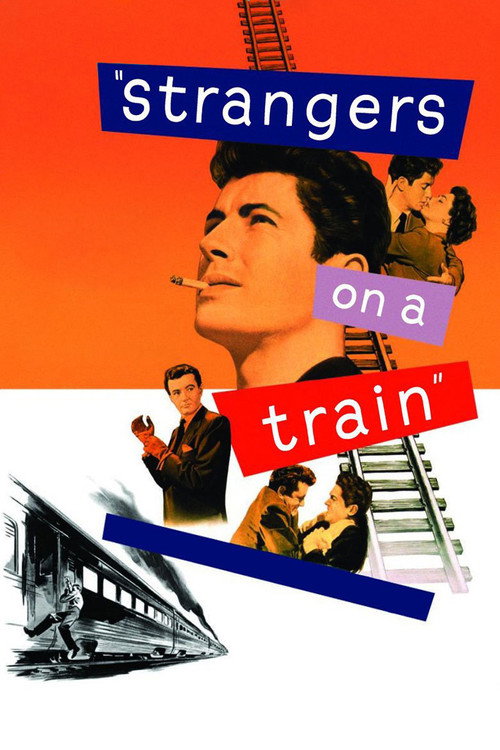
Strangers on a Train1951
Hitchcock again, but faster and stranger — a tennis star's chance encounter spirals into a proposed murder swap, escalating with a carousel climax that's pure nerve.
But The central "logic" of the swap requires accepting one character's unhinged commitment more than realism allows.
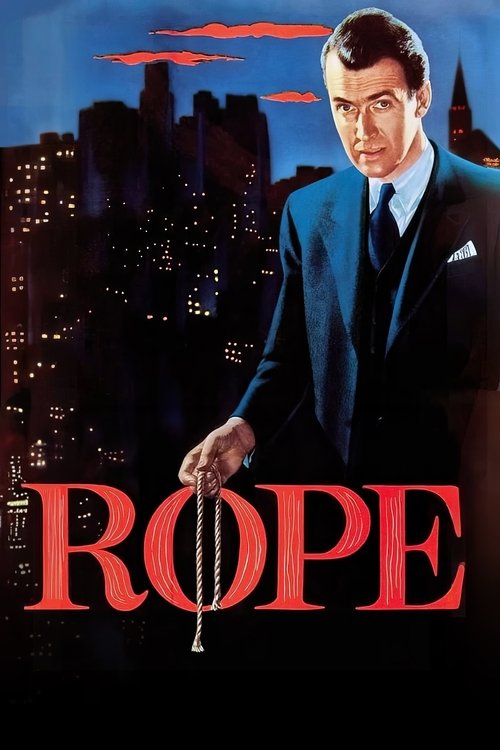
Rope1948
Another Hitchcock experiment in confinement — shot to look like one continuous take, it turns a dinner party into a slow-burn confession machine hovering over a hidden body the whole time.
But The stunt of the unbroken take can feel more admirable than gripping, and the theatrical dialogue shows its stage roots.
The wildcard
Something you would not have found on your own.
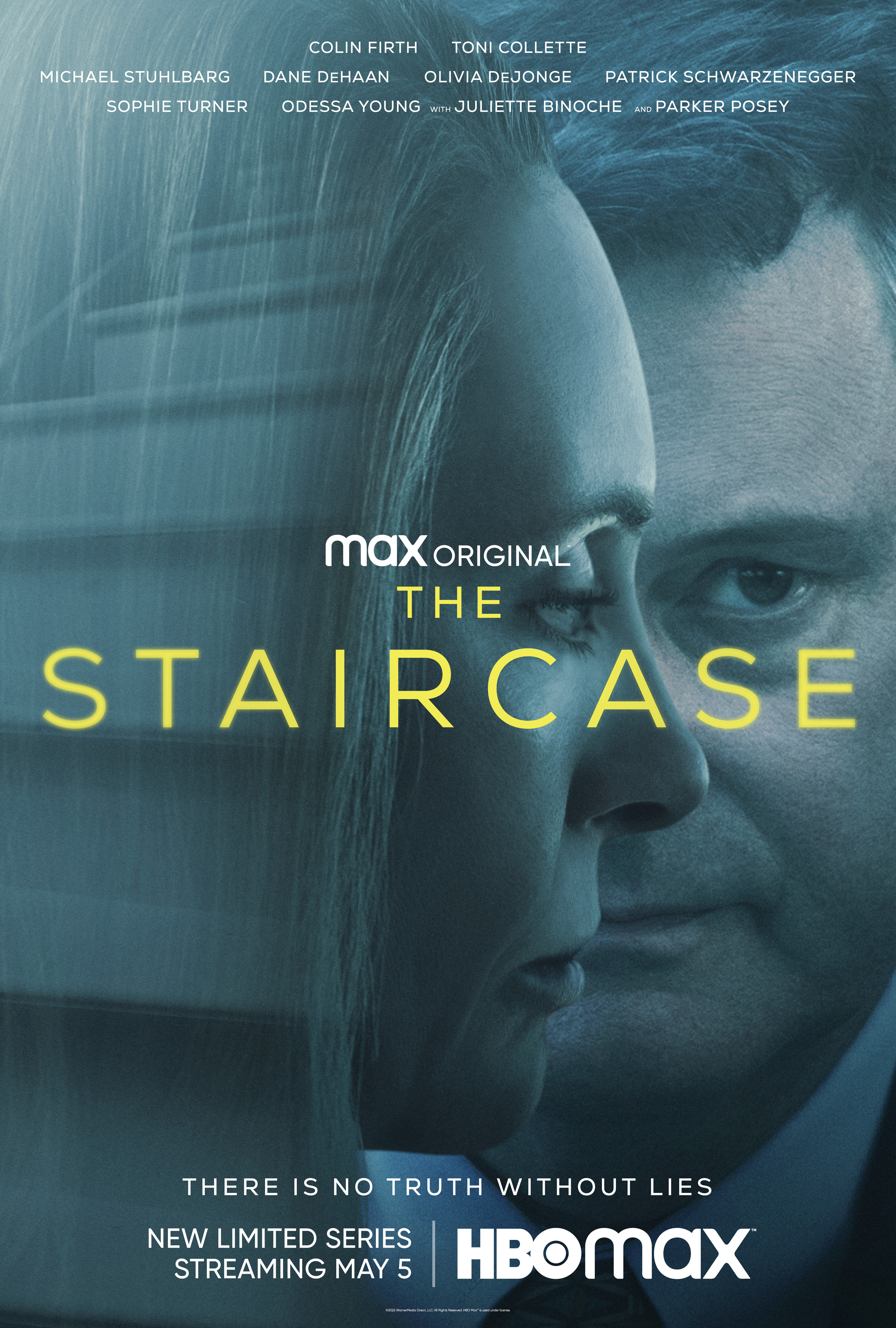
The Staircase2022
Dial M asks you to watch a man perform innocence to a detective; The Staircase asks the same question of an actual defendant, with no script and no certainty of the answer.
Same premise, real people — a novelist's wife dies at the bottom of the stairs, and her husband insists it was an accident. This documentary series spends years inside his trial, and you can never quite decide if he's grieving or a genius liar.
But It's thirteen hours of legal minutiae with no tidy resolution, and the real uncertainty can feel less satisfying than fiction's clean reversals.
More like this (8)
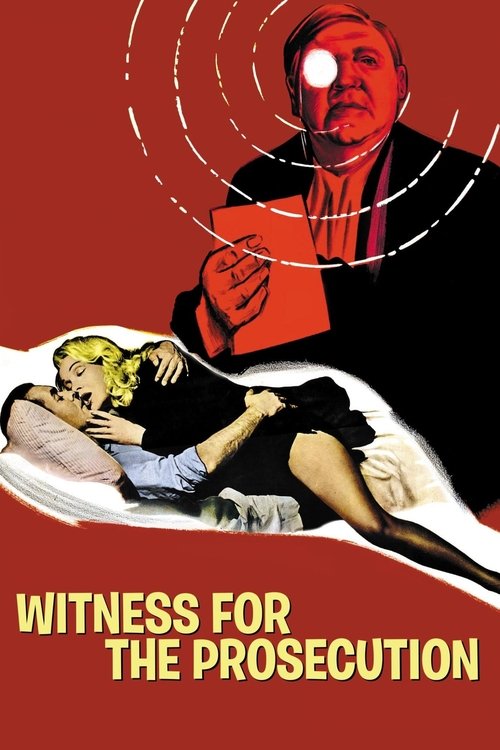
Witness for the Prosecution1957
Billy Wilder's courtroom thriller has the same theatrical DNA — a play turned into cinema, full of reversals that make you rethink everyone's innocence right up to the final gavel.
But It's talkier and more procedural than Dial M, with courtroom rhythms rather than domestic dread.
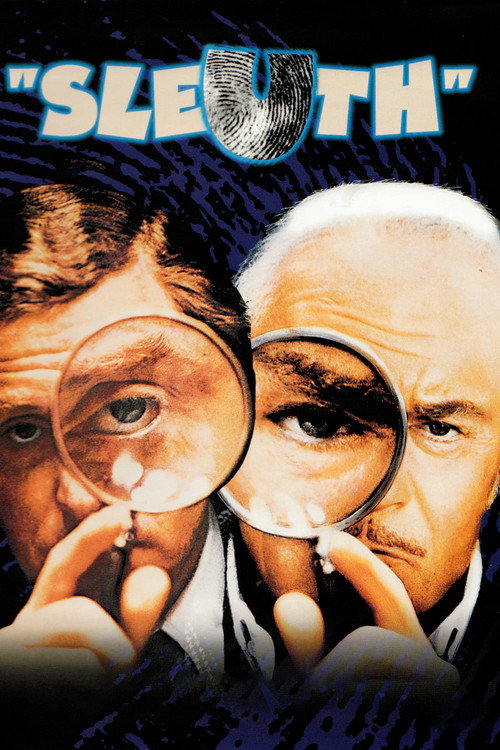
Sleuth1972
A crime writer and his wife's lover square off in a game of wits and props inside one absurd house — twisty, theatrical, and gleefully cruel in ways Dial M only hints at.
But The two-hander format can feel stagey and its games-within-games structure demands patience for verbal fencing over action.
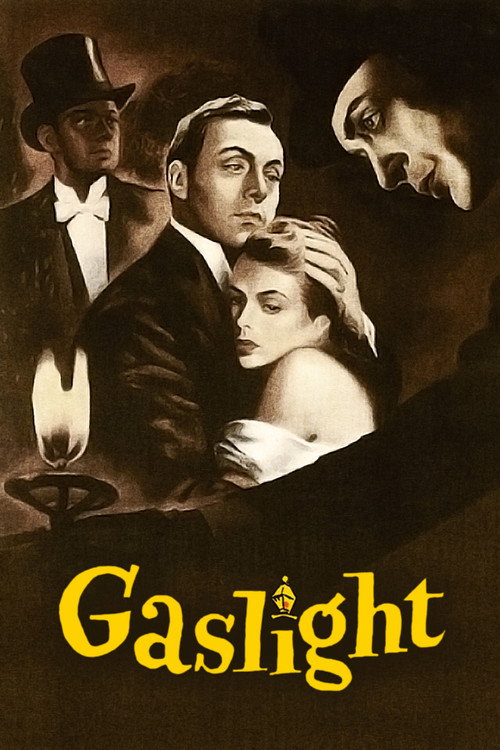
Gaslight1944
A different kind of domestic thriller — no phone booths here, just a husband methodically dismantling his wife's sense of reality, and the dread builds from psychology rather than plot mechanics.
But It's slower and more interior; if you came for scheming and reversals rather than atmosphere, it may feel like a different genre.
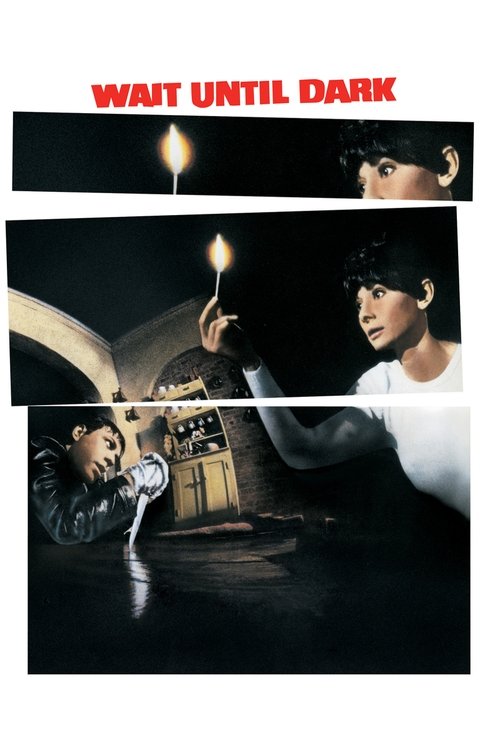
Wait Until Dark1967
Audrey Hepburn plays a blind woman besieged by con men in her own apartment — another stage-to-screen thriller that traps you in one space and tightens the screws methodically.
But Its central conceit leans harder into home-invasion suspense than Dial M's cerebral chess game, so the tone shifts more toward outright fear.
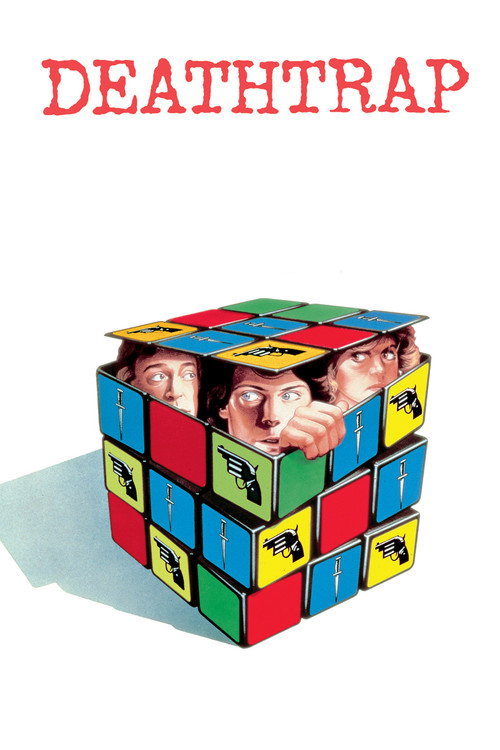
Deathtrap1982
A washed-up playwright schemes against his wife with dark comic relish — twisty, self-aware, and packed with reversals about writers who plot murders for a living.
But Its late-film tonal swerves are divisive, and some of its "surprises" now read as more camp than shocking.
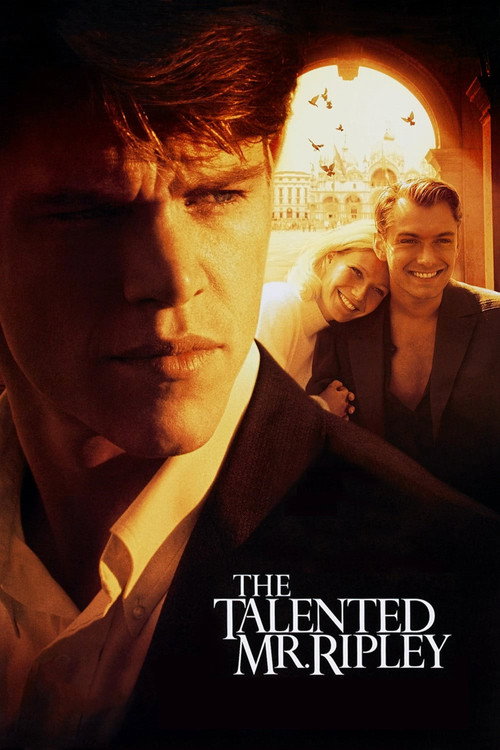
The Talented Mr. Ripley1999
A charming schemer commits murder to seize someone else's beautiful life — Highsmith's cool amorality replaces Hitchcock's cheeky control, but the fascination with a killer who almost gets away with it is the same.
But It's longer, sun-drenched, and morally bleaker rather than playful — a very different emotional temperature from Dial M's dry wit.
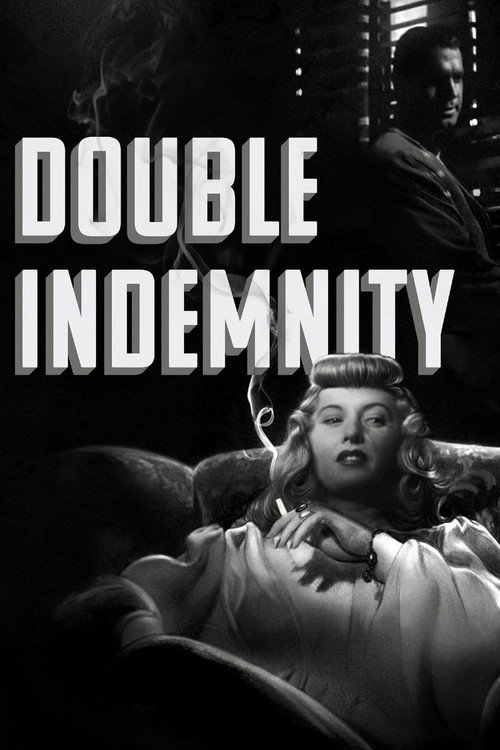
Double Indemnity1944
Both hinge on a man convinced his plan is airtight because he's smarter than everyone around him, and both let you watch the tiny miscalculation that unravels it in real time.
Ten years before Hitchcock's stagebound game of chess, Billy Wilder shot this shadow-drenched noir about an insurance man and a bored wife plotting the 'perfect' murder — colder, sweatier, and narrated by the killer himself as his own case study.
But The femme fatale plot is now such a genre staple that some beats feel expected rather than surprising to modern eyes.
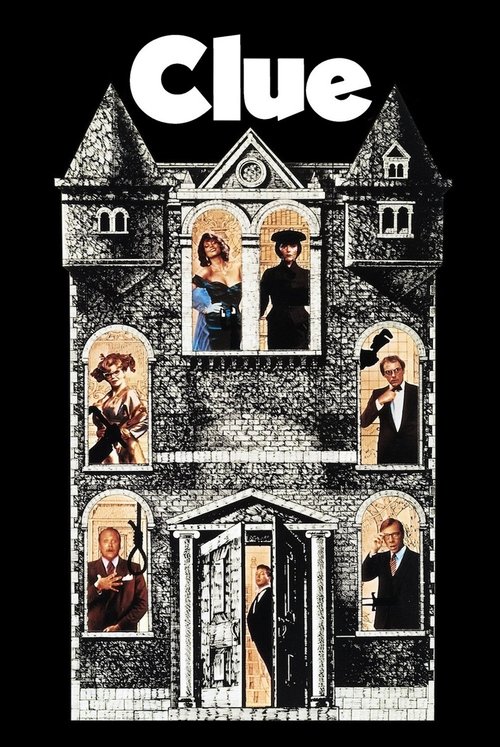
Clue1985
Both are essentially one-house murder mysteries built on a rigid structure of lies, but where Dial M plays it as tense chess, Clue plays the same board as a pratfall.
Take the drawing-room murder plot and detonate it into pure slapstick: six strangers, one body, and a house full of doors slamming on cue. It's the gleeful, chaotic cousin of Hitchcock's control-freak thriller, and it knows exactly how silly the genre's rules are.
But The multiple endings gimmick and rapid-fire ensemble comedy are a hard swerve from Dial M's cool, deliberate menace.
People
Cast
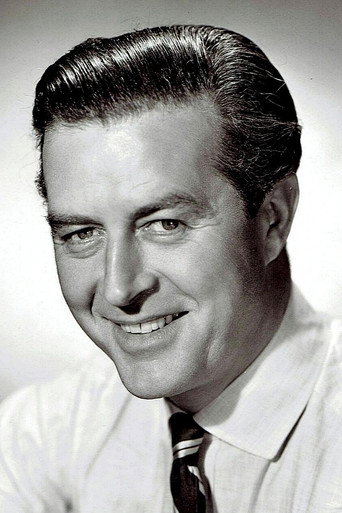 Ray MillandTony Wendice
 Grace KellyMargot Wendice
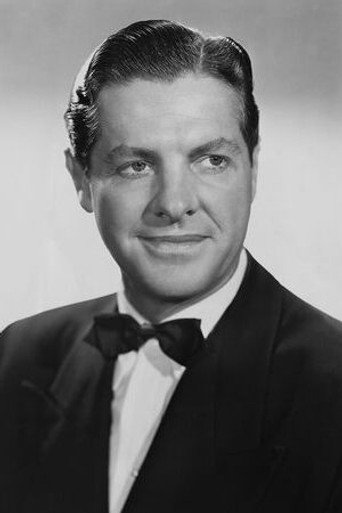 Robert CummingsMark Halliday
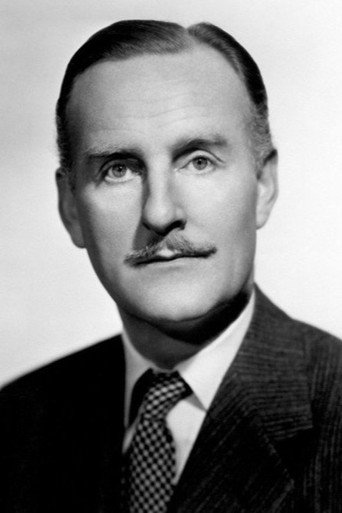 John WilliamsChief Inspector Hubbard
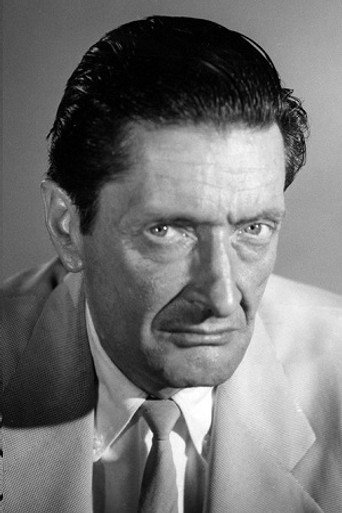 Anthony DawsonCharles Swann
- Leo BrittStoryteller
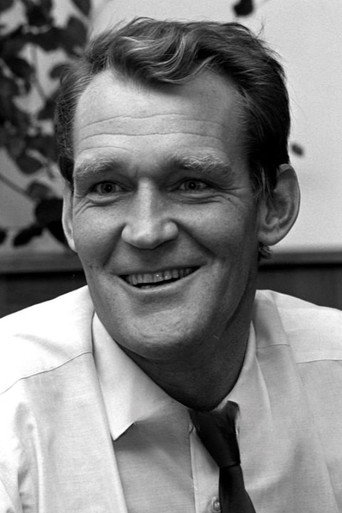 Patrick AllenDetective Pearson
- George LeighDetective Williams
- George AldersonFirst Detective
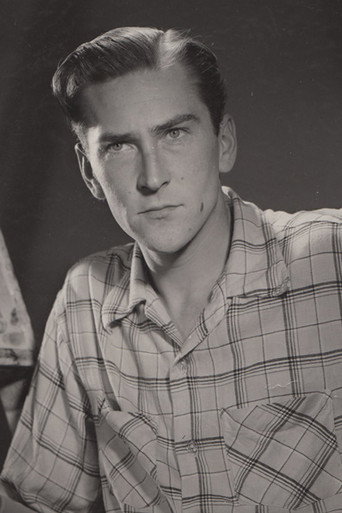 Robin HughesPolice Sergeant O'Brien
 Jack CunninghamBobby (uncredited)
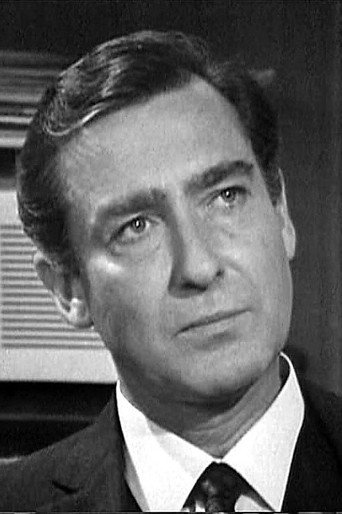 Guy DolemanDetective (uncredited)
Directing
- Mel DellarAssistant Director
- Alfred HitchcockDirector
Writing
- Frederick KnottScreenplay
- Frederick KnottTheatre Play
Production
- Alfred HitchcockProducer
Recommended by
Rear Window, Wait Until Dark, Sleuth, Suspicion, To Catch a Thief, Locke, Rope, Sorry, Wrong Number, Strangers on a Train