
Film
Stage Fright
Other titles called Stage Fright: the 1987 film, the 2014 film.
Hitchcock's coolest thriller about theatre, deception and the masks we wear. A struggling actress gets tangled up helping a man accused of murder, only to discover that truth is far murkier than innocence or guilt. Brittle, witty, gorgeously shot, with Marlene Dietrich stealing every scene. Pure cinema.
If you liked this
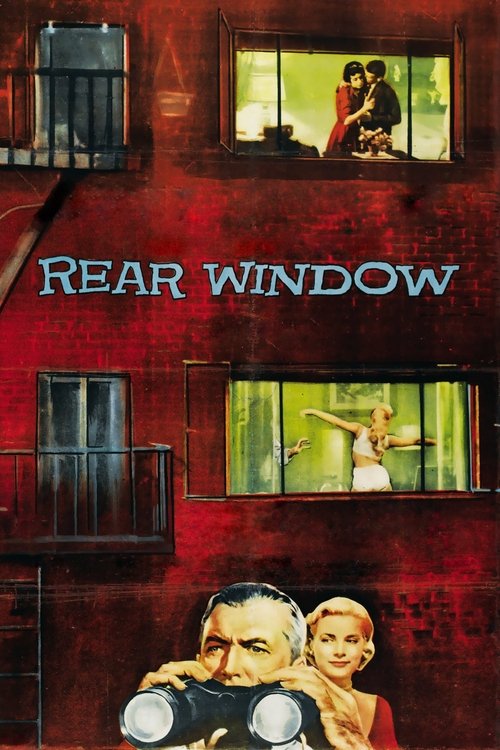
Rear Window1954
The other masterpiece from Hitchcock's golden run: a man watches neighbours from his window and becomes convinced one has committed murder. Builds paranoia and suspense from pure observation and inference, gorgeously claustrophobic.
But It asks you to sit still in one apartment for two hours. Some find that restrictive rather than tense.
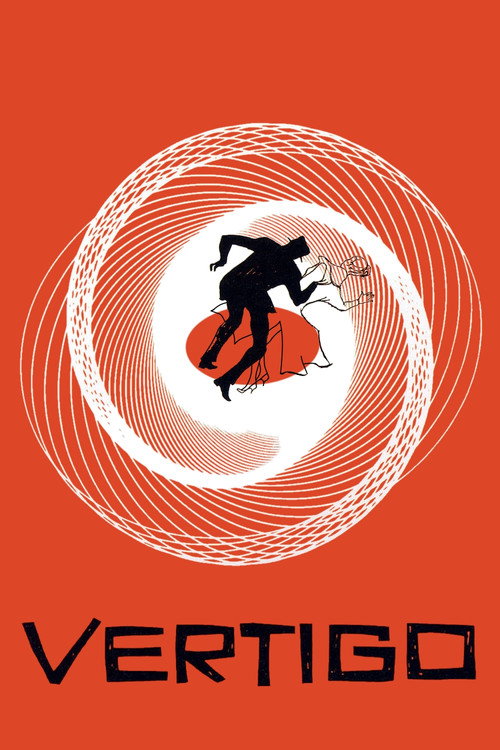
Vertigo1958
A detective obsessed with a woman he's meant to be following spirals into delusion and desire. Psychologically intricate, visually stunning, and endlessly rewatchable as you catch new layers of manipulation and self-deception.
But The pacing is deliberate and dreamlike; if you want propulsive thriller beats, you'll feel it dragging.
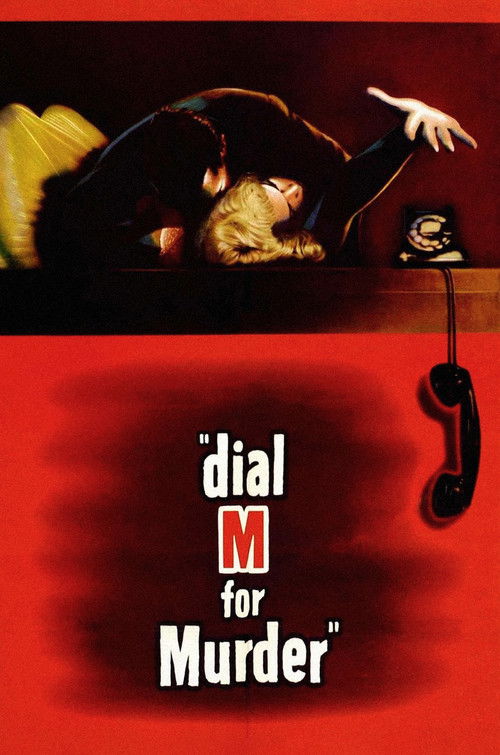
Dial M for Murder1954
A man plans the perfect murder of his unfaithful wife, then watches it go sideways. A locked-room puzzle executed with surgical precision, witty and clever, with genuine shocks in the third act.
But It's essentially a play: confined spaces, limited cast, dialogue-heavy. The theatrical origins show, and that's either a strength or a limitation depending on what you want.
Not sure tonight? Get a pick in a minute, starting from Stage Fright
The wildcard
Something you would not have found on your own.
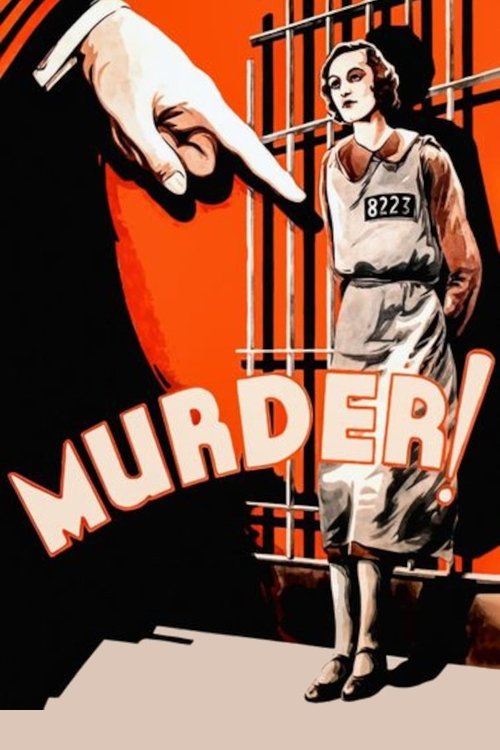
Murder!1930
The template that Stage Fright perfects: theatre world, actress protagonist, murder amid performance, the question of who is really acting.
Hitchcock's 1930 talkie: an actress helps solve a murder on the West End. It's the DNA of Stage Fright—theatre, false confession, performative deception—executed when Hitchcock was still finding his language.
But Sound recording in 1930 is primitive; the dialogue is theatrical and stilted, the pacing feels slow. It's a museum piece as much as a thriller.
More like this (8)
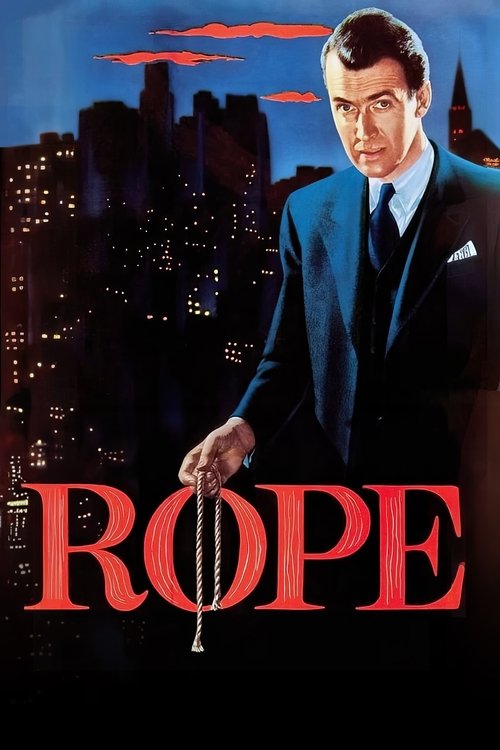
Rope1948
Two men murder a friend, hide the body, and host a dinner party where they risk exposure. Shot in real-time as one continuous take (technically), it's audacious filmmaking that prioritises suspense over spectacle.
But The gimmick of the one-take approach can feel dated now, and the confined setting becomes genuinely claustrophobic in ways some viewers find exhausting rather than gripping.
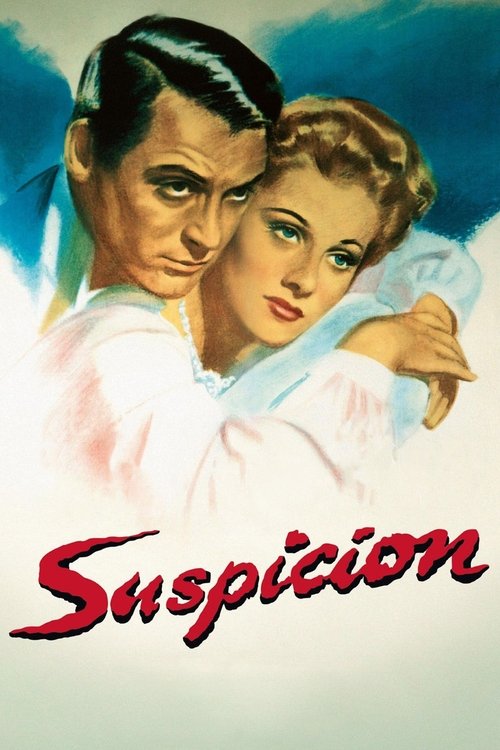
Suspicion1941
Cary Grant plays a man his wife suspects of murder; Hitchcock explores paranoia, marriage, and how well we ever really know another person. Elegant, disturbing, and psychologically acute about intimate suspicion.
But The ending is a notorious compromise imposed by studio pressure, and it lands badly—feels like a betrayal of everything the film has built.
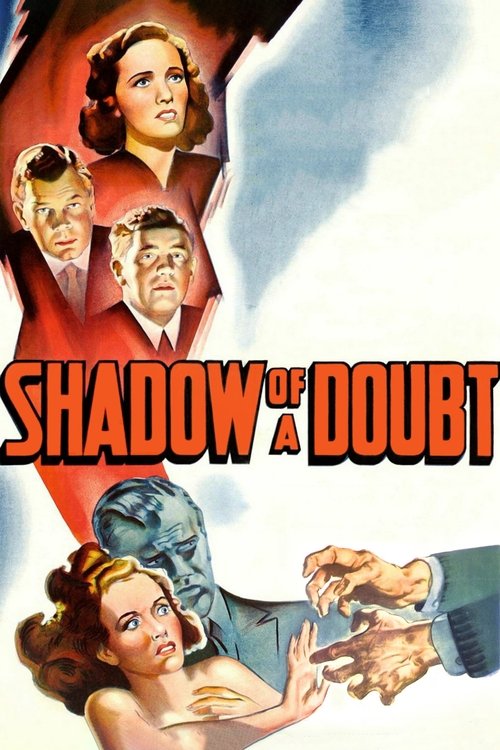
Shadow of a Doubt1943
A beloved uncle visits a small California town; his niece gradually realises he may be a serial killer. Hitchcock's most human thriller, full of Americana unease and the horror of recognising darkness in the familiar.
But It's slower and less flashy than his 1950s work; the dread builds obliquely rather than through technical fireworks, which some find less engaging.
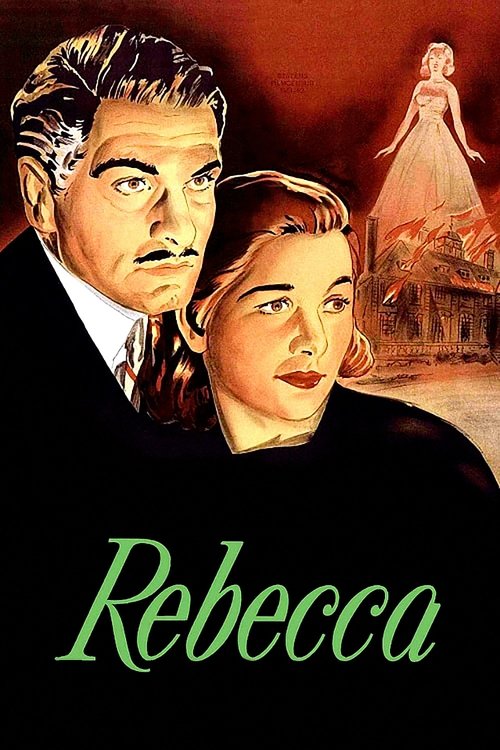
Rebecca1940
A new bride moves into her husband's mansion haunted by the memory of his first wife. Gothic, psychologically complex, with Joan Fontaine delivering a masterclass in passive anxiety as the unnamed heroine.
But Laurence Olivier is entirely miscast and gives a stiff, uncomfortable performance that undermines key emotional beats throughout.
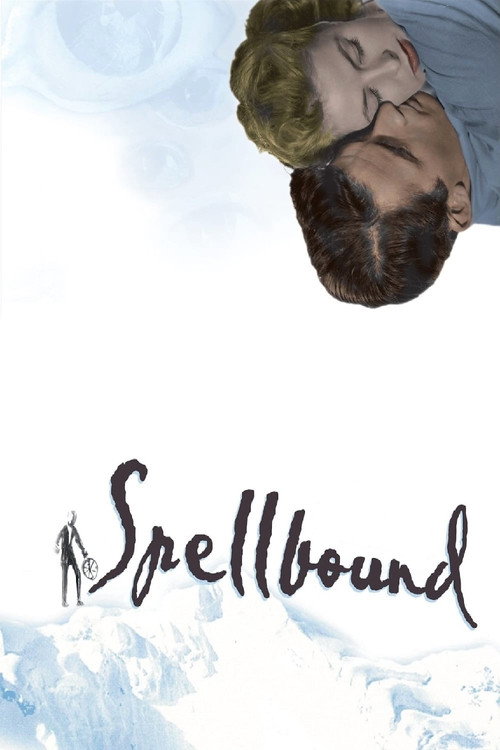
Spellbound1945
A psychiatrist falls for a patient who may be a murderer with amnesia. Surrealist dream sequences, Freudian psychology, and the collaboration with Salvador Dalí make it unlike any other thriller of the era.
But The psychoanalysis is now dated and occasionally laughable, and the third act explanation collapses under scrutiny—you have to surrender logic to enjoy it.
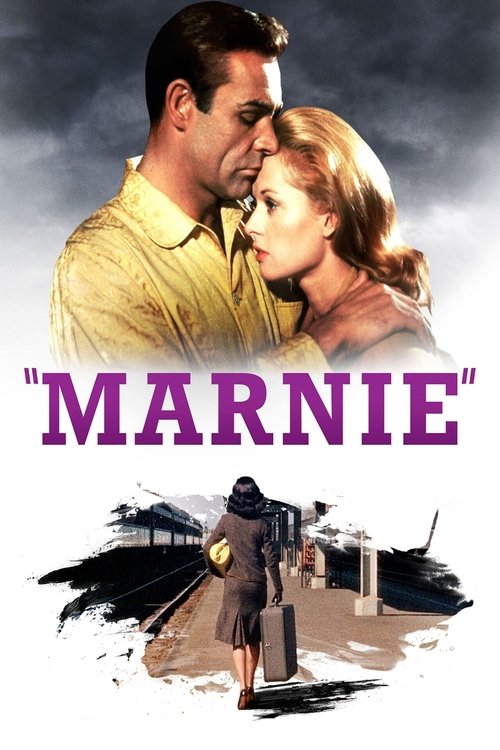
Marnie1964
A disturbed woman who compulsively steals gets caught by a man obsessed with 'fixing' her. Psychologically complex, formally inventive, with Tippi Hedren giving a performance of real damage and vulnerability.
But The rear-projection backgrounds are jarringly artificial, and the dynamic between Hedren and Sean Connery veers into uncomfortable control that can feel uglier than the film intends.
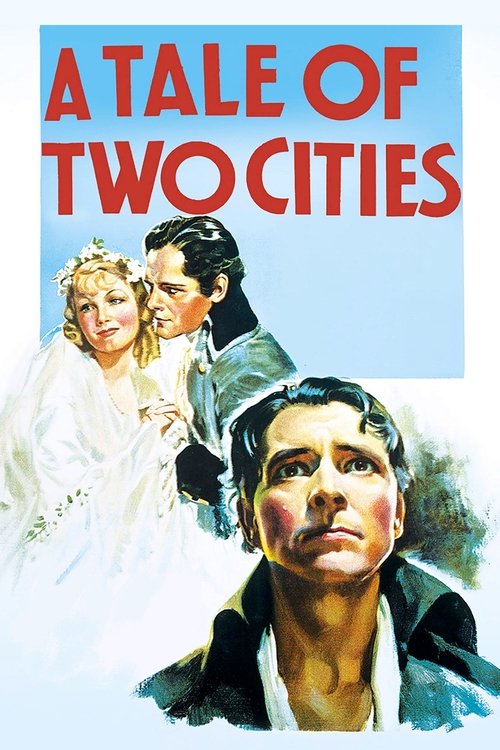
A Tale of Two Cities1935
Both explore the same moral architecture: the impostor who becomes real, the sacrifice redeemed through performance, the question of whether a false identity can become true through belief.
A man sacrifices himself to save another's life during the French Revolution. Ronald Colman's performance is profound; it's a melodrama of genuine emotional weight that explores resurrection, redemption and the possibility of change.
But It's period costume drama with no genre thrills—if you're expecting adventure, you'll find philosophy and grief instead. Very slow by modern standards.
Mulholland Drive2001
Both are about performance as identity, actresses constructing false selves, and the moment when the mask becomes indistinguishable from the face. Both suggest we are what we pretend to be.
Two women become entangled in Los Angeles after a car crash; the film dissolves into dream logic and unfolds as a meditation on identity, desire, and the stories we tell ourselves. Hypnotic and structurally audacious.
But It's deliberately obtuse and resistant to interpretation. If you need narrative clarity and don't enjoy being lost, it will frustrate you completely.

People
Cast
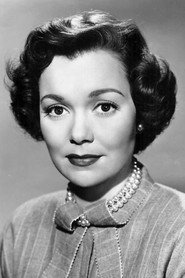 Jane WymanEve Gill
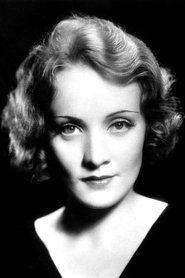 Marlene DietrichCharlotte Inwood
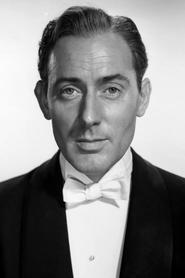 Michael WildingDet. Insp. Wilfried 'Ordinary' Smith
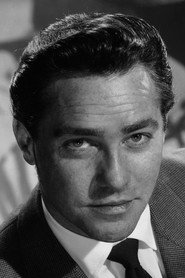 Richard ToddJonathan Cooper
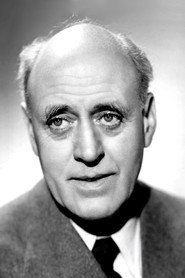 Alastair SimCommodore Gill
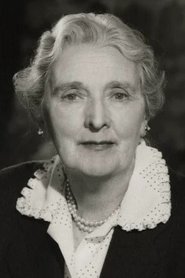 Sybil ThorndikeMrs. Gill
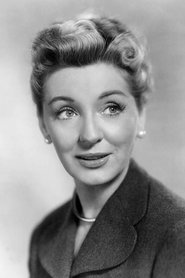 Kay WalshNellie Goode
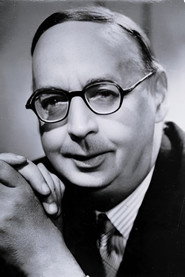 Miles MallesonMr. Fortesque
- Hector MacGregorFreddie Williams
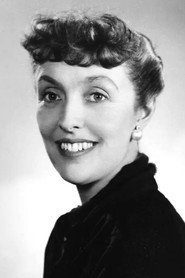 Joyce Grenfell'Lovely Ducks'
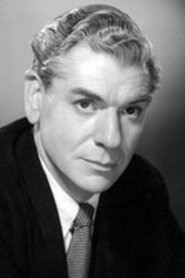 André MorellInspector Byard
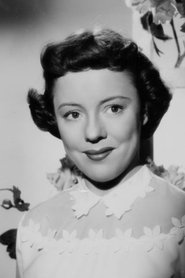 Patricia HitchcockChubby Bannister
Directing
- Angela MartelliContinuity
- Pamela GaylerContinuity
- Alfred HitchcockDirector
- Jack MartinFirst Assistant Director
- Dennis BerteraSecond Assistant Director
Writing
- Alma RevilleAdaptation
- Selwyn JepsonNovel
- Whitfield CookScreenplay
Production
- Robert LennardCasting
- Alfred HitchcockProducer
- Gerry MitchellProduction Manager
- Fred AhernProduction Supervisor