
Film
Spellbound
Alfred Hitchcock's fever-dream thriller follows a level-headed psychoanalyst chasing the truth behind an amnesiac impostor who might be a murderer or might be a victim, and genuinely can't tell which. Part detective story, part romance, part descent into the subconscious, it's anchored by Ingrid Bergman's steely warmth and a startling Salvador Dalí-designed dream sequence — 1940s studio glamour with a mind trip stitched through the middle.
If you liked this
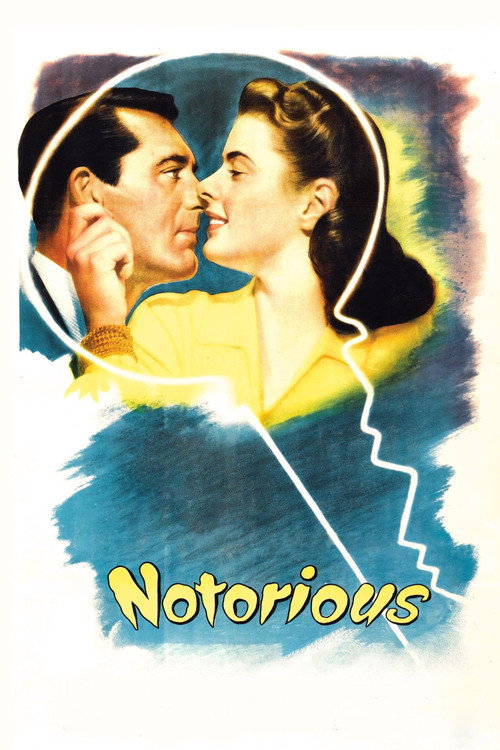
Notorious1946
Hitchcock and Bergman reunite, trading psychoanalysis for espionage, but keeping the same tension between love and doubt — one of the tensest slow-burn thrillers he ever made.
But Cary Grant's character is colder and more punishing than Peck's, and the romance here is bruised rather than tender.
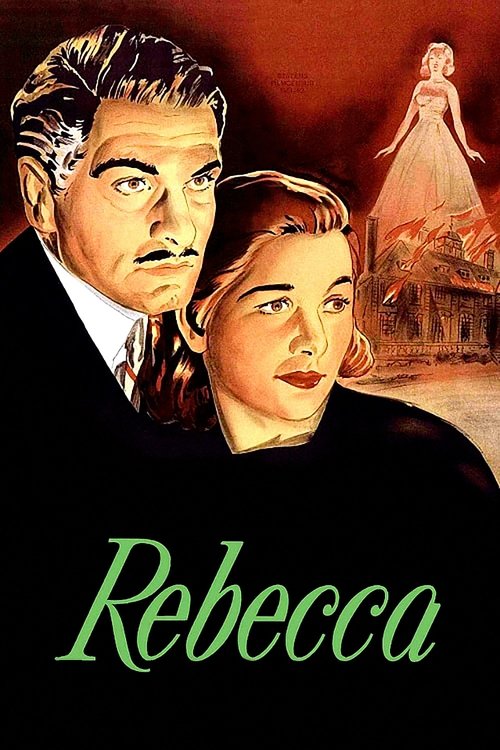
Rebecca1940
Hitchcock's earlier Gothic romance-mystery, where a woman's identity gets swallowed by a house and a dead predecessor — the same tangle of love, guilt and unreliable narration, minus the psychiatry textbook.
But Moodier and slower, more haunted house than detective chase, with atmosphere doing as much work as plot.
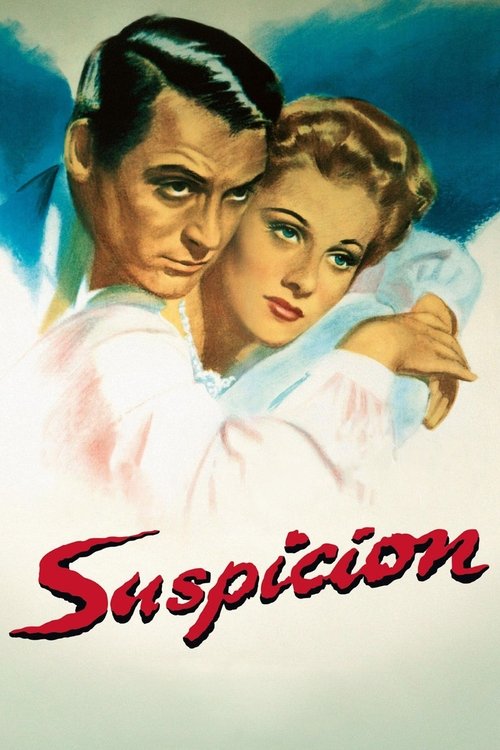
Suspicion1941
Another Hitchcock puzzle about whether the man you love might be dangerous, built entirely on Joan Fontaine's spiraling doubt rather than any official investigation.
But The famously softened ending and the claustrophobic pacing can feel more airless than thrilling.
The wildcard
Something you would not have found on your own.
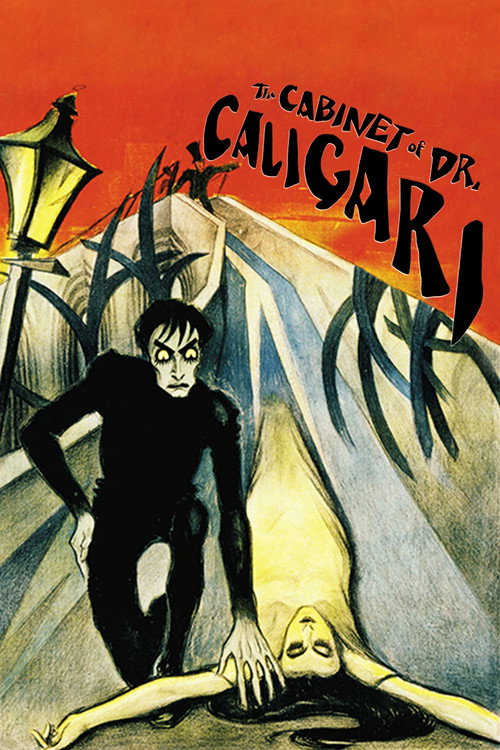
The Cabinet of Dr. Caligari1920
Spellbound's tilted dream sequence and asylum setting borrow directly from this silent film's warped sets and its story of a man manipulated inside a mental institution — it's the blueprint, made a quarter-century earlier.
Twenty-five years before Hitchcock, German silent cinema was already using crooked sets and asylum walls to ask whether the maddest man in the room might be the one in charge — a genuinely eerie, era-defining nightmare.
But Silent, stagey, and performed in a broad theatrical style — a real adjustment if you've never sat with pre-sound cinema.
More like this (8)
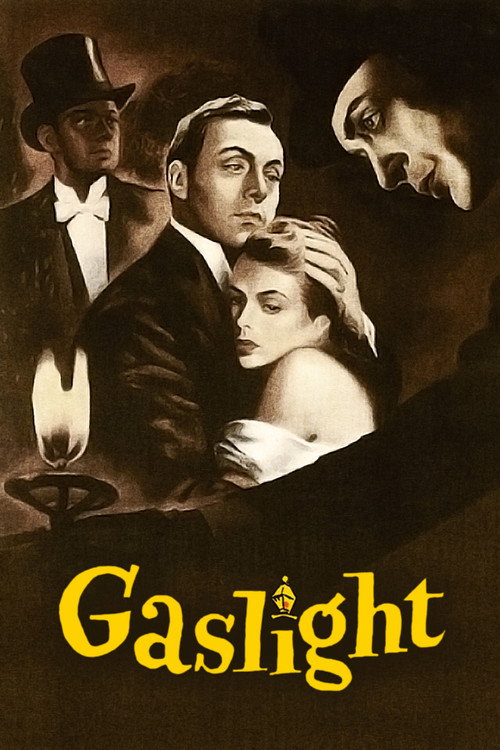
Gaslight1944
Same era, same fascination with whether a person's grip on reality can be trusted, but flips who's doing the doubting and who's doing the manipulating.
But It's a slower burn with less mystery-plot momentum — a study in dread rather than a whodunit.
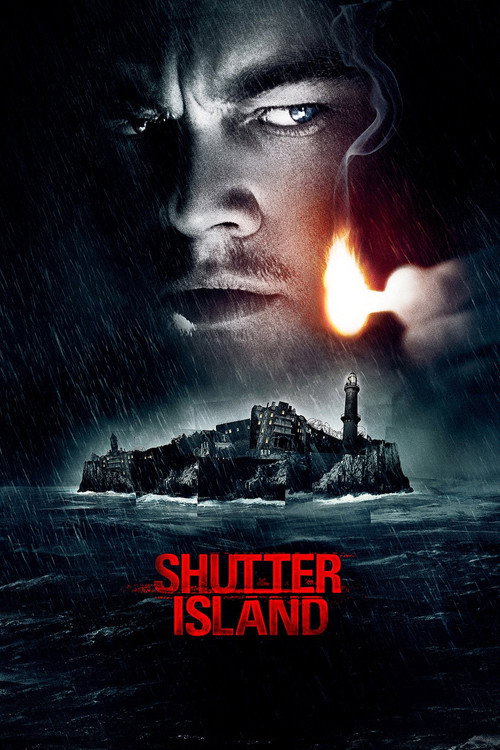
Shutter Island2010
A modern spin on the same premise — investigator, asylum, buried trauma, memory that lies — filtered through Scorsese's pulpy style and a twist built for a savvier audience.
But More overtly manipulative and violent, and the twist has become so famous it's hard to watch cold now.
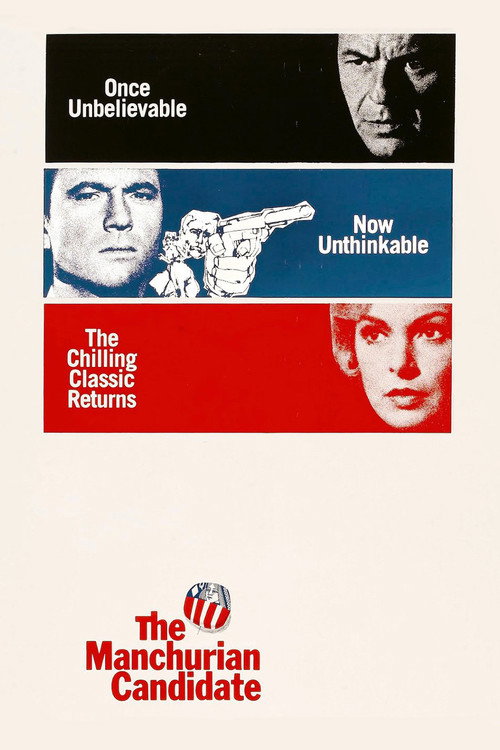
The Manchurian Candidate1962
Swaps romantic mystery for Cold War paranoia but keeps the core idea that a mind can be rewritten and a man convinced he did — or didn't do — something terrible.
But Political satire and conspiracy replace the intimate two-hander at Spellbound's centre — colder and angrier.
Marnie1964no page yet
Hitchcock's later, stranger take on psychoanalysis and a troubled woman's buried past, with a much darker view of whether love can actually cure anyone.
But Uneven, and its sexual politics have aged badly — worth it for the ideas, not the comfort.
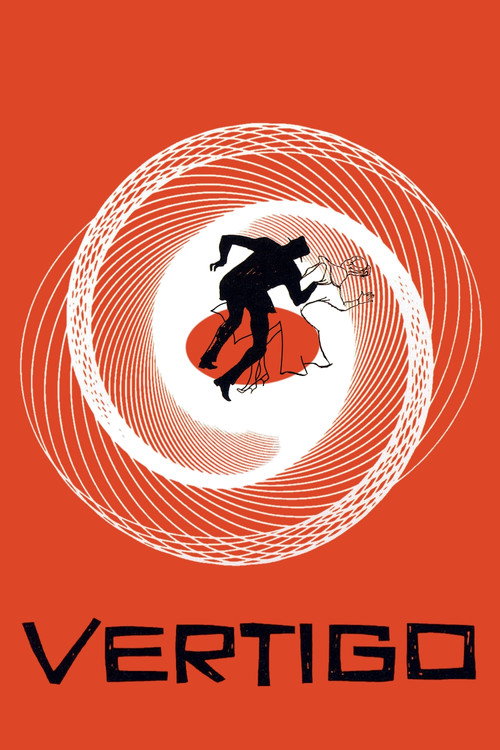
Vertigo1958
Trades amnesia for obsession, but it's the same Hitchcock fascination with a mind that can't trust its own perceptions, wrapped in some of his most beautiful, disorienting imagery.
But Slower and sadder than Spellbound, with a romance that curdles instead of healing.
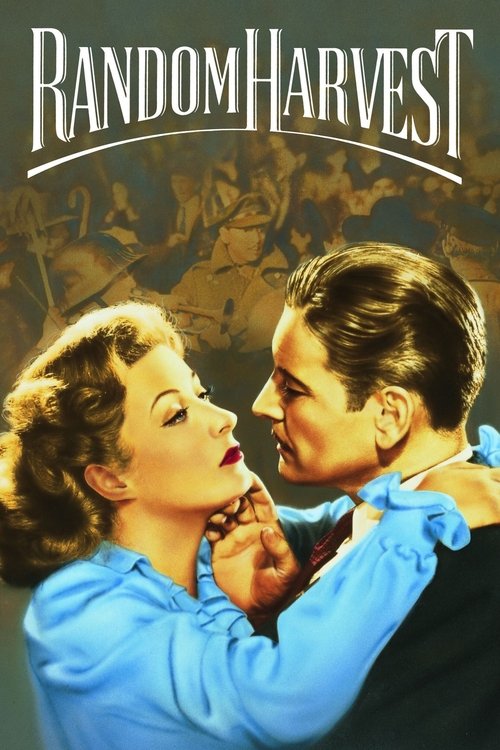
Random Harvest1942
The straight melodrama version of amnesia-and-love, no murder plot attached — just a man who's lost himself and the woman determined to find him again.
But Unabashedly sentimental where Spellbound stays clinical; if you want mystery over tears, this will feel soft.
Un Chien Andalou1929no page yet
Salvador Dalí, who designed Spellbound's dream sequence, co-made this surrealist short years earlier — the raw, uncensored version of the imagery Hitchcock later tamed for a mainstream audience.
See where Dalí's dream logic came from before Hollywood sanded off its edges — genuinely strange, still faintly shocking, and over before it can wear out its welcome at seventeen minutes.
But There's no story and no comfort, and some images are deliberately unpleasant — this is art, not entertainment.
High Anxiety1977no page yet
Brooks' spoof takes the exact toolkit Spellbound helped establish — nervous psychoanalysts, sinister asylums, Hitchcockian dream sequences — and plays it entirely for laughs, love letter and roast in one.
Once you've felt the genuine tension of Spellbound, watching Mel Brooks cheerfully demolish every trope Hitchcock helped build is enormously satisfying — affectionate, silly, and surprisingly well-aimed.
But The gags are broad and dated in places, and it means little if you haven't seen the films it's teasing.
People
Cast
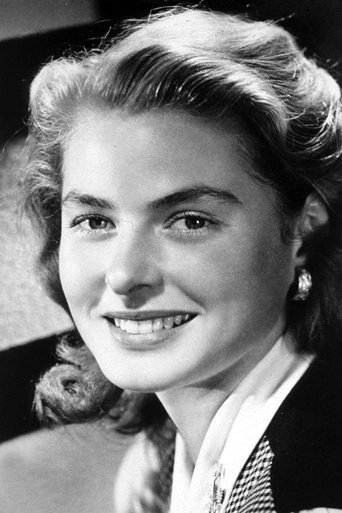 Ingrid BergmanDr. Constance Petersen
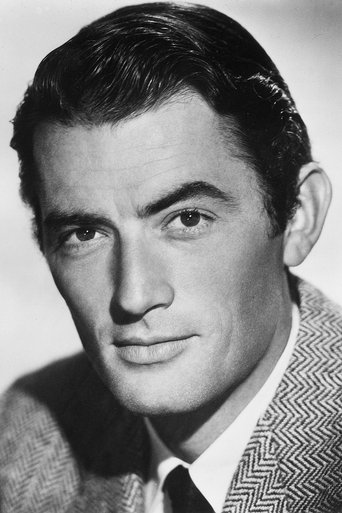 Gregory PeckJohn Ballantine
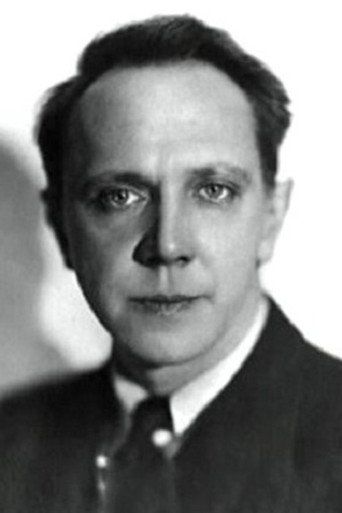 Michael ChekhovDr. Alexander Brulov
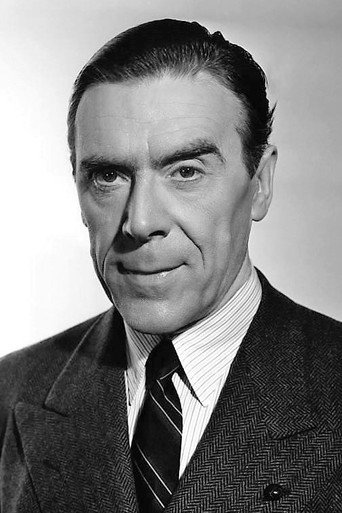 Leo G. CarrollDr. Murchison
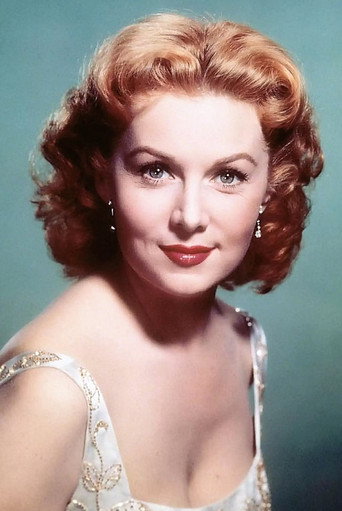 Rhonda FlemingMary Carmichael
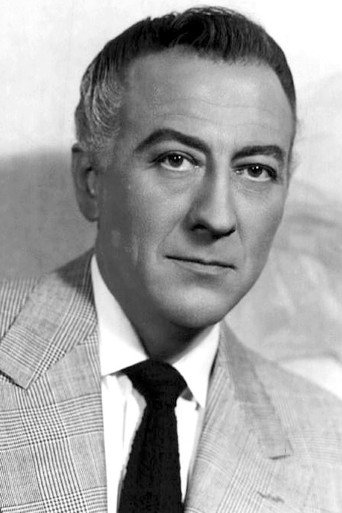 John EmeryDr. Fleurot
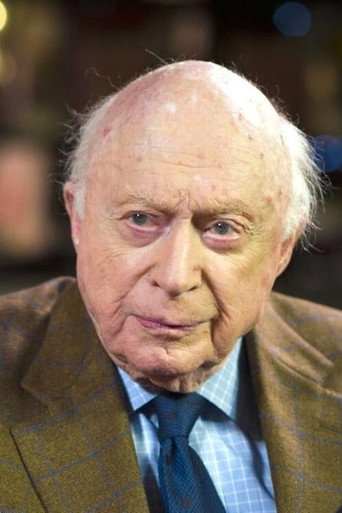 Norman LloydMr. Garmes
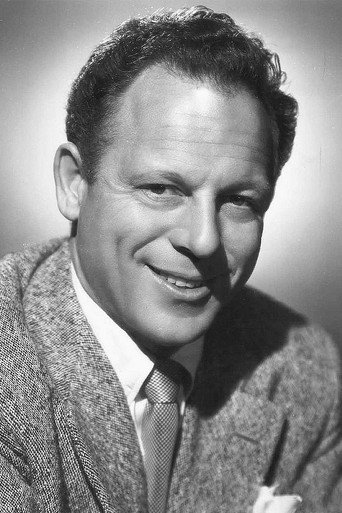 Bill GoodwinHouse Detective
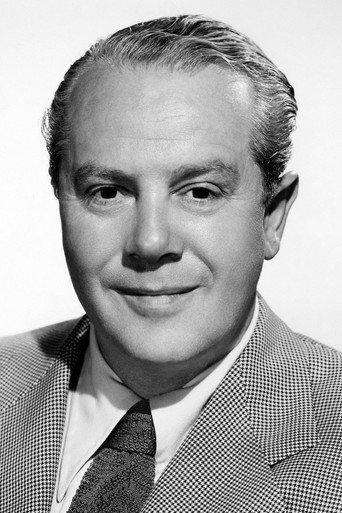 Steven GerayDr. Graff
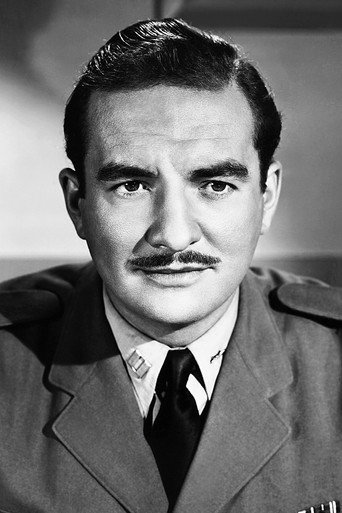 Donald CurtisHarry
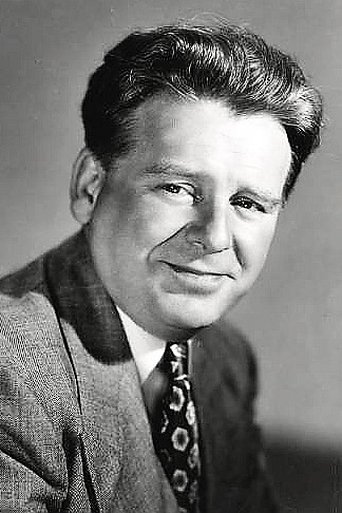 Wallace FordStranger in Hotel Lobby
 Art BakerDet. Lt. Cooley
Directing
- Lowell J. FarrellAssistant Director
- Alfred HitchcockDirector
- Charles BartonSecond Unit Director
Writing
- Hilary St George SaundersNovel
- John PalmerNovel
- Angus MacPhailScreenplay
- Ben HechtScreenplay
Production
- David O. SelznickProducer
- Barbara KeonProduction Assistant
- Richard JohnstonProduction Manager
- Fred AhernUnit Manager
Recommended by
Notorious, Shutter Island, Paprika, Legion, The Bourne Identity, The Snake Pit