
Film
A Woman's Secret
A 1949 noir-flavoured mystery where a singer's sudden loss of voice spirals into murder accusation. Maureen O'Hara carries the film with intelligence and restraint, anchored by Melvyn Douglas's steady presence. It's intimate rather than spectacular—more concerned with character and doubt than plot mechanics. For patient viewers who like their mysteries psychological and their heroines complex.
If you liked this
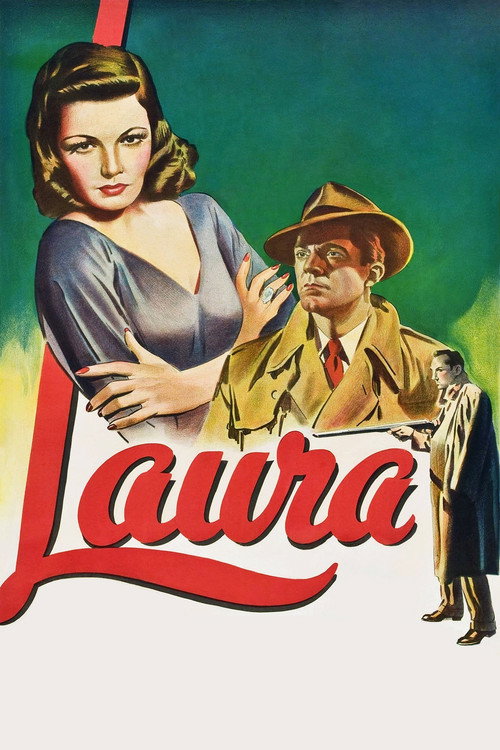
Laura1944
Otto Preminger's masterpiece about obsession and misdirection. A detective investigates a woman's murder, but the film's real interest is in how desire warps perception. Intoxicating atmosphere and a mystery that genuinely surprises.
But It moves slowly by modern standards, and the final act logic requires patience. Some find the romance more interesting than the case itself.
The Killing1956
Kubrick's racetrack heist told in fragments—a structure that feels like puzzle-solving. Each suspect's perspective shifts the moral ground. Economical, clever, and hypnotic despite its modest runtime.
But The fractured timeline demands attention; if you're not following closely, it loses you fast. The violence is sudden and cold in ways that can feel gratuitous.

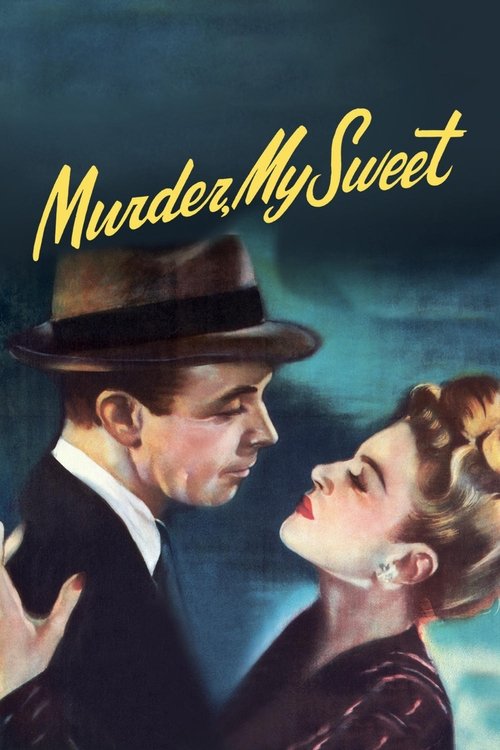
Murder, My Sweet1944
Dick Powell becomes a desperate man in Dmytryk's baroque noir. The mystery unfolds through confession and shadow, and the dialogue crackles with exhaustion and cynicism. A masterclass in how to make a small story feel enormous.
But The plot spirals; by the end you're untangling threads rather than enjoying the ride. Some sequences are genuinely hard to see—the cinematography prioritizes mood over clarity.
Not sure tonight? Get a pick in a minute, starting from A Woman's Secret
The wildcard
Something you would not have found on your own.
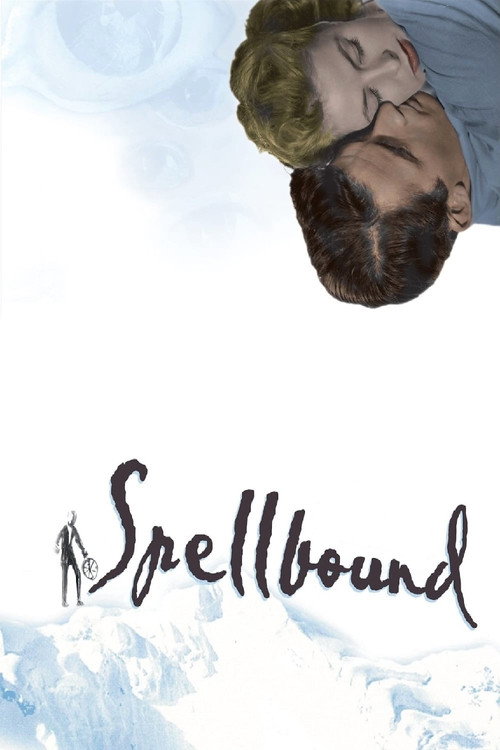
Spellbound1945
Both centre on a woman defending someone against suspicion, where her belief in their innocence becomes both act of faith and potential blindness. The mystery is really about trust.
Hitchcock and Freud collide. Ingrid Bergman, a psychiatrist, falls for a man who may have committed murder—or may be innocent and traumatised. The psychology is half-baked, but the atmosphere is hypnotic, and Dalí's dream sequence is unforgettable. It's Hitchcock wrestling with the unconscious in ways he rarely did again.
But The Freudian concepts are reductive and dated. Some find the psychoanalysis more distracting than illuminating, and the solution feels arbitrary.
More like this (8)
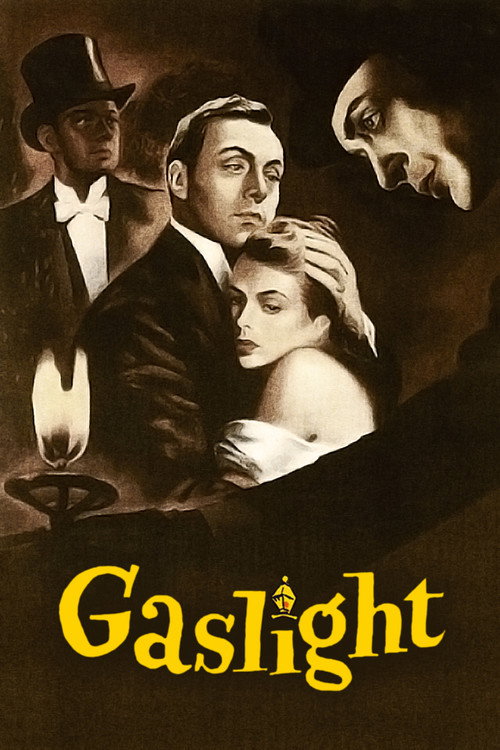
Gaslight1944
A woman suspects her husband of driving her mad. Ingrid Bergman's performance captures psychological unravelling with devastating precision. A template for everything about doubt, loyalty, and the question of who you can trust.
But The premise is distressing by design. If you're sensitive to gaslighting or marital manipulation, this will hurt.
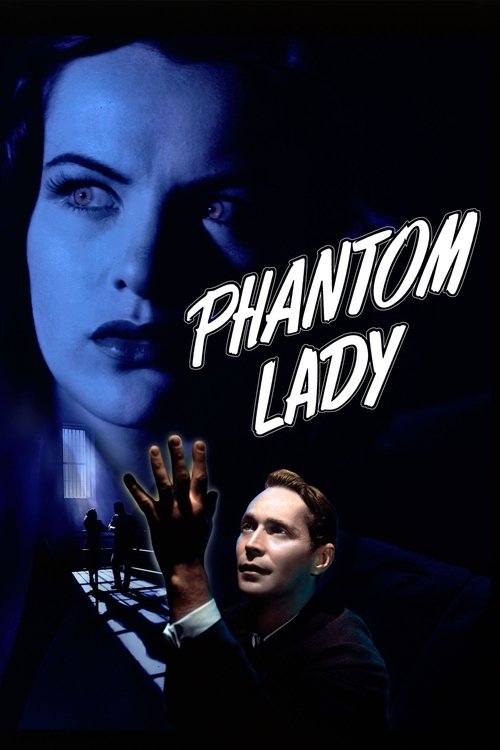
Phantom Lady1944
A woman must prove her husband innocent of murder he swears he didn't commit. The film shifts from her perspective to his, and the mystery deepens with each revelation. Visually stunning and emotionally urgent.
But The pacing is uneven; long sequences of investigation can feel repetitive. The ending arrives suddenly and requires generous interpretation.
In a Lonely Place1950
Bogart as a Hollywood writer accused of murder. What makes it extraordinary is how the film refuses to let you rest in certainty—he might be innocent, or he might not. The relationship at its centre is as mysterious as the crime.
But It's bleak to the point of nihilism. The romance offers no comfort, and the ending is one of cinema's most unsparing.

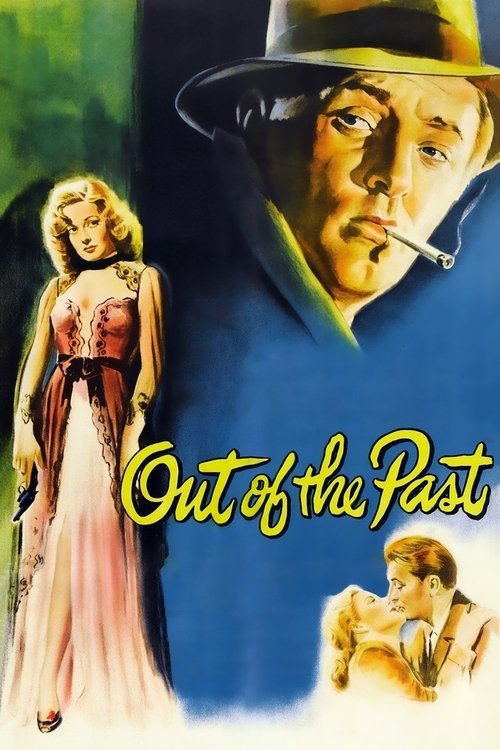
Out of the Past1947
A man tries to escape his past but finds it has an iron grip. The plot is intricate, the dialogue is superb, and Robert Mitchum's world-weariness is magnetic. Every frame looks like it was painted in cigarette smoke.
But The fatalism can feel dated to modern sensibilities. Some find the femme fatale archetype reductive and the misogyny hard to overlook.
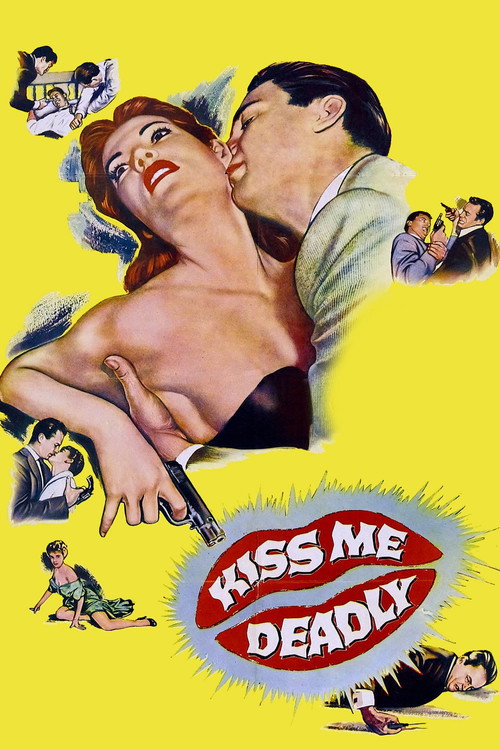
Kiss Me Deadly1955
Aldrich's violent, apocalyptic noir. A private detective stumbles into nuclear-age paranoia. It's trashy and brilliant—the dialogue is hard-boiled to the point of poetry, and the dread builds toward something genuinely terrible.
But The casual brutality toward women is genuinely uncomfortable. The ending is bleak in ways that can feel nihilistic rather than meaningful.
The Asphalt Jungle1950
Huston's heist blueprint—a caper film that treats criminals as people, not caricatures. The ensemble work is masterful, and the moral ambiguity feels earned. Influential and still engaging.
But It's procedural and somewhat slow. The heist itself takes a while to arrive, and some may find the ensemble structure dilutes emotional investment.

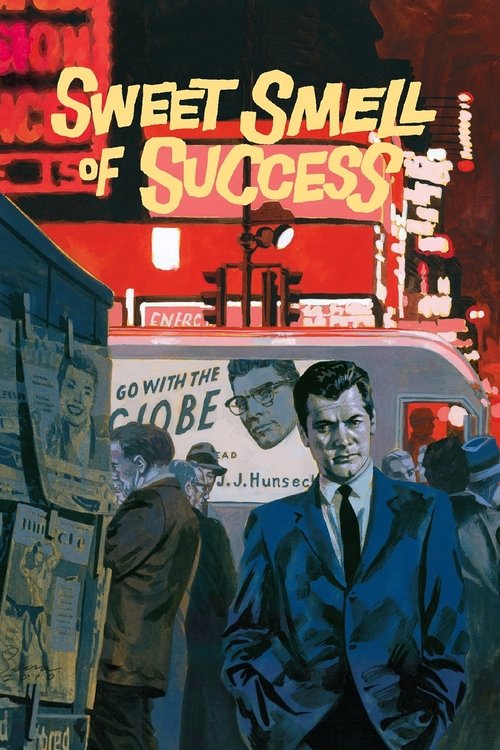
Sweet Smell of Success1957
Both films understand that the real mystery isn't whodunit—it's the gap between what people appear to be and who they actually are. In both, loyalty becomes a knife.
A gossip columnist and a hustler move through Manhattan's underbelly in a dance of manipulation and self-destruction. The dialogue is Shakespearean in its venom; every line burns. There's no mystery to solve—just people corroding each other. Shot in luminous black-and-white that makes corruption look beautiful.
But It's caustic and offers no heroes, only degrees of moral failure. The pace is dialogue-driven; if the language doesn't seduce you, there's not much plot to carry you.
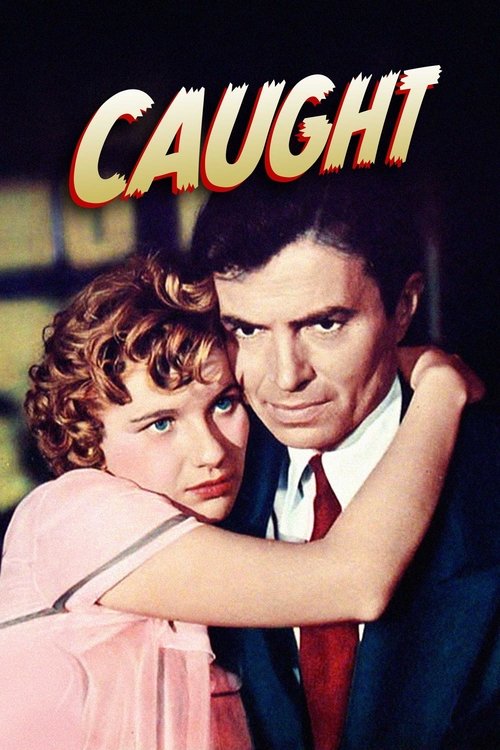
Caught1949
Both are about women whose perceptions of men—and of themselves—become the real narrative. Both understand that the crime, if there is one, is less important than the psychology of suspicion and self-doubt.
Max Ophüls's film about a woman trapped in a marriage to a man who may or may not be dangerous. She's a working girl; he's a millionaire. The film is visual storytelling at its finest—Ophüls's camera keeps rotating, keeping us disoriented and off-balance, which is exactly how the protagonist feels. It's the same year as A Woman's Secret and shares its preoccupation with women navigating male power.
But It's slow and meditative. The plot is gossamer. If you're expecting narrative momentum, you'll be frustrated.
People
Cast
 Maureen O'HaraMarian Washburn
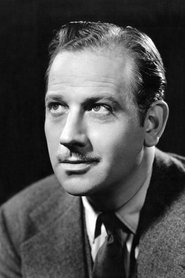 Melvyn DouglasLuke Jordan
 Gloria GrahameSusan Caldwell / Estrellita
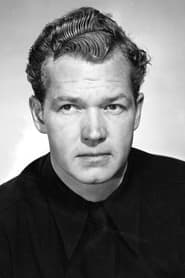 Bill WilliamsLee Crenshaw
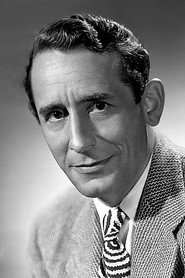 Victor JoryBrook Matthews
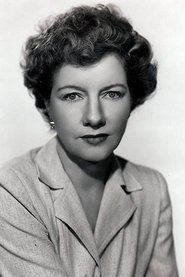 Mary PhilipsMrs. Mary Fowler
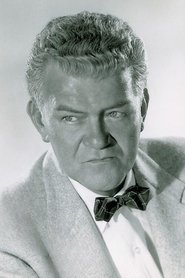 Jay C. FlippenPolice Insp. Jim Fowler
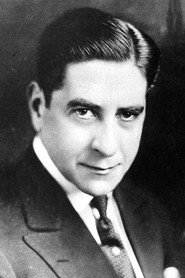 Robert WarwickAssistant District Attorney Roberts
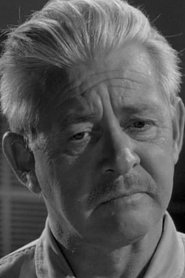 Curt ConwayDoctor
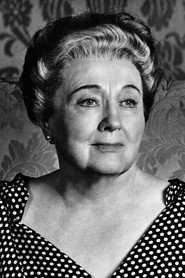 Ann ShoemakerMrs. Matthews, Brook's Mother
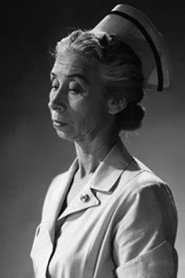 Virginia FarmerMollie the Washburn Maid
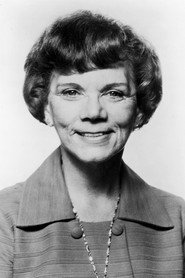 Ellen CorbyNurse who reads paper to Susan
Directing
- Doran CoxAssistant Director
- Nicholas RayDirector
- Mercy WeireterScript Supervisor
Writing
- Vicki BaumNovel
- Herman J. MankiewiczScreenplay
Production
- Herman J. MankiewiczProducer
- William DorfmanProduction Manager