
Film
The Scarlet Letter
Other titles called The Scarlet Letter: the 1927 film, the 1979 series (PBS), the 1995 film.
Victor Sjöström's 1934 adaptation strips Hawthorne's allegory to its moral core: a woman publicly shamed for a child born outside marriage, a minister consumed by secret guilt, and a husband bent on revenge. It's austere and unsparing, shot through with the visual sophistication of late silent cinema. A film about the cruelty baked into respectability.
Should you watch it?
Watch it if you enjoy slow, earnest period dramas that examine communal hypocrisy and moral cruelty, and you don't mind a 1934 studio picture that still feels a bit stagey around the edges.
Skip it if you want fast pace or modern visual flair, since the early-sound staging and theatrical acting move slowly and lean heavily on dialogue.
What it asks of you: Settle into sixty-nine minutes of mostly talk, with long stretches of quiet looks and rising tension rather than action.
Not sure? Find tonight's pick in a minute.
If you liked this
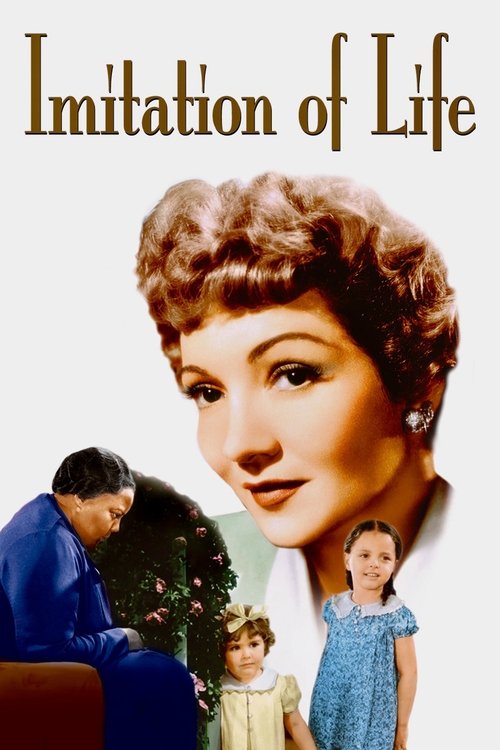
Imitation of Life1934
Happens to be the same year, same moral texture—a woman's sacrifice and the world's judgment. Stahl's film is warmer and more melodramatic, but the backbone is identical: how society punishes women for the same things it forgives in men.
But It leans hard into soap-opera emotion. If you want restraint and ambiguity, this goes for the heart with both hands.
Letter from an Unknown Woman1948
Ophüls, Fontaine, and a woman destroyed by her devotion to a man who doesn't deserve her. Like *Scarlet Letter*, it's about the permanent mark one person's indifference leaves on another. Exquisite and heartbreaking.
But It's baroque and highly stylized. The emotional intensity might feel overwrought if you're not in the mood for it.

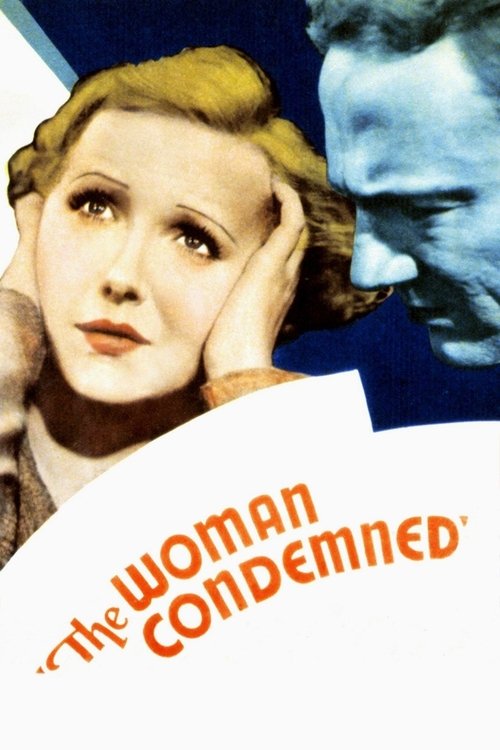
The Woman Condemned1934
Another Colleen Moore vehicle from the same era, another woman made to bear the weight of judgment. Less famous than *Scarlet Letter*, but it has the same moral clarity and the same fury underneath the restraint.
But Print quality is often poor. It's harder to find and the restoration is not always kind to the image.
Not sure tonight? Get a pick in a minute, starting from The Scarlet Letter
The wildcard
Something you would not have found on your own.
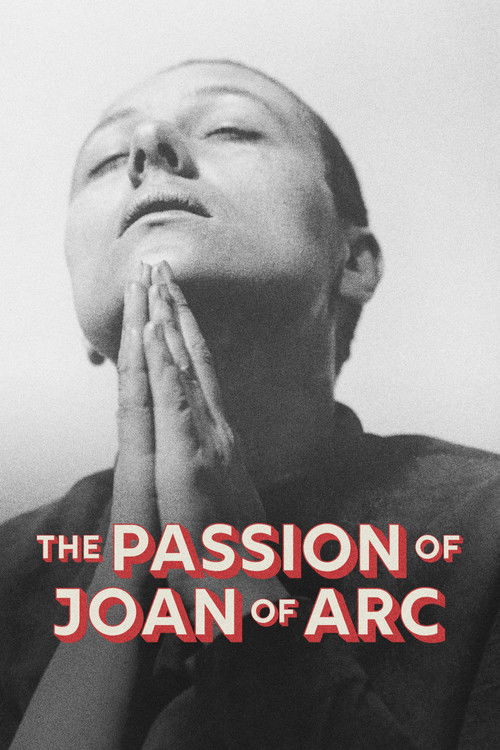
The Passion of Joan of Arc1928
Both films use a woman's public shame as the stage for an entire society's moral reckoning. Both filmmaker and source author understand that judgment is a weapon the powerful use against the powerless. The camera in both cases refuses to look away.
Carl Theodor Dreyer's film about a woman marked for judgment and execution. No scarlet letter, but the architecture is identical: a woman as the vessel for society's need to punish what it fears. Renée Jeanne's face bears the entire moral weight. It is almost unbearable.
But It's a 1928 silent film. The emotional register is operatic, not naturalistic, and Dreyer holds on suffering in ways modern audiences find difficult.
More like this (7)
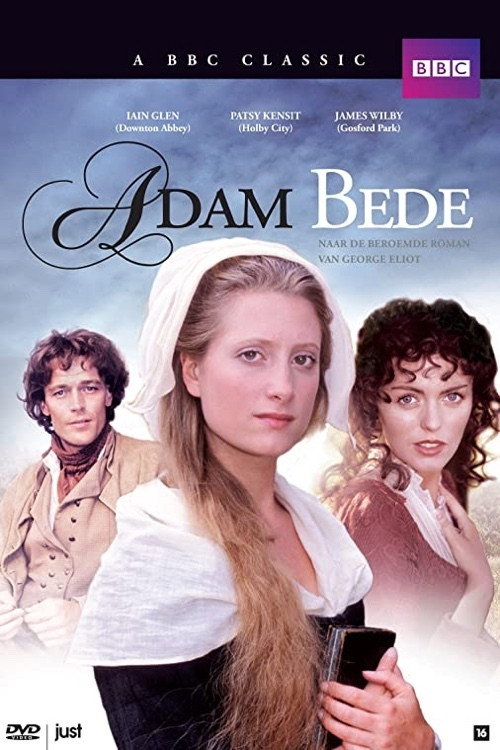
Adam Bede1992
BBC miniseries of George Eliot's novel about a young mother persecuted by her village. The 19th-century English setting differs, but the architecture is identical: shame, redemption, and the cost of respectability on women's bodies.
But It's methodical. Some stretches will feel slow if you're used to faster-paced drama.
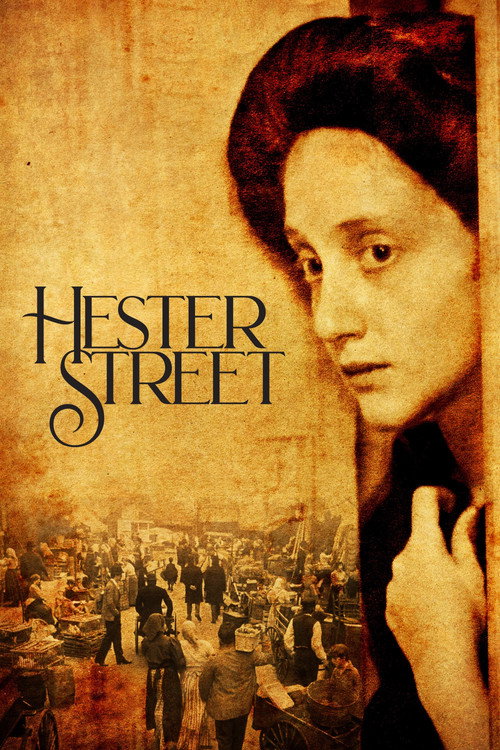
Hester Street1975
Another meditation on a woman bearing an unbearable mark—here, an immigrant wife caught between two worlds. Intimate and intelligent, with Carol Kane giving one of cinema's great quiet performances of endurance.
But Very slow burn. The film's power arrives through accumulation, not incident. That's a feature, not a bug, but it asks patience.
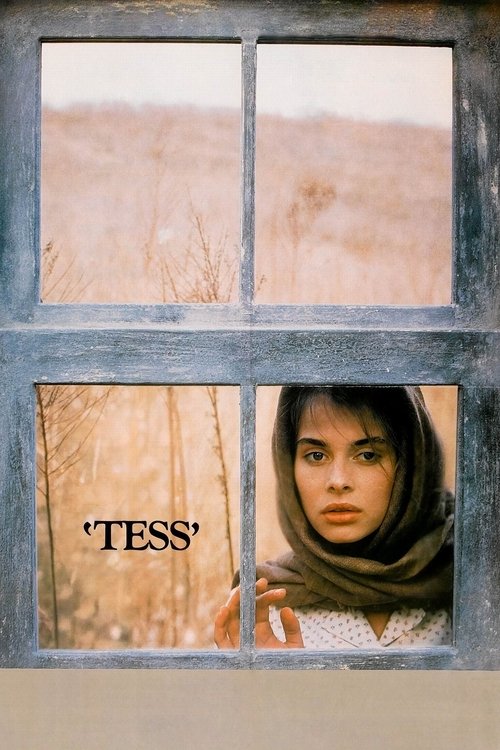
Tess1979
Polanski's adaptation of Hardy is the apotheosis of this tradition: a woman destroyed not by her sin but by the world's unwillingness to forgive it. Visually ravishing and morally pitiless.
But Three hours, and it never looks away from suffering. Beautiful to watch, brutal to sit through.
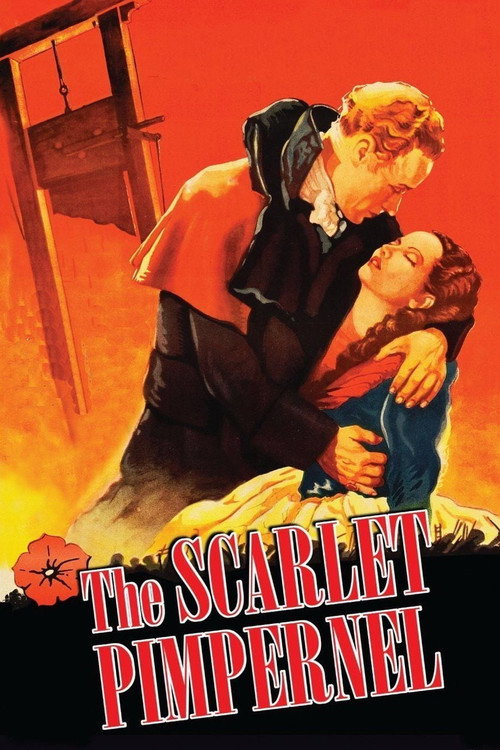
The Scarlet Pimpernel1934
Leslie Howard in the same year, same studio system energy, but on the opposite side of judgment—a man hiding behind a persona, helping the condemned escape. A companion piece in tone and craft.
But It's adventure fiction, not drama. The moral weight is lighter, which some will find refreshing and others will find evasive.
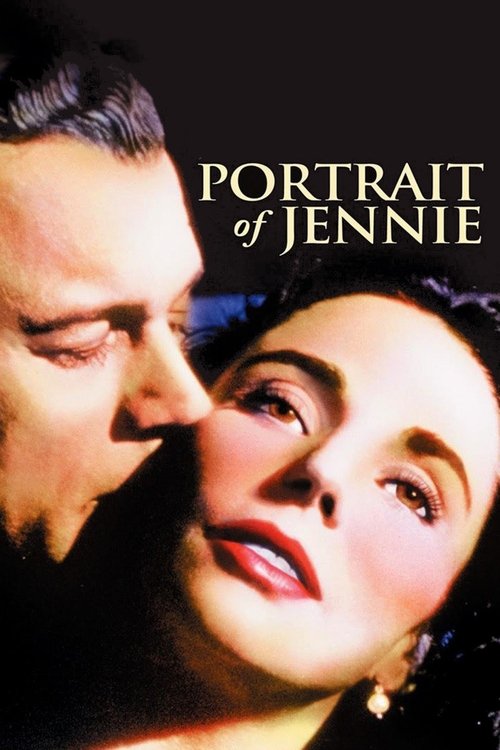
Portrait of Jennie1948
Dieterle again, Fontaine again—a different story, but the same visual approach to how a woman's presence haunts a man's conscience. Dreamlike and melancholic in the way *Scarlet Letter* is restrained.
But It's sentimental in places where *Scarlet Letter* stays cold. The tonal shift might feel incongruous.
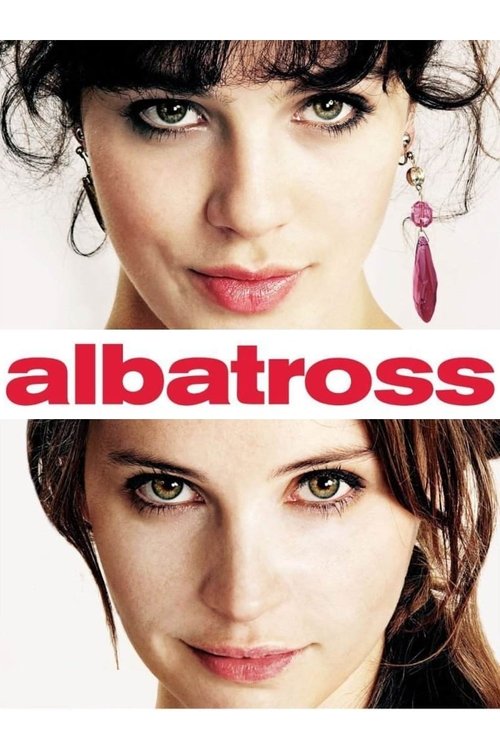
Albatross2011
Both works treat inherited sin and environmental damage—literal and moral—as inescapable. Both ask: what marks us, and when does the mark become the whole person? But where *Scarlet Letter* is human drama, *Albatross* is species-wide reckoning. Different scale, same question.
A feature-length documentary about a seabird choking on plastic. No dialogue, no plot—just a slow meditation on invisible guilt passed down through generations, on what we inherit and what we pass on. The seabird is *Scarlet Letter*'s Pearl.
But It's a nature documentary about death. If you're expecting narrative or uplift, you will be disappointed. It's formally challenging and heartbreaking.
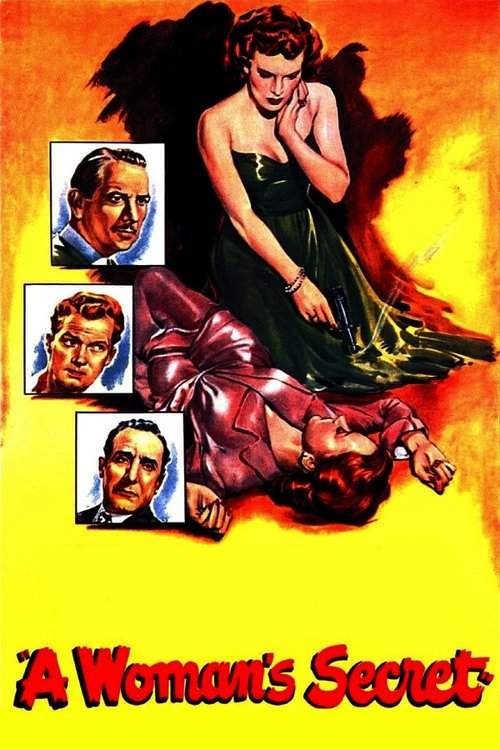
A Woman's Secret1949
Both films ask what a woman will sacrifice to survive society's judgment. But *Woman's Secret* imagines agency and choice where *Scarlet Letter* finds only endurance. One is about bearing a mark; the other about choosing to carry it. The inverse move.
Nicholas Ray noir that flips the script: a woman takes blame to protect another woman from judgment. Not about shame imposed, but chosen and carried. Maureen O'Hara, Gloria Swanson—two women trading lives in the shadows. Morally complex in ways *Scarlet Letter* wasn't permitted to be.
But It's a noir, so it's cynical about redemption in ways that might feel hostile. Also very of-its-era in how it frames women's agency and desire.
People
Cast
 Colleen MooreHester Prynne
 Hardie AlbrightArthur Dimmesdale
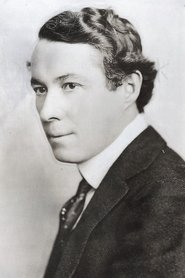 Henry B. WalthallRoger Chillingworth
 Cora Sue CollinsPearl
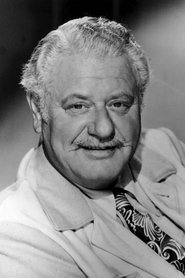 Alan HaleBartholomew Hockings
 Virginia HowellAbigail Crakstone
- William KentSampson Goodfellow
 William FarnumGov. Bellingham
 Betty BlytheInnkeeper
- Al O. HendersonMaster Wilson
 Jules CowlesBeadle
 Mickey RentschlerDigerie Crakstone
Directing
- Jesse DuffyAssistant Director
- Robert G. VignolaDirector
Writing
- Nathaniel HawthorneNovel
- David SilversteinScreenplay
- Leonard FieldsScreenplay
Production
- Larry DarmourProducer
Recommended by
The Prince and the Pauper, Salome, Where She Danced, The Branded Woman, The Mothering Heart, Roseanna McCoy, The Prisoner of Shark Island, Mayerling, Homecoming, Madame Bovary