
Film
The Woman Condemned
A 1934 mystery-crime drama about a newspaper reporter defending a woman falsely accused of murdering a radio star. Lean and propulsive, it moves with the snappy efficiency of early Depression-era crime pictures. For fans of procedural logic and vintage courtroom intrigue, and anyone curious how quickly a story can be told when studios aren't padding for commercial breaks.
If you liked this
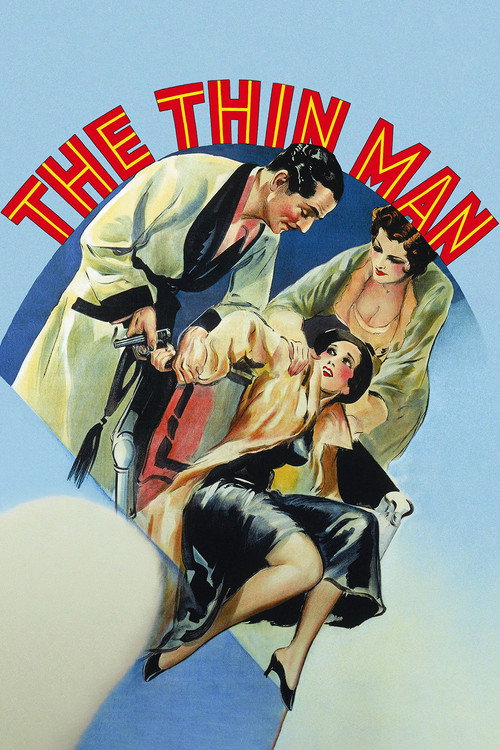
The Thin Man1934
Released the same year, this Dashiell Hammett adaptation has the same zippy dialogue and genre confidence. A murder mystery wrapped in romantic comedy, with detective work that actually feels intelligent and a pace that never drags.
But The screwball elements might feel dated if you're coming for serious crime drama. It's lighter and more flirtatious than The Woman Condemned.
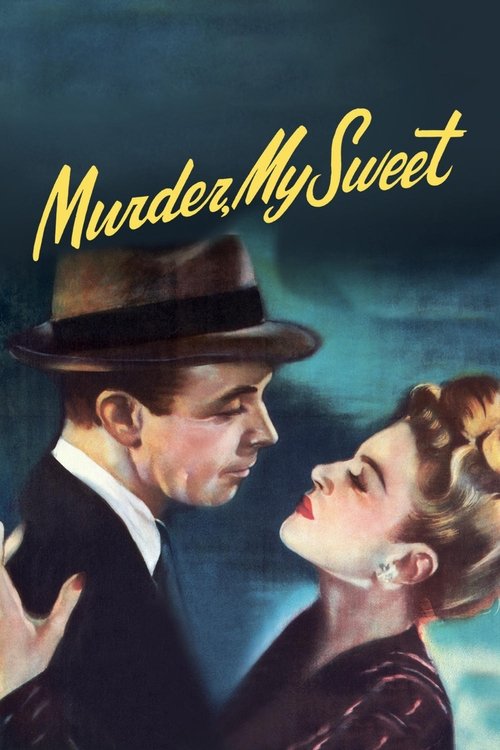
Murder, My Sweet1944
A reporter investigating murder, complex plotting, and genuine moral stakes. The noir visual style is assured and adult, and the mystery actually rewards attention without becoming labyrinthine.
But It's a full two hours and slower-burn than this '34 sprint. Some find classic noir dialogue overwrought.
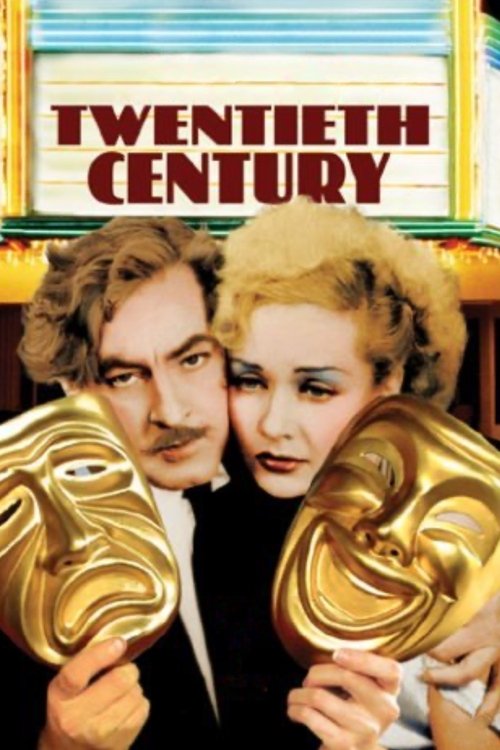
Twentieth Century1934
Another 1934 gem, also fast-moving and sharp. A backstage drama with the same rat-a-tat dialogue and Depression-era energy. If you liked the tempo of The Woman Condemned, this has it in spades.
But It's not a mystery at all—it's theatrical melodrama. The tone is much broader and more comedic.
Not sure tonight? Get a pick in a minute, starting from The Woman Condemned
The wildcard
Something you would not have found on your own.
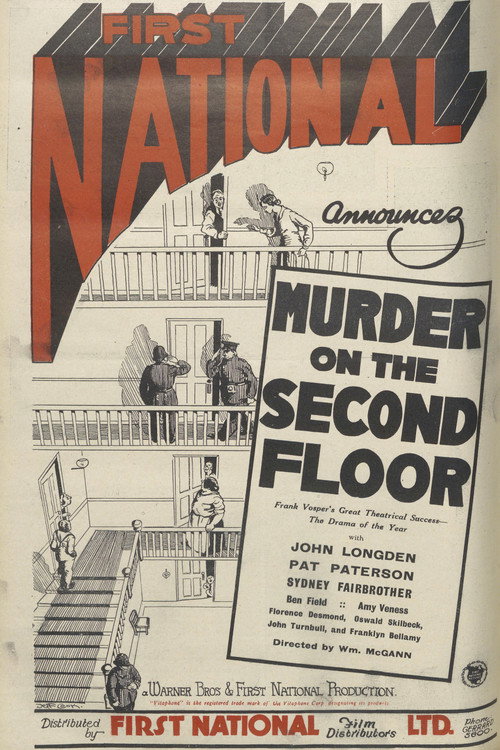
Murder on the Second Floor1932
Both are lean, economical mysteries from the early '30s built on the scaffolding of logic rather than emotion. No padding, no sentiment, just plot delivered at speed.
A play adapted to film in real time, almost like watching a stage mystery unfold. The claustrophobia and the logic of crime detection feel forensic and fresh. Remarkably modern in its approach to procedure over melodrama.
But It's genuinely stage-bound—six rooms and closed spaces. The visual language is deliberate, not naturalistic. If you need cinematic sweep, you'll find it static.
More like this (8)
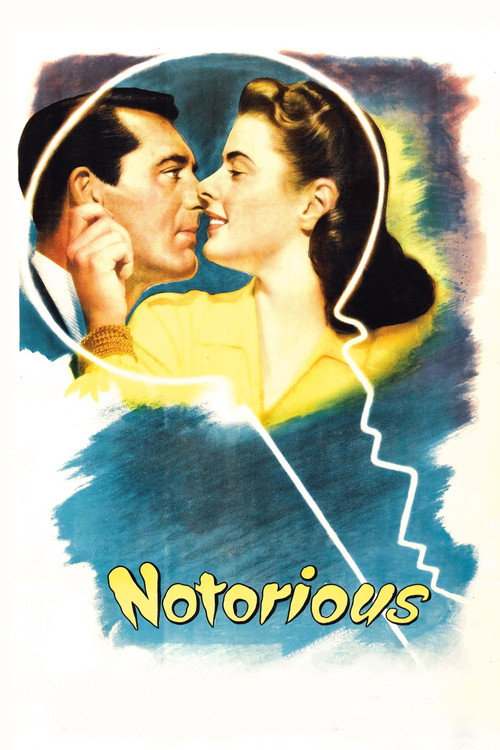
Notorious1946
Hitchcock's masterpiece about suspicion, accusation, and a woman caught in circumstances beyond her control. Morally complex, visually stunning, and the wrongly-accused premise has real weight.
But It's considerably longer and more psychologically intricate. The pacing is deliberate where this film sprints.
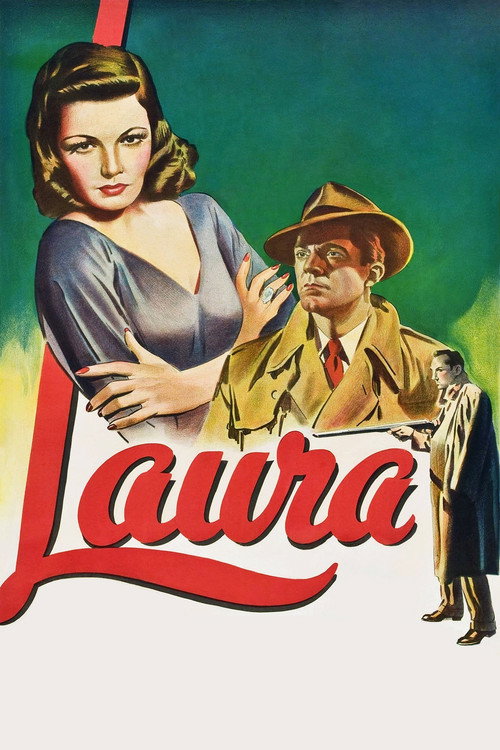
Laura1944
A detective investigating a woman's supposed murder, discovering things aren't what they seem. Intelligent, beautifully composed, with a mystery that genuinely surprises. The voice-over narration is iconic.
But Slower and more atmospheric than you might expect from a murder mystery. Some find it precious or dated.
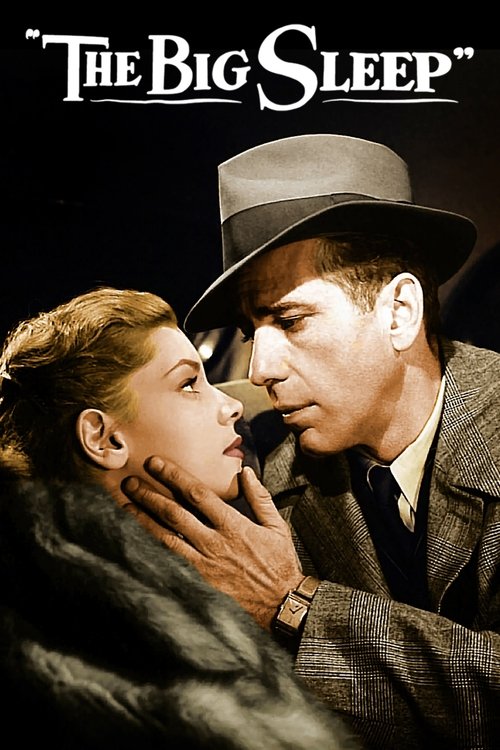
The Big Sleep1946
Bogart and Bacall in Chandler. The plot barely matters—it's the wit, the chemistry, and the absolute confidence in every scene. If you want sharp dialogue and character over puzzle-solving, this is it.
But The plot is genuinely hard to follow and almost nobody cares. If you want clarity and resolution, you'll be frustrated.
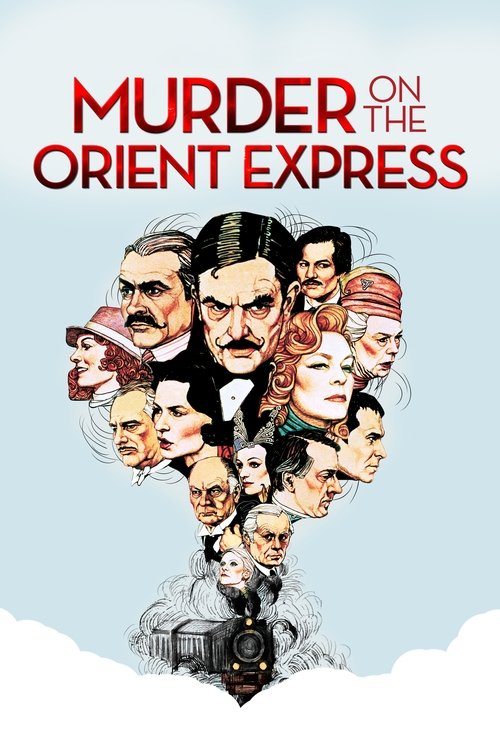
Murder on the Orient Express1974
Agatha Christie adapted beautifully. A locked mystery with a brilliant detective and multiple suspects, each with motive and complexity. The solution is satisfying without feeling cheap.
But It's a period piece that can feel very theatrical. At two hours-plus, it's much more leisurely than early crime dramas.
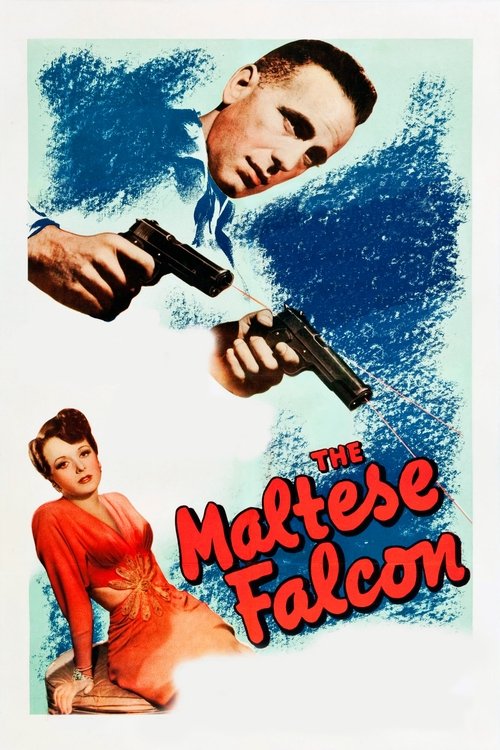
The Maltese Falcon1941
Bogart as Spade, investigating, deceiving, and staying three steps ahead. The archetype of hard-boiled detective fiction done right. Taut, witty, with a moral clarity beneath the cynicism.
But It's been imitated so many times you might find it feels familiar. Some find Bogart's persona exhausting.
In a Lonely Place1950
A screenwriter accused of murder; everyone assumes he's guilty. Ray's direction is assured, the paranoia is palpable, and Bogart gives one of his most complex performances. A wrongly-accused premise with real teeth.
But It's bleak and doesn't offer easy catharsis. The ending refuses sentiment. Feels more like tragedy than mystery.

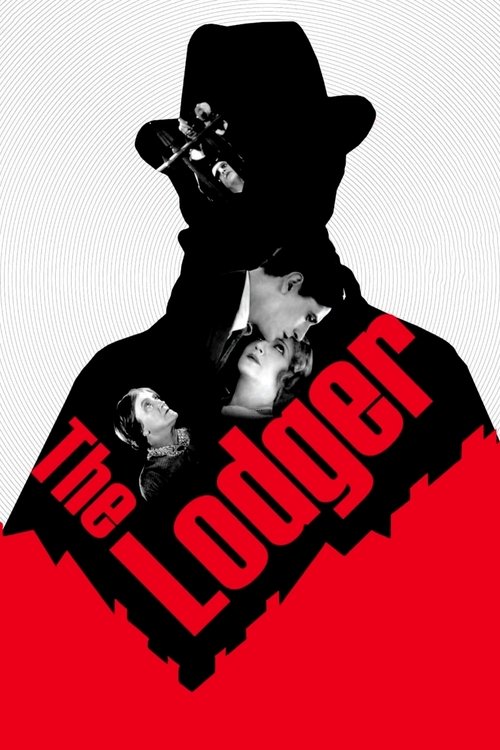
The Lodger: A Story of the London Fog1927
Both turn on a premise: an innocent person is assumed guilty based on circumstance, and someone else must prove otherwise. Both are short, both trust the audience to follow logic rather than exposition.
Hitchcock's breakthrough: a woman suspects her lodger might be a serial killer. Silent film, but the visual storytelling is so precise you don't miss dialogue. Paranoia, accusation, and the danger of assumption—all compressed into 80 minutes of absolute control.
But It's silent. Intertitles require active reading. The print quality varies. Some find silent cinema requires patience they don't have.
The Asphalt Jungle1950
Like The Woman Condemned, it's fascinated by how guilt and innocence are determined by procedure and chance rather than by any cosmic justice. Both are crime stories where the system itself is the subject.
Huston's heist film is structured like a procedural mystery in reverse—we follow the criminals, not the detective. The logic is meticulous, the characters are vivid, and the moral architecture is complex. Every scene earns itself.
But It's essentially about crime working and failing, not about innocence being proven. If you want a clear hero, you won't find one. The tone is fatalistic, not triumphant.

People
Cast
 Lola LaneJane Merrick
- Richard HemingwayJerry Beall
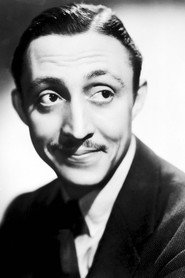 Mischa AuerDr. Wagner
 Claudia DellBarbara Hammond
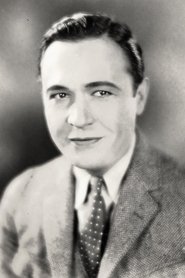 Jason Robards Sr.Jim Wallace
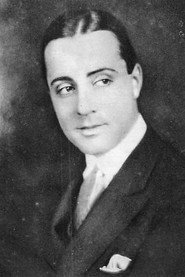 Paul EllisDapper Dan
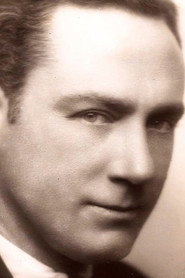 Douglas CosgrovePolice Chief
 Sheila BromleyActress
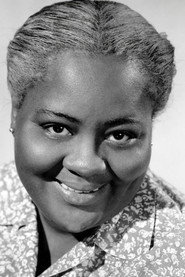 Louise BeaversSally
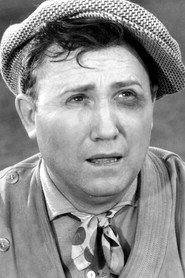 Tom O'BrienFirst Detective
- Neal PrattJudge
- Charles DohertyCard Player (uncredited)
Directing
- Bartlett A. CarréAssistant Director
- Dorothy DavenportDirector
Writing
- Willis KentStory
- Willis KentWriter
Production
- Willis KentProducer
- Bartlett A. CarréProduction Manager