
Film
The Prisoner of Shark Island
A 1936 John Ford historical drama about Dr. Samuel Mudd, imprisoned after unknowingly treating Lincoln's assassin. Ford transforms a real injustice into something visually stunning and deeply felt, balancing period authenticity with intimate human suffering. For anyone drawn to forgotten American stories or early cinema craftsmanship.
If you liked this
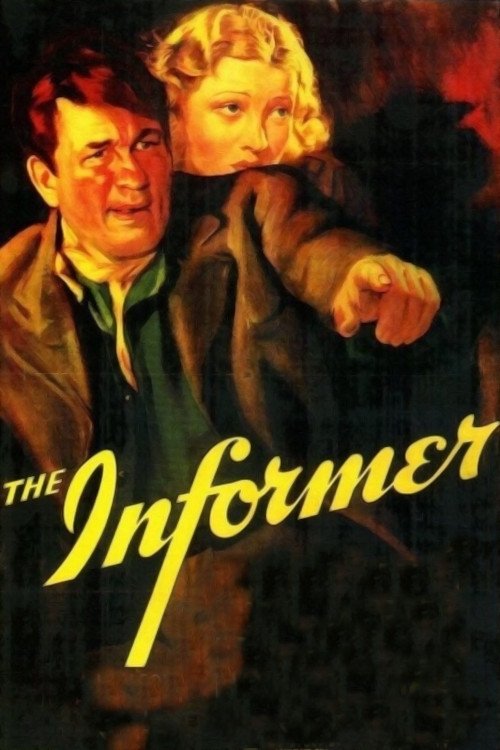
The Informer1935
Ford's earlier masterpiece about an Irish rebel betrayed during the Troubles. Same director working at peak power: atmospheric, morally complicated, with a lead performance that breaks your heart.
But The pacing feels deliberate to modern eyes, and the Irish dialect work may feel theatrical rather than naturalistic.
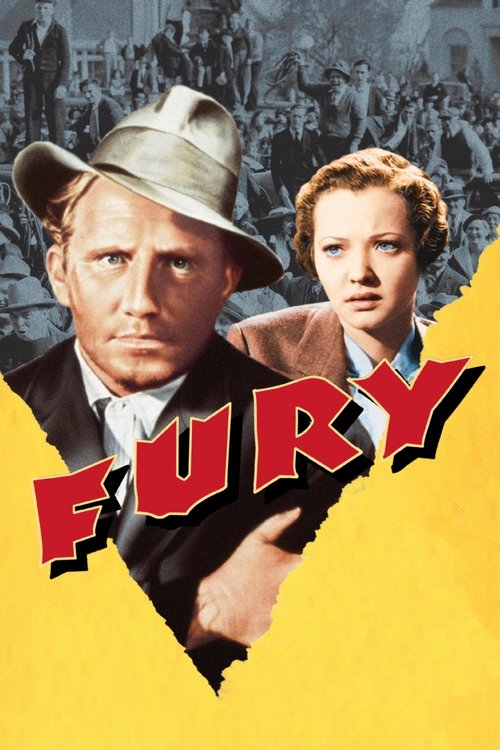
Fury1936
Fritz Lang's contemporary about a man wrongly accused of a crime, nearly lynched by a mob. Shares Mudd's theme of justice perverted, but angrier and more agitprop—raw American rage.
But Less visually poetic than Ford; Lang's Expressionist style clashes with the small-town setting in ways that feel intentional but sometimes jarring.
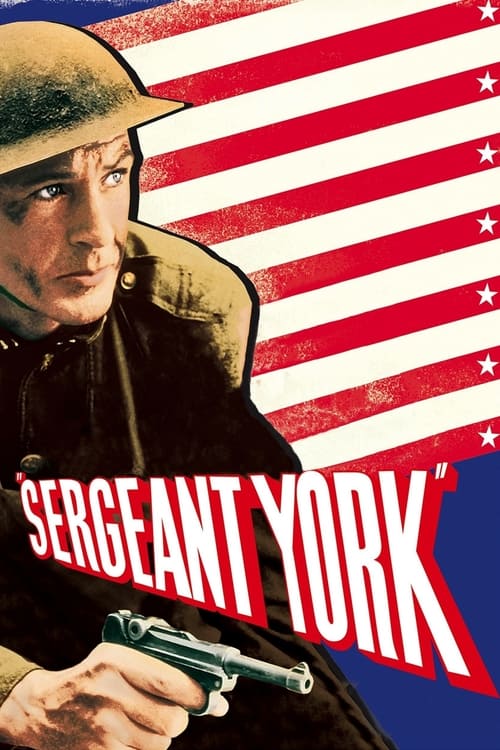
Sergeant York1941
Historical drama about an American hero in WWI, built on the same Ford-adjacent visual grammar. Gary Cooper gives a warm, unglamorous performance as an ordinary man in extraordinary circumstances.
But More comfortable with its subject than Shark Island is—it's rooting for its hero rather than mourning the system that crushes him.
Not sure tonight? Get a pick in a minute, starting from The Prisoner of Shark Island
The wildcard
Something you would not have found on your own.
The Crucible1996
Both are historical events weaponized to examine how institutions destroy the innocent. Ford shows a broken system; Miller shows a system that *is* the mob.
Arthur Miller's Salem witch trials as a direct Cold War metaphor—hysteria, false confession, execution for crimes you didn't commit. Same architecture as Shark Island's injustice, but American paranoia replaces American law.
But The production design is deliberately theatrical rather than realistic; some will find it overwrought or dated in its symbolism.

More like this (7)
The Scarlet Letter1934
Colleen Moore in Hawthorne's story of Puritan injustice. Another period piece about a person destroyed by a society's moral certainty, shot with real visual sophistication.
But The adaptation softens Hawthorne's edges considerably; purists will find it too romantic.

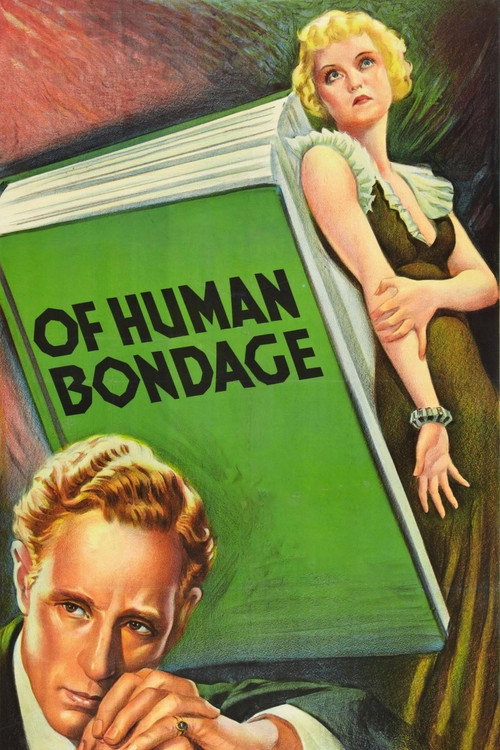
Of Human Bondage1934
Bette Davis as the woman who dominates a man's life, John Barrymore as a decent human destroyed by obsession. Deep, unsettling character study from the same era, same willingness to leave wounds open.
But It's primarily about sexual degradation and psychological collapse; if you're watching for escapism, this isn't it.
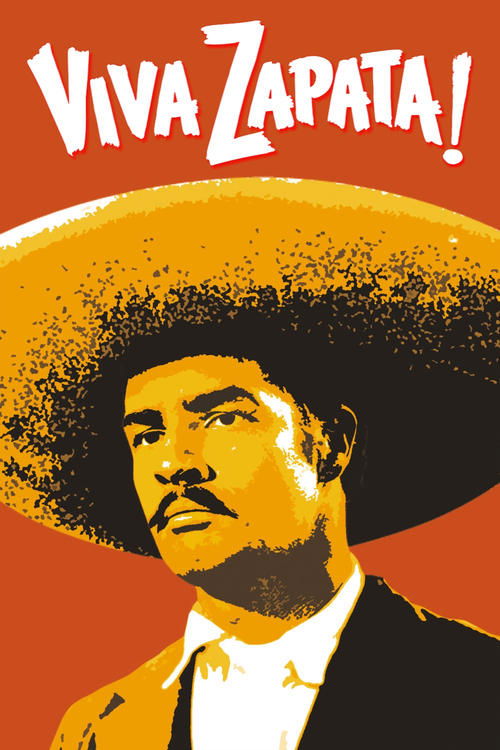
Viva Zapata!1952
Ford again, but sadder and sharper. Marlon Brando as the revolutionary hero who discovers that winning power corrupts it. About the gap between justice and what justice actually accomplishes.
But The political messaging is heavy-handed by modern standards, and the Mexican setting feels somewhat Americanized.
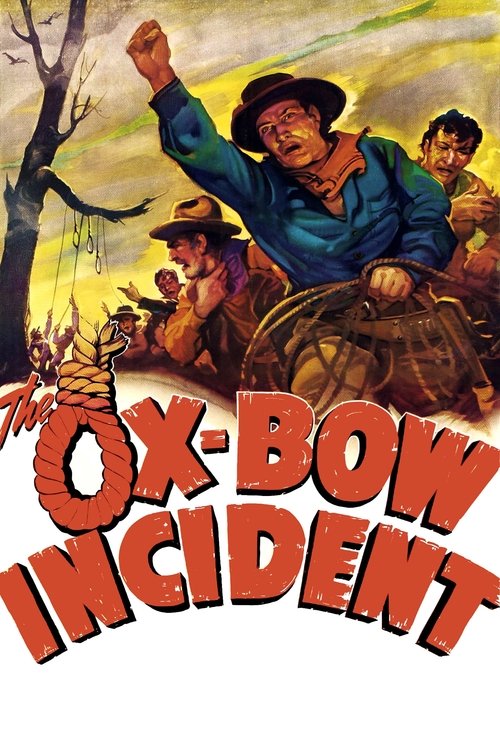
The Ox-Bow Incident1943
Henry Fonda in a Western about a lynch mob that murders three innocent men. Brutal, fast, moral without being preachy. The closest thing to Shark Island's belief that systems destroy good people.
But It's bleak and offers no redemption; if you need your justice stories to resolve hopefully, this will leave you hollow.
The Life of Emile Zola1937
Paul Muni as the writer who fights to expose a wrongful conviction (Dreyfus). Similar period-piece commitment to an unpopular truth; Muni's intensity carries you through the procedural sections.
But The structure becomes courtroom drama in the second half, which can feel stagey and repetitive compared to the earlier investigative work.

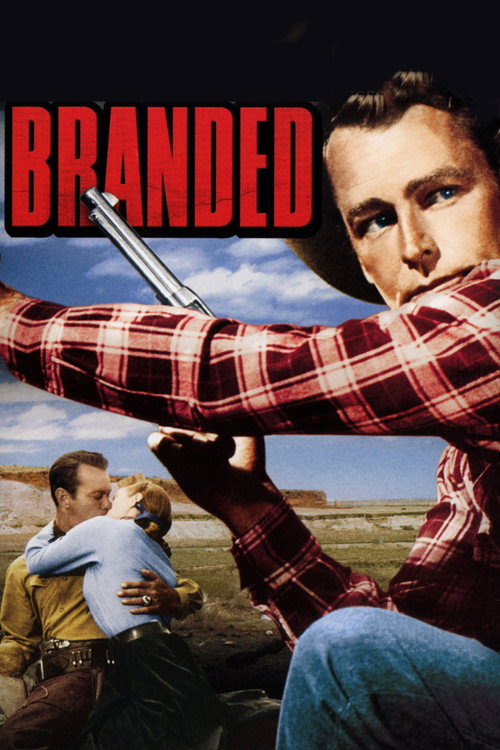
Branded1950
Not a historical drama at all, but uses the structure of wrongful imprisonment to explore how society labels you and won't let you shed that label, even when you escape the literal jail.
A psychological Western—a con man adopts the identity of a missing boy, but the lie cracks him psychologically. Black-and-white and genuinely strange, about how a false identity can become a true prison.
But It's dreamlike and impressionistic rather than clear; if you need narrative clarity, the surreal passages will alienate you.
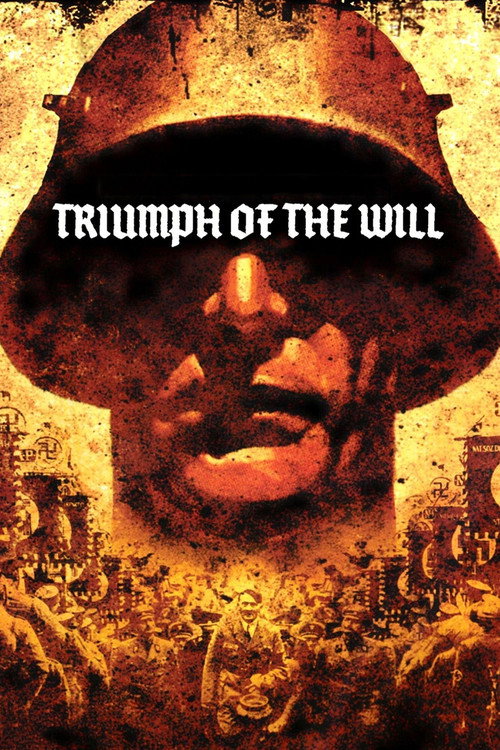
Triumph of the Will1935
Shark Island was made by an American director about American justice failure; Triumph shows how the same medium was being used elsewhere to prevent justice from failing—by making the state's violence the whole point. Together they show cinema's power over what we believe is real.
Leni Riefenstahl's Nazi propaganda documentary. Watch it to understand the opposite of Shark Island—how film can be weaponized to make state violence look like inevitability and beauty. Historically necessary to see, morally necessary to resist.
But It's explicitly designed to seduce you into accepting authoritarianism. Watching it is watching evil use technique brilliantly, which is disturbing and requires intellectual armor.
People
Cast
 Warner BaxterDr. Samuel Alexander Mudd
 Gloria StuartMrs. Peggy Mudd
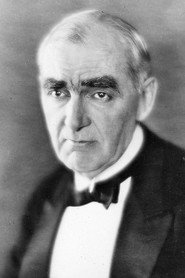 Claude GillingwaterColonel Dyer
 Arthur ByronMr. Erickson
 O. P. HeggieDr. Mac Intyre
 Harry CareyCommandant
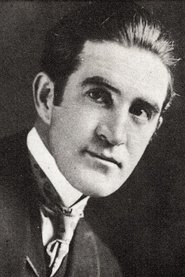 Francis FordCorporal O'Toole
 John McGuireLieutenant Lovett
 Francis McDonaldJohn Wilkes Booth
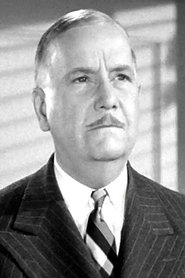 Douglas WoodGeneral Ewing
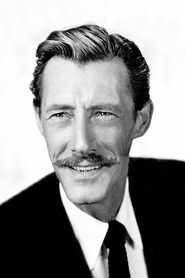 John CarradineSergeant Rankin
- Joyce KayMartha Mudd
Directing
- Edward O'FearnaAssistant Director
- John FordDirector
Writing
- Nunnally JohnsonScreenplay
Production
- Nunnally JohnsonAssociate Producer
- Darryl F. ZanuckProducer