
Film
Viva Zapata!
Kazan's 1952 epic follows Emiliano Zapata from peasant to revolutionary leader, caught between idealism and the corrupting machinery of power. Brando delivers a restrained, layered performance in a film that treats revolution seriously—as tragedy, not romance. It's a western that asks uncomfortable questions about whether change can survive those who fight for it.
Should you watch it?
Watch it if you like political dramas about power and idealism, told through rough, dusty craft, where a charismatic central performance carries a story of land and loyalty more than sweeping battles do.
Skip it if you want a tidy, fast-moving revolution story, since this one lingers on talk, family quarrels and political bargaining, and its battles come at a deliberate pace.
What it asks of you: A two-hour sitting, nearly, with long stretches of talk and reflection that reward patience more than they thrill, and a sober, heavy tone throughout.
Not sure? Find tonight's pick in a minute.
If you liked this
The Battle of Algiers1966
A propulsive, unflinching account of anti-colonial insurgency that shares Zapata's moral complexity. Shot like a documentary, it makes revolution feel immediate and morally ambiguous in ways that linger.
But The political stance is unapologetic, and the film doesn't soften its depiction of violence on either side. Some find it didactic.

The Godfather Part II1974
Like Zapata, it traces how idealistic men become corrupted by the systems they fight or build, across decades and generations. Coppola mines the same vein: power as a kind of disease.
But It's nearly four hours long and demands attention. The parallel narratives can feel demanding on a first watch.

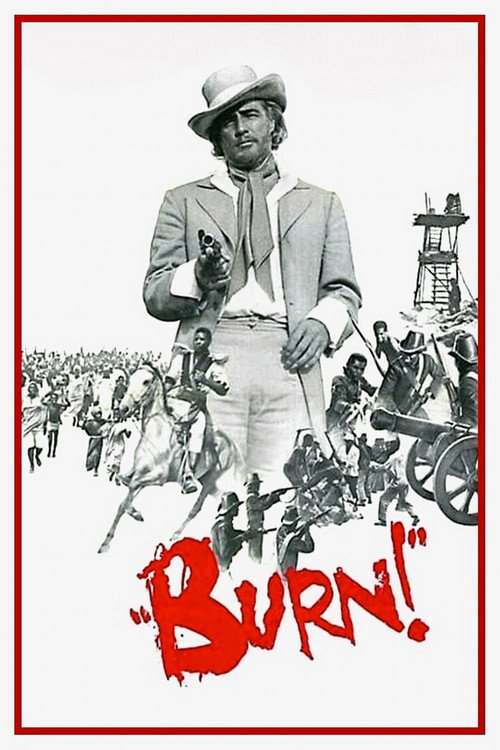
Burn!1969
Marlon Brando again, in another film about colonialism, revolution, and a man used as a tool by powers he doesn't fully understand. Pontecorvo's direction is as sharp as Kazan's.
But It's slow and deliberately paced. The political message is unambiguous, which some viewers find heavy-handed.
Not sure tonight? Get a pick in a minute, starting from Viva Zapata!
The wildcard
Something you would not have found on your own.
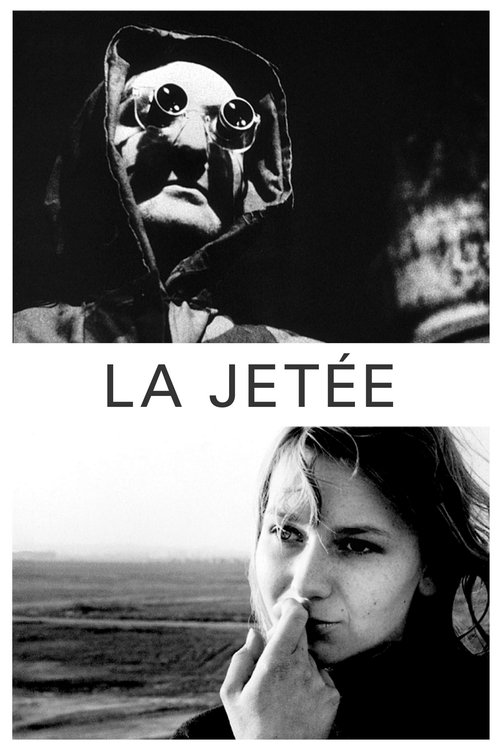
La Jetée1962
Both films understand that revolution—whether political or personal—is fundamentally about time: the impossibility of returning to what was, the weight of what must be sacrificed.
Marker's Chris Marker's poem-film is told almost entirely in still photographs, about love and loss across time. It shares Zapata's conviction that the personal and historical are inseparable, but achieves it through radical formal innovation rather than narrative.
But It's 28 minutes long and moves at its own rhythm. If you need conventional drama and clear plot, this will confound you.
More like this (8)
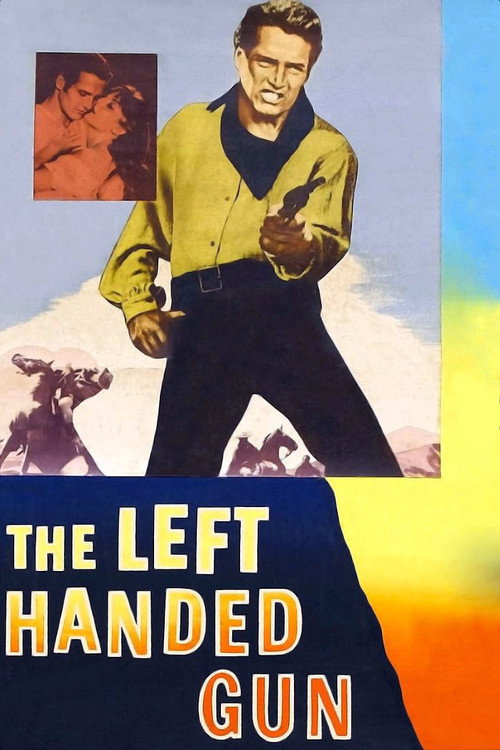
The Left Handed Gun1958
Penn's Billy the Kid is a psychologically fractured character fighting an unjust system, not a heroic outlaw. It's a revisionist western that questions the mythology Zapata also challenges.
But It's bleak and unsentimental, which can feel cold. Billy isn't sympathetic in any traditional sense.
Johnny Guitar1954
Ray's surreal western is obsessed with power, authority, and the corruption of idealistic figures. It's visually audacious in ways that complement Zapata's moral seriousness with formal strangeness.
But It's bizarre and oblique. If you want a straightforward narrative, this will frustrate you.

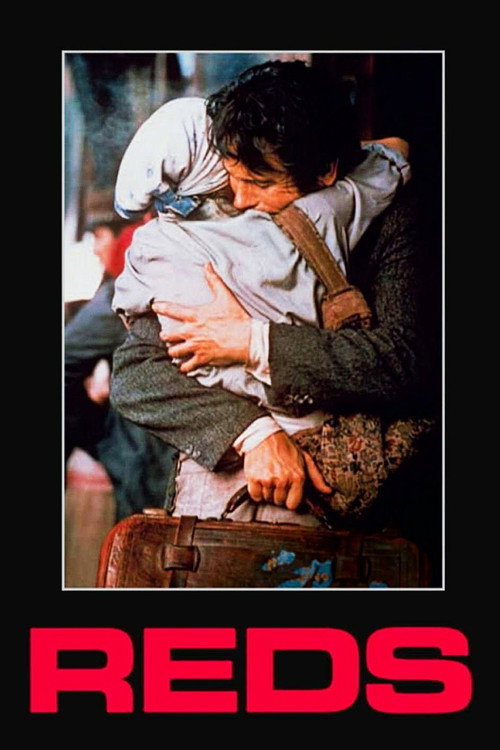
Reds1981
Warren Beatty's epic about American communists in the Russian Revolution covers similar ground: idealists witnessing revolution transform into something they didn't intend. Sweeping and deeply felt.
But It's three and a half hours of dense political and romantic drama. The pacing can feel glacial.
The Leopard1963
Visconti's Sicilian epic examines how revolution changes society, told through the eyes of an aristocrat watching his world dissolve. Gorgeous and melancholic, with real moral weight.
But It's leisurely and contemplative. There's not much plot in the conventional sense, and some find it slow.

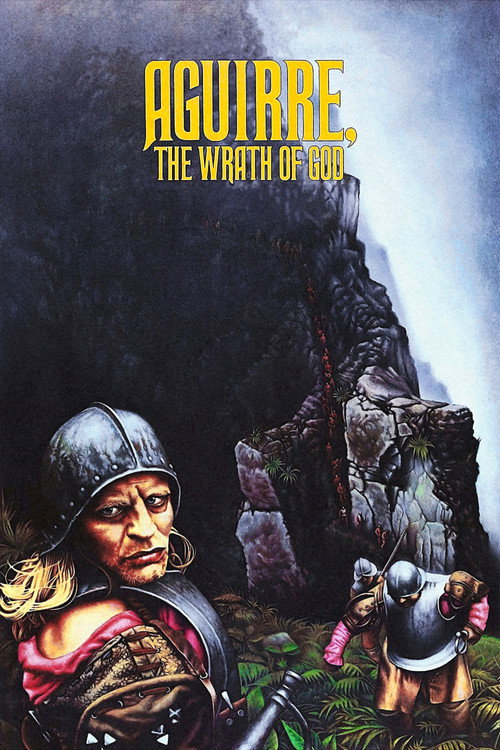
Aguirre, the Wrath of God1972
Herzog's fever dream about a conquistador leading men into madness shares Zapata's interest in charismatic leaders destroying themselves and their followers. Hypnotic and disturbing.
But It's genuinely strange and pessimistic. The pacing is dreamlike, and the ending offers no comfort.
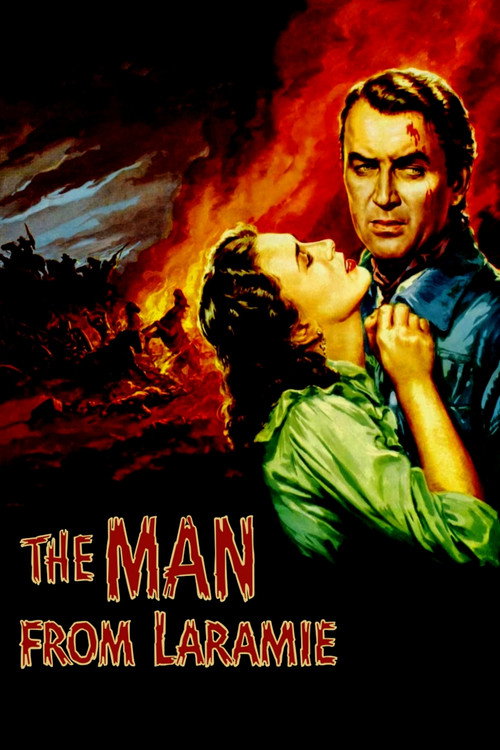
The Man from Laramie1955
Mann's western is about corruption and power in a frontier community, with James Stewart as a man trying to do right in a system built on injustice. Morally serious and beautifully shot.
But It's conventional in structure, which might feel slight if you're looking for something more formally adventurous.
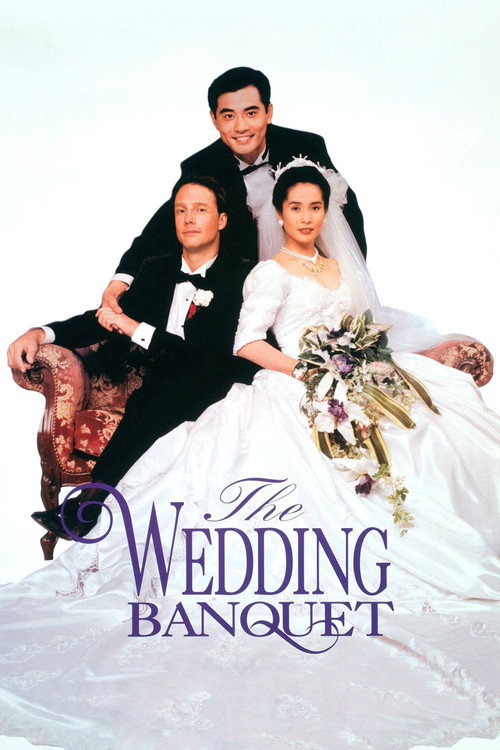
The Wedding Banquet1993
Like Zapata, it's about a man who cannot satisfy the demands placed on him by history, family, and ideology—but it asks whether accommodation, rather than heroic resistance, might be the real compromise.
Ang Lee's comedy about a Taiwanese-American man caught between family pressure and personal truth is vastly lighter than Zapata, but shares its central tension: the self cannot simply choose between two worlds. It's warm, funny, and unexpectedly moving.
But The tonal shift from comedy to something more serious might feel uneven. Some find the resolution too neat.
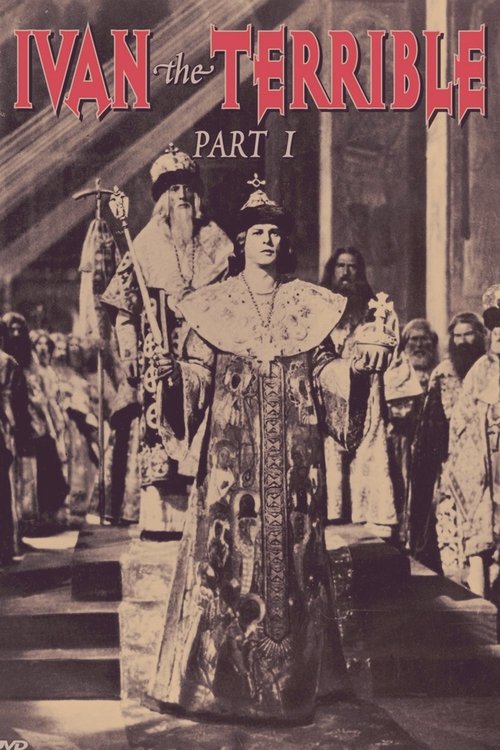
Ivan the Terrible, Part I1944
Both Eisenstein and Kazan made their films about revolutionary leaders as tragedies of the individual consumed by historical forces. Each believed cinema could contain that contradiction—make it beautiful and terrible at once.
Eisenstein's baroque, operatic film about power, paranoia, and a leader consuming himself is visually overwhelming and thematically profound. Shot in black and white with the texture of a fever dream, it's about the loneliness of absolute authority.
But It's in Russian, heavily stylized, and moves to its own rhythm. The theatrical acting style will feel alien if you're used to naturalism. Some find it impenetrable.
People
Cast
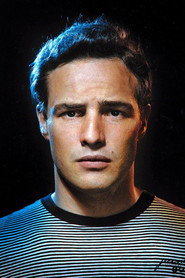 Marlon BrandoEmiliano Zapata
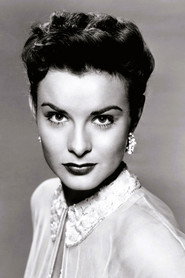 Jean PetersJosefa
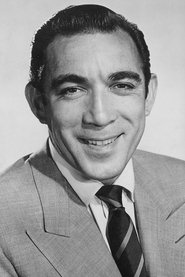 Anthony QuinnEufemio Zapata
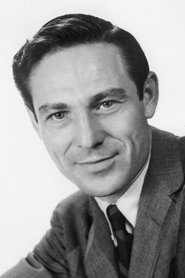 Joseph WisemanFernando
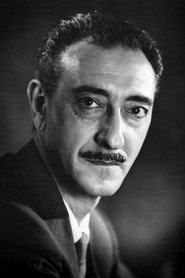 Arnold MossDon Nacio
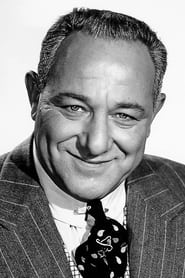 Alan ReedPancho Villa
 MargoSoldadera
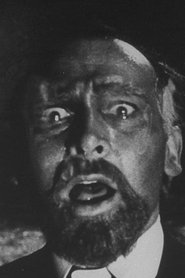 Harold GordonMadero
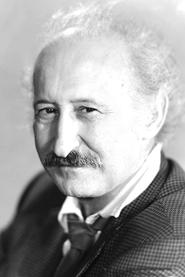 Lou GilbertPablo
 Frank SilveraHuerta
 Fay RoopeDiaz
- Florenz AmesSenor Espejo
Directing
- Horace HoughAssistant Director
- Elia KazanDirector
- Robert R. SnodySecond Unit Director
Writing
- Edgecumb PinchonNovel
- John SteinbeckScreenplay
Production
- Max GoldenAssistant Production Manager
- Darryl F. ZanuckProducer
- F.E. 'Johnny' JohnstonUnit Production Manager
Recommended by
Queen Christina, North to Alaska, The Ocean's 11 Story, A Star Is Born, Hatari!, Born to Dance, The Savage Innocents, Castle Keep, The Gadfly, Burn!, The Snows of Kilimanjaro, The Left Handed Gun, The Pleasure Seekers, Lord Jim, Trader Horn, Marco Polo, The Duchess and the Dirtwater Fox, The Wild, Wild World of Jayne Mansfield, Captain Sindbad, A High Wind in Jamaica, King of the Khyber Rifles, The Royal Hunt of the Sun, Bye Bye Birdie, The Loves of Edgar Allan Poe, A Letter to Elia, 100 Rifles, Two Mules for Sister Sara, The Adventures of Marco Polo, The Prisoner of Shark Island, The Last of the Mohicans, Duck, You Sucker, Les Miserables, Canadian Pacific, Follow That Dream, The Horsemen, Rose of the Rancho, The Last Remake of Beau Geste, 4 for Texas, Captain from Castile, The Cisco Kid and the Lady, Robin Hood of El Dorado, Beach Party, Los de abajo, Tickle Me, The Buccaneer, The Great Scout & Cathouse Thursday, Bandidas, Whoopee!