
Film
Whoopee!
A 1930 musical Western comedy where a nervous hypochondriac gets mistaken for an elopement partner, triggering a chase across the desert. Eddie Cantor carries it with vaudeville energy and pratfalls, singing between the chaos. It's a snapshot of early sound-film entertainment—broad, colorful, unashamed about spectacle, and genuinely fun if you're in the mood for pure theatrical nonsense.
If you liked this
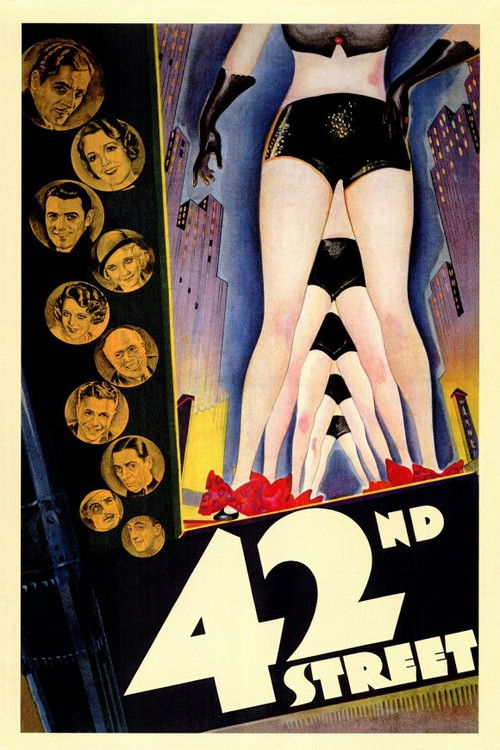
42nd Street1933
Another Busby Berkeley extravaganza from the same era, with backstage chaos, tap-dancing showstoppers, and a romantic plot that barely matters. If you loved Whoopee!'s energy and disregard for plausibility, this takes it further.
But The musical numbers go on longer than modern audiences expect, and the gender politics are very 1933—a young woman's entire future rests on pleasing powerful men.
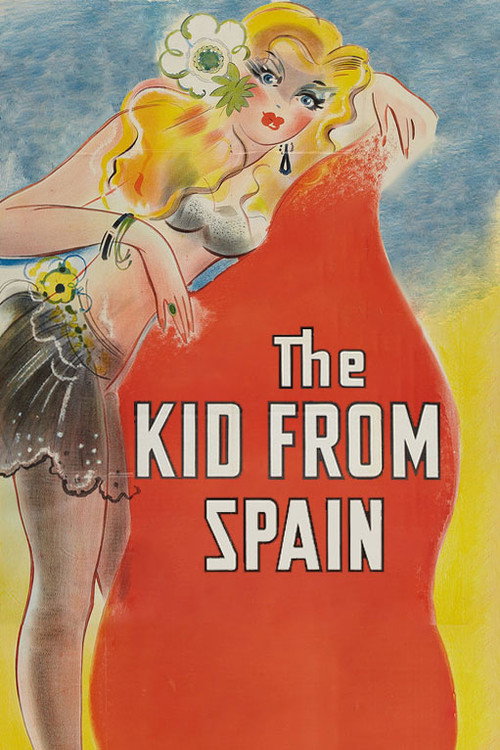
The Kid from Spain1932
Another Eddie Cantor vehicle with the same nervous-energy comedy and Berkeley spectacle. If you want more of Cantor doing his thing—mugging, singing, running around—this doubles down on exactly that formula.
But It's essentially the same movie, which means if Cantor's particular brand of vaudeville doesn't grab you, this won't change your mind.
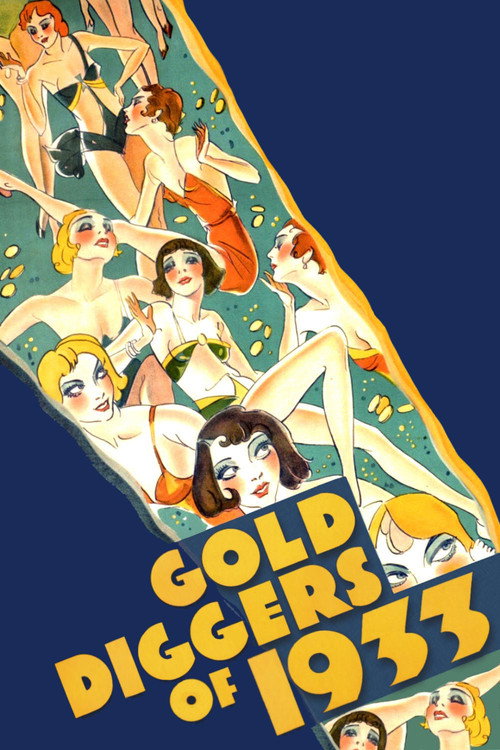
Gold Diggers of 19331933
Depression-era musical comedy with real stakes underneath the song-and-dance numbers. Smarter plotting than Whoopee! but the same theatrical exuberance and confidence that cinema should be fun first.
But Darker tone—it's ultimately about survival and desperation—so the lightness you came for gets complicated.
Not sure tonight? Get a pick in a minute, starting from Whoopee!
The wildcard
Something you would not have found on your own.
The Phantom Carriage1921
Both films use an outsider protagonist to examine social structures and human behavior, but one does it through comedy and one through tragedy.
A Swedish silent film about a drunkard shown his life's consequences by supernatural visitors. Structurally and thematically the opposite of Whoopee!'s surface-level chaos, but both are about seeing the world through the eyes of someone out of step with it.
But Intensely serious, expressionistic, and haunting. If you wanted the theatrical lightness of Whoopee!, this is a complete tonal departure.

More like this (8)
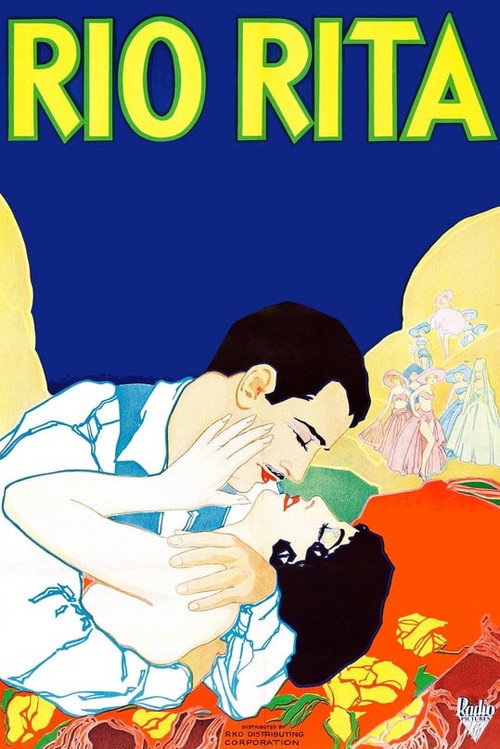
Rio Rita1929
Another early musical Western with mistaken identities, chases, and elaborate production numbers. Same DNA as Whoopee!, made just a year earlier in the first flush of sound-film musicals.
But Even creakier technically than Whoopee!, with some sequences that feel more like captured stage plays than cinema.
Singin' in the Rain1952
The obvious inheritor of Whoopee!'s theatrical DNA, but with better choreography, a sharper script, and a genuine story. Proof that musical comedy didn't have to get worse as technology improved.
But So polished and beloved it might feel like a cliché now. And if you wanted the rough edges of early sound film, this is the opposite.

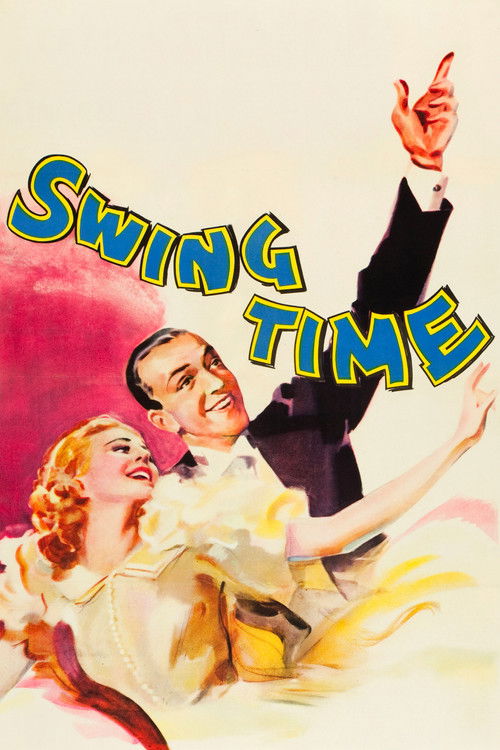
Swing Time1936
Astaire and Rogers in a mistaken-identity romance with comedy, music, and dance at the highest level. Same genre, same era, but with craftspeople who were genuinely refining the form.
But More sophisticated and less relentlessly silly. If you're specifically craving Cantor's manic energy, this is too cool.
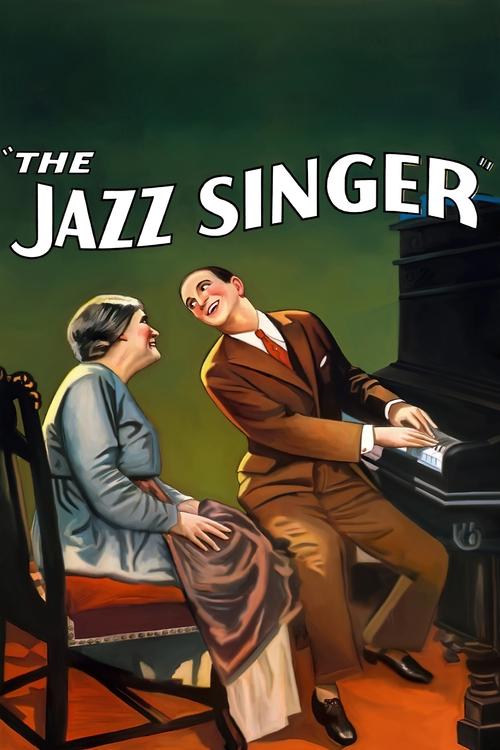
The Jazz Singer1927
The first talking picture, and a window into the immediate predecessor of what Whoopee! was doing. Historical landmark that's also a strange, affecting piece about assimilation and performance.
But Harder to watch than Whoopee!—darker subject matter, and Al Jolson in blackface. Dated in ways that aren't just aesthetic.
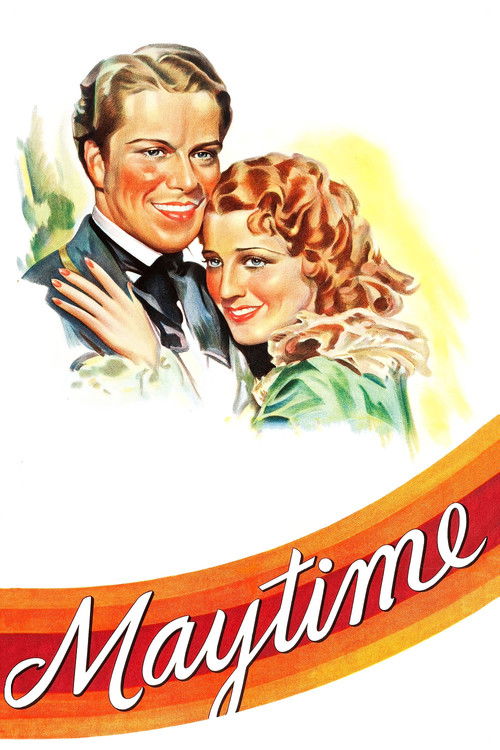
Maytime1937
A later MGM musical that learned lessons from the early sound-film chaos but kept the spectacle and romance. Beautiful to look at, romantic without being precious, funny without trying too hard.
But By 1937, the anarchic energy of early talkie comedies had been refined away. This is more elegant and less gloriously messy.
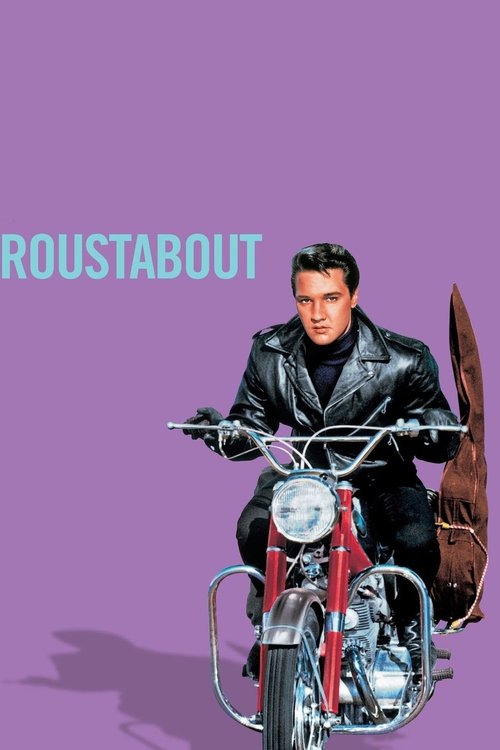
Roustabout1964
Elvis in a carnival-set musical with chases, romance, and the same energy of showbiz spectacle. Not great, but earnest and colorful in a way that echoes Whoopee!'s theatrical DNA.
But Made three decades later, it's slicker but also duller. And if you're not at least mildly interested in Elvis, there's no reason to go here.
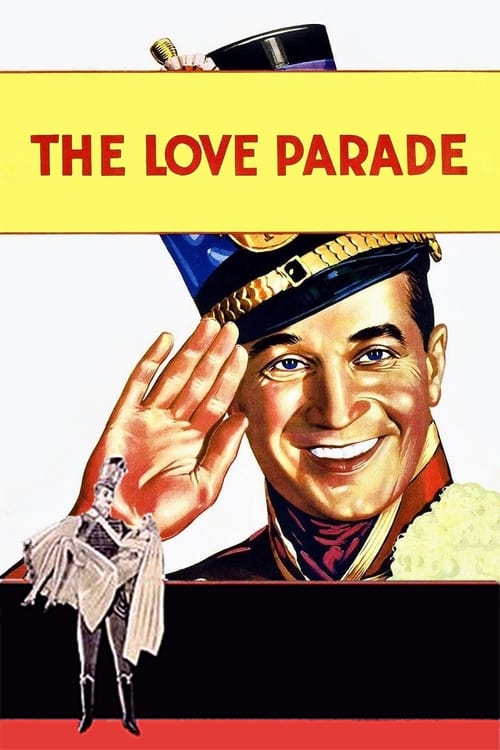
The Love Parade1929
Both are early sound musicals wrestling with what cinema could be, but Whoopee! chose spectacle and energy while Lubitsch chose style and understatement.
Ernst Lubitsch's first talking picture: a musical comedy about a Parisian affair that's smart, elegant, and genuinely witty. Proof that 1929 talkies could be sophisticated and still be joyful.
But Cerebral and restrained. Whoopee! is broadly physical comedy; this is all raised eyebrows and implications. Very different sensibilities.
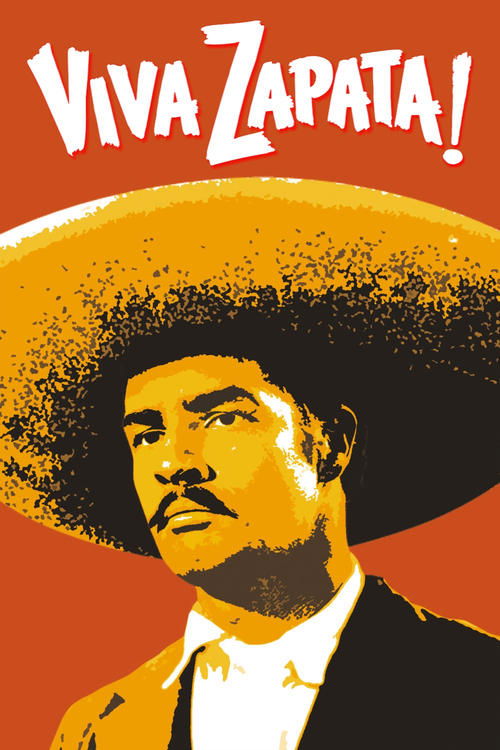
Viva Zapata!1952
Both films feature a romance complicated by the race of an Indigenous or part-Indigenous character, but Whoopee! treats it as a plot complication while Viva Zapata! treats it as a moral and political reality.
A sweeping Mexican revolutionary epic directed by Elia Kazan, with Marlon Brando and Anthony Quinn. The romantic plot includes an Indigenous character whose race and culture matter deeply—a thematic echo of Whoopee!'s setup, but treated with actual gravity.
But It's a serious political drama, not entertainment in the Whoopee! sense. Slow, morally complex, sometimes melodramatic. Tonally incompatible with what you might be seeking.
People
Cast
 Eddie CantorHenry Williams
 Ethel ShuttaMary Custer
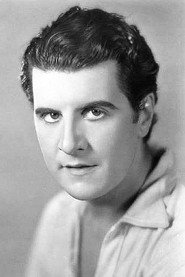 Paul GregoryWanenis
 Eleanor HuntSally Morgan
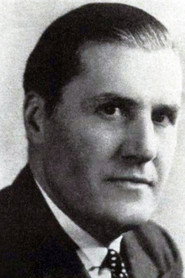 Jack RutherfordSheriff Bob Wells
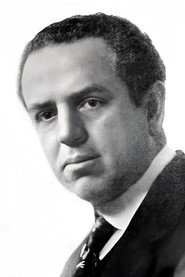 Walter LawJud Morgan
 Spencer ChartersJerome Underwood
 Albert HackettChester Underwood
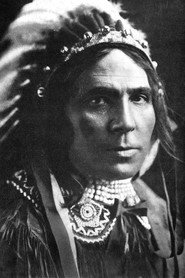 Chief CaupolicanBlack Eagle
- Lou-Scha-EnyaMatafay
 Claire DoddGoldwyn Girl (uncredited)
 Jean FenwickGoldwyn Girl (uncredited)
Directing
- Thornton FreelandDirector
Writing
- William M. ConselmanAdaptation
- Edward EliscuLyricist
- Gus KahnLyricist
- E.J. RathStory
- Robert Hobart DavisStory
- William Anthony McGuireStory
Production
- Robert McIntyreCasting
- Florenz Ziegfeld Jr.Producer
- Samuel GoldwynProducer