
Film
Rio Rita
Other titles called Rio Rita: the 1942 film.
- Western
- Light-hearted
Rio Rita is a 1929 operetta film where romance blooms across the Mexican border amid mystery and mistaken identity. It's a lavish musical romance with comedy, spectacle, and charm from Hollywood's early sound era. Perfect for those who love classic musicals with genuine heart and period glamour.
If you liked this
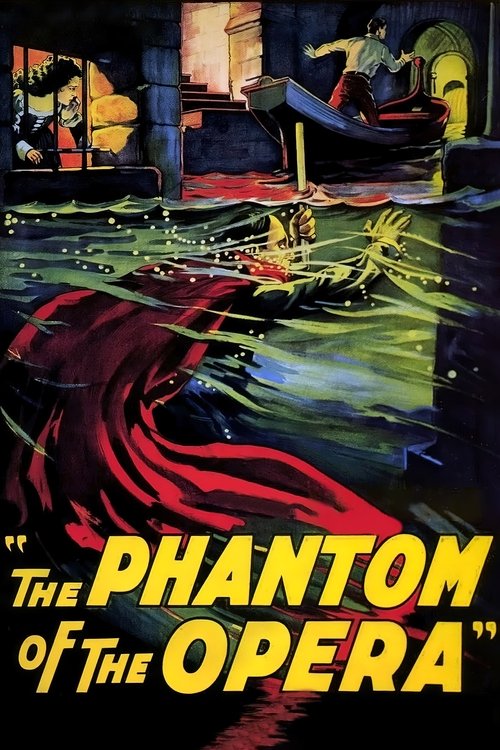
The Phantom of the Opera1925
Lon Chaney's silent masterpiece preceded sound cinema but shares Rio Rita's operatic grandeur, romantic tension, and Gothic atmosphere. A touchstone for how early Hollywood could make emotional spectacle feel epic.
But It's silent, which demands a different pace and patience. The organ score helps, but it's not the immediate gratification of dialogue and song.
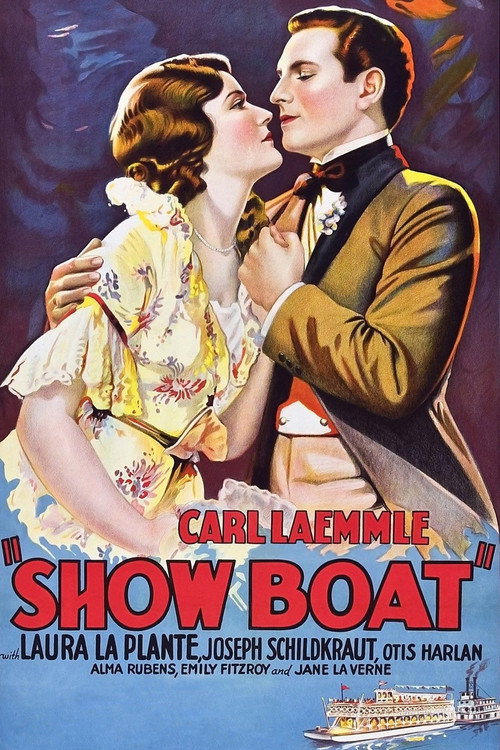
Show Boat1929
Released the same year as Rio Rita, it's another early sound musical that balances romance, comedy, and elaborate production numbers. Universal's attempt to capture theatrical spectacle on film with similar warmth and energy.
But The racial attitudes and caricatures of the era are unavoidable and deeply uncomfortable. It's a product of its time in ways that sting.
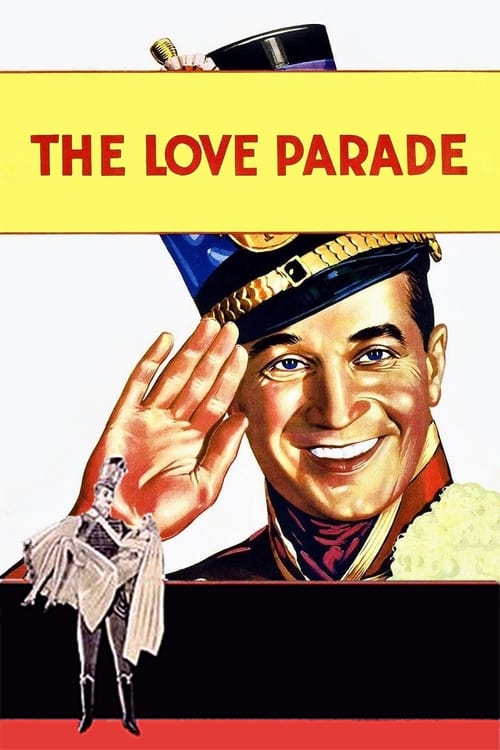
The Love Parade1929
Lubitsch's witty operetta film features Maurice Chevalier and Jeanette MacDonald in a romance filled with charm, music, and visual sophistication. It's what happens when directorial genius meets early sound cinema.
But The pacing can feel glacial to modern viewers. Operetta rhythm isn't everyone's language, and the humor is often subtle in ways that register as slow.
Not sure tonight? Get a pick in a minute, starting from Rio Rita
The wildcard
Something you would not have found on your own.
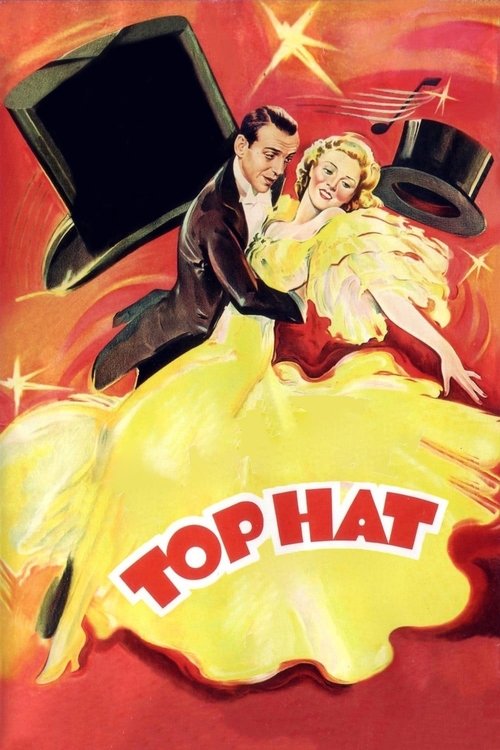
Top Hat1935
Both use musical numbers and romantic mishaps to create atmosphere over plot. Rio Rita pioneered the operetta-romance spectacle; Top Hat took those lessons and used them to invent the modern musical, replacing operetta with jazz and ballet.
Fred Astaire and Ginger Rogers dancing to Irving Berlin in a film that perfected the musical romance form. It takes the DNA of Rio Rita—elegant, romantic, with production spectacle—and refines it into pure joy. Astaire's tap choreography was revolutionary.
But If you don't connect with dance as cinema's greatest language, long sequences will feel like padding. The plot is genuinely thin, held together only by musical numbers.
More like this (8)
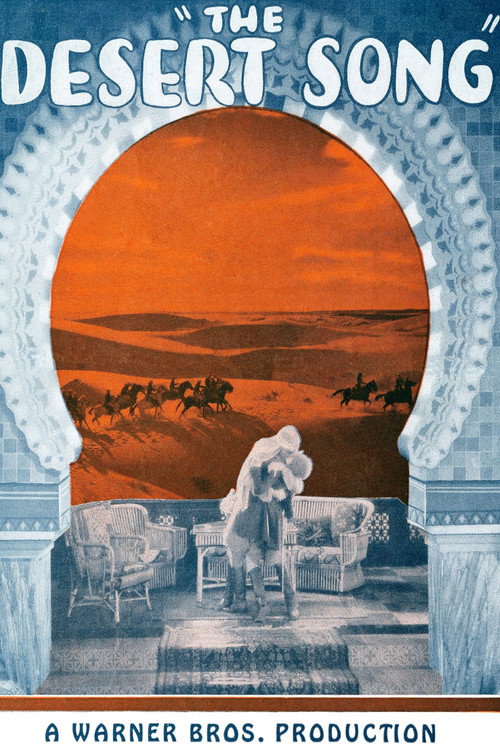
The Desert Song1929
Another 1929 musical romance set in exotic locales with mistaken identities and adventure. It captures the same spirit of romantic escapism and production spectacle that defines Rio Rita's appeal.
But The plot is thin and the acting style feels theatrical and stilted. It's more about the numbers and atmosphere than narrative momentum.
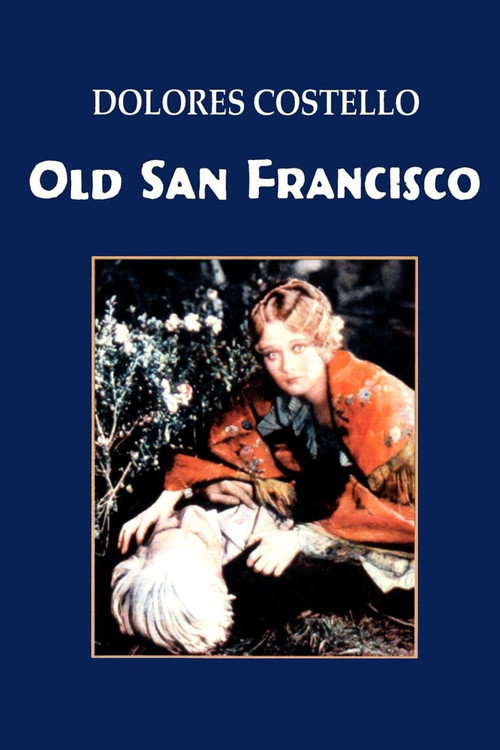
Old San Francisco1927
A silent precursor featuring Dolores Costello in romantic adventure with Western action and atmospheric locations. Shows how the adventure-romance formula worked before sound took over.
But Silent film requires engagement with a different cinematic language. No dialogue means you're reading subtitles and relying on performance and music.
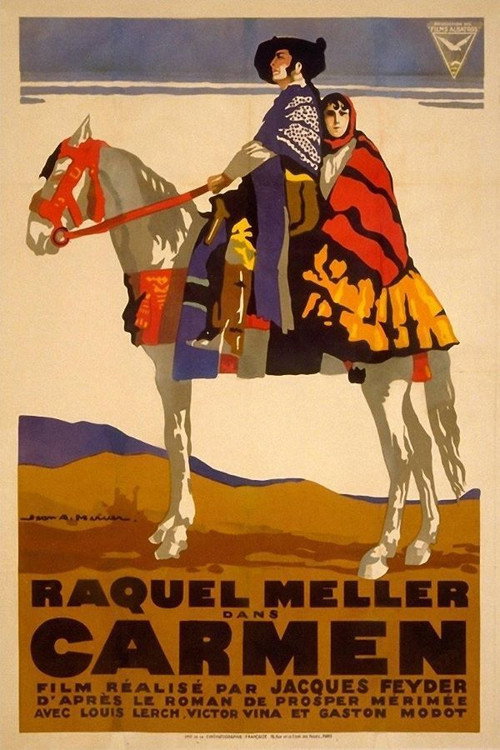
Carmen1926
Silent operatic cinema at its peak—Geraldine Farrar brings operatic passion to Bizet. Demonstrates the visual poetry possible when serious music meets early film, influencing everything that followed.
But The pacing is glacial by any standard. Even devoted silent film enthusiasts find it challenging to sustain attention through two hours of this deliberate rhythm.
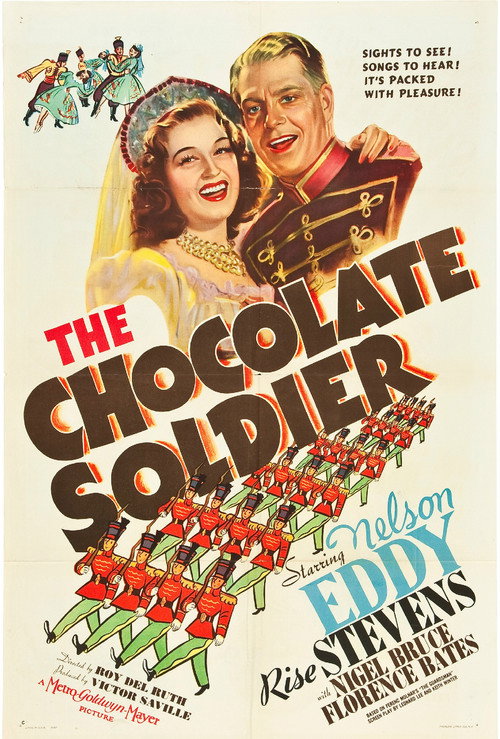
The Chocolate Soldier1941
Nelson Eddy and Liliane Damita in another early sound operetta romance, complete with mistaken identity and military adventure. Contemporary with Rio Rita and equally committed to musical spectacle.
But The military romance plot is creaky and the romantic conflict feels forced. The operetta style can seem campy if you're not in the mood for it.
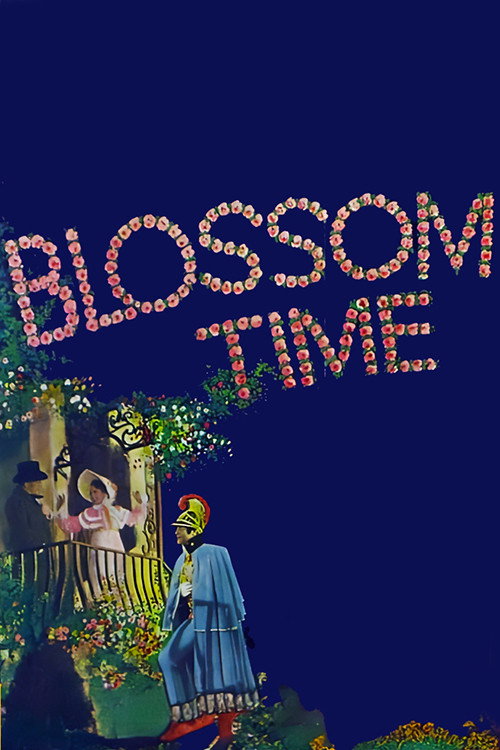
Blossom Time1934
A Schubert operetta biopic with Harry Welchel and Carlotta Darling, balancing romance, period charm, and musical numbers. Proof that the operetta-romance formula continued to find audiences into the 1930s.
But The historical accuracy is nonexistent and the biographical framework feels like an excuse for music. It's pure romance and spectacle with zero substance.
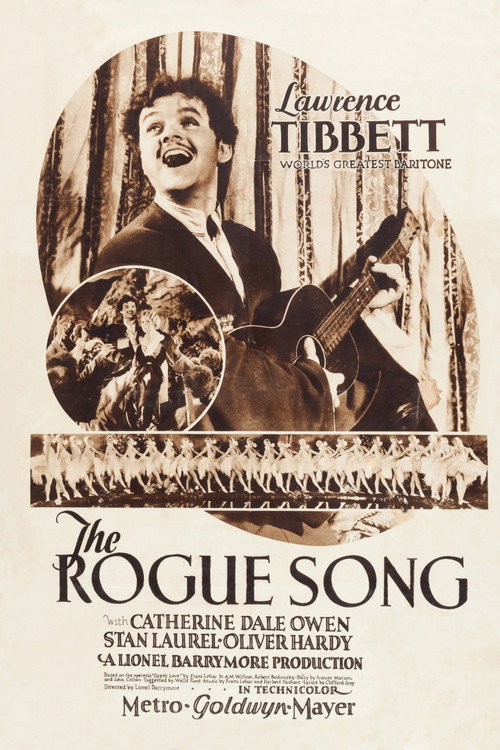
The Rogue Song1930
Early sound musical with action, romance, and Lawrence Tibbett's operatic presence. A companion piece to Rio Rita's formula, showing how studios replicated the successful formula across multiple vehicles.
But It's padded with plot and sparse on genuine musical numbers. The pacing sags between set pieces and the story doesn't justify the runtime.
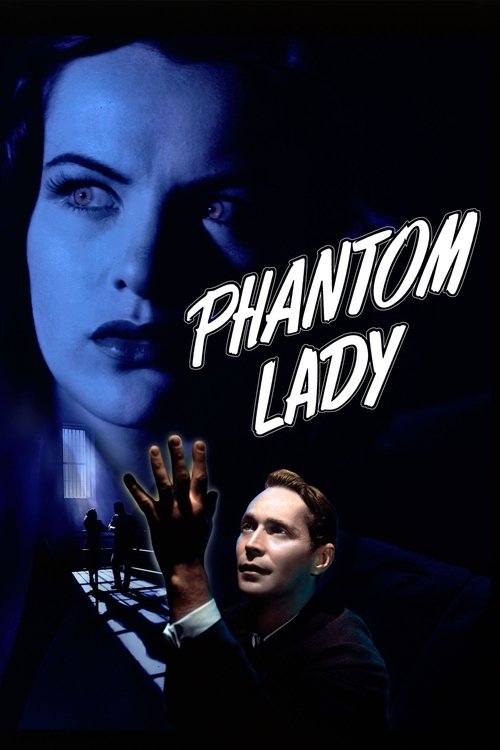
Phantom Lady1944
Both are boundary-crossing stories (Rio Rita crosses the Mexican border; Phantom Lady's heroine crosses into dangerous, sensual territory). Both feature elaborate production design and strong female leads who drive the narrative. Rio Rita asks: what if romance could be an adventure? Phantom Lady asks: what if romance could be a trap?
Ella Raines in a tense, darkly erotic thriller with a famous nightclub sequence. It's everything Rio Rita isn't—noir psychology instead of romance, mystery instead of clarity, danger instead of escapism. Robert Siodmak's masterpiece.
But The sexual undertones are urgent and sometimes uncomfortable. The mystery elements can feel dated, and the resolution is less satisfying than the atmosphere that builds to it.
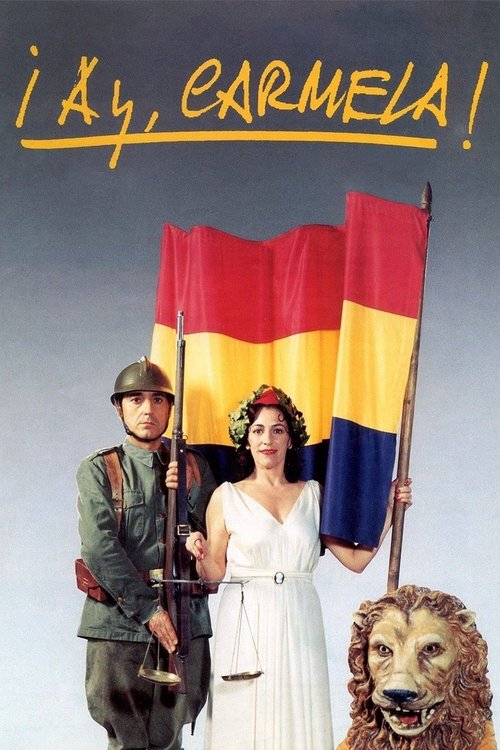
Ay, Carmela!1990
Both center on performers and romantic dynamics set against border conflict. But where Rio Rita treats the border as romantic backdrop, Ay, Carmela treats it as a wound. Both use song and spectacle as their language, but Rio Rita escapes into them while Ay, Carmela uses them to confront what cannot be escaped.
A Spanish Civil War tragicomedy about two entertainers putting on a show during wartime. It's a musical that uses song and performance not as escape but as resistance and memory. Carlos Saura's film is funny, heartbreaking, and urgently alive in ways Rio Rita could never be.
But It's in Spanish with subtitles. The tone whipsaws between vaudeville humor and real tragedy, which can feel tonal rather than moving. The politics won't mean much to those unfamiliar with Spanish history.
People
Cast
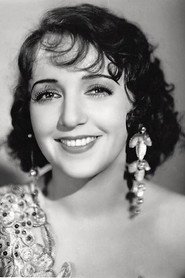 Bebe DanielsRita Ferguson
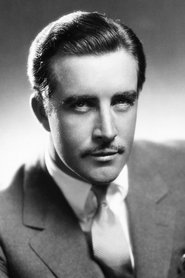 John BolesCapt. Jim Stewart
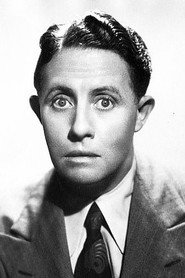 Bert WheelerChick Bean
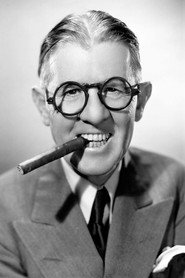 Robert WoolseyNed Lovett
 Dorothy LeeDolly Bean
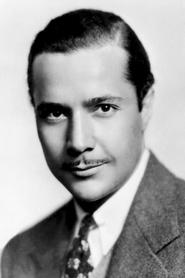 Don AlvaradoRoberto Ferguson
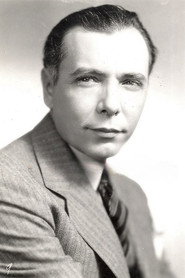 Georges RenaventGen. Ravinoff
- Helen KaiserMrs. Katie Bean
- Tom SmithTexas Ranger
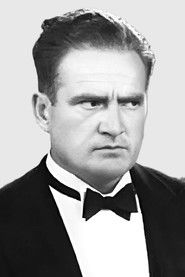 Richard AlexanderGonzales
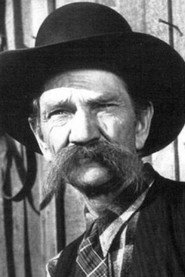 Hank BellTexas Ranger
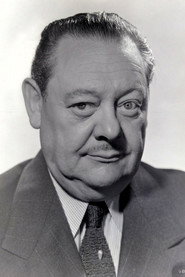 Sammy BlumMexican Cafe Owner
Directing
- Luther ReedDirector
Writing
- Luther ReedAdaptation
- Joseph McCarthyLyricist
- Fred ThompsonMusical
- Guy BoltonMusical
Production
- Florenz Ziegfeld Jr.Producer
- William LeBaronProducer
Recommended by
The Chocolate Soldier, Love Me Tonight, Syncopation, Fiesta, Spanish Eyes, Sunny, The Cuban Love Song, Whoopee!