
Film
Blossom Time
A 1934 operetta romance where Richard Tauber plays Schubert, the film wraps the composer's life around a tender, impossible love story. It's a vehicle for Tauber's magnificent voice—expect lush music, period sets, and the melancholy beauty of someone who loves from a distance. For anyone who adores Golden Age musicals and doesn't mind sentiment.
If you liked this
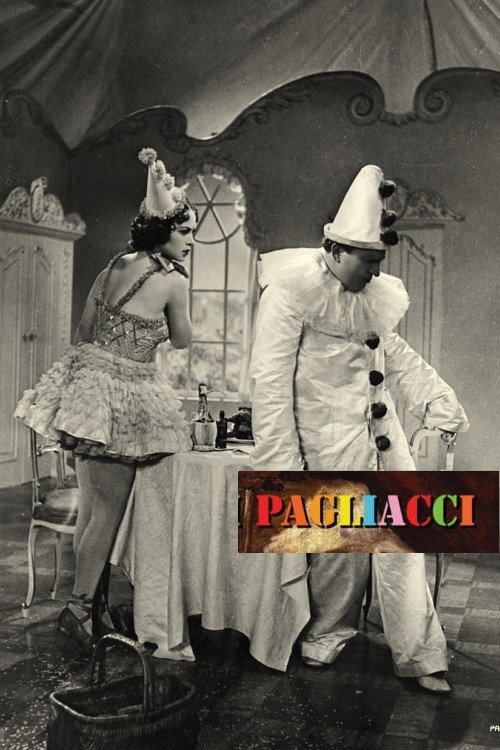
Pagliacci1936
Caruso's successor Beniamino Gigli delivers raw emotion in this tragic opera film about a clown whose private heartbreak mirrors his role. If you loved Tauber's voice, Gigli's is even more visceral.
But Heavy theatrical acting and operatic excess can feel dated; the story is melodramatic even by Golden Age standards.
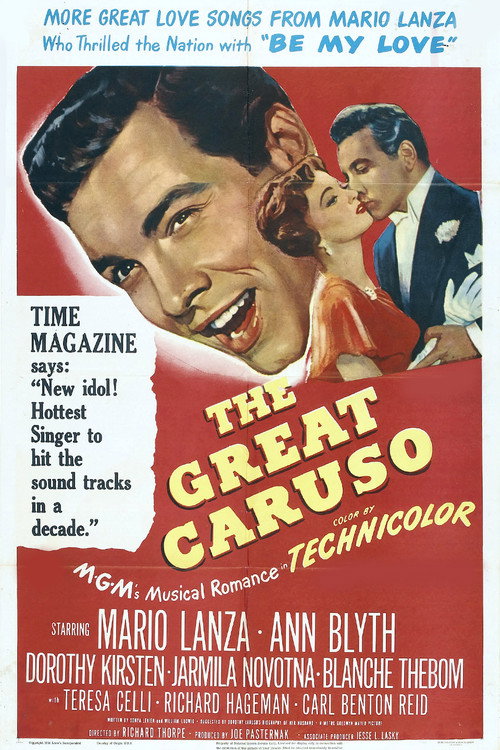
The Great Caruso1951
Mario Lanza embodies another legendary tenor's life, mixing star power with genuinely moving musical performances. Similar structure—a celebrated voice, a romantic struggle, real tragedy beneath the glamour.
But Lanza's peacock ego dominates the film; much of it is pure Hollywood invention rather than biography.
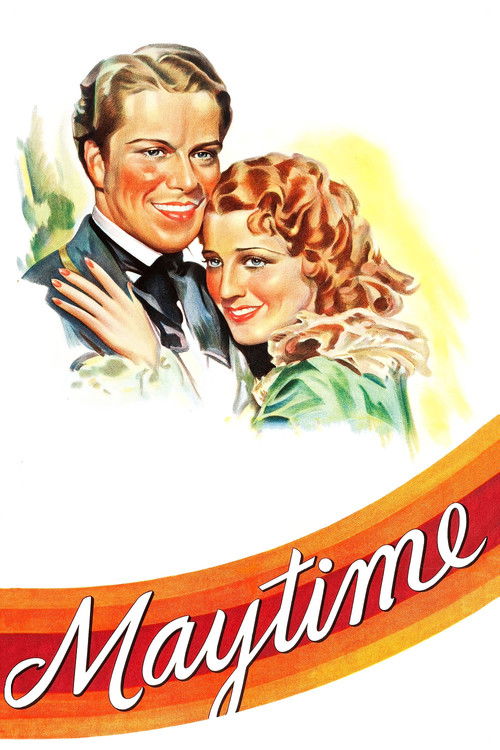
Maytime1937
Nelson Eddy and Jeanette MacDonald in an operetta about doomed love across decades. The music is sumptuous, the romance achingly sincere, and the film finds genuine pathos in its lovers' sacrifice.
But Very much a product of its time; the pace is glacial by modern standards, and sentiment could feel cloying.
Not sure tonight? Get a pick in a minute, starting from Blossom Time
The wildcard
Something you would not have found on your own.
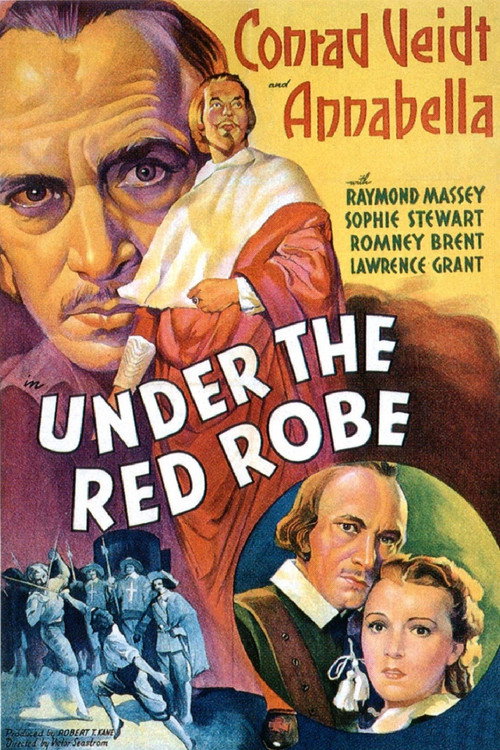
Under the Red Robe1937
Both are 1934-37 British films built around a handsome lead's impossible situation—one uses an operatic voice to express emotion, the other uses sword-and-spy mechanics, but the romantic architecture is identical.
Conrad Veidt in a swashbuckling spy romance set during the French Revolution. Same year, same studio system craftsmanship, but it swaps operetta for intrigue. If you love Tauber's aristocratic charm and romantic tension, this delivers it through a completely different engine—adventure instead of music.
But It's a period action film that requires patience; without musical numbers to puncture the dialogue, it feels slower than Blossom Time.
More like this (8)
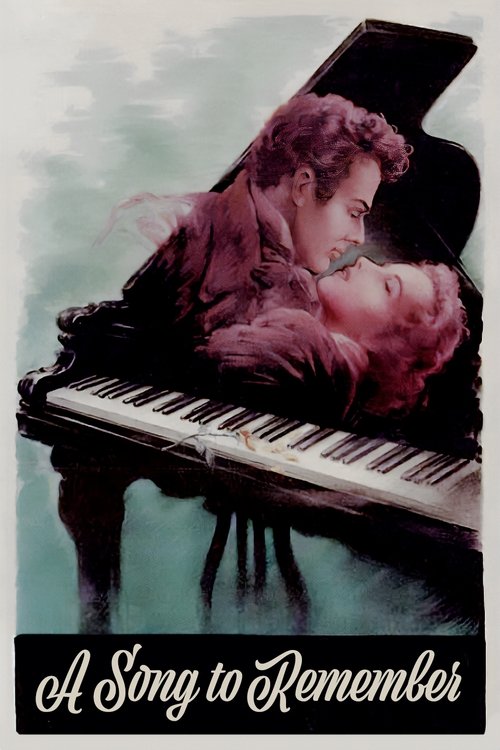
A Song to Remember1945
Cornel Wilde plays Chopin with real sensitivity in a composer biopic that balances musical beauty with personal turmoil. Lush Technicolor and the same romantic-tragedy template executed with craft.
But The film takes enormous liberties with Chopin's life; biography purists will bristle at the invented drama.
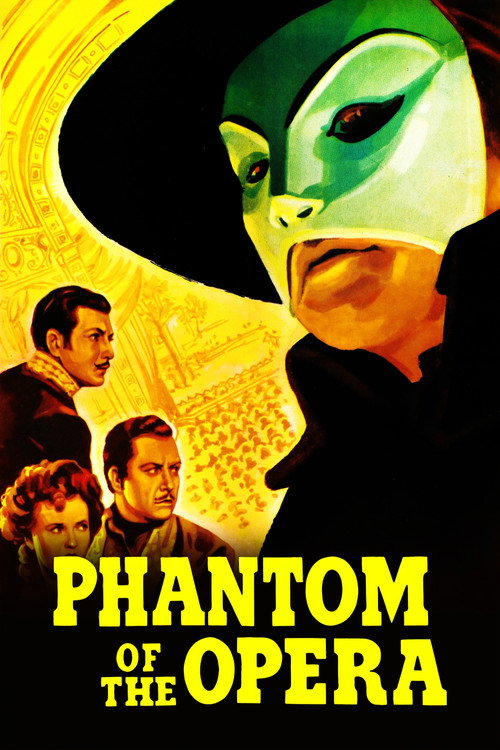
Phantom of the Opera1943
Claude Rains and Nelson Eddy in Technicolor opulence. Opera, romance, gorgeous production design—it's the same appetite for musical spectacle and tragic passion, just channelled through Gothic melodrama instead of biography.
But The plot is contrived and the Phantom's behaviour deeply uncomfortable by any standard; you're watching for atmosphere and singing, not story logic.
The Barber of Seville1944
An operatic comedy that reminds you why these singers became stars. Lighter than Schubert but with the same infectious joy in pure vocal gift and the charm of a story built around music.
But As a comedy it hasn't aged particularly well; the staging feels static and the humour occasionally borders on twee.
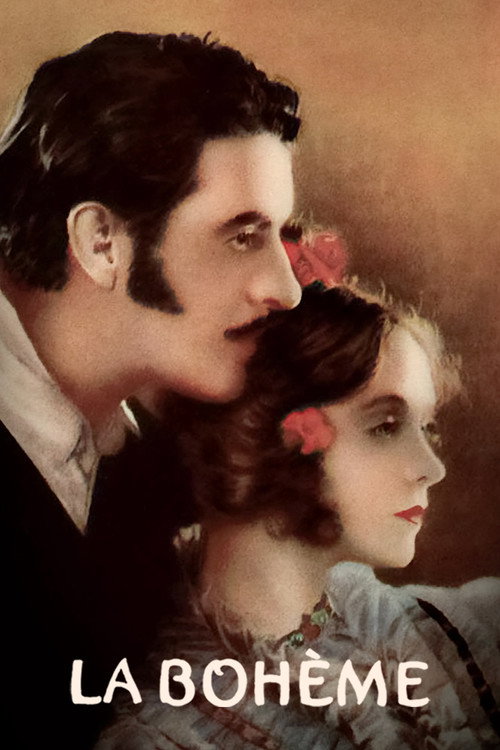
La Bohème1926
Lillian Gish in Puccini's most beloved opera, adapted for silent film. The same emotional territory—young love, poverty, beauty in the face of loss—rendered in a completely different medium.
But Silent opera film is an acquired taste; without sung music, much of the emotional payload depends on your patience with silent acting.
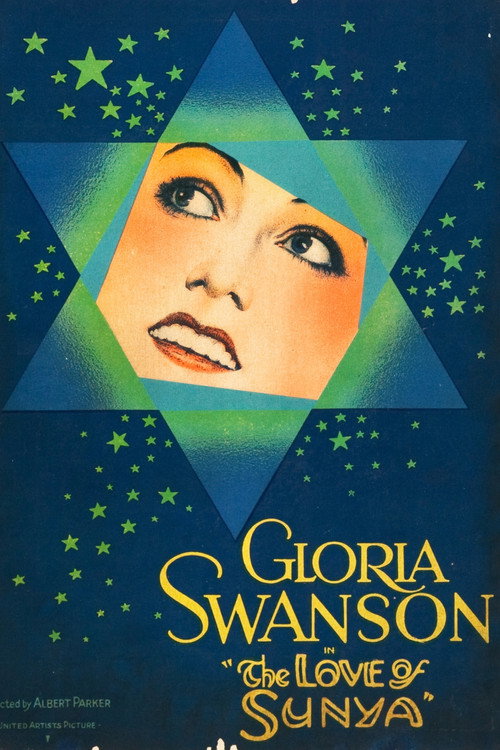
The Love of Sunya1927
Gloria Swanson in a melodrama about a woman caught between duty and desire across lifetimes. Similar unrequited-love DNA and the same unapologetic embrace of romantic suffering as a worthy subject.
But The reincarnation plot feels contrived; without music to carry you, the emotional beats can feel overwrought and slow.
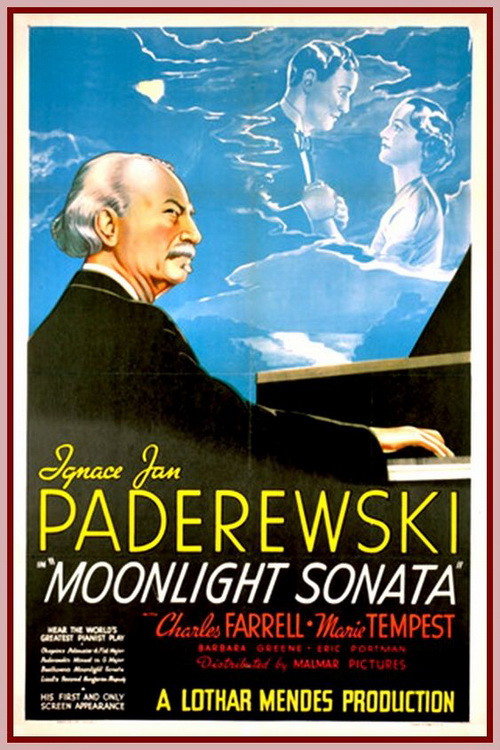
Moonlight Sonata1937
A lesser-known gem with Ignacy Jan Paderewski as Beethoven, blending biography with classical music performance. The same formula of genius and heartbreak, just less polished and more obscure.
But It's genuinely hard to find good prints; the film feels more like a historical curiosity than a cohesive dramatic work.
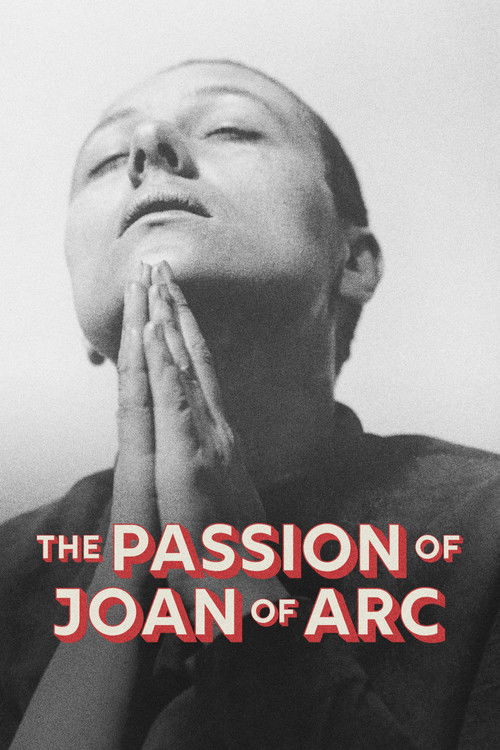
The Passion of Joan of Arc1928
Both explore how art—whether music or the filmmaker's camera—can transmute personal suffering into something transcendent. One is lyrical, one is agonised, but both insist that pain properly expressed becomes beauty.
Carl Theodor Dreyer's silent masterpiece: Renée Jeanne Falconetti's face IS the film. No music, no plot machinery—just raw spiritual anguish. Where Blossom Time uses Schubert's melodies to convey longing, Dreyer uses close-ups to convey something far more unbearable. Devastatingly powerful.
But It's a silent film about martyrdom told almost entirely through facial expression. Not entertaining in any conventional sense; it demands total emotional surrender.
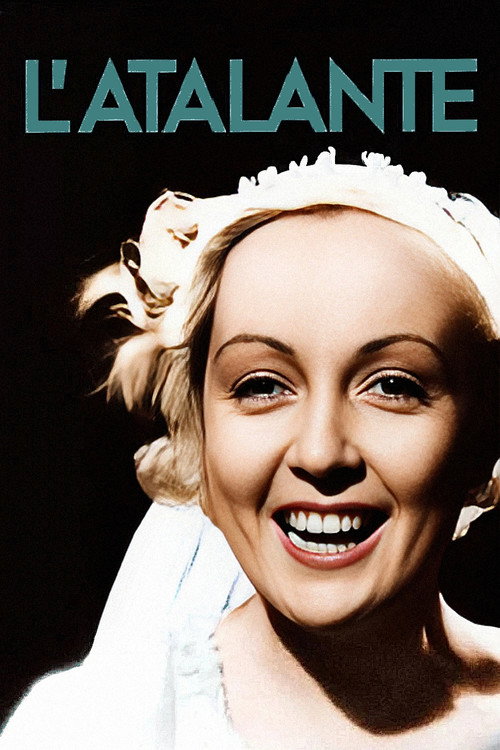
L'Atalante1934
Both centre on romantic longing expressed through a country's musical vernacular—one through German operetta, one through French realism and accordion—and both insist that modest, ordinary love deserves artistic treatment usually reserved for the grand.
Jean Vigo's dreamlike masterpiece about a newlywed couple on a river barge—the same year as Blossom Time but a universe away. Where Schubert is wistful and formal, this is sensual and anarchic. Michel Simon's strange tenderness, the underwater sequences, the accordion score. It's about yearning and beauty, just unmoored from period costume.
But Vigo's fragmented editing and dreamlogic pacing will feel oblique if you're expecting linear narrative. It's visually rapturous but emotionally opaque.
People
Cast
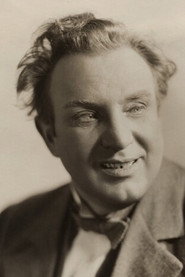 Richard TauberFranz Schubert
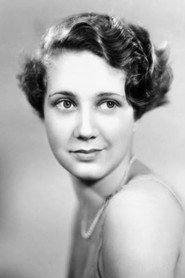 Jane BaxterVicki Wimpassinger
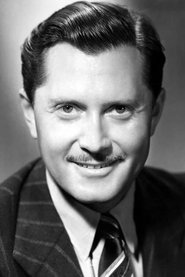 Carl EsmondCount Rudi von Hohenberg
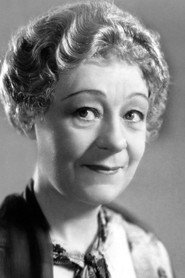 Athene SeylerArchduchess Maria Victoria
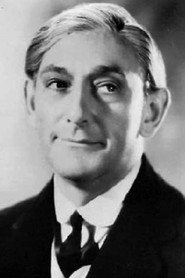 Paul GraetzAlois Wimpassinger
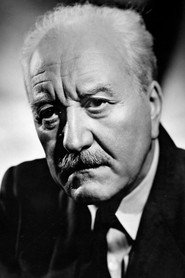 Charles CarsonFrederick Lafont
- Marguerite AllanBaroness Therese von Keffler
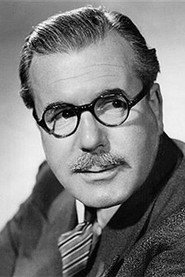 Edward ChapmanMeyerhoffer
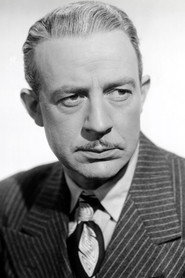 Lester MatthewsSchwindt
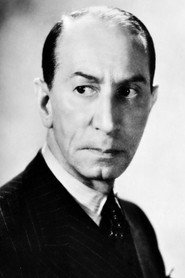 Gibb McLaughlinBauernfeld
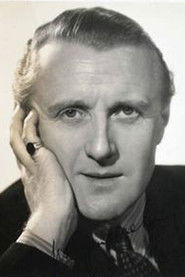 Ivan SamsonHutten Bremmer
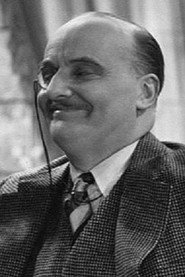 Frederick LloydPolice Captain
Directing
- Paul L. SteinDirector
Production
- Walter C. MycroftProducer