
Film
Caravan
A romantic operetta set in Hungarian wine country, where a countess abandons her fiancé for a charming Gypsy violinist. It's a 1934 confection of Viennese waltzes, comedy, and melodrama—all glossy surfaces and theatrical excess. For those who love the stage-bound magic of Golden Age musicals and don't mind sentiment applied with a trowel.
If you liked this
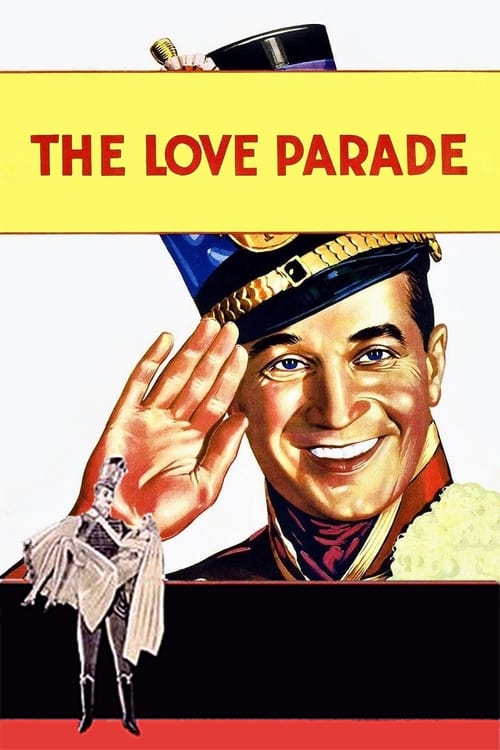
The Love Parade1929
Lubitsch's masterpiece of operetta romance, with Jeanette MacDonald and Maurice Chevalier trading witty insults while the music swells. A direct ancestor of Caravan's blend of courtship and comic timing.
But The pacing is glacial by modern standards, and the plot barely exists—it's all aristocratic flirtation and Ruritanian scenery with no real stakes.
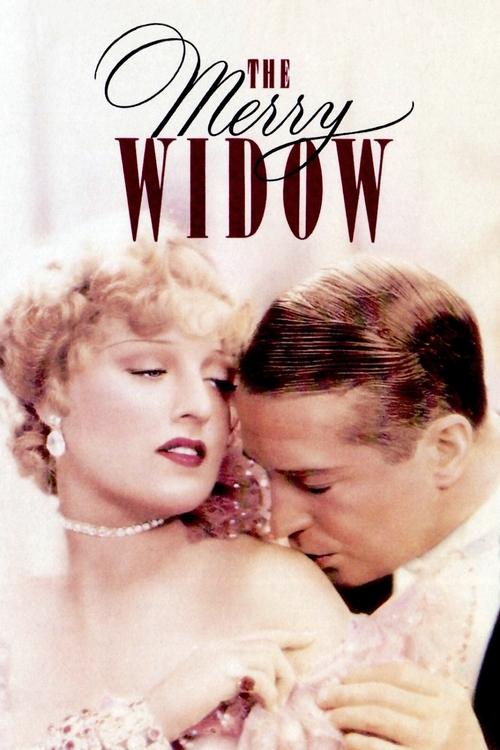
The Merry Widow1934
Released the same year as Caravan, this Lubitsch film is the gold standard of operetta cinema. Chevalier and MacDonald again, with one of cinema's most seductive waltzes and genuine romantic chemistry.
But At 99 minutes it moves slowly, and modern ears may find the whole enterprise hopelessly stagey and remote from human feeling.
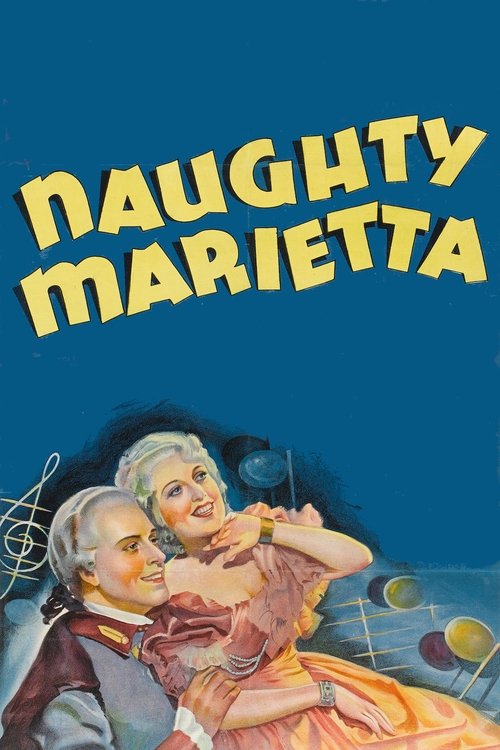
Naughty Marietta1935
Nelson Eddy and Jeanette MacDonald's first pairing, set in colonial New Orleans with Victor Herbert's glorious melodies. Same theatrical DNA as Caravan—exotic setting, elaborate production, musical romance as pure escapism.
But MacDonald's soprano is an acquired taste, and the colonial plot creaks badly. It's more artifact than story.
Not sure tonight? Get a pick in a minute, starting from Caravan
The wildcard
Something you would not have found on your own.
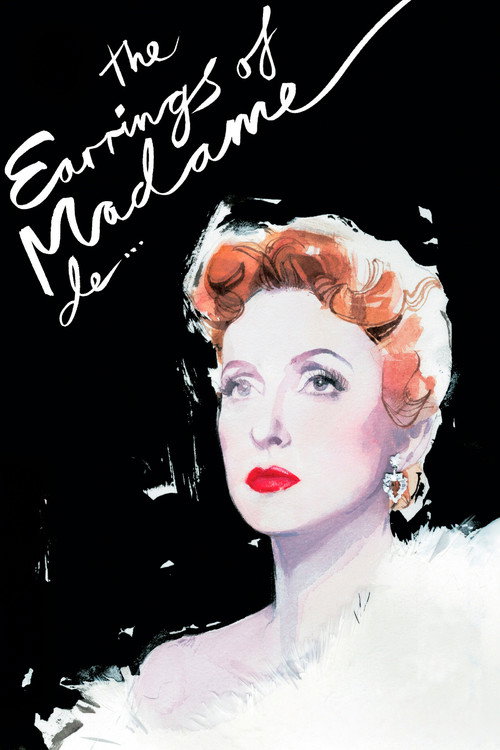
The Earrings of Madame de...1953
Both are period romances set in aristocratic Europe, but where one celebrates the triumph of love over convention, the other asks whether that triumph was worth the price.
Ophüls' jewel box of a film, set in the same fin-de-siècle Vienna as Caravan's world, but everything is inverted. Where Caravan is about abandoning duty for love, this is a tragic meditation on desire, class, and the cost of romance. Same glittering surface, infinitely deeper underneath.
But It's in French, subtitled, and slow—a deliberate, melancholic dance where Caravan is effervescent. If you want the theatrical warmth of the operetta, you won't find it here.
More like this (8)
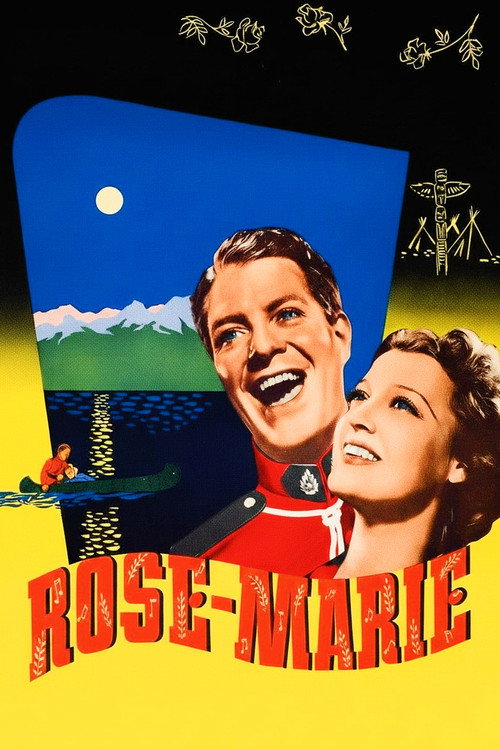
Rose Marie1936
Eddy and MacDonald again, this time in the Canadian wilderness with another lush score. The same MGM operetta formula, even more lavishly produced, with genuine outdoor spectacle mixed into the artifice.
But The plot is nonsense, the drama is paper-thin, and if you don't surrender to pure musical romanticism, you'll find it interminable.
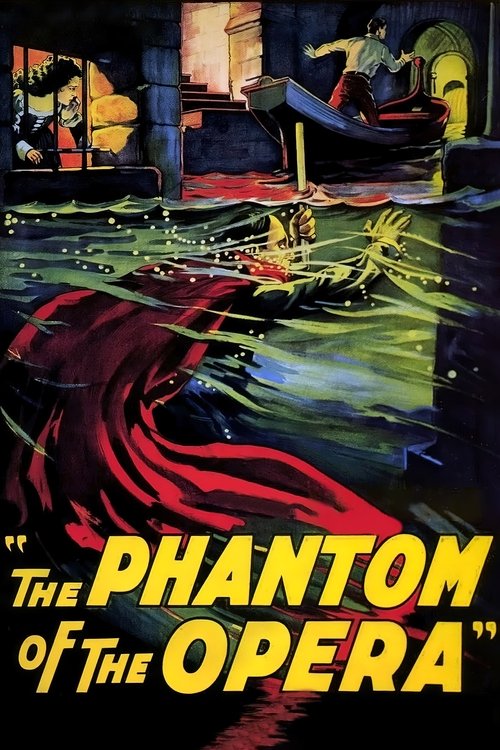
The Phantom of the Opera1925
Lon Chaney's silent masterpiece has the same Ruritanian Gothic atmosphere as Caravan, the same blend of high emotion and theatrical production design. Opera house romance and intrigue, gorgeously mounted.
But It's silent, and the melodrama is pitched so high it borders on unintentional comedy. Chaney's makeup is more terrifying than alluring.
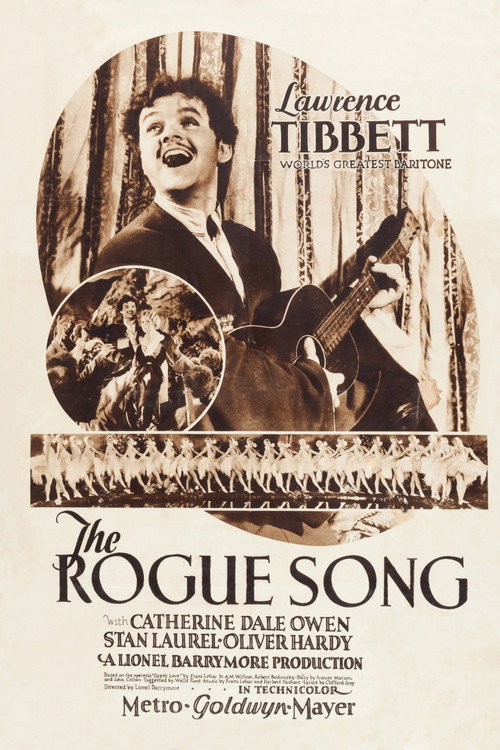
The Rogue Song1930
Early Technicolor operetta with Lawrence Tibbett as a Caucasian bandit-singer. Similar exotic-locale formula, with color adding another layer of theatrical splendor to the musical romance and swashbuckling.
But The color is beautiful but unstable, the print quality is patchy, and the whole thing feels like watching a postcard come alive—beautiful but hollow.
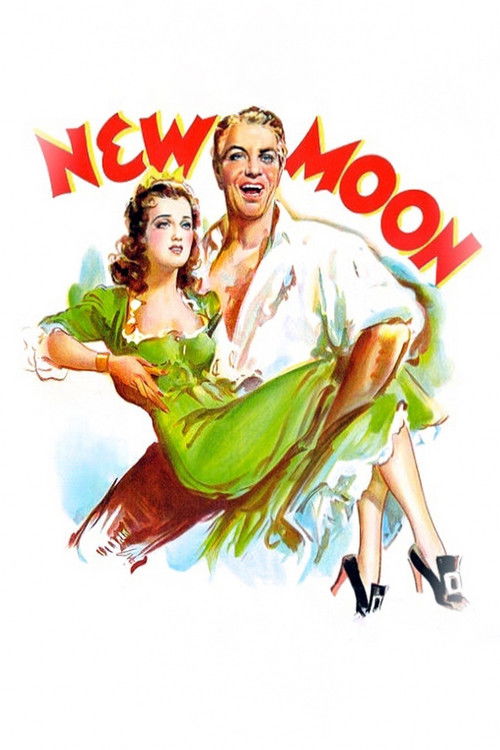
New Moon1940
Nelson Eddy and Jeanette MacDonald's last film together, set in 18th-century New Orleans with Sigmund Romberg's sumptuous score. The operetta formula perfected, with all the swoon and none of the urgency.
But By 1940 this style already felt archaic. It's pure escapism with zero connection to the world or to recognizable human emotion.
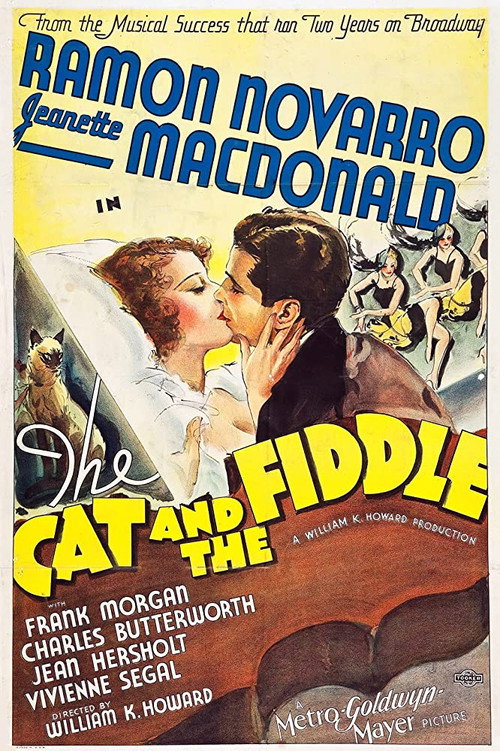
The Cat and the Fiddle1934
Another 1934 musical romance—Jeanette MacDonald and Ramon Novarro in Brussels with Jerome Kern's sophisticated score. Similar blend of European exoticism and theatrical romance, but with slightly more wit.
But The plot is forgettable and the emotional beats ring false. You're watching it for the music, not the story, and that's a narrow appeal.
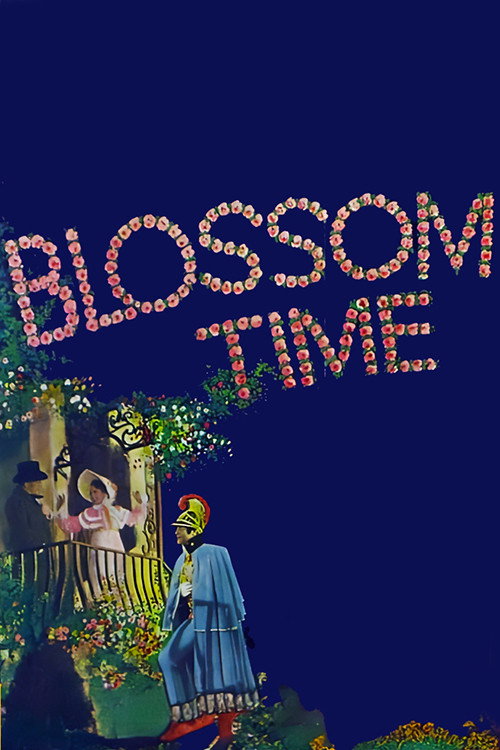
Blossom Time1934
Yet another 1934 operetta, this one a Schubert biopic with Richard Tauber. If you're drawn to the era and its particular brand of romance-through-music, this captures the exact same spirit.
But It's a composer biopic in name only—the story is invented, the music is arranged, and Schubert is just a romantic cipher for the plot.
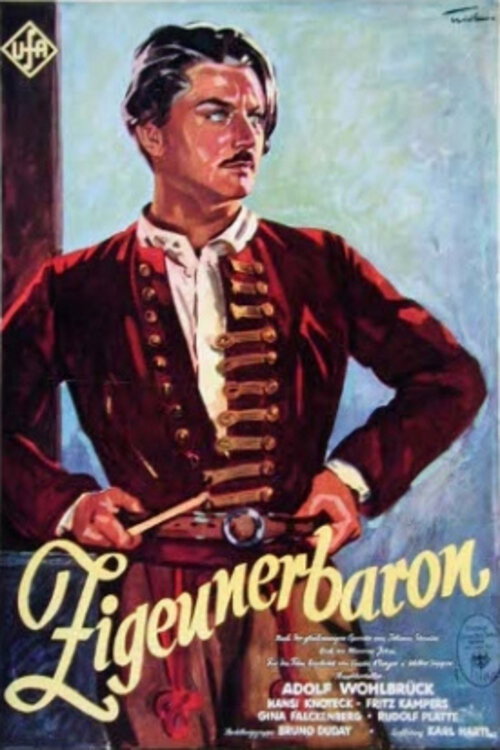
The Gypsy Baron1935
Both center on a Gypsy musician and aristocratic romance in Central Europe, but where Caravan is pure confection, this one has genuine melancholy built into its bones.
A German operetta film directed by Karl Hartl, set in the same Hungarian Gypsy culture as Caravan. If you want the exotic romance of Caravan but with the sophistication of UFA's production design and a darker edge to the story.
But It's in German, subtitled, and harder to find. It's also less charming and more cynical about the romance at its center—the fairy tale feels more complicated and less comforting.
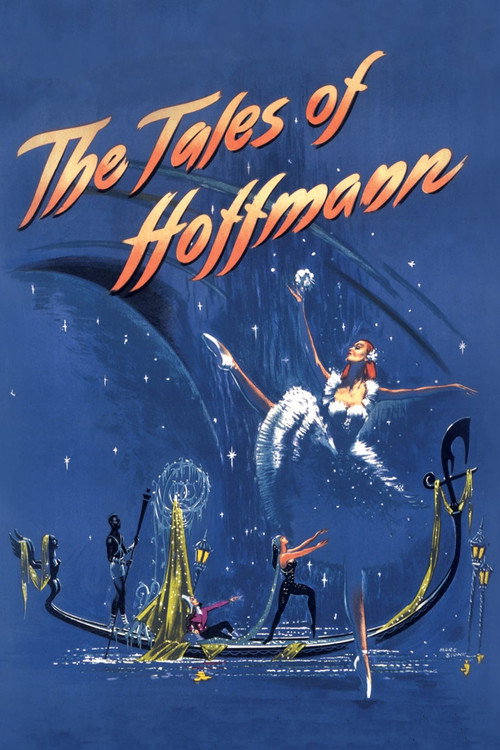
The Tales of Hoffmann1951
Both are operetta-adjacent films that prioritize music and visual spectacle over realism, but Tales achieves an artistic vision that Caravan's commercial machinery could never reach.
Powell and Pressburger's dazzling adaptation of Offenbach's opera, filmed in vivid Technicolor as pure visual and musical theatre. It has Caravan's commitment to theatrical excess and romantic fantasy, but executed with such style and invention that it transcends its own artifice.
But It's opera, fully sung, not dialogue and songs. And it's abstract and dreamlike where Caravan is plot-driven—if you want story clarity, this will frustrate you.
People
Cast
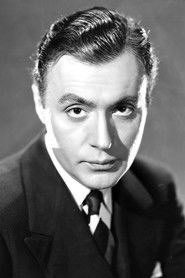 Charles BoyerLatzi
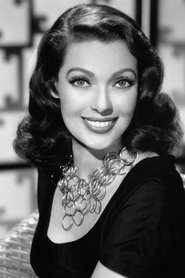 Loretta YoungCountess Wilma
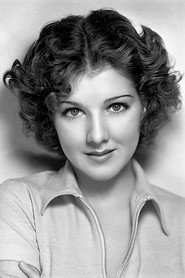 Jean ParkerTimka
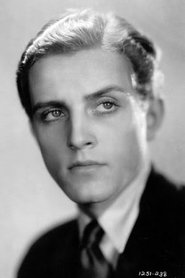 Phillips HolmesLieutenant Von Tokay
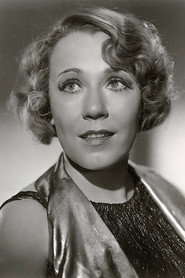 Louise FazendaBessie Opitz
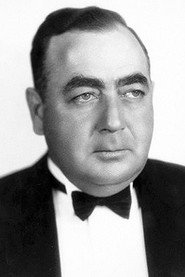 Eugene PalletteGypsy Chief
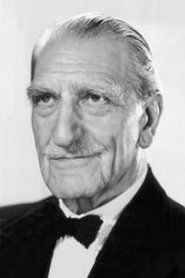 C. Aubrey SmithBaron von Tokay
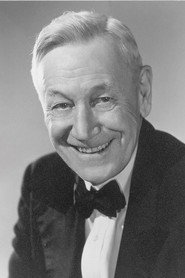 Charley GrapewinNotary
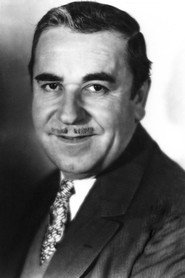 Noah BeeryInnkeeper
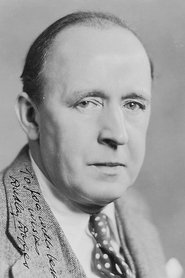 Dudley DiggesEstate Administrator
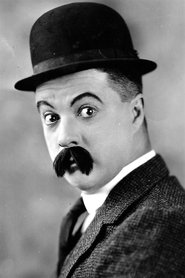 Billy BevanPolice Sergeant
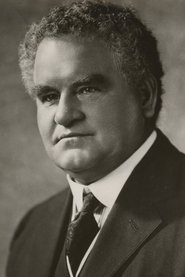 Lionel BelmoreStation Master
Directing
- Ray FlynnAssistant Director
- Robert LiebmannContinuity
- Erik CharellDirector
Writing
- Gus KahnLyricist
- Robert LiebmannNovel
- Melchior LengyelWriter
- Samson RaphaelsonWriter
Production
- Robert KaneProducer
- W.F. FitzgeraldUnit Manager