
Film
The Earrings of Madame de...
Max Ophüls's 1953 masterpiece follows a pair of diamond earrings as they pass from husband to wife to lover and back, tracing the collapse of a marriage through pure surface — glittering ballrooms, swirling camera work, and the kind of wit that turns heartbreak into choreography. It's a film about how little movements in high society carry enormous weight, and it's gorgeous to watch even as it breaks your heart.
If you liked this
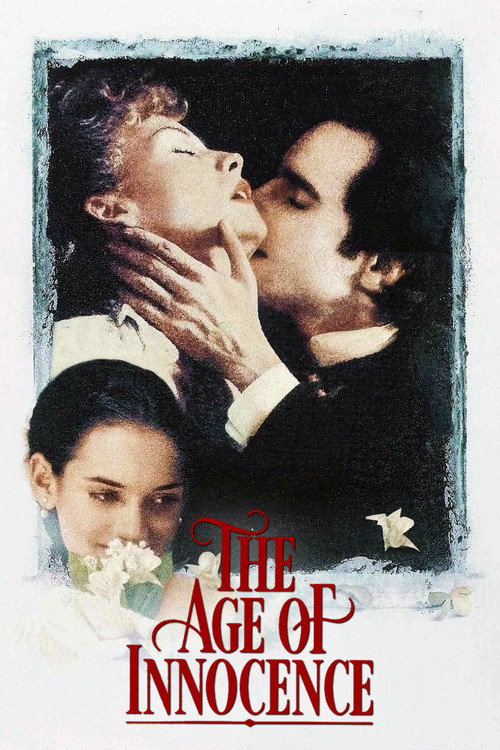
The Age of Innocence1993
Scorsese's most restrained film, all suppressed desire and social ritual — the camera glides through drawing rooms the way Ophüls's does, and every gesture carries the weight of a scandal.
But The pacing is glacial by design; if you want momentum rather than mood, this will test your patience.
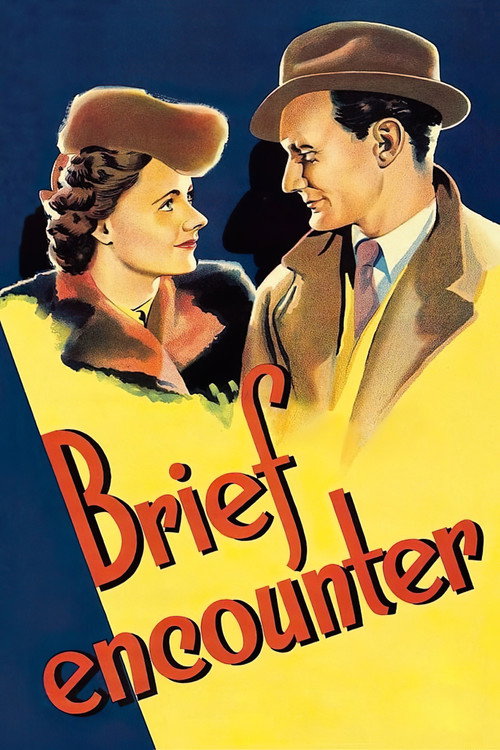
Brief Encounter1945
The gold standard for doomed, dignified love — two ordinary people falling for each other in stolen afternoons, narrated with the same aching restraint Ophüls brings to his countess.
But Its stiff-upper-lip Englishness can feel quaint now, and the melodrama is delivered without a flicker of irony.
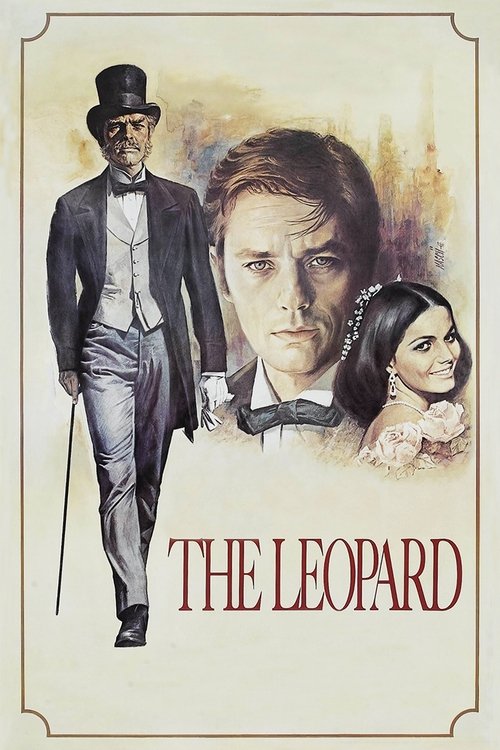
The Leopard1963
A crumbling aristocracy rendered in colour and scale, elegiac and lush, where every ballroom scene doubles as a eulogy for a whole way of life.
But It's nearly three hours long and moves at the pace of a Sicilian summer — beautiful, but demanding.
The wildcard
Something you would not have found on your own.
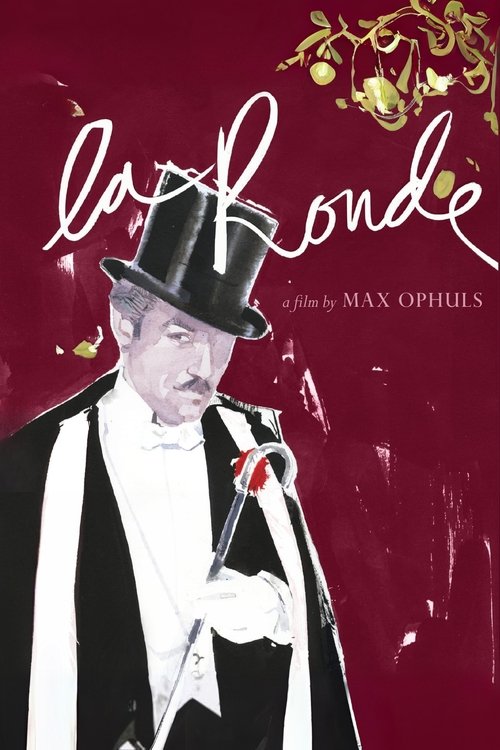
La Ronde1950
Same director, same obsession with a single object tracing the shape of desire through a whole society — but here Ophüls plays it as sly comedy instead of tragedy, showing you the other half of his range.
Ophüls made this three years before Madame de..., and it's the same trick from a different angle — a kiss instead of earrings, passed lover to lover in an unbroken circle, narrated with a wink.
But It's structured as a series of vignettes rather than one story, so it never builds the same emotional gut-punch — deliberately so.
More like this (8)
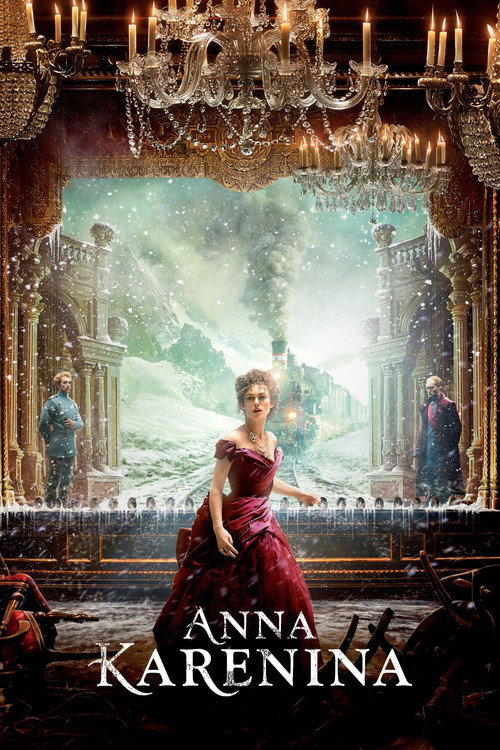
Anna Karenina2012
Theatrical and stylised, it turns Russian high society into a literal stage, matching Ophüls's interest in performance, appearances, and the costs of desire beneath the surface.
But The staging conceit is divisive — some find it a dazzling idea, others find it distancing and gimmicky.
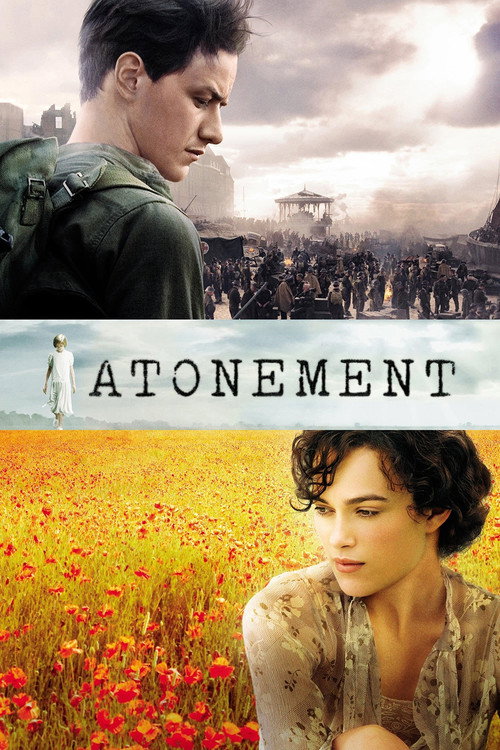
Atonement2007
A single lie ripples outward across decades, wrecking lives with the same slow, terrible inevitability as Ophüls's earrings — gorgeous, wrenching, unforgettable ending.
But It's a genuine tearjerker, unabashedly so; if you resist being manipulated by music and framing, it may feel heavy-handed.
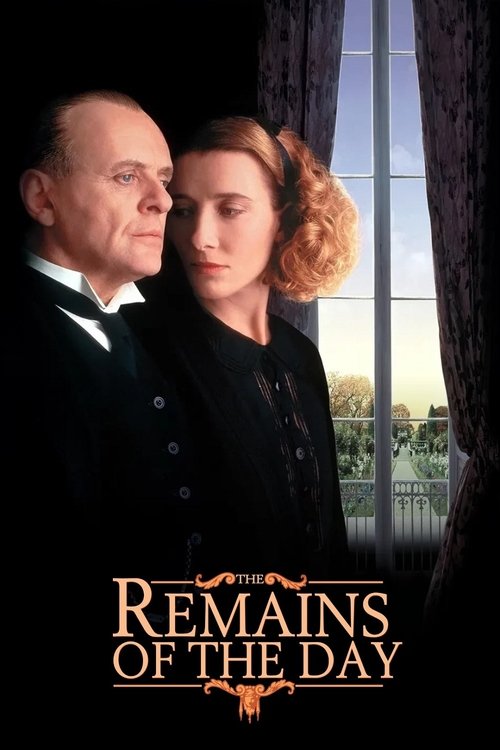
The Remains of the Day1993
A love that's never spoken finds its whole tragedy in tiny gestures and missed moments, all beneath a surface of perfect English composure.
But Its emotion is almost entirely submerged; if you need characters to say what they feel, this will frustrate you.
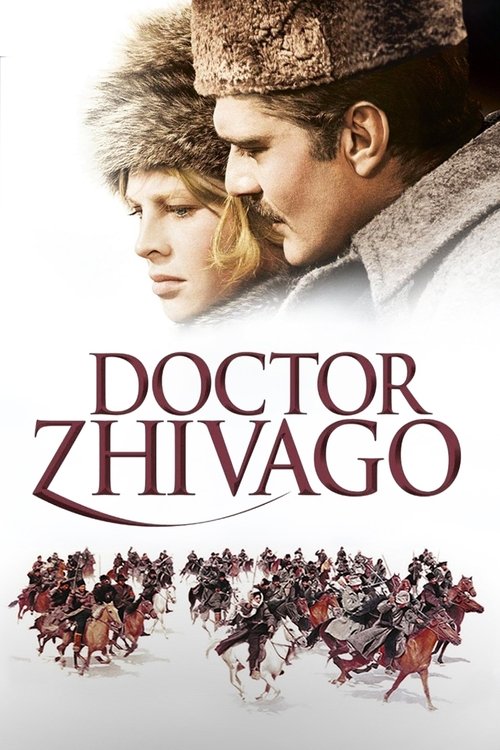
Doctor Zhivago1965
Sweeping, old-fashioned romantic tragedy on the largest possible canvas, with a doomed love affair that keeps colliding with history and consequence.
But It's over three hours of grand emotion and grander scenery — a big, unashamed swing rather than anything subtle.
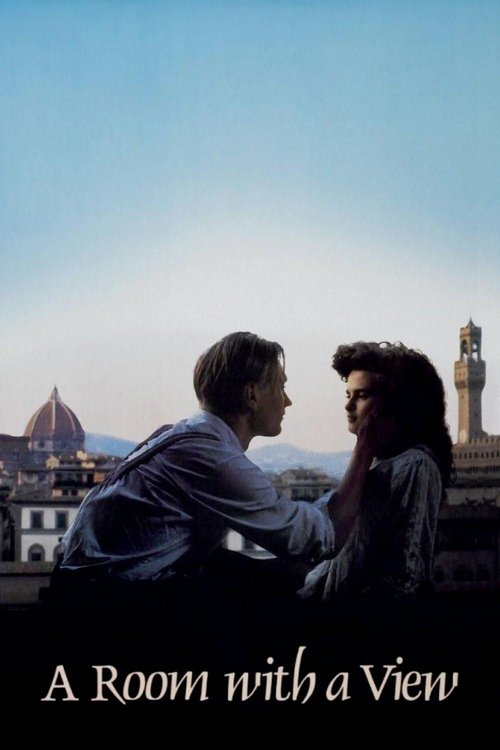
A Room with a View1986
Merchant Ivory at their most charming, all Edwardian manners and repressed longing, with the same fascination for how society dresses up desire.
But It's lighter and warmer than Ophüls's film — if you want tragedy, this ends up somewhere gentler.
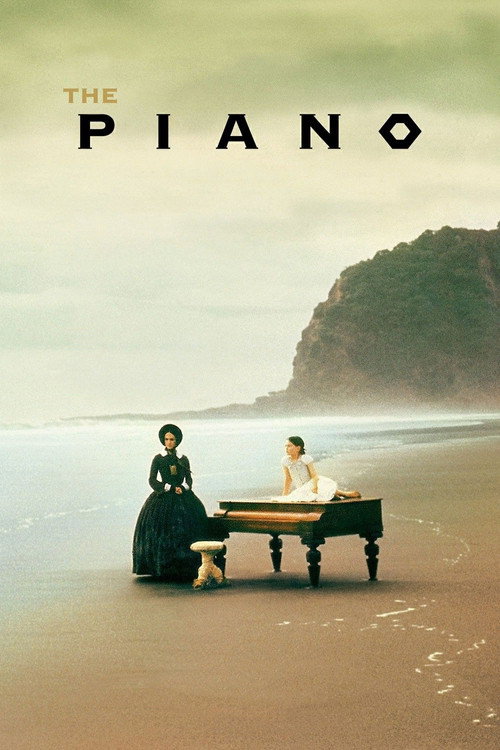
The Piano1993
A woman's inner life expressed entirely through an object and a silence, in a story about desire that society insists on controlling and punishing.
But It's far more visceral and violent than Ophüls ever gets — beautiful, but brutal in ways the earrings never are.
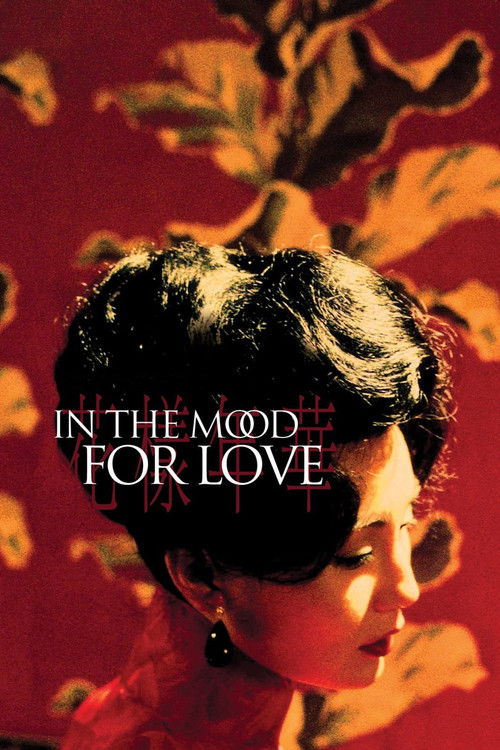
In the Mood for Love2000
Wong has cited Ophüls directly as an influence; both films use restless tracking shots and narrow corridors to stage desire that manners forbid characters from naming.
Wong Kar-wai borrowed Ophüls's swirling camera and hallway choreography wholesale, then set the same story of a love that can't speak its name in 1960s Hong Kong, drenched in colour and cigarette smoke.
But It's even more oblique — almost nothing is said outright, and the ending offers no release at all.
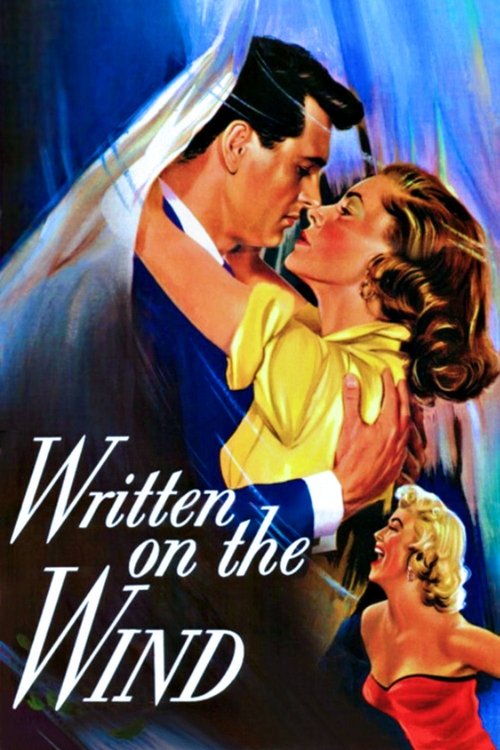
Written on the Wind1956
Same engine — an unhappy marriage undone by desire and a secret — rebuilt in a completely different register: lurid, loud, and unapologetically trashy where Ophüls is exquisitely controlled.
Take the same ingredients — money, adultery, a marriage rotting from within — and blast them through Technicolor Hollywood melodrama, all garish sets and overheated performances.
But It has none of Ophüls's restraint; this is a film that shouts what Madame de... whispers, and some will find it gaudy rather than moving.
People
Cast
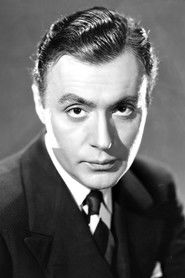 Charles BoyerGénéral André de...
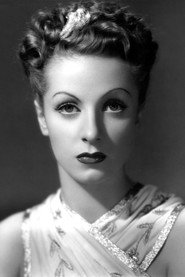 Danielle DarrieuxComtesse Louise de...
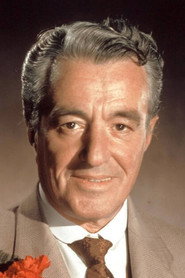 Vittorio De SicaBaron Fabrizio Donati
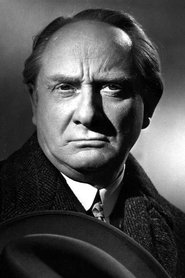 Jean DebucourtMonsieur Rémy
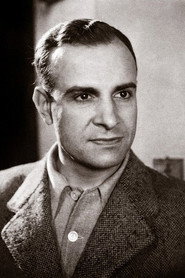 Jean GallandMonsieur de Bernac
- Mireille PerreyLa Nourrice
- Paul AzaïsLe premier cocher
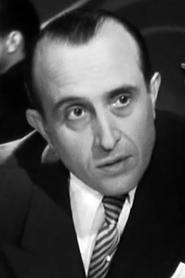
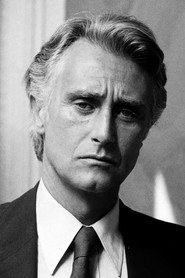 Hubert NoëlHenri de Maleville
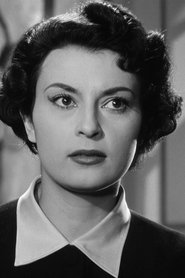 Lia Di LeoLola
- Gérard BuhrLe douanier (uncredited)
 Jean TouloutLe doyen du corps diplomatique (uncredited)
Directing
- Alain JessuaAssistant Director
- Max OphülsDirector
- Marc MauretteFirst Assistant Director
- Ulrich PicardFirst Assistant Director
Writing
- Marcel AchardDialogue
- Louise de VilmorinNovel
- Marcel AchardScreenplay
- Max OphülsScreenplay
- Annette WademantWriter
Production
- Ralph BaumProducer
- Henri BaumProduction Manager
- Ralph BaumProduction Manager
- André HossUnit Manager