
Film
The Yellow Rolls-Royce
A 1964 ensemble film that follows one gleaming yellow Rolls-Royce through three separate love stories across different continents and decades. Each owner—an English aristocrat, an Italian mobster, an American widow—inherits the car and the emotional baggage that comes with it. It's a clever, romantic film that uses luxury and mobility as a frame for examining desire, fidelity, and what we're willing to risk for love.
Should you watch it?
Watch it if you enjoy an episodic, object-led story where a single car passes through a string of lives and the wit comes from watching grand people blunder into one another.
Skip it if you need a tight, brisk plot, since at over two hours it meanders and its tone wobbles between farce and heavier material, so the seams show.
What it asks of you: Long, unhurried stretches across two hours and change, with a gentle comic lightness that rarely turns sharp, so it rewards patience more than close attention.
Not sure? Find tonight's pick in a minute.
If you liked this
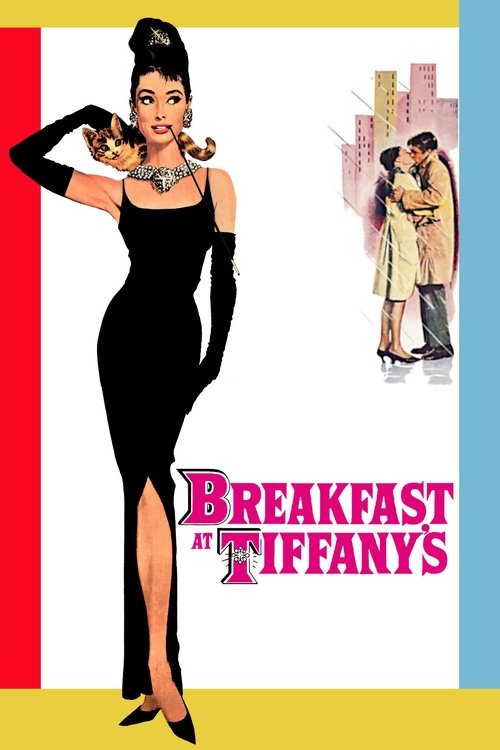
Breakfast at Tiffany's1961
Both films use glamorous surfaces and sophisticated romance to explore yearning and displacement. Audrey Hepburn's restless energy mirrors the way The Yellow Rolls-Royce treats its characters as perpetually in transit, chasing something just beyond reach.
But Breakfast at Tiffany's moves at a dreamy, digressive pace that some find slow; if you want plot momentum, this will frustrate you.
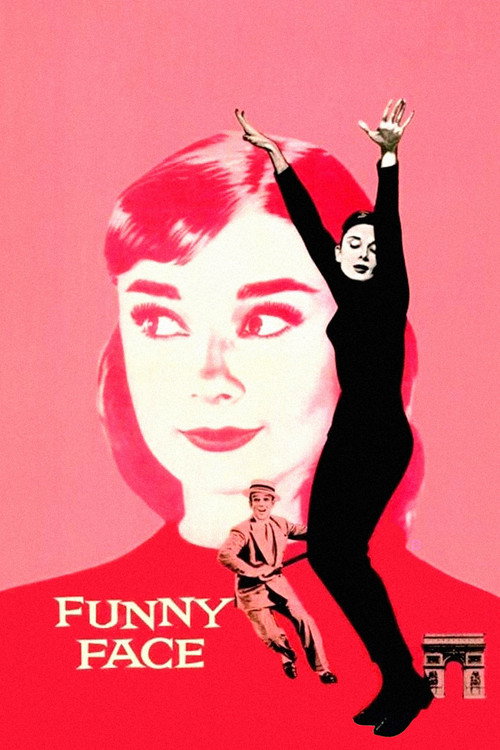
Funny Face1957
Another Audrey Hepburn romance wrapped in gorgeous European settings and sophisticated style. Both films luxuriate in the fantasy of glamour while quietly questioning whether the fantasy is enough to sustain real connection.
But The gender politics feel dated now. Hepburn's photographer is shaped entirely by the men around her, which reads as uncomfortable rather than charming to modern eyes.
The Leopard1963
An Italian epic about a noble house watching its world dissolve, with the same bittersweet tone as Rolls-Royce. Visconti's film is ravishing and elegiac—it understands how beauty and decay move together.
But It's 205 minutes long and requires patience. The pacing is glacial by design, which is the point but also demands a particular mood from the viewer.

Not sure tonight? Get a pick in a minute, starting from The Yellow Rolls-Royce
The wildcard
Something you would not have found on your own.
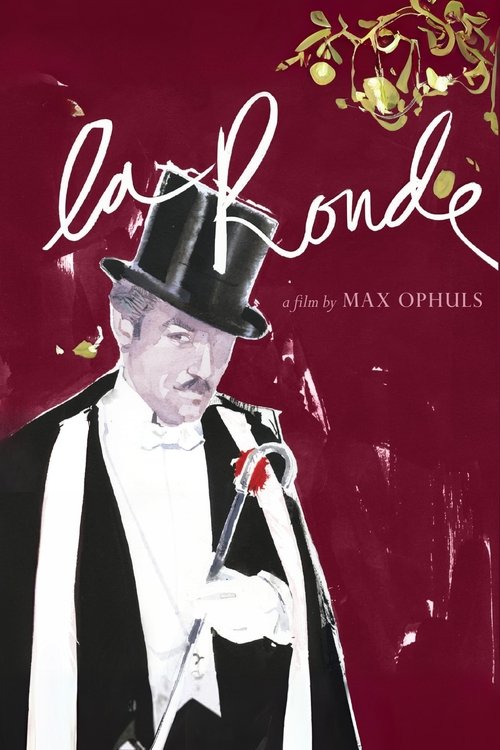
La Ronde1950
Both films are structured around an object or location that moves through different hands, revealing how the same external situation generates entirely different internal worlds depending on who inhabits it.
Ophüls's masterpiece uses the same device as Rolls-Royce—a object (here, a string of pearls, then just desire itself) passes between different people, each with their own drama. It's about how the same impulse—desire, in this case—generates completely different stories depending on who feels it.
But It's French and deliberately artificial in a way that makes some viewers uncomfortable. The carousel structure can feel repetitive rather than profound.
More like this (8)
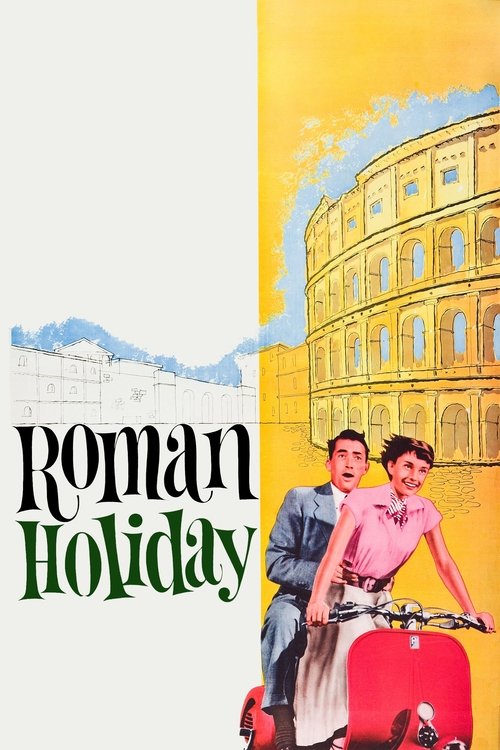
Roman Holiday1953
Another elegant European romance where the setting is almost a character itself. Both films understand that travel and displacement unlock people in ways their ordinary lives never could.
But It's sentimental in a way that doesn't apologize. If you're allergic to the romance-film earnestness of the 1950s, this won't convert you.
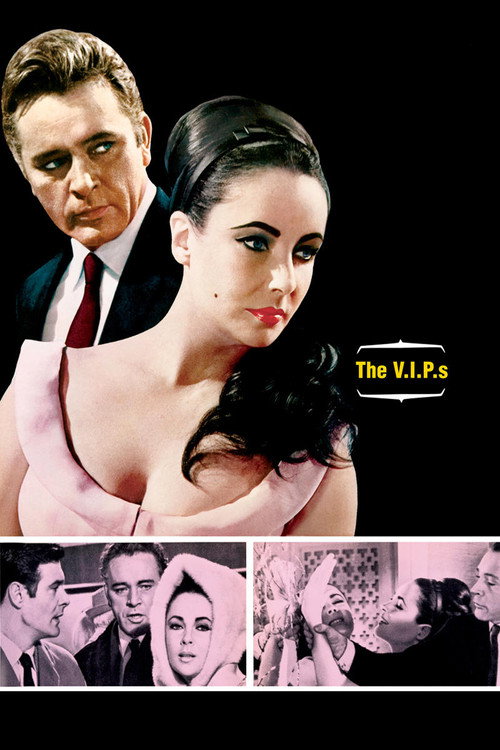
The V.I.P.s1963
A multi-narrative ensemble piece set in an airport hotel, structured much like Rolls-Royce. It has the same wry view of wealthy people and their entanglements, with a similar cast of sophisticated Europeans and Americans.
But The stories don't always connect meaningfully. You can feel the seams where separate vignettes have been stitched together.
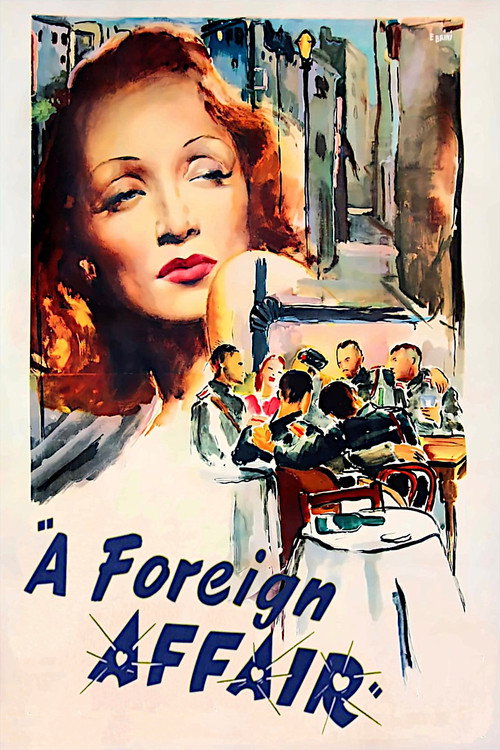
A Foreign Affair1948
Marlene Dietrich in post-war Berlin, caught between competing loves and loyalties. It shares Rolls-Royce's interest in how passion survives (or doesn't) against a backdrop of historical upheaval and moral compromise.
But The film is sometimes uncomfortably frivolous about serious wartime themes. The tonal balance between comedy and gravity doesn't always work.
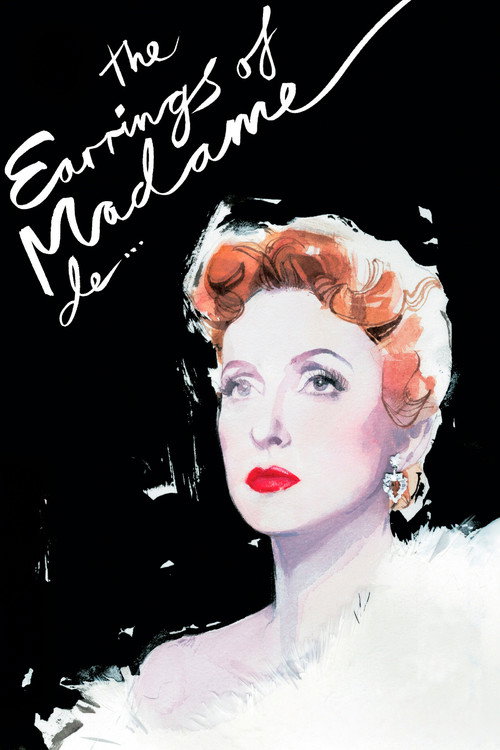
The Earrings of Madame de...1953
A French masterpiece about how a piece of jewelry becomes the vessel for an entire marriage's collapse and possible redemption. Like Rolls-Royce, it tracks emotional trajectories through objects that move between owners.
But It's slow and deliberately artificial in its construction. If you want naturalism or straightforward narrative, this stylized approach will feel mannered.
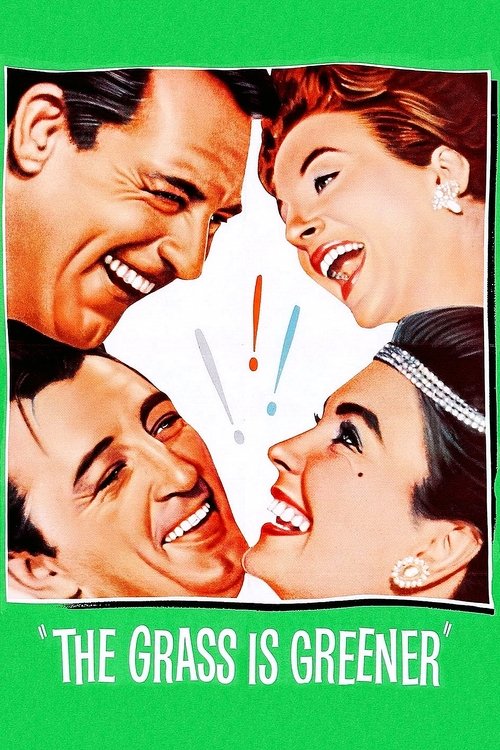
The Grass Is Greener1960
A screwball comedy about infidelity and desire set in English country estates and French hotels. The same lightweight sophistication and the same skepticism about whether marriage and passion can coexist.
But The comedy lands unevenly. Some jokes rely on dated assumptions about what's funny about seduction and social class.
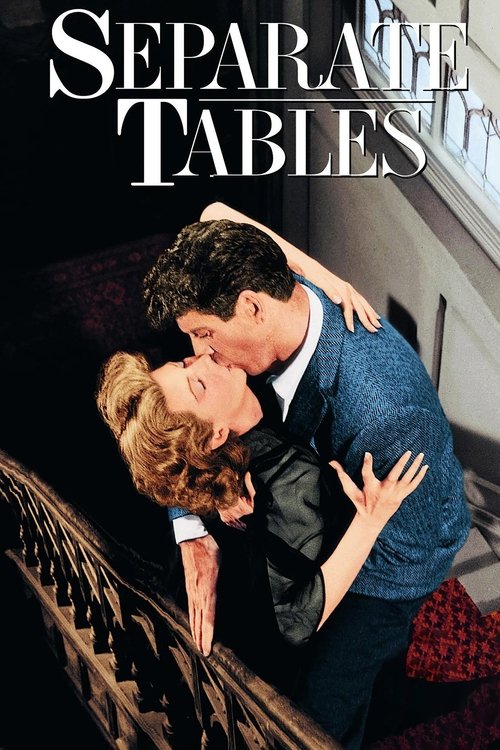
Separate Tables1958
An ensemble drama set in a seaside hotel where multiple love stories and secrets intersect. Both films understand that in close quarters, people reveal themselves in ways they wouldn't in isolation.
But The mood is quieter and more melancholic than Rolls-Royce. If you want sparkle and movement, this will feel too restrained.
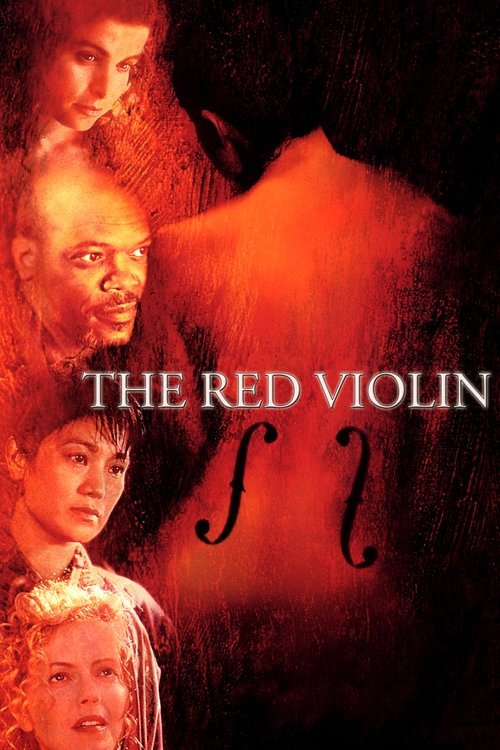
The Red Violin1998
Both use a treasured object as a narrative anchor that allows the filmmakers to explore how desire, class, and love play out differently across time and place.
A violin travels across centuries and continents, and each owner's story illuminates a different era and emotional truth. It shares Rolls-Royce's elegant mechanism: one beautiful thing, multiple lives, time folding across geography.
But It's a period film that jumps around chronologically, which can feel disorienting. Some segments are more compelling than others.
Stalker1979
Both films treat physical travel and the acquisition of desired objects as metaphors for spiritual or emotional journeys; both suggest that the journey matters more than the destination, and that what we chase is often not what we actually need.
Tarkovsky's science-fiction meditation on desire and the journey inward. Like Rolls-Royce, it's about what we seek and whether getting it would satisfy us. Both are interested in movement as a form of self-revelation—the road changes the traveler.
But It's 163 minutes of philosophical slowness. If you want narrative propulsion or answers, you'll be frustrated. Tarkovsky demands patience and contemplation.

People
Cast
 Ingrid BergmanGerda Millett
 Rex HarrisonThe Marquess of Frinton
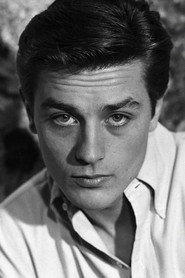 Alain DelonStefano
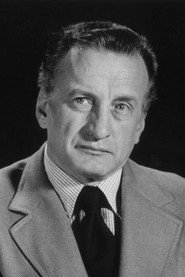 George C. ScottPaolo Maltese
 Jeanne MoreauThe Marchioness of Frinton
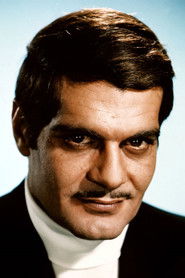 Omar SharifDavich
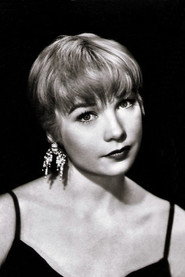 Shirley MacLaineMae Jenkins
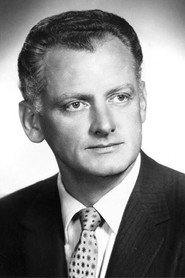 Art CarneyJoey Friedlander
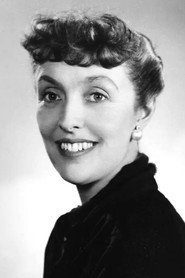 Joyce GrenfellHortense Astor
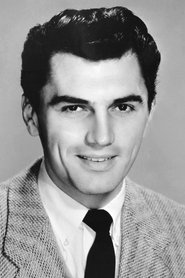 Edmund PurdomFane
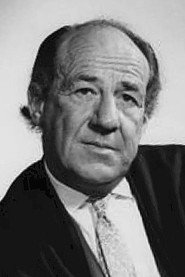 Michael HordernHarnsworth
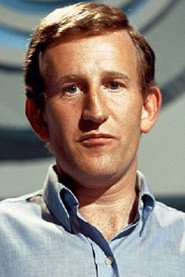 Lance PercivalAssistant Car Salesman
Directing
- Kip GowansAssistant Director
- Pamela CarltonContinuity
- Anthony AsquithDirector
- Robert WattsSecond Assistant Director
Writing
- Norman NewellLyricist
- Terence RattiganScreenplay
Production
- Roy ParkinsonAssociate Producer
- Irene HowardCasting
- Anatole de GrunwaldProducer
- George DavisProduction Accountant
- Timothy BurrillProduction Manager
- Jimmy KomisarjevskyUnit Manager
Recommended by
Ice Station Zebra, High Road to China, The Lovers, The V.I.P.s, You're Only Young Twice!