
Film
The Grass Is Greener
- Romantic comedy
- Light-hearted
A witty 1960 romantic comedy where a cash-strapped English aristocrat and his wife navigate desire and temptation when a wealthy American oil magnate becomes dangerously interested in the wife. It's urbane, flirtatious, and played with elegant charm by Cary Grant and Deborah Kerr—the kind of film where innuendo matters more than action, and everyone looks impeccable while their lives spiral.
Should you watch it?
Watch it if you relish glossy, civilised comedy of manners where wit and the pleasure of watching seasoned stars trade barbs matter more than the story's momentum.
Skip it if you want a brisk plot or a fresh premise, since the romantic tangle is familiar and it plays out at a rather stagey pace.
What it asks of you: Talky scenes and bickering dominate its steady 104 minutes throughout, so the pace stays unhurried rather than urgent.
Not sure? Find tonight's pick in a minute.
If you liked this
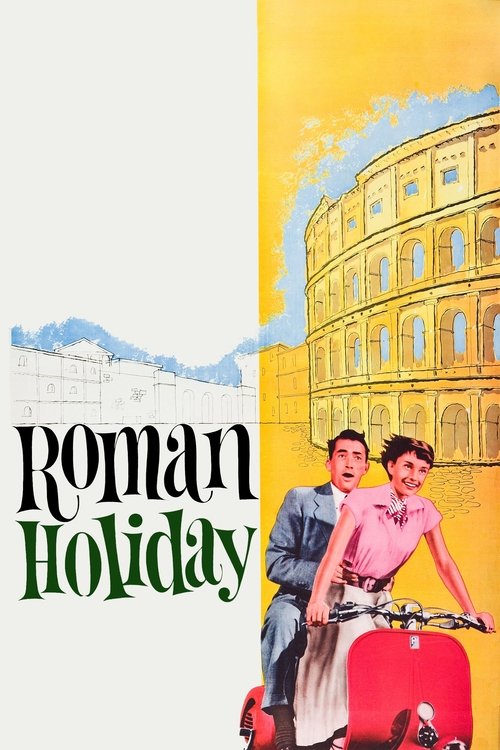
Roman Holiday1953
Grant's contemporary and Kerr's spiritual predecessor, Audrey Hepburn glides through Rome with a similar mix of grace and mischief. It has the same lightness of touch and genuine affection underneath the froth.
But It's a romance first and foremost, with plot mechanics that feel quaint now. If you want something with more edge, this isn't it.
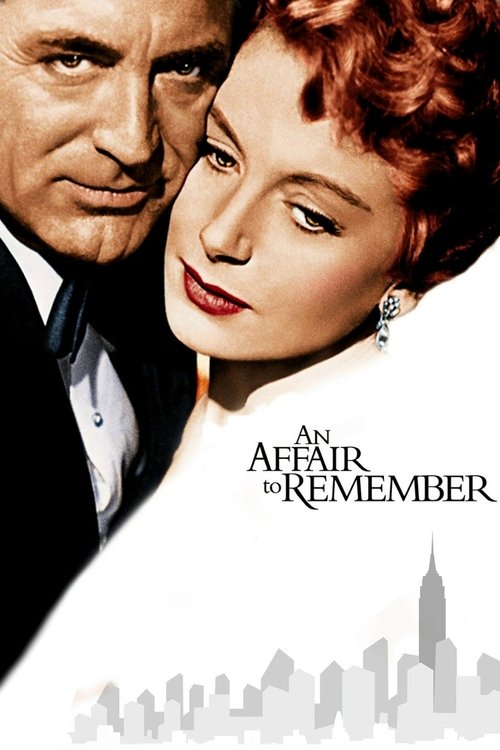
An Affair to Remember1957
Also Grant and Kerr, also about marriage and temptation, but with real heartbreak underneath. It goes darker and more genuinely emotional while keeping that same sophisticated sheen.
But The ending is deliberately sentimental and might feel manipulative if you're not in the mood for a good cry.
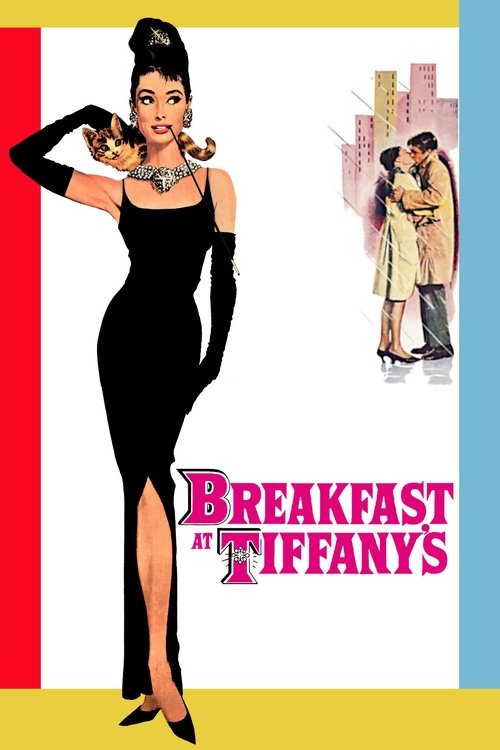
Breakfast at Tiffany's1961
Another New York-set romantic comedy with bite, where charm masks deeper questions about who people really are. Holly Golightly has Kerr's grace but none of her restraint.
But Audrey Hepburn's charisma carries it, but the plot is thin. Some scenes haven't aged well, and the tone can feel scattered.
Not sure tonight? Get a pick in a minute, starting from The Grass Is Greener
The wildcard
Something you would not have found on your own.
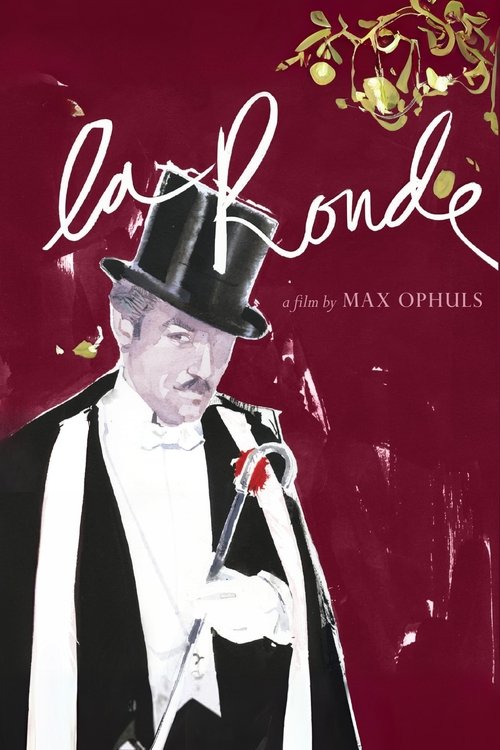
La Ronde1950
Both are sophisticated comedies about infidelity and temptation where the real drama is emotional rather than plot-driven. But La Ronde is a mirror-world version: where Grant's film is cozy and English, this is continental and pitiless.
A French carousel of seduction in Vienna: ten characters, ten scenes, endless temptation and moral compromise. It's about the same thing as The Grass Is Greener—desire and its consequences—but stripped of sentimentality and filmed like a waltz.
But It's European cinema, subtitled, and built on a cynical view of human nature. Some scenes are perfunctory, and the mood is cool where Grant is warm.
More like this (8)
Singin' in the Rain1952
The gold standard of effortless movie romance and comedy. Gene Kelly and Donald O'Connor have the same casual brilliance Grant brings here, and it's joyful in a way few films manage.
But It's a musical, and if you're not in the mood for dancing and singing, the constant spectacle can exhaust rather than delight.

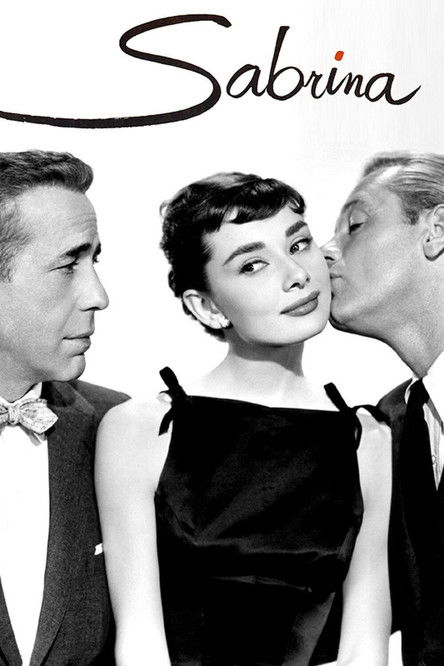
Sabrina1954
Audrey Hepburn caught between two brothers, Humphrey Bogart and William Holden. Same plot DNA as The Grass Is Greener—wealth, desire, class—but with a cynicism that cuts deeper.
But Bogart seems miscast and uncomfortable, which weakens the romantic tension when it matters most.
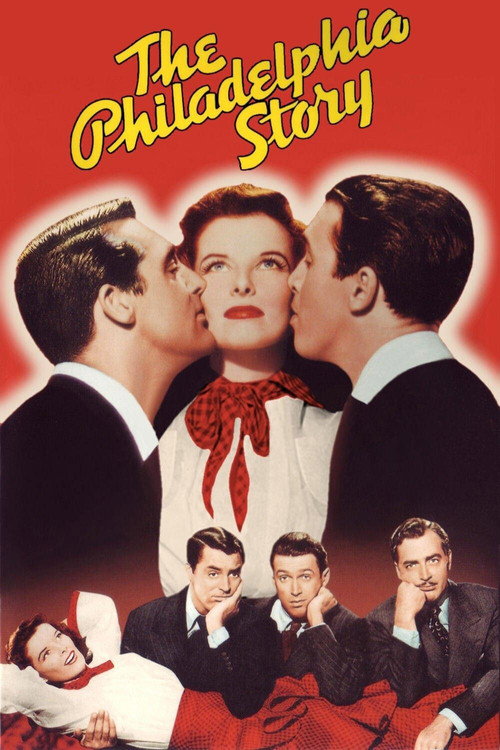
The Philadelphia Story1940
Grant, Katharine Hepburn, and James Stewart navigate a love triangle with sophistication and real wit. It's what The Grass Is Greener wants to be when it grows up.
But At over two hours, it moves at its own pace. If you want something punchy, look elsewhere.
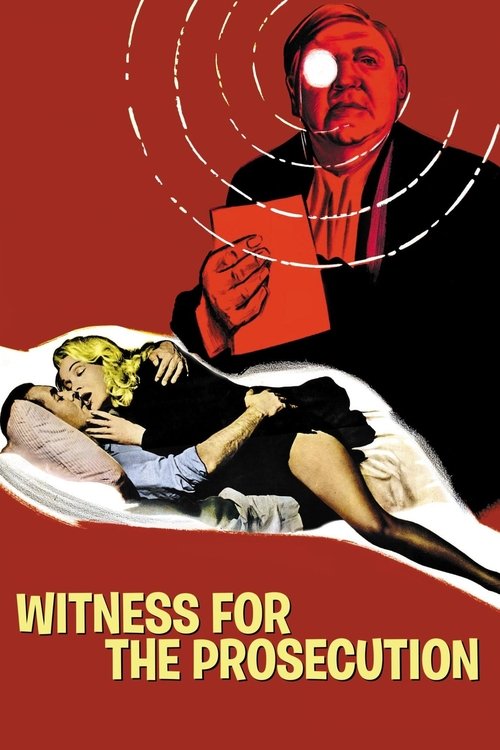
Witness for the Prosecution1957
Also starring Marlene Dietrich and Charles Laughton, it has the same 1950s elegance and a whip-smart script. The pleasure is in watching intelligent people joust.
But It's a courtroom drama, not a romantic comedy. The tonal shift might feel like a bait-and-switch.
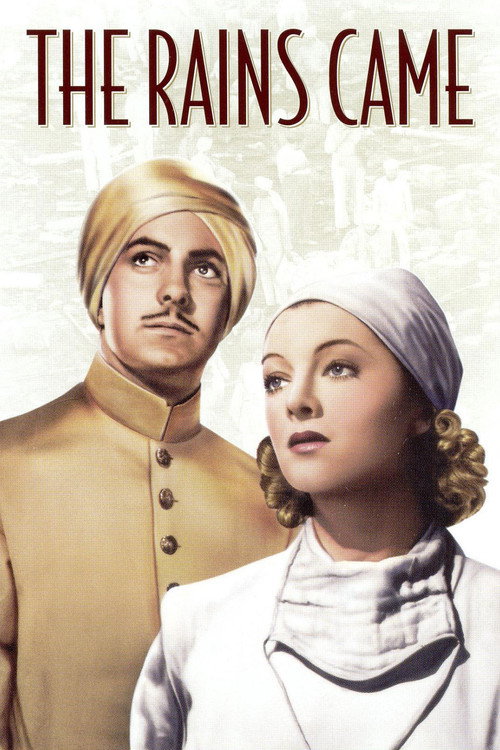
The Rains Came1939
Tyrone Power and Myrna Loy in a romantic drama with real stakes. It shares that sense of civilization balanced on a knife's edge, and people making choices they'll regret.
But It's earnest where The Grass Is Greener is flip. The catastrophe at the end could feel heavy if you came for lightness.
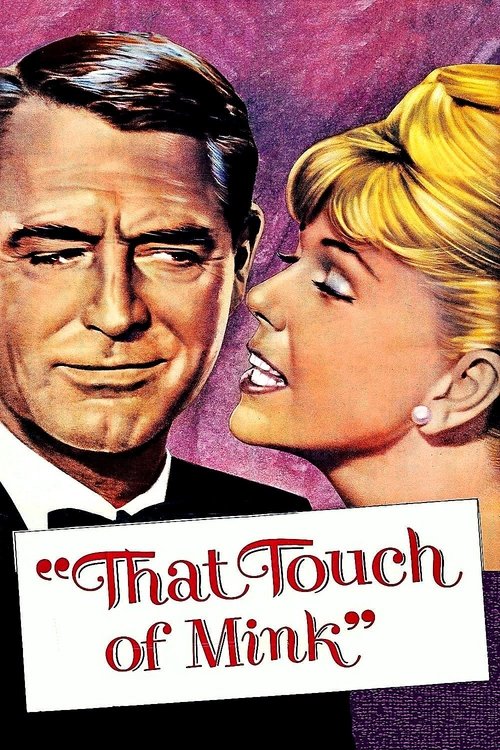
That Touch of Mink1962
Doris Day and Cary Grant (again!) in a sex comedy that came out just after The Grass Is Greener. Same star, same era, same sophisticated frisson about desire and propriety.
But It relies heavily on Day's comic timing, which works or doesn't depending on your patience for that particular brand of screwball energy.
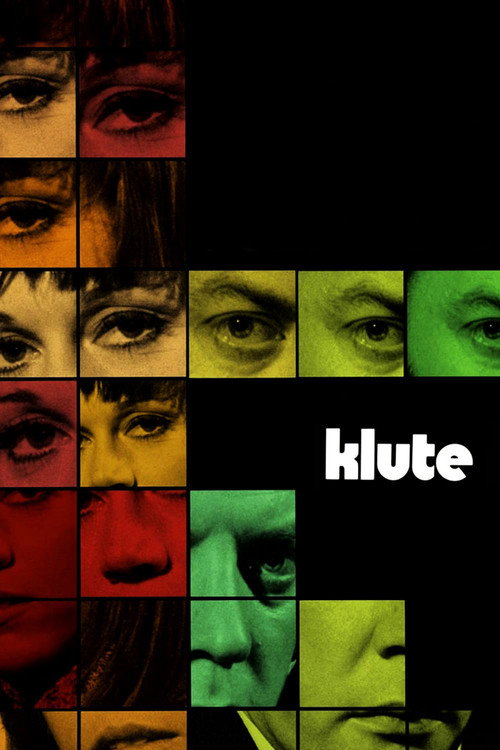
Klute1971
Both films are built on the idea that seduction reveals who people really are. Grant's film watches this with amusement; Klute watches with dread. Same structure, opposite register.
Jane Fonda as a high-end sex worker tangled up with a detective. It's a psychological thriller that uses sex and desire the way The Grass Is Greener does—as a lens into character and power. Tense, smart, unsettling.
But It's dark and uncomfortable, with no romantic comedy cushion. If you want to feel good, this isn't the film.
The Servant1963
Both films are about English houses, desire across class lines, and the way sex destabilizes people who think they have everything figured out. But where The Grass Is Greener finds this amusing, The Servant finds it tragic and corrupting.
A British psychological thriller about a wealthy man and his new servant, where desire and power become indistinguishable. It's set in London, filmed in black-and-white, and explores class and seduction with a knife-edge precision. Mesmerizing and deeply wrong.
But It's bleak, slow, and deliberately unpleasant. It offers no comfort and no resolution. You don't watch it to feel entertained.

People
Cast
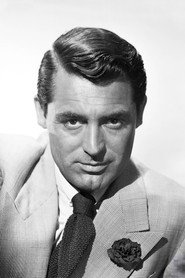 Cary GrantVictor Rhyall
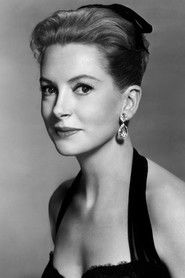 Deborah KerrHilary Rhyall
 Robert MitchumCharles Delacro
 Jean SimmonsHattie Durant
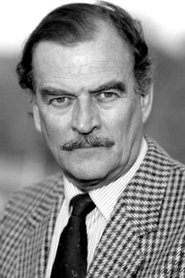 Moray WatsonTrevor Sellers
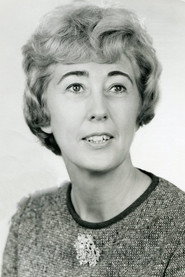 Joan BenhamHairdresser's Receptionist (uncredited)
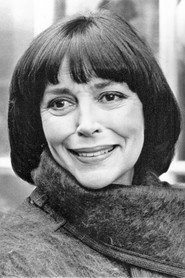 Gwen WatfordHairdresser's Receptionist (uncredited)
- Elisabeth OrionFair-Haired Woman (uncredited)
Directing
- Roy StevensAssistant Director
- Shirley BarnesContinuity
- Stanley DonenDirector
- Michael StevensonThird Assistant Director
Writing
- Hugh WilliamsScreenplay
- Margaret VynerScreenplay
- Hugh WilliamsTheatre Play
- Margaret VynerTheatre Play
Production
- James H. WareAssociate Producer
- Cary GrantExecutive Producer
- Stanley DonenProducer
- Richard GoodwinUnit Manager
Recommended by
The Prince and the Showgirl, The Yellow Rolls-Royce, Indiscreet