
Film
The Prince and the Showgirl
- Romantic comedy
- Light-hearted
A 1957 romantic comedy where Marilyn Monroe's American showgirl outsmarts the charming but hapless Prince Regent (Laurence Olivier) in a Ruritanian palace. It's light, frothy, and designed to showcase Monroe's comic timing alongside classic Hollywood glamour. Perfect if you want something warm and unpretentious that doesn't require intense concentration.
Should you watch it?
Watch it if you enjoy stiff-upper-lip comedy of manners where a glamorous outsider punctures royal pomposity, and the pleasure lies in watching sharp stars play off each other's timing.
Skip it if you need fast, gag-driven farce; this is talky and leisurely, with long stretches of courtly dialogue that rewards patience more than laughs.
What it asks of you: Settle in for a little under two hours of unhurried drawing-room pacing, where wit arrives in polished exchanges rather than sudden bursts.
Not sure? Find tonight's pick in a minute.
If you liked this
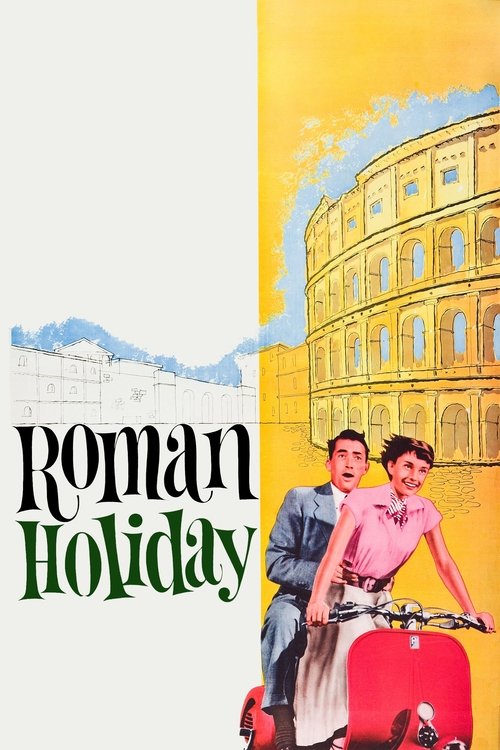
Roman Holiday1953
Audrey Hepburn plays a princess escaping palace life for romance with a commoner. It has the same fairy-tale setup, the same elegant European setting, and the same bittersweet awareness that duty and desire can't always coexist.
But It's considerably more romantic and less comedic than *The Prince and the Showgirl*, and the ending carries real melancholy rather than froth.
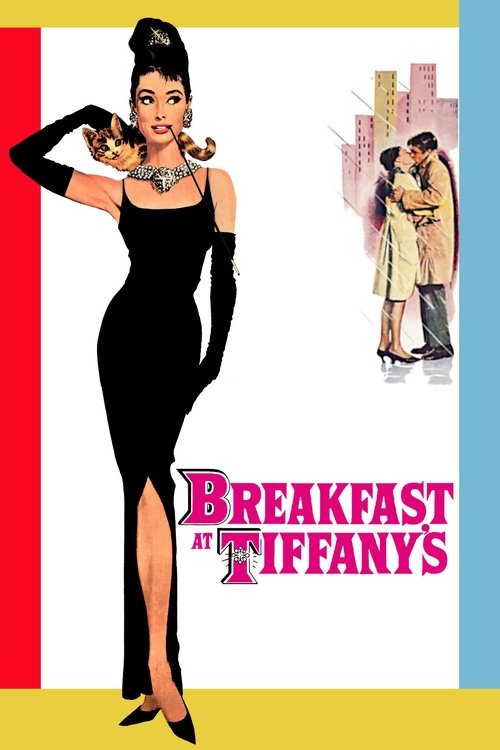
Breakfast at Tiffany's1961
Audrey Hepburn as a free-spirited woman navigating society's expectations with charm and evasion. The chemistry between leads, the witty banter, and the celebration of female independence all share DNA with this film.
But It's sleeker and more sophisticated, with a different kind of romance—less palace intrigue, more existential uncertainty.
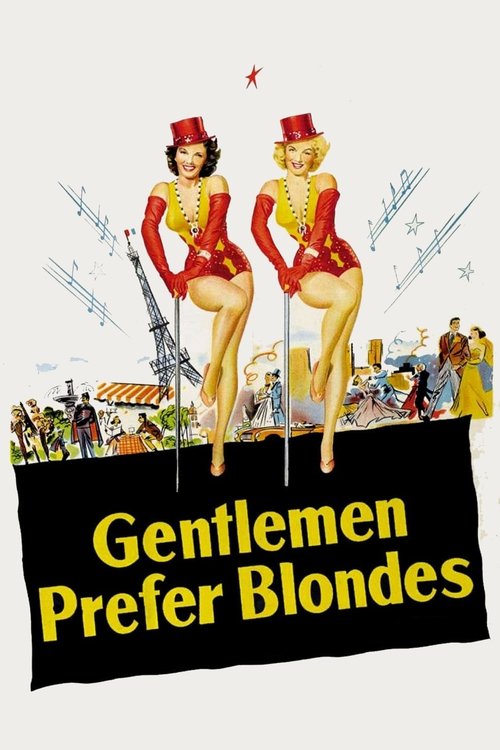
Gentlemen Prefer Blondes1953
Monroe herself, in full comic bloom, playing a woman who knows exactly what she's doing while everyone assumes otherwise. The performance is utterly alive, and the musical numbers are genuinely joyful.
But It's cheerfully mercenary about romance in ways that might feel dated, and the comedy is broader and less refined.
Not sure tonight? Get a pick in a minute, starting from The Prince and the Showgirl
The wildcard
Something you would not have found on your own.
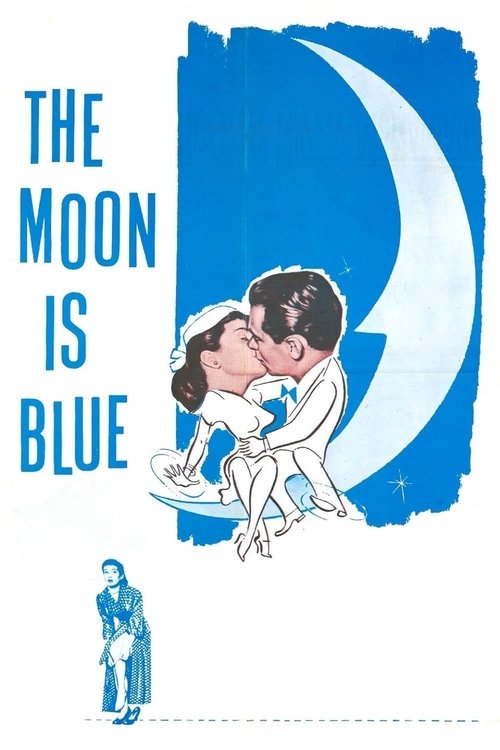
The Moon Is Blue1953
Both films hinge on a woman outmaneuvering men who assume she's simpler than she is. Both were controversial in their moment for what they suggested about female agency. Both are comedies that treat intelligence as sexy.
A screwball comedy about seduction, marriage, and the actual desires of an unmarried woman—made by Otto Preminger as a deliberate challenge to Hollywood censorship. It's funny, it's frank about sex in ways that shocked 1953, and it trusts women to be intelligent and complicated.
But The dialogue-heavy style will feel stagey if you're not accustomed to 1950s theatrical comedy, and it's interested in talking about desire rather than depicting it.
More like this (8)
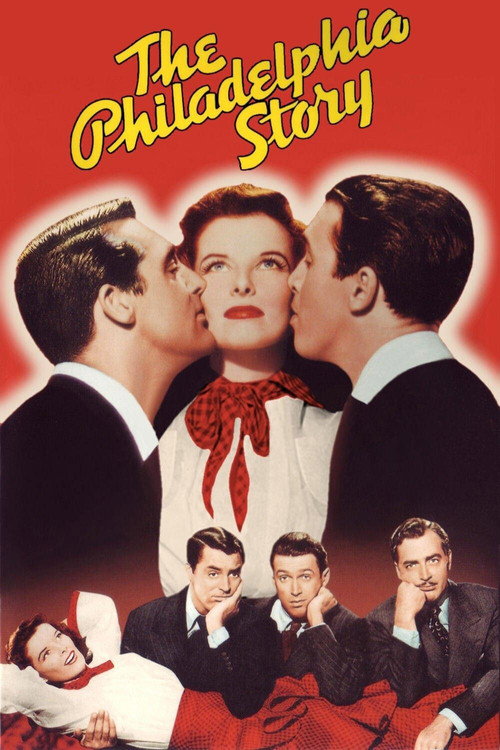
The Philadelphia Story1940
A screwball romance where a high-society woman is pursued by multiple men while she navigates what she actually wants. The dialogue is pristine, the cast is flawless, and the romantic complications are both funny and touching.
But It's a much sharper film—the wit is weaponized rather than warm, and it rewards close attention to language.
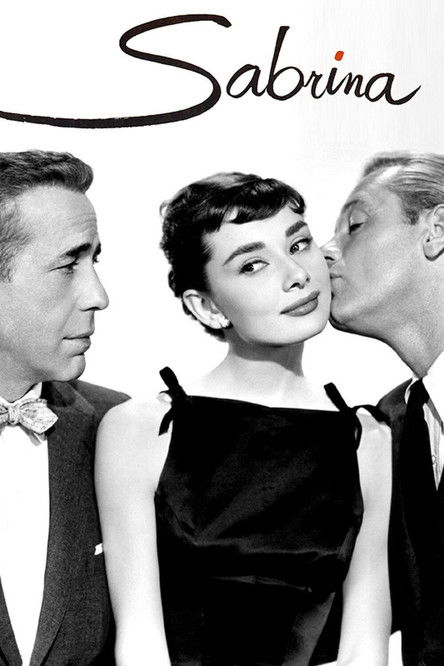
Sabrina1954
Audrey Hepburn as the daughter of a chauffeur caught between two brothers from a wealthy family. It has the same gentle class-clash humor and the same belief that a good woman can soften anyone's rough edges.
But The gender politics are more noticeable in retrospect, and the romantic resolution feels less earned than charming.
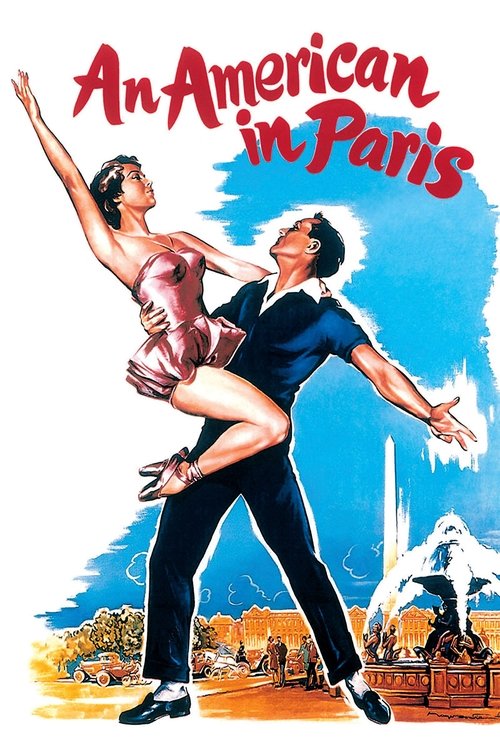
An American in Paris1951
Gene Kelly and Leslie Caron in a romance that unfolds across Parisian backdrops with real warmth and musical flair. It captures that same mid-century sense of romance as an adventure in a foreign land.
But It's primarily a musical, so if you're not invested in the dance sequences, large chunks won't land for you.
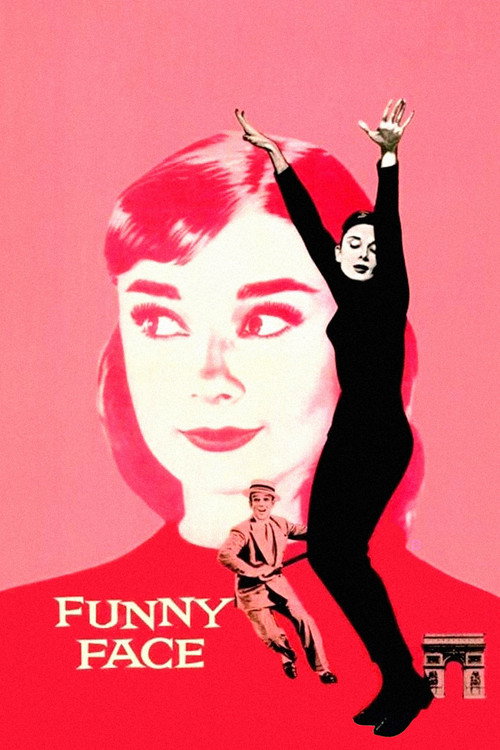
Funny Face1957
Audrey Hepburn and Fred Astaire in a Cinderella-style romance where fashion, Paris, and intellectual pretension all become subjects for affectionate comedy. Released the same year as *The Prince and the Showgirl*, it shares that moment's optimism.
But The romantic dynamic involves a significant power imbalance that reads uncomfortably now, and it requires you to enjoy fashion-world satire.
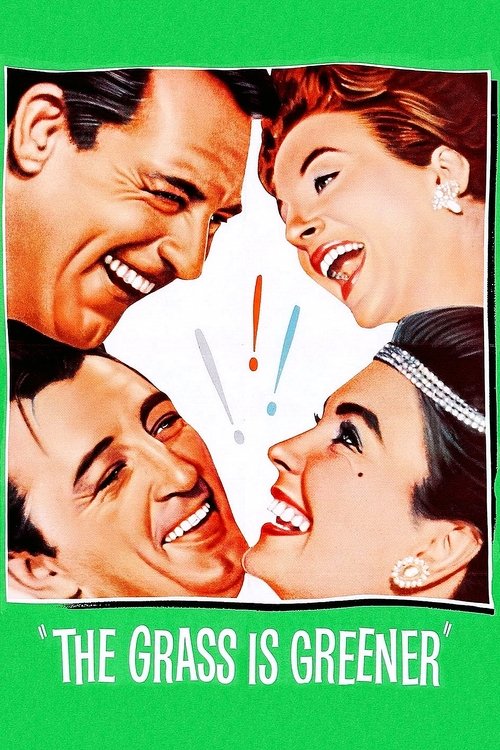
The Grass Is Greener1960
Cary Grant and Deborah Kerr in a sophisticated comedy about marriage, temptation, and the grass not actually being greener. It's witty without being unkind, and it trusts the audience to keep up with the reversals.
But It's deliberately lightweight and artificial—if you want substance, this will feel like cotton candy, and that's by design.
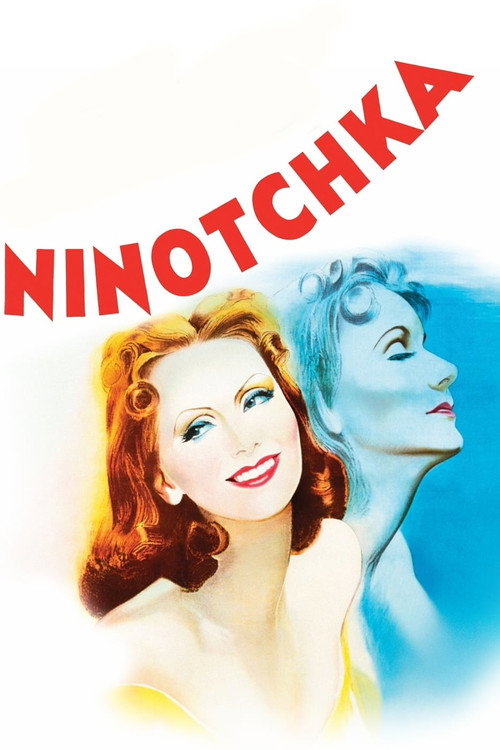
Ninotchka1939
Greta Garbo as a Soviet agent undone by Paris, romance, and the pleasures of capitalist decadence. It's a witty political comedy disguised as a love story, with impeccable comic timing from everyone involved.
But The Cold War satire is dated, the pacing is slow by modern standards, and the romantic resolution assumes a woman's happiness requires a man.
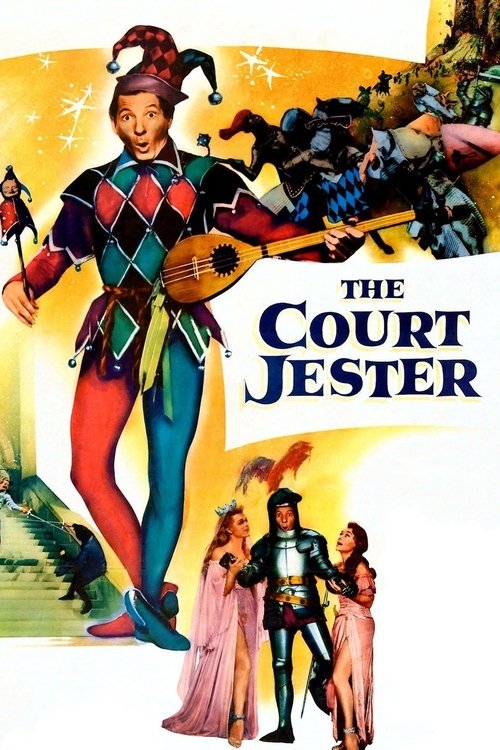
The Court Jester1955
Same European-palace setting, same genre of romantic adventure played mostly for laughs rather than passion, same era's approach to escapism. Except this one is *completely* unafraid of being ridiculous.
Danny Kaye in a medieval adventure-comedy that's essentially a live-action cartoon. The plot is Ruritanian nonsense, the physical comedy is dazzling, and the whole thing is designed to delight rather than make you think.
But It's aggressively silly—if you want sophistication or realism, this will feel like it's for children, because it partly is.
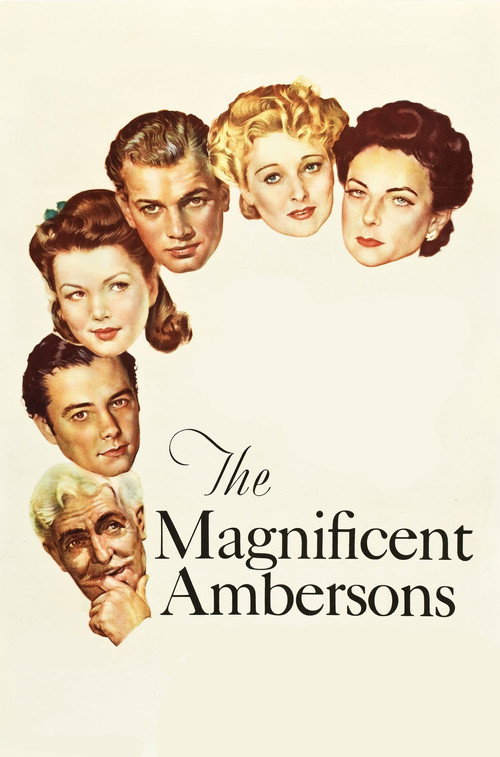
The Magnificent Ambersons1942
Both films are about class and power, but *The Prince and the Showgirl* is a world where charm wins the day and love transcends hierarchy. *The Ambersons* is what happens when it doesn't—when the social order reasserts itself and kindness cannot defeat time. Watch them as philosophical opposites.
Orson Welles' film about American wealth, inheritance, and the social order crumbling. It's in black and white, it's genuinely tragic, and it's structured around the collapse of a family's certainty about their place in the world.
But It's the opposite of Monroe's film in every way that matters: serious, dark, visually austere, and ending in genuine loss. It's a commitment.
People
Cast
 Marilyn MonroeElsie
 Laurence OlivierThe Regent
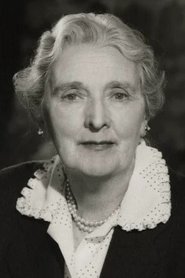 Sybil ThorndikeThe Queen Dowager
 Richard WattisNorthbrook
 Jeremy SpenserKing Nicolas
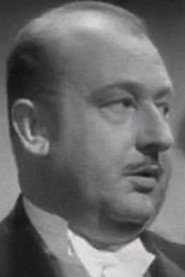 David HorneThe Foreign Office
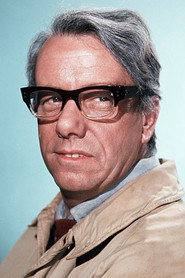 Harold GoodwinCall Boy
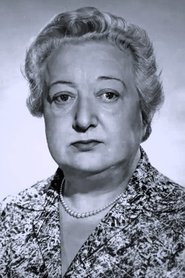 Gladys HensonDresser
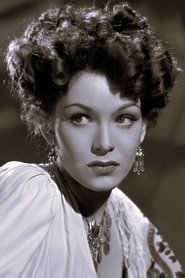 Jean KentMaisie Springfield
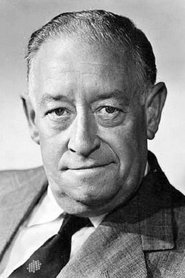 Charles VictorTheatre Manager
 Daphne AndersonFanny
 Vera DayBetty
Directing
- Anthony BushellAssistant Director
- David W. OrtonAssistant Director
- Elaine SchreyeckContinuity
- Laurence OlivierDirector
- David TringhamThird Assistant Director
- Geoffrey HaineThird Assistant Director
- Luciano SacripantiThird Assistant Director
Writing
- Terence RattiganScreenplay
- Terence RattiganTheatre Play
Production
- Weston Drury Jr.Casting
- Hugh PercevalExecutive In Charge Of Production
- Marilyn MonroeExecutive Producer
- Milton H. GreeneExecutive Producer
- Laurence OlivierProducer
- David MayslesProducer's Assistant
- Edward JosephProduction Manager
- Norma GarmentProduction Secretary