
Film
Song Without End
A ravishing 1960 biopic of Franz Liszt, the virtuoso pianist whose genius matched his appetites. Dirk Bogarde embodies the artist torn between performance and passion, set against lush classical-era Europe. A film for those who love romantic spectacle, gorgeous music, and the contradiction between private desire and public devotion.
Should you watch it?
Watch it if you like lavish period melodrama where the music carries as much weight as the romance, and you don't mind a big, old-fashioned film that takes its composer's passions very seriously.
Skip it if you want a lean, modern biopic that trims its subject down to a few sharp scenes; this one is expansive, sentimental and happy to linger over salons and gowns.
What it asks of you: Expect nearly two and a half hours of sweeping, unhurried storytelling, with romantic upheavals arriving slowly and the tone staying earnest rather than ironic.
Not sure? Find tonight's pick in a minute.
If you liked this
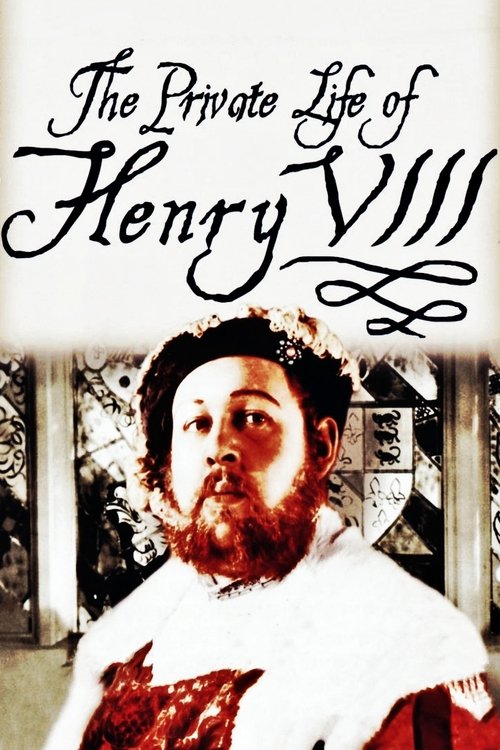
The Private Life of Henry VIII1933
Charles Laughton's bravura performance captures a powerful man undone by his appetites and insecurities, much like Bogarde's Liszt. Both explore how charisma and ambition can't shield you from heartbreak.
But The 1933 production values haven't aged as gracefully as the script. Some may find Laughton's theatricality a touch much even by period standards.
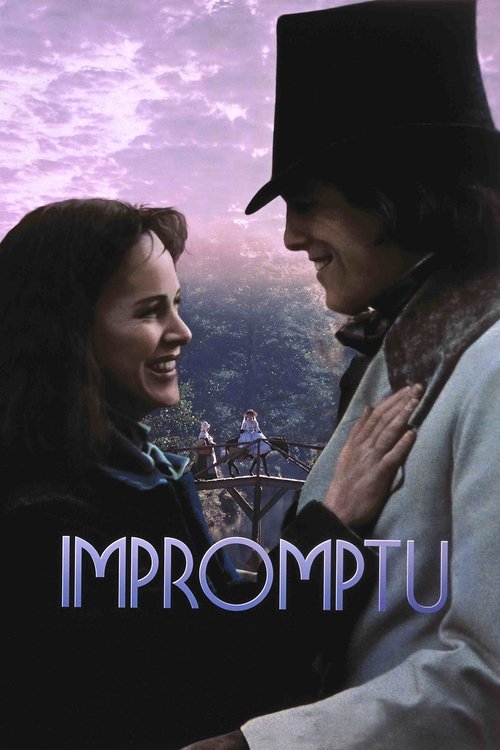
Impromptu1991
Judy Davis as George Sand in this fizzy romantic adventure set in the same musical world as Liszt. It captures the era's passion for art, lovers, and the refusal to play by society's rules.
But Tonally it's lighter and more comedic than Song Without End, prioritising fun over the ache of impossible love.
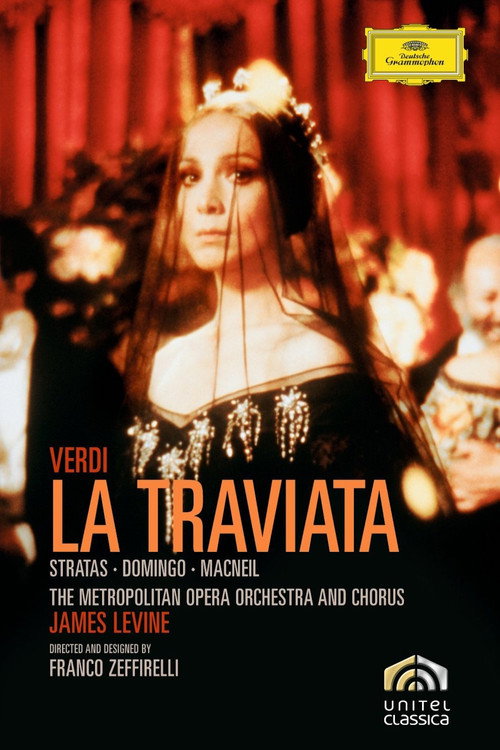
La traviata1982
Franco Zeffirelli's operatic adaptation explores a woman sacrificing everything for love against impossible circumstances. The same blend of music, beauty, and doomed romance that animates Liszt's story.
But It's an opera film—if sung dialogue feels like a barrier rather than a feature, this won't convert you.
Not sure tonight? Get a pick in a minute, starting from Song Without End
The wildcard
Something you would not have found on your own.
The Red Shoes1948
Both films are about virtuosos who cannot have both their art and their beloved. But where Song Without End finds beauty in compromise, The Red Shoes insists that such compromises destroy you.
Powell and Pressburger's masterpiece about a dancer destroyed by the impossible demand to choose between art and love. Visually sublime, morally urgent, and shot through with the same tragic glamour as Liszt's story—but the agony is front and centre, not softened.
But The ending is devastating in ways the film doesn't flinch from. Some may find it brutal rather than romantic.

More like this (8)
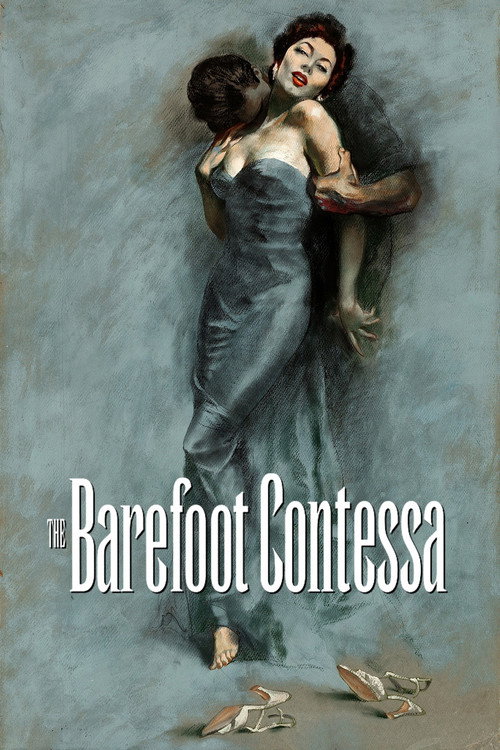
The Barefoot Contessa1954
Ava Gardner as an artist destroyed by her own legend and the men who orbit her. A cynical, gorgeous examination of fame, beauty, and the cost of being desired.
But Gardner's character is more victim than Liszt's; some may find the misogyny of its worldview exhausting rather than reflective.
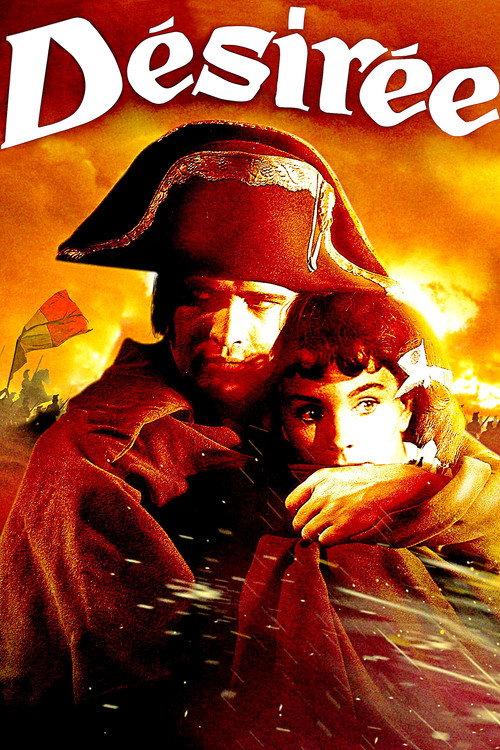
Désirée1954
Jean Simmons and Marlon Brando in a sweeping historical romance that finds the messy human story inside grand historical events. Lavish, romantic, and surprisingly moving.
But Brando's Napoleon carries an odd California accent that pulls you out of the period. The plot meanders at times.
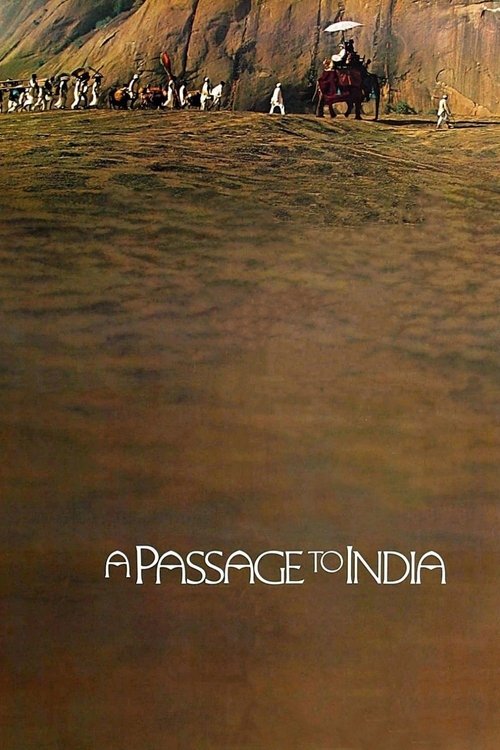
A Passage to India1984
David Lean's final epic, concerned with art, longing, and the impossibility of connection across unbridgeable differences. Both it and Song Without End wrestle with what we owe to passion versus duty.
But It's nearly three hours and deliberately paced. The film prioritises atmosphere over plot momentum.
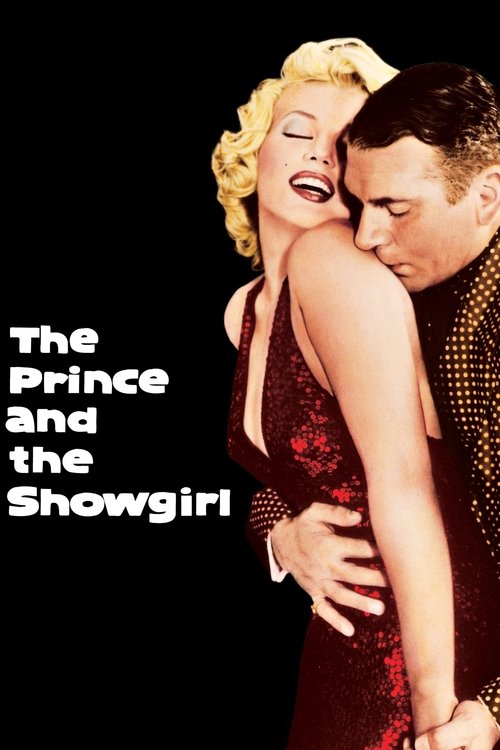
The Prince and the Showgirl1957
Laurence Olivier and Marilyn Monroe as two artists from opposite worlds navigating attraction, ego, and compromise. A lighter touch on similar themes of public persona versus private desire.
But Monroe's comedy can feel broader than Liszt's tragedy. Some find the film's gender dynamics dated.
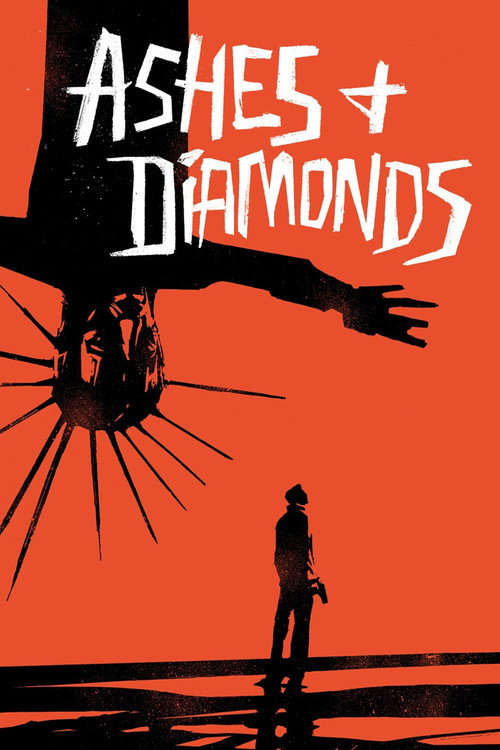
Ashes and Diamonds1958
Andrzej Wajda's masterpiece about a man torn between his public duty and private longings in a collapsing world. Visually stunning and emotionally complex about the self we perform.
But Polish cinema of this era is not for those who need plot clarity or emotional catharsis. It lingers in ambiguity.
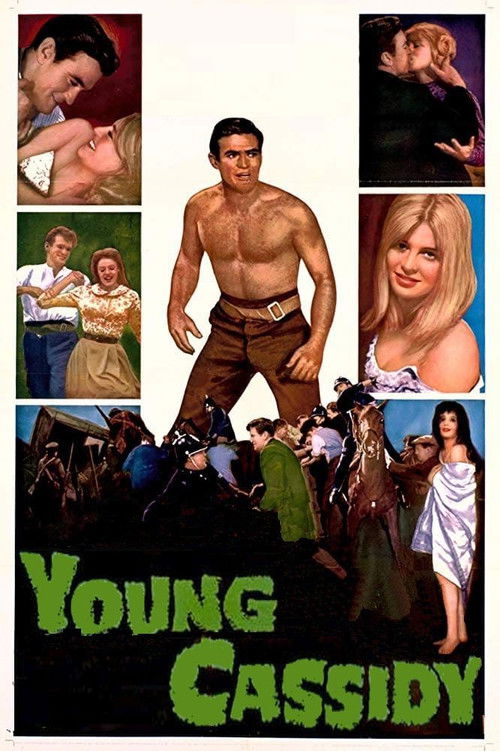
Young Cassidy1965
Rod Taylor as Sean O'Casey, an artist navigating love, ambition, and the pressure to remain true to your work. A quieter, more introspective take on the artist's dilemma.
But It's a lesser-known biopic that can feel slight compared to Song Without End's operatic scale. The romance subplot doesn't entirely convince.
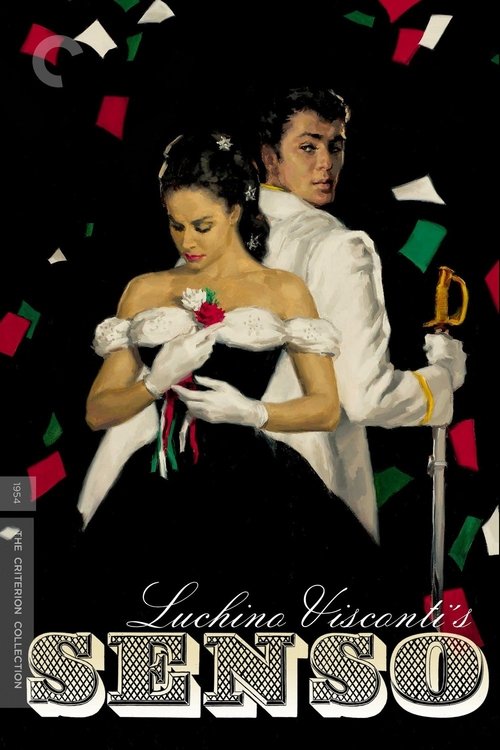
Senso1954
Both centre on beautiful, cultivated people torn apart by impossible love in richly detailed European settings. Senso simply refuses to look away from the cost.
Luchino Visconti's operatic melodrama about a woman who destroys herself for a man in wartime Venice. Visually baroque, morally savage, drenched in music and colour. It's what Song Without End might be if it dared to show the wreckage.
But Visconti's register is deliberately artificial and excessive. The heroine's suffering is never prettified or made palatable.
Bitter Lake2015
Both grapple with how we mythologise artists and lovers, and how the stories we tell about passion blind us to truth. Curtis just doesn't believe in the myths at all.
Adam Curtis's two-hour essay film on power, art, and the West's romantic misunderstandings. Strange, challenging, assembled from archival footage set to surprising music. It won't tell you what to think, but it will crack open how you think.
But Curtis's work is elliptical and deliberately unsettling. If you want narrative clarity or conventional argument, this will frustrate you.
People
Cast
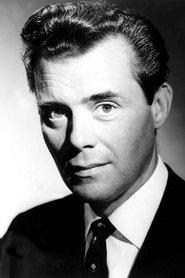 Dirk BogardeFranz Liszt
 CapucinePrincess Carolyne Wittgenstein
 Geneviève PageCountess Marie D'Agoult
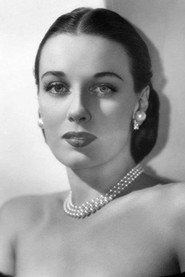 Patricia MorisonGeorges Sand
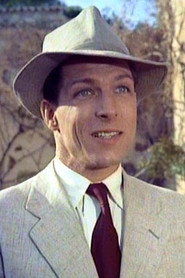 Lyndon BrookRichard Wagner
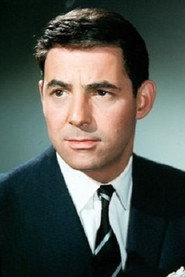 Alexander DavionFrederic Chopin
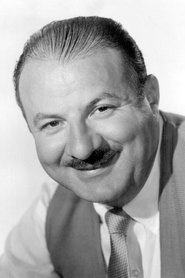 Lou JacobiPotin
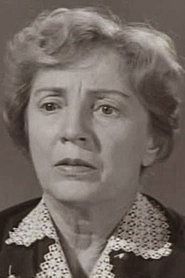 Katherine SquireAnna Liszt
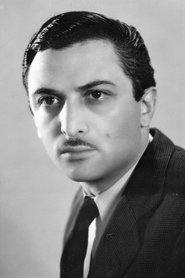 Marcel DalioChelard
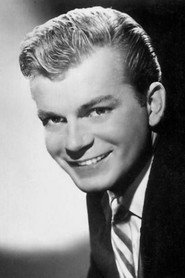 Albert RueprechtPrince Felix Lichnowsky
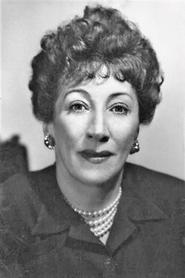 Martita HuntGrand Duchess
Directing
- Carter DeHaven Jr.Assistant Director
- Charles VidorDirector
- George CukorDirector
Writing
- Oscar MillardWriter
Production
- William GoetzProducer