
Film
Carnegie Hall
A 1947 musical drama that weaves a modest story of an Irish immigrant working at Carnegie Hall around genuine performances by classical music's biggest names. It's a love letter to live music and the grandeur of New York's concert life, mixing melodrama with real artistry. For anyone who loves classical music, Old Hollywood, or the romance of cultural institutions.
If you liked this
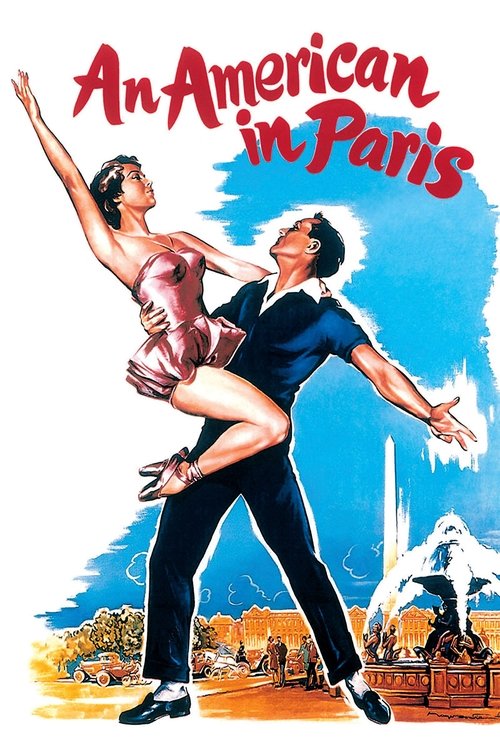
An American in Paris1951
A gorgeous MGM musical that celebrates classical music and Paris with the same reverence Carnegie Hall has for New York. Gershwin's score is transcendent, and the dancing is pure joy. One of cinema's most beautiful films.
But It's long, and the second half is largely an extended ballet sequence that some find indulgent rather than moving.
Singin' in the Rain1952
The greatest musical ever made: funny, innovative, impeccably crafted, with three perfect lead performances. It has the same nostalgic love for entertainment and live performance that Carnegie Hall carries, but with genuine wit.
But The tone shifts sharply in the third act from frivolous to serious, which throws some viewers; not everyone loves Gene Kelly's extended dance solos.

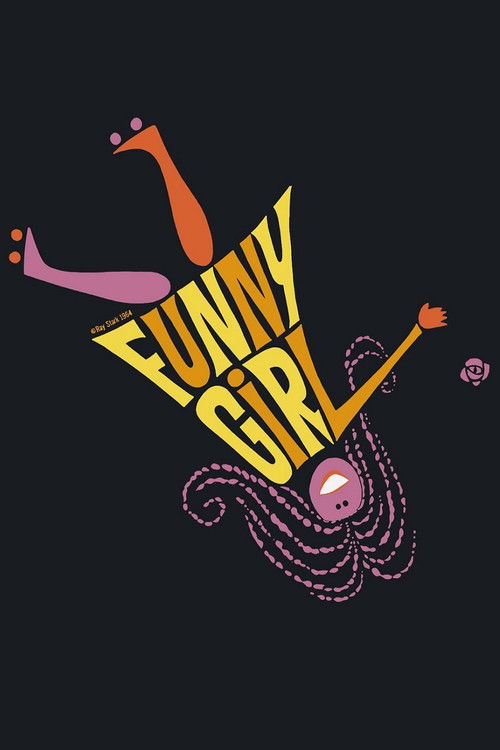
Funny Girl1968
Streisand's star-is-born story centres on Carnegie Hall itself—that's where the emotional climax lands. It's about an outsider making it in entertainment, just like Carnegie Hall explores, but with more glamour and verve.
But The second half loses steam as the plot turns domestic; Streisand's dominance means other characters fade to background.
Not sure tonight? Get a pick in a minute, starting from Carnegie Hall
The wildcard
Something you would not have found on your own.
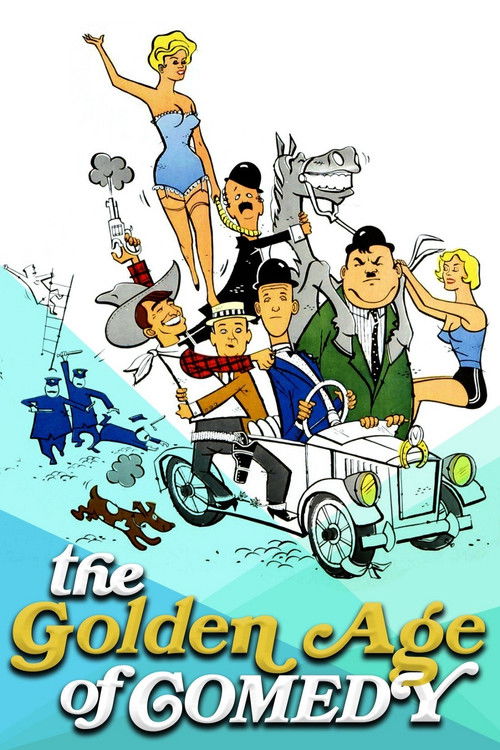
The Golden Age of Comedy1957
Both are acts of preservation—Carnegie Hall preserves classical music and the idea of the concert hall as sacred space; this documentary preserves the comedians and silent films that shaped entertainment. They're both love letters to a particular era of performance.
A documentary essay that captures the spirit of live performance and entertainment history that Carnegie Hall is trying to preserve. It's about artists making art in front of audiences, the same reverential stance, but through comedy and silent film. Structured around clips and narration, it feels like watching someone lovingly curate a museum.
But It's a compilation film with minimal narrative thrust; if you need plot and character arcs, it'll feel thin and scattered.
More like this (8)
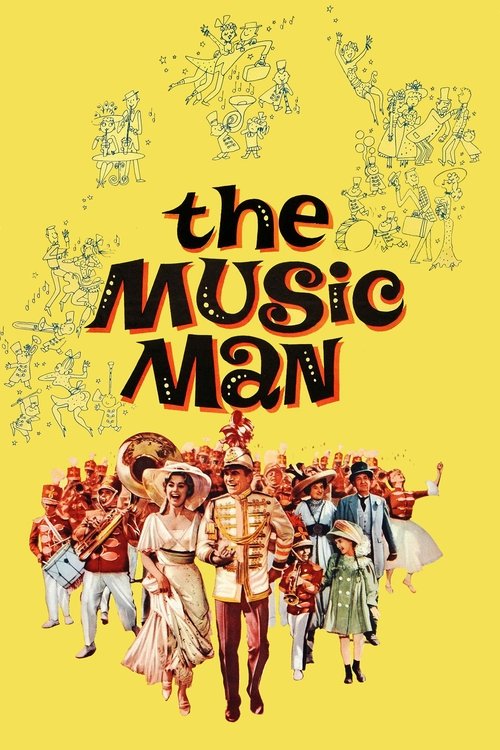
The Music Man1962
A celebration of American music and showmanship with genuine warmth and infectious optimism. It shares Carnegie Hall's faith that music matters and can transform lives, wrapped in a script that actually sparkles.
But It's unironic Americana from the 1960s, which sits uneasily for viewers who need a wink from the filmmakers; some find the earnestness saccharine.
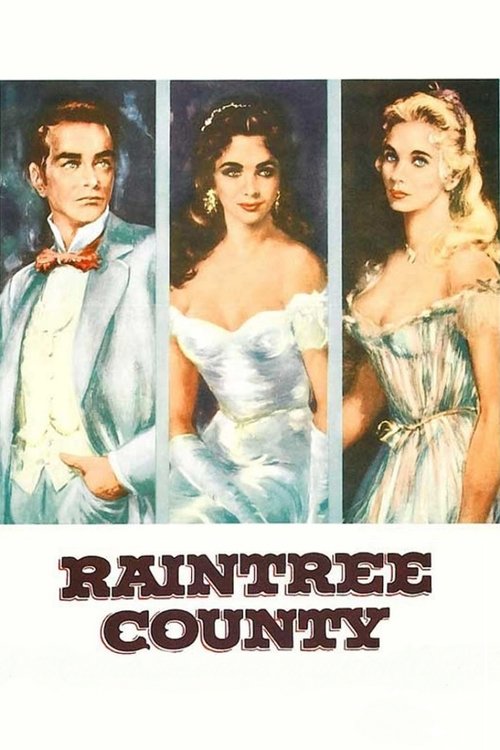
Raintree County1957
An ambitious, sweeping drama with classical music woven through its score. It has the same epic feel and romantic scope as Carnegie Hall, trying to capture something grand about American life.
But It's bloated and uneven, with a three-hour runtime that doesn't quite justify itself; the plot meanders and some sequences feel stuck in.
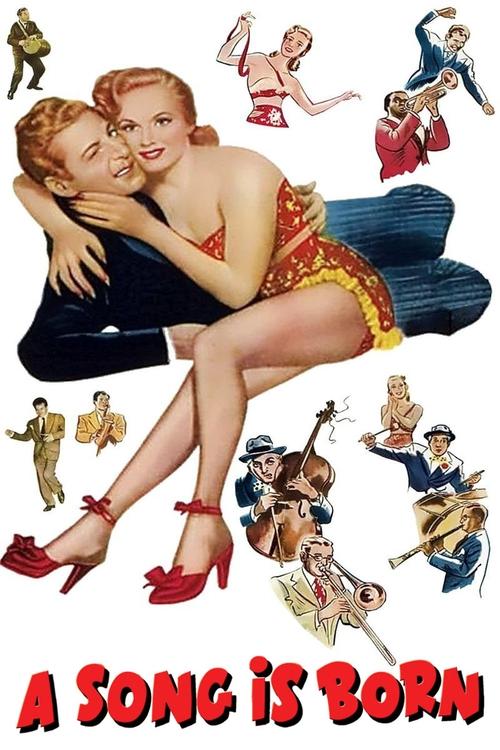
A Song Is Born1948
Made the same year Carnegie Hall was, this Danny Kaye comedy uses jazz and swing the way Carnegie Hall uses classical music—as a celebration of living art. It's lighter and sillier, but the DNA is there.
But The humour is broad and dated; Kaye's performance will charm some and exhaust others. The plot is negligible.
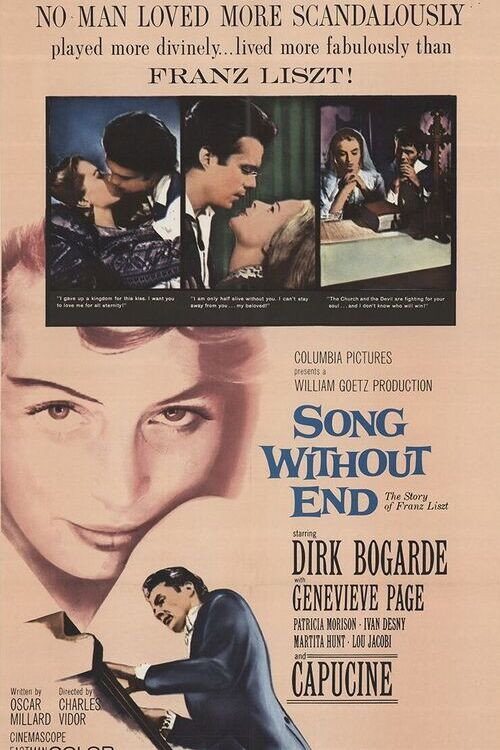
Song Without End1960
A biopic of Liszt that luxuriates in romantic classical music and 19th-century grandeur. It has the same reverence for classical performance, with gorgeous Technicolor and Dirk Bogarde carrying the emotion.
But It's musically shallow beneath the gorgeous surface; the script treats Liszt as a romantic hero rather than investigating anything real about him.
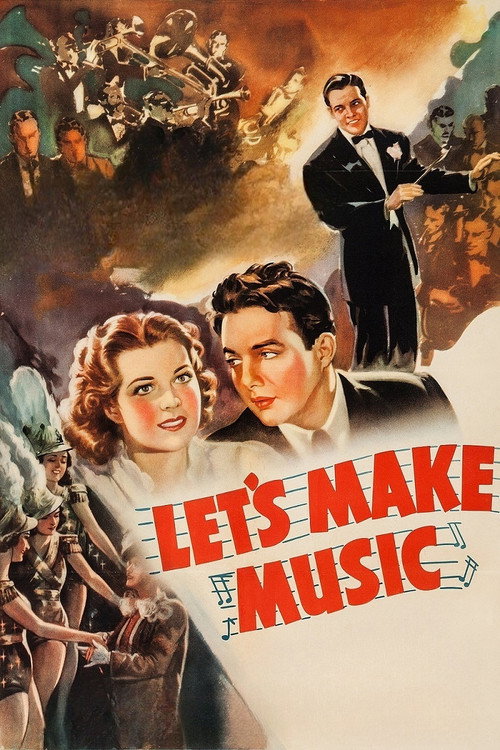
Let's Make Music1941
A charming earlier take on the outsider-finds-themselves-through-music theme, with Joseph Calleia and Bob Crosby's orchestra. It has the earnest optimism about cultural institutions that Carnegie Hall celebrates.
But It's slight and forgotten for good reason; the plotting is thin and performances uneven. It doesn't stick with you.
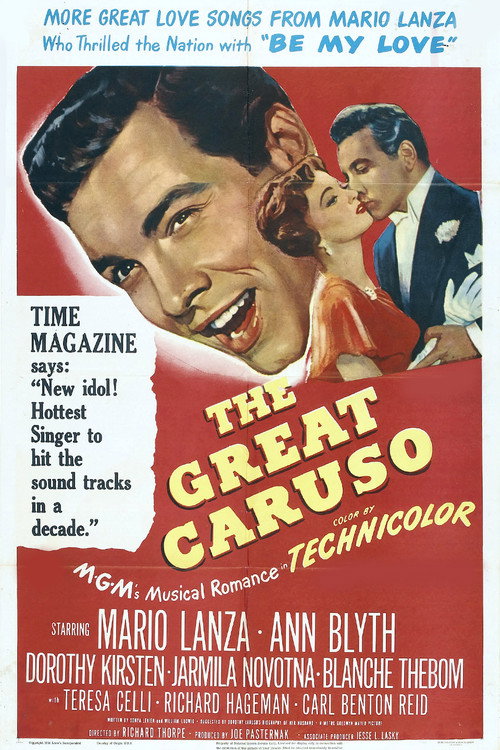
The Great Caruso1951
Mario Lanza vehicles are treasures if you love operatic voices; this one lets him loose on famous arias and duets. It shares Carnegie Hall's instinct to build drama around genuine musical greatness.
But Lanza's acting is thin and narcissistic; the film exists chiefly as a vehicle for his voice, and everyone else is backdrop.
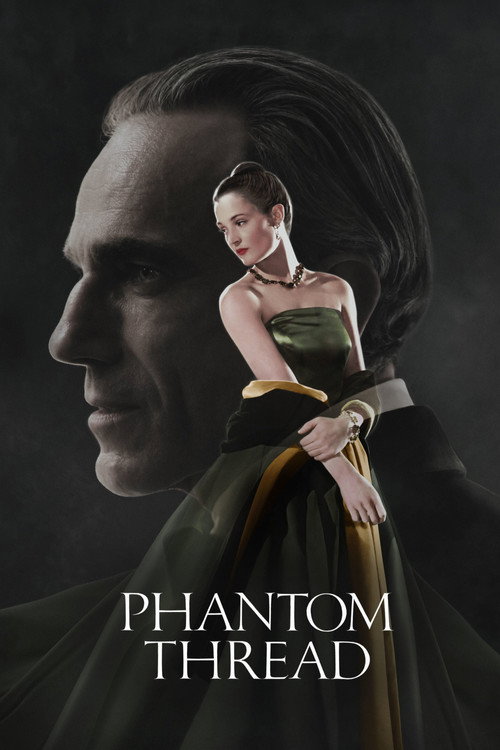
Phantom Thread2017
Both films centre on characters whose lives are shaped by proximity to genius and artistic ambition. But where Carnegie Hall celebrates that alignment, Phantom Thread interrogates its damage. Different answers to the same question: what does it mean to live for art?
An obsessive exploration of craft, artistry, and the dangerous intensity that genius demands. The relationship between Reynolds Woodcock and his muse echoes the drama of Carnegie Hall's romance with art, but inverted—it's about the cost of devotion, how beauty can become consuming and toxic.
But It's slow, mannered, and glacial; the intimacy feels cold. The ending divides viewers sharply about whether it's romantic or horrifying.
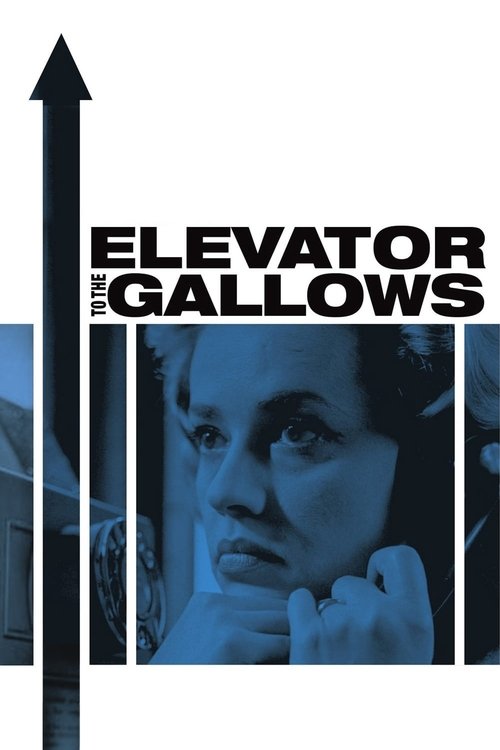
Elevator to the Gallows1958
Carnegie Hall worships classical music; this film worships jazz in the exact same way—as a force that gives life meaning and urgency. Both suggest that certain kinds of music matter more than most things people do.
A French crime thriller with a Miles Davis score that proves the power of live jazz to carry emotion and meaning. It's as much about the music as the plot—the saxophone is a character. The opposite register from Carnegie Hall but the same deep belief that music can make you feel alive.
But It's a 1950s French noir about a heist and infidelity; if you're expecting something warmer or more plot-driven, it'll feel arch and detached.
People
Cast
 Marsha HuntNora Ryan
 William PrinceTony Salerno Jr.
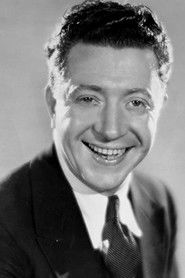 Frank McHughJohn Donovan
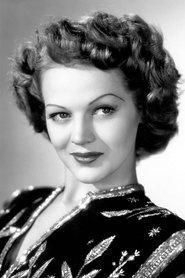 Martha O'DriscollRuth Haines
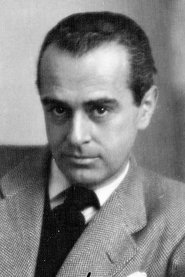 Hans JárayTony Salerno Sr.
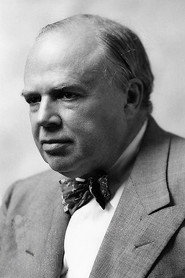 Olin DownesOlin Downes
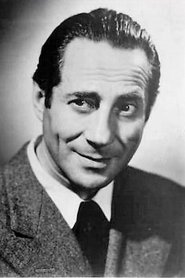 Joseph BuloffAnton Tribik
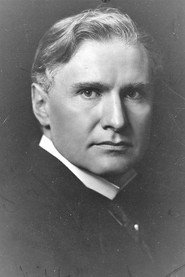 Walter DamroschWalter Damrosch
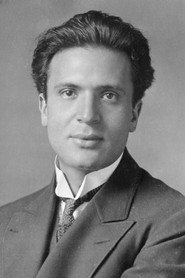 Bruno WalterBruno Walter
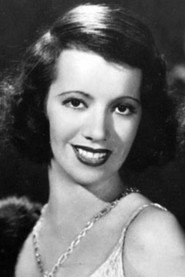 Lily PonsLily Pons
- Gregor PiatigorskyGregor Piatigorsky
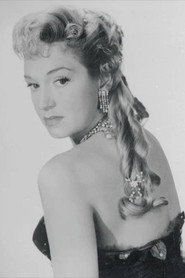 Risë StevensRisë Stevens
Directing
- Sal Scoppa Jr.Assistant Director
- Edgar G. UlmerDirector
Writing
- Karl KambScreenplay
- Seena OwenStory
Production
- Boris MorrosProducer
- William LeBaronProducer