
Film
The Golden Age of Comedy
- Slapstick
- Light-hearted
Robert Youngson's 1957 love letter to silent comedy pulls together the best moments from the era's greatest clowns—Laurel and Hardy, Will Rogers, the Keystone Cops—and lets them breathe without modern irony. It's not a documentary lecture; it's a celebration that trusts the material's genius. For anyone curious about where all comedy came from, or anyone who's ever wondered if silent films could actually be funny.
Should you watch it?
Watch it if you love the physical gags of silent slapstick and want to see a parade of its best-known faces strung together with little fuss, the way a fan would hand a reel of favourites to a friend.
Skip it if you want a story with a plot and a character arc; this is a loose collection of clips with a voice-over, so the momentum is episodic and the commentary can feel dated.
What it asks of you: A brisk 79 minutes of clips, one bit tumbling into the next, with little time to settle; you mostly watch and laugh rather than follow anything.
Not sure? Find tonight's pick in a minute.
If you liked this
Singin' in the Rain1952
A musical that worships at the altar of silent comedy while exploding into colour and song. Nods to Chaplin and Keaton are woven into its DNA, making it the perfect companion piece to Youngson's archive survey.
But If you're not in the mood for a song every ten minutes or don't find Gene Kelly's relentless perkiness charming, the tone might feel saccharine.

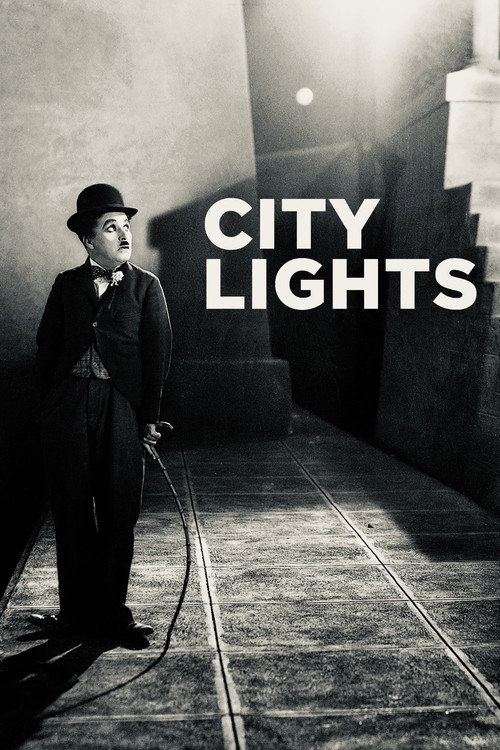
City Lights1931
Chaplin's masterpiece and the gold standard of what silent comedy could achieve—tender, hilarious, devastating. If Youngson makes you curious, this is the thing to watch next; it's the peak.
But The sentimentality of the ending won't land if you're allergic to pathos, and at 87 minutes it demands your full attention.
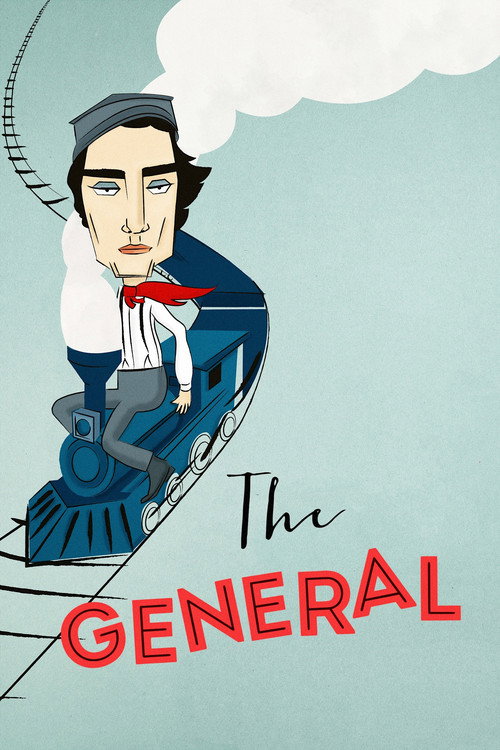
The General1926
Buster Keaton at his most audacious, performing impossible stunts while barely cracking a smile. It's pure cinema—no dialogue, just action and composition and timing so perfect it hurts.
But The pacing is slow by modern standards, and Keaton's stone face reads as cold if you're not already tuned to his wavelength.
Not sure tonight? Get a pick in a minute, starting from The Golden Age of Comedy
The wildcard
Something you would not have found on your own.
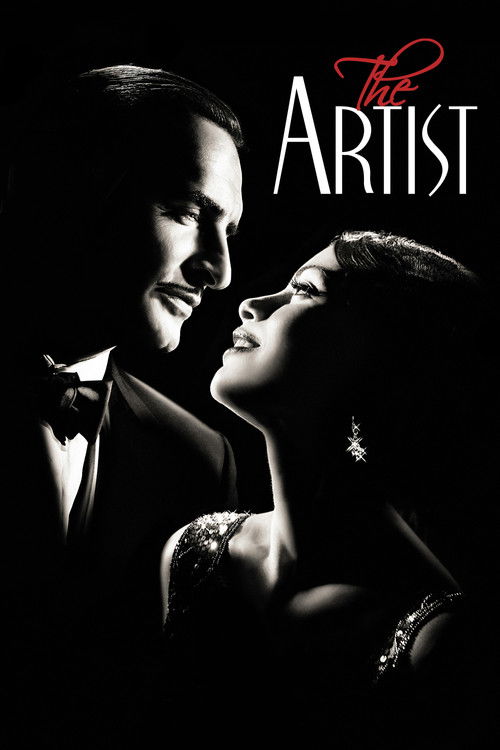
The Artist2011
Both are acts of resurrection—Youngson showing what was great about the form, The Artist showing what was lost when it 'progressed'.
A love letter to silent cinema made in black and white, with a real orchestra, about a movie star losing his place when sound arrives. It's what happens when a modern filmmaker falls in love with what Youngson documents—applied as metaphor and mourning.
But The pastiche can feel cloying, and the emotional turn in the second half divides viewers sharply—some find it profound, others find it maudlin.
More like this (8)
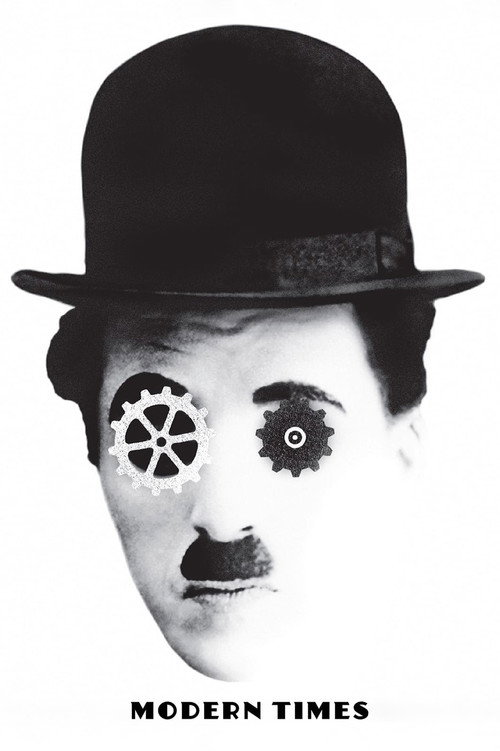
Modern Times1936
Chaplin's final silent film pairs slapstick brilliance with genuine rage at the machine age. Funny and furious in equal measure, it proves silent comedy wasn't just entertainment—it was art.
But The political edge makes it heavier than pure fun, and some gags feel dated in ways that others don't.
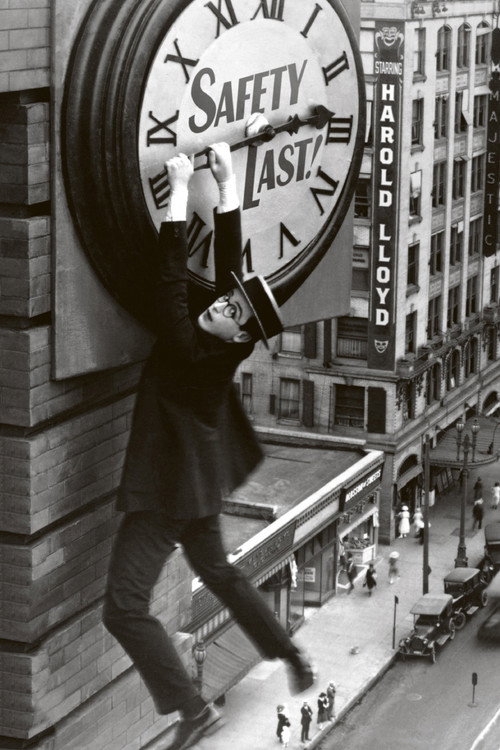
Safety Last!1923
Harold Lloyd climbing a skyscraper in real life, heart in throat. It's a thrill ride that's also hysterically funny—proof that comedy and genuine danger aren't mutually exclusive.
But The dated attitudes toward women and Blackface gags in some sequences are difficult, and the premise itself is basically a long, repetitive setup.
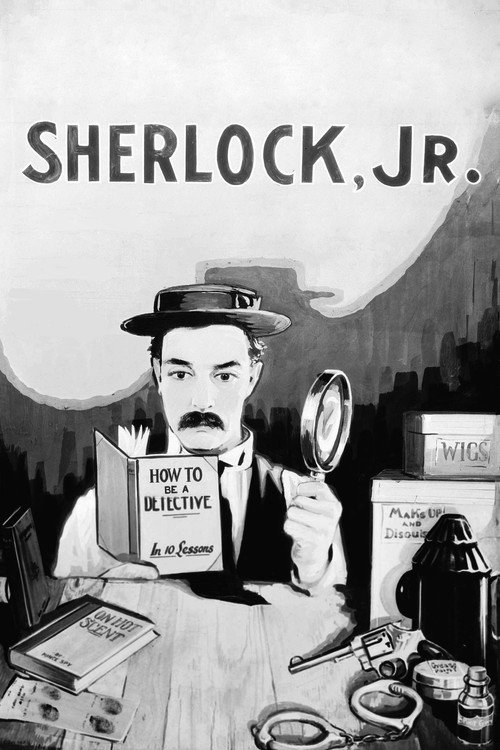
Sherlock Jr.1924
Keaton dreams himself into a movie, and the film becomes a hall of mirrors of impossibility and joy. It's short, endlessly inventive, and contains some of the most imaginative comedy ever committed to film.
But At 45 minutes it can feel insubstantial if you're expecting a full story, and the emotional weight is deliberately paper-thin.
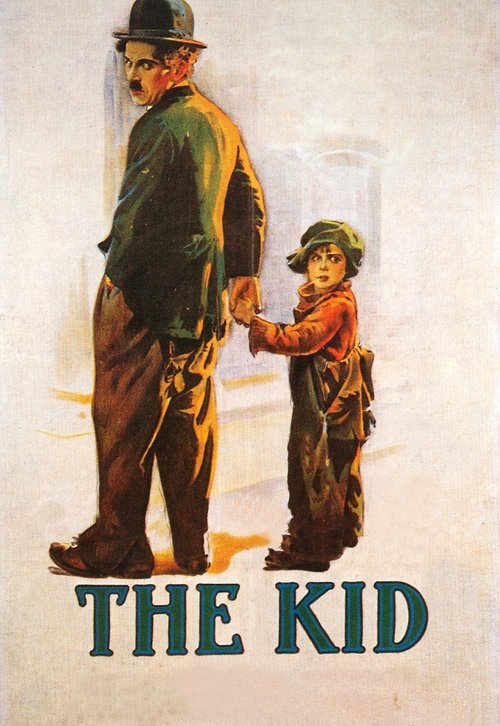
The Kid1921
Chaplin and child actor Jackie Coogan form a bond over five reels, blending laughter with genuine heartbreak. It's the template for everything that came after—funny because it matters.
But The melodrama will feel overwrought if you prefer your comedy divorced from sentiment, and Chaplin's mugging is thick enough to spoil the mood if you're not with it.
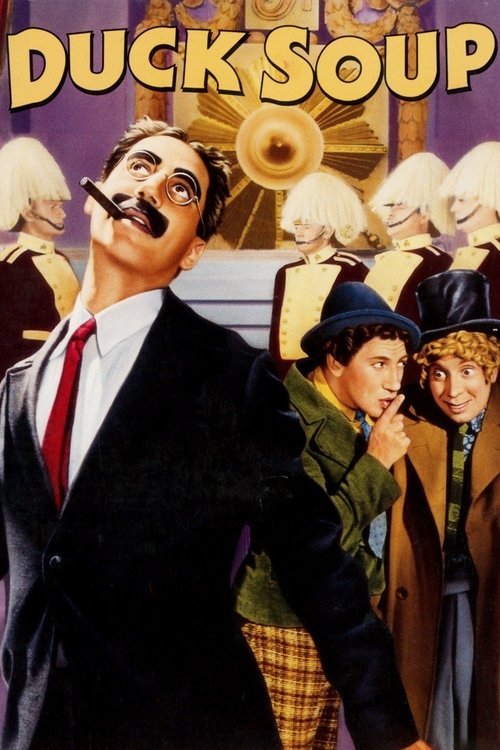
Duck Soup1933
The Marx Brothers at peak anarchy, tearing apart the logic of plot and language itself. Every scene is a assault of gags, non-sequiturs, and musical numbers—controlled chaos.
But There's no real story to speak of, just chaos, which exhausts some viewers rather than exhilarates them.
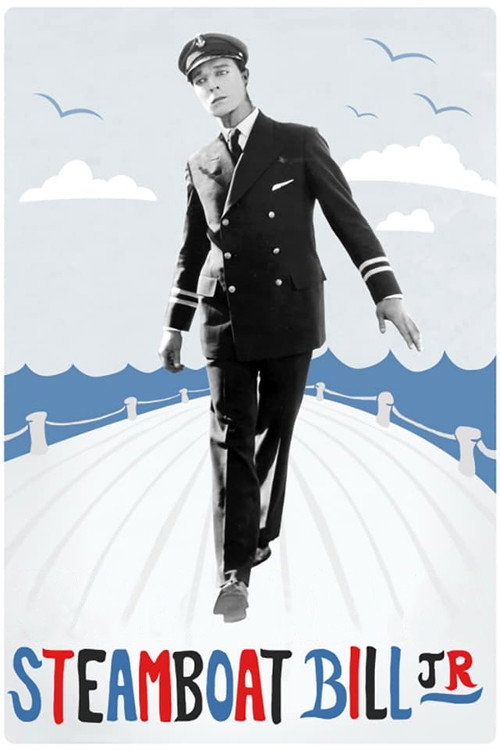
Steamboat Bill, Jr.1928
Keaton and a cyclone create a perfect storm of slapstick engineering. The set pieces are audacious, the timing is immaculate, and it's criminally short—you'll want more.
But It's essentially a series of stunts without much connective tissue, so if you're craving a real plot you'll be disappointed.
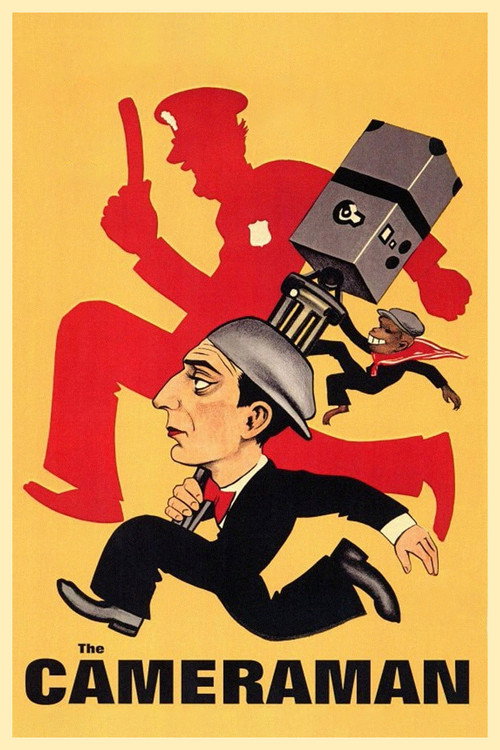
The Cameraman1928
Where Youngson shows you the highlights, this reminds you that the best silent comedians were doing intimate character work inside the gags—technique and feeling inseparable.
Keaton playing an everyman schmoozing his way into journalism feels lightweight until suddenly it's about class, failure, and the dignity of trying. It's comedy that knows how to break your heart in 69 minutes.
But The misogyny of the courtship plot is period-specific but difficult, and the tonal shifts might feel like they don't quite cohere.
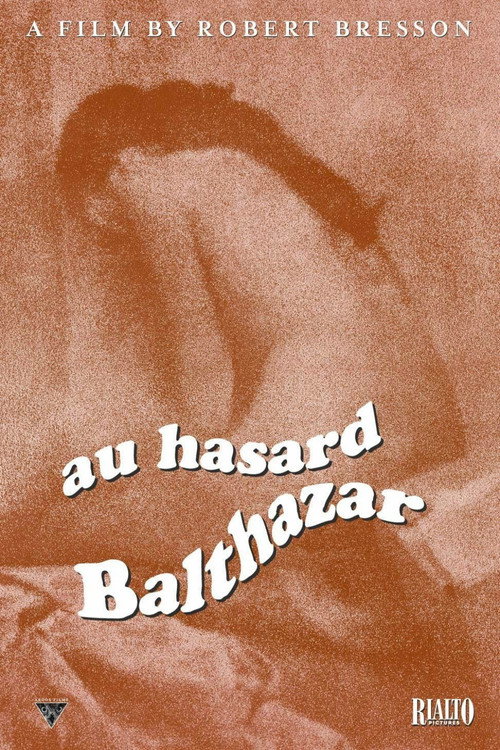
Au Hasard Balthazar1966
Both trust the image absolutely, both understand that the deepest things can be communicated without dialogue, and Balthazar is what silent cinema's grammar became in the hands of someone with Bresson's austerity.
Bresson's film about a donkey's life is not comedy, and it's not silent—but it proves that the visual storytelling Youngson celebrates never died. It's the spiritual descendant of silent cinema, using image and rhythm to bypass words entirely.
But It's slow, austere, difficult, and philosophically bleak—about as far from laughs as cinema gets. Only for viewers ready to sit with discomfort.
People
Cast
 Stan Laurelarchive footage
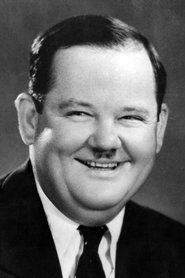 Oliver Hardyarchive footage
- Ward WilsonVoice
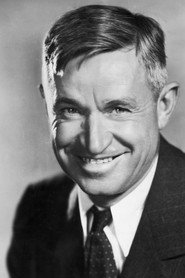 Will Rogersarchive footage
 Carole Lombardarchive footage
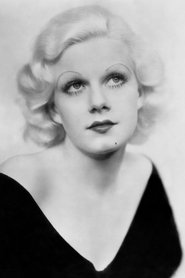 Jean Harlowarchive footage
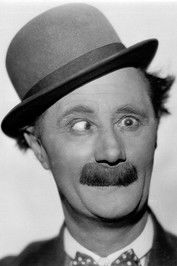 Ben Turpinarchive footage
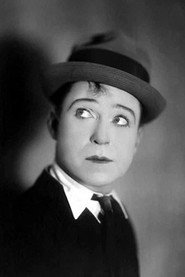 Harry Langdonarchive footage
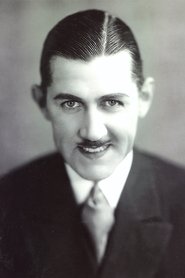 Charley Chasearchive footage
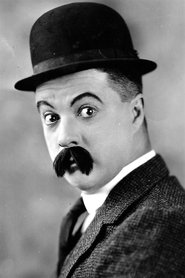 Billy Bevanarchive footage
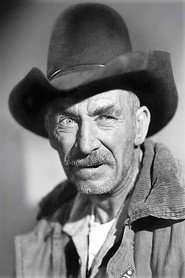 Andy Clydearchive footage
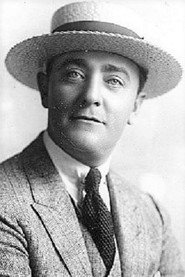 Harry Gribbonarchive footage
Directing
- Robert YoungsonDirector