
Film
Modern Times
Modern Times is Chaplin's farewell to silence — a nearly wordless comedy about a man ground up and delighted by industrial life, threaded with a tender, hopeful romance. It's slapstick as social commentary: conveyor belts, revolving doors, roller skates skimming the edge of disaster. Funny, sweet, occasionally bleak, it's for anyone who wants comedy with a conscience and a soft heart underneath the pratfalls.
If you liked this
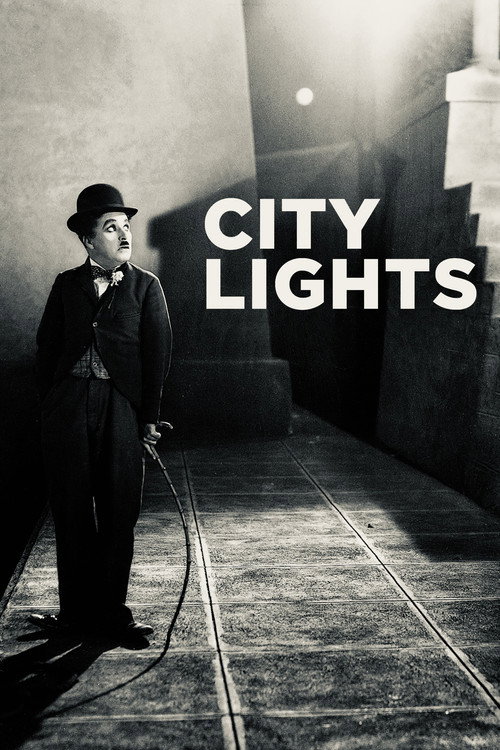
City Lights1931
Chaplin's Tramp at his most heartbreaking and hilarious, wooing a blind flower girl in a film that swings from boxing-ring slapstick to one of cinema's most devastating final shots.
But Even more openly sentimental than Modern Times — if the ending there got to you, this one might undo you completely.
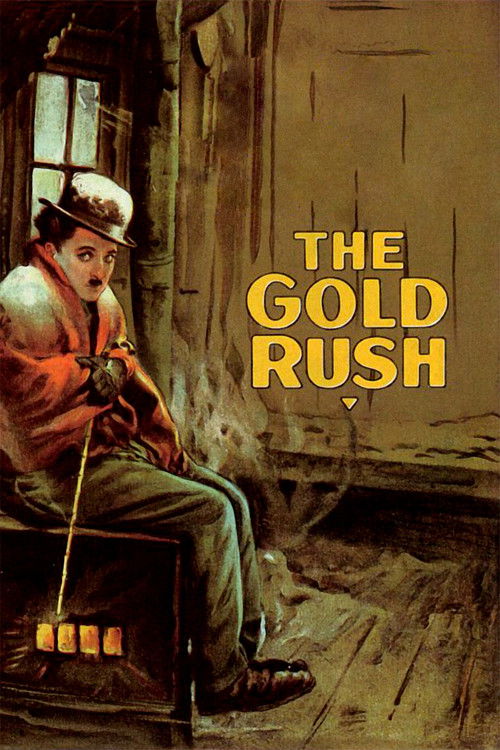
The Gold Rush1925
The Tramp starving in the Klondike, eating his own boot with genuine relish — pure physical invention from Chaplin at the height of his silent-era powers.
But Fully silent with no synchronized sound at all, so the transition can feel like a step further back in time.
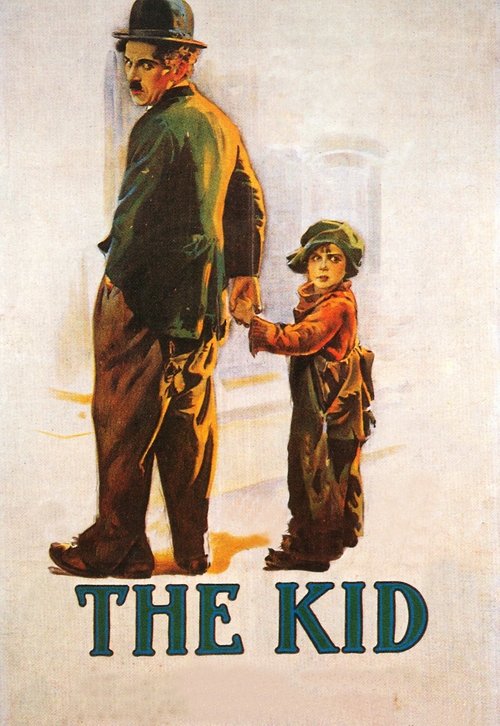
The Kid1921
The Tramp's earlier, rawer outing — a scrappy comedy about raising an abandoned child that set the template for mixing gags with real ache.
But Shorter and rougher around the edges, more a string of sketches than a fully built story.
The wildcard
Something you would not have found on your own.
À Nous la Liberté1931no page yet
Chaplin was accused, and later sued over, borrowing its factory imagery directly; watching it is like seeing Modern Times' blueprint, drawn a few years earlier by a different hand.
René Clair's satirical French musical about two escaped convicts, one of whom ends up running a phonograph factory that turns his workers into robots — assembly-line choreography years before Chaplin's.
But It's a musical, subtitled, and less character-driven than Modern Times — the satire is broader, the romance thinner.
More like this (8)
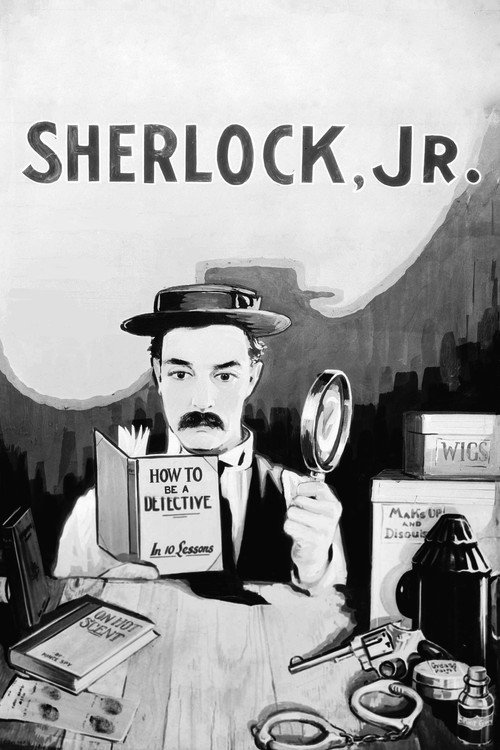
Sherlock Jr.1924
Buster Keaton's rival brand of genius: a projectionist who literally walks into the movie screen, with stunt work so precise it still looks impossible.
But Keaton's comedy is cooler and more mechanical than Chaplin's — less heart, more clockwork wonder.
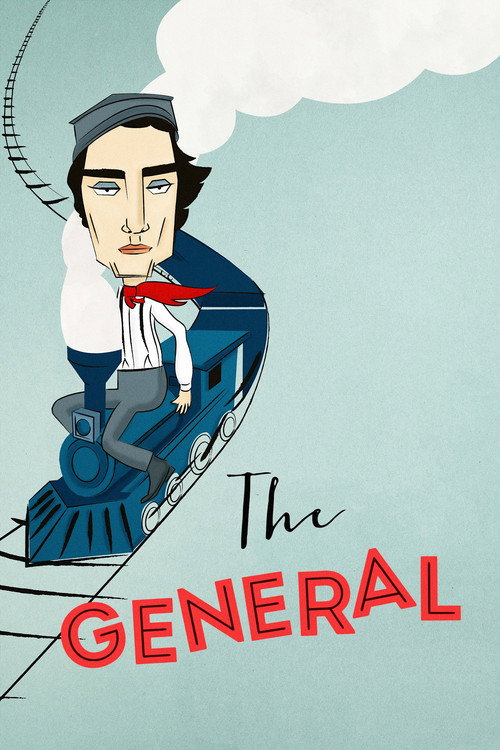
The General1926
A Civil War train chase built entirely from Keaton's deadpan derring-do, widely considered the greatest physical comedy of the silent era.
But Its humor is drier and its setting — a Confederate hero — sits uneasily for modern viewers.
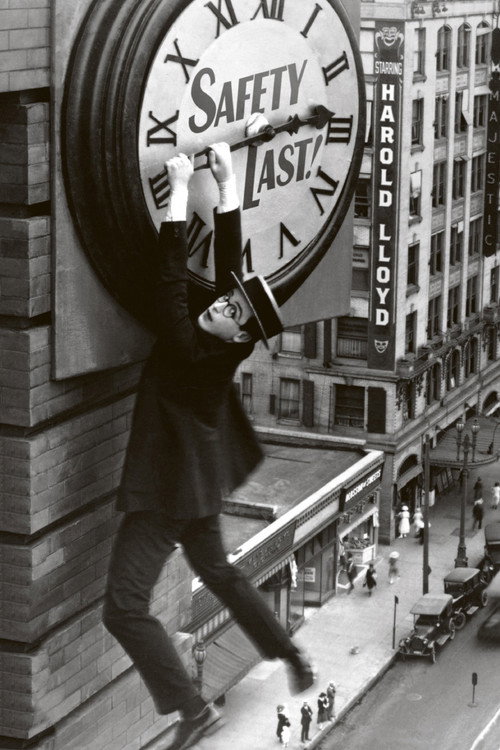
Safety Last!1923
Harold Lloyd dangling from a clock face high above the street — the third great silent clown, and the single most famous stunt of the era.
But Lloyd's persona is peppier and less melancholy than Chaplin's; the social bite of Modern Times isn't really here.
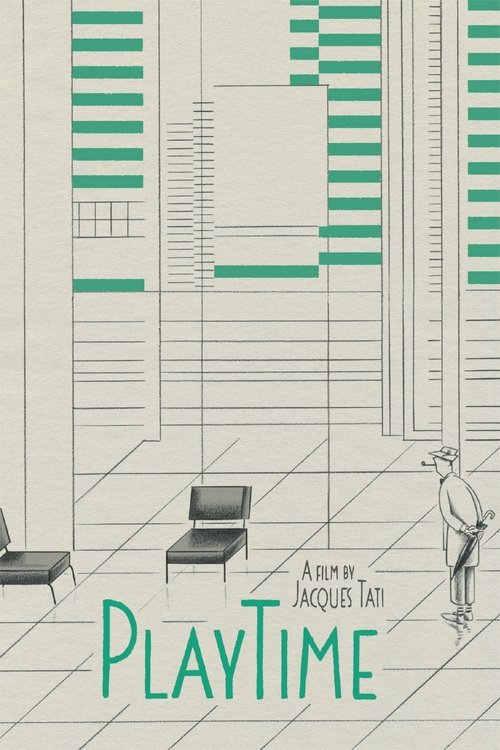
PlayTime1967
Jacques Tati's nearly wordless satire of modern architecture and gadget-obsessed life — glass offices, baffling furniture, humanity lost in its own designs.
But Almost plotless and observational; patience for its slow, wide-shot rhythms is required.
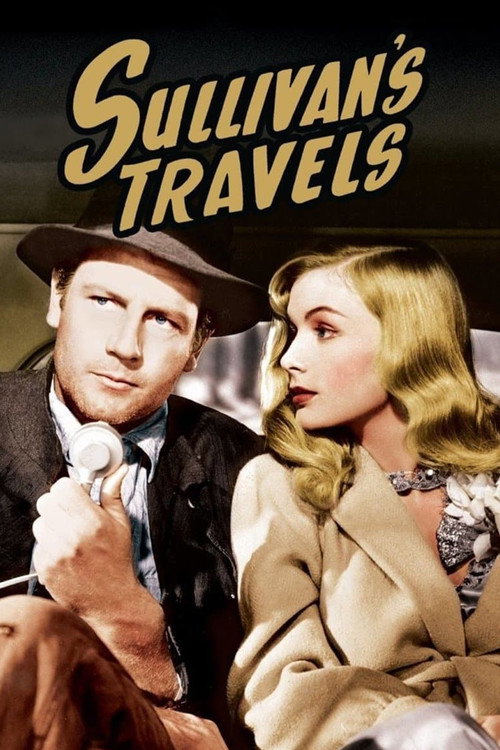
Sullivan's Travels1941
A Hollywood director sets out to experience real poverty for his art, in Preston Sturges's whip-smart argument for why comedy matters during hard times.
But Its Depression-era conscience is dressed in fast, wordy 1940s dialogue — a very different comic rhythm than Chaplin's silence.
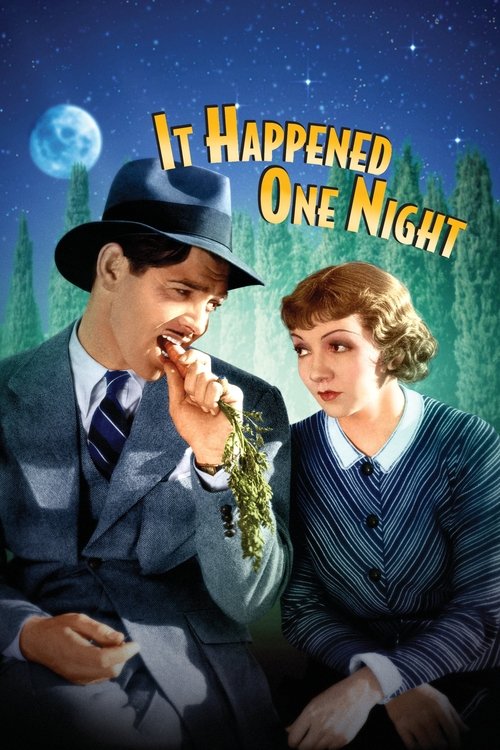
It Happened One Night1934
A runaway heiress and a broke reporter fall for each other on the road, in the screwball comedy that basically invented the genre during the Depression's darkest years.
But It's a talkie through and through, driven by rapid-fire banter rather than the visual pantomime Modern Times specializes in.
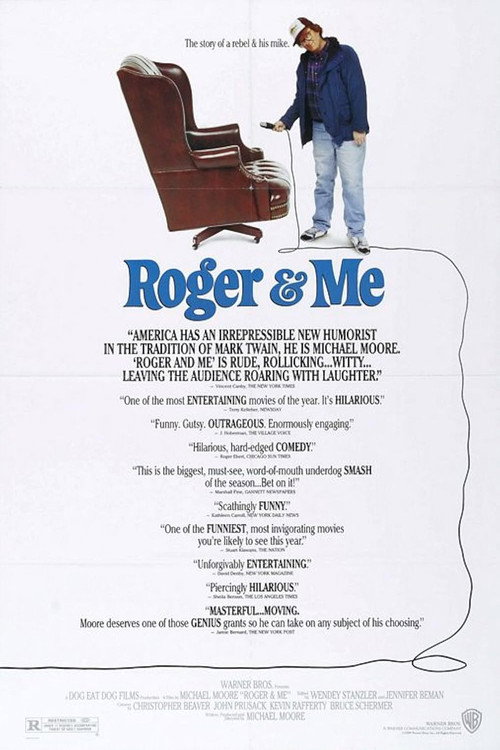
Roger & Me1989
It's Modern Times' satire with the fiction stripped away: same target, industrial capitalism eating its workers, same weapon, comedy as protest, decades later and dead serious underneath the jokes.
Michael Moore's furious, funny documentary about General Motors abandoning Flint, Michigan — real factory workers losing real jobs, filmed with the same instinct for absurdity Chaplin brought to fiction.
But There's no fictional tramp to root for, no love story — just anger, irony, and actual human wreckage.
Two Days, One Night2014
Same moral engine as Chaplin's film, a single worker up against an indifferent system that can discard anyone, but pushed into the register of grim naturalism instead of comedy.
The Dardenne brothers' unflinching drama follows a woman spending one weekend convincing coworkers to save her job — no jokes, no music, just the raw math of who gets to keep working.
But It offers none of Modern Times' warmth or slapstick relief — this is stripped-down realism about the same fear, played completely straight.

People
Cast
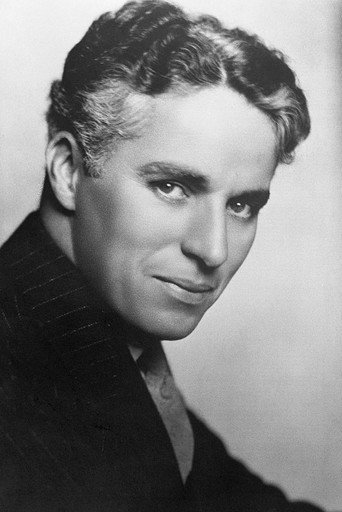 Charlie ChaplinThe Tramp (A Factory Worker)
 Paulette GoddardA Gamin
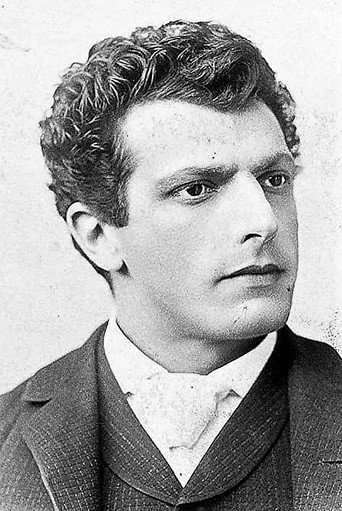 Henry BergmanCafe Proprietor
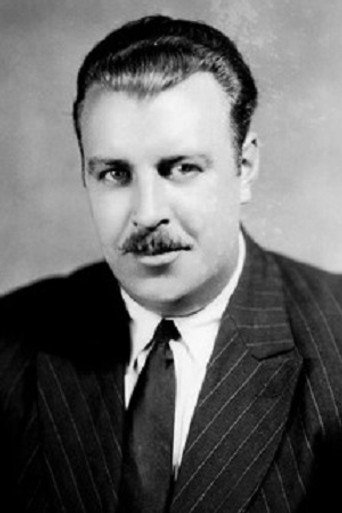 Tiny SandfordBig Bill
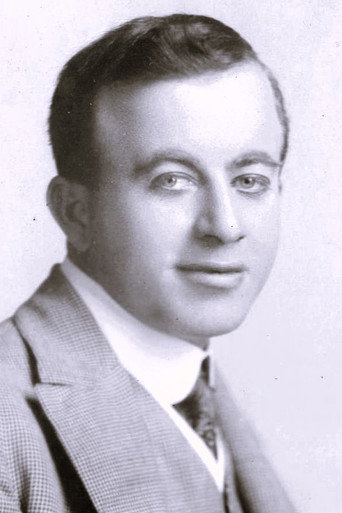 Chester ConklinMechanic
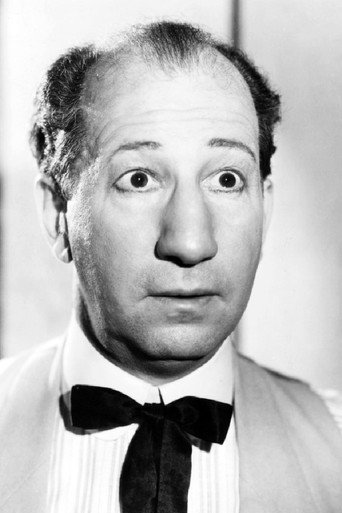 Hank MannBurglar
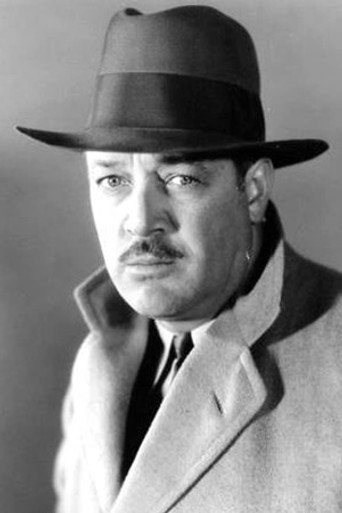 Stanley BlystoneGamin's Father
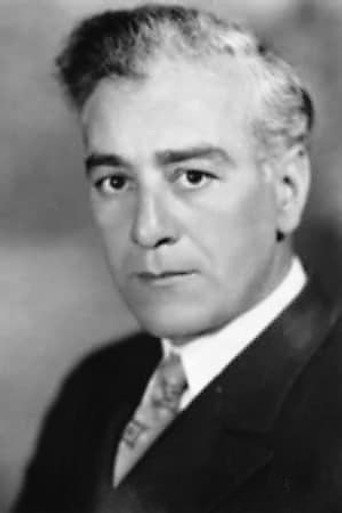 Al Ernest GarciaPresident of the Electro Steel Corp.
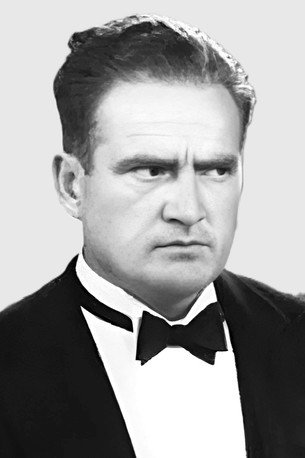 Richard AlexanderPrison Cellmate
- Cecil ReynoldsMinister
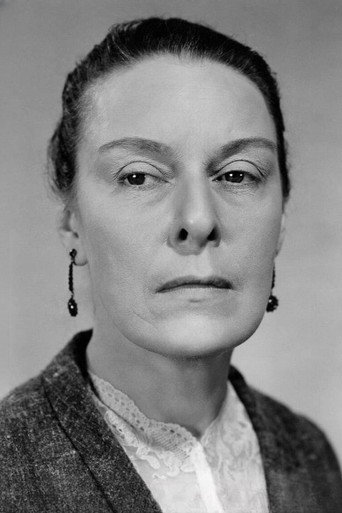 Mira McKinneyMinister's Wife
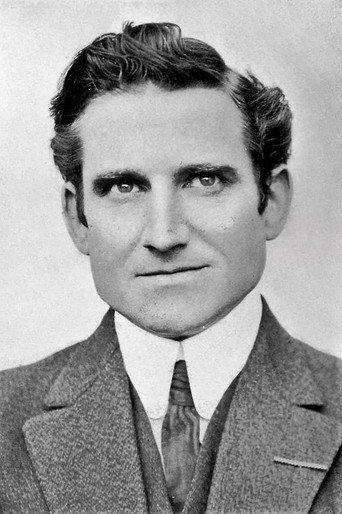 Murdock MacQuarrieJ. Widdecombe Billows
Directing
- Carter DeHavenAssistant Director
- Henry BergmanAssistant Director
- Charlie ChaplinDirector
- Della SteeleScript Supervisor
Writing
- Charlie ChaplinScreenplay
Production
- Al Ernest GarciaCasting
- Charlie ChaplinProducer
- Alfred ReevesProduction Manager
- Jack WilsonProduction Manager
Recommended by
Safety Last!, The Great Dictator, Metropolis, The General, Sherlock Jr., The Kid, Steamboat Bill, Jr., City Lights, WALL·E, I'm All Right Jack, The Gold Rush, PlayTime, Mon Oncle, Monsieur Hulot's Holiday, Man with a Movie Camera, Joker, You Can't Take It with You, Here's Lucy, Killer of Sheep