
Film
Mon Oncle
Mon Oncle is Jacques Tati's gentle satire of modern living, told almost entirely through visual gags instead of dialogue. Rumpled, kindly Monsieur Hulot drifts between his crumbling old neighbourhood and his sister's sterile, gadget-stuffed suburban villa. It's slow, silly, and beautifully choreographed — closer to ballet than sitcom. Perfect for anyone who loves comedy built on timing, colour, and architecture rather than punchlines.
If you liked this
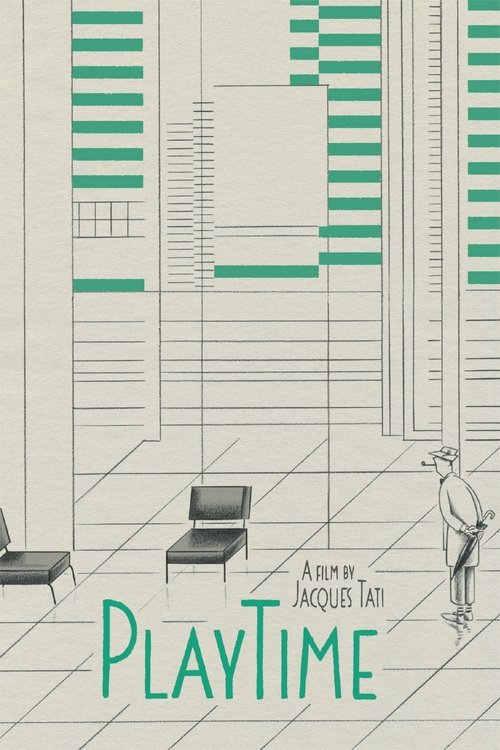
PlayTime1967
Tati's follow-up pushes the same satire further, building an entire glass-and-steel Paris out of studio sets for Hulot to wander through, nearly wordless and endlessly inventive.
But It's plotless, close to two and a half hours, and demands more patience than some viewers will have.
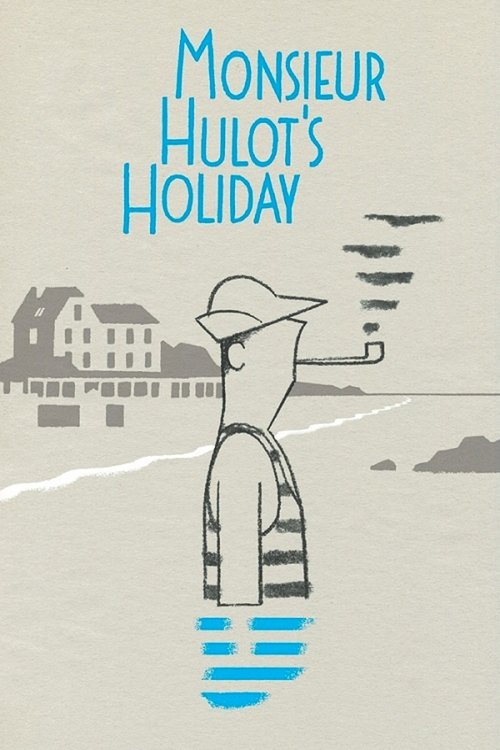
Monsieur Hulot's Holiday1953
The film that introduced Hulot, gentler and more intimate, set on a French seaside where the gags are quieter and the mood is pure summer nostalgia.
But Less structurally ambitious than Mon Oncle, and even more languid in pace.
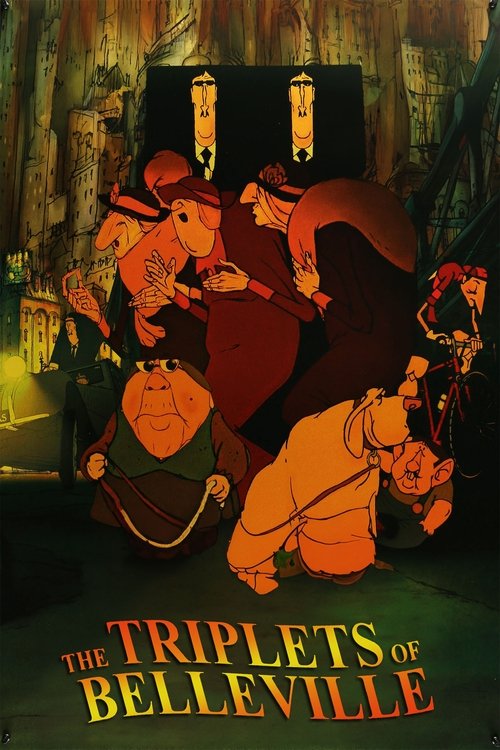
The Triplets of Belleville2003
An animated love letter to Tati's visual comedy, all rubbery bodies and sight gags, with barely a word of dialogue and a wonderfully strange retro-futurist look.
But The grotesque character designs and jazzy chaos might feel like a lot if you wanted something calmer.
The wildcard
Something you would not have found on your own.
The Scarecrow1920no page yet
Mon Oncle's satire of automated domestic life has a direct silent-era ancestor here, where the same joke — a house that works too hard at working — is told purely through mechanical gags rather than social observation.
A 19-minute silent gem where two farmhands share a house rigged with pulleys and levers that set the table, feed the cat, and hang the laundry — the gadget-house gag, fully formed, decades before the Arpels ever bought one.
But Silent, black-and-white, and barely feature-length — a snack, not a meal, and far more frantic than Tati's stillness.
More like this (8)
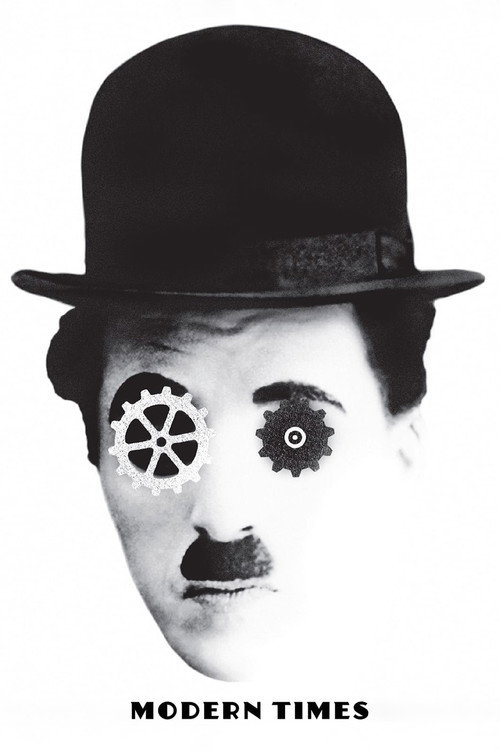
Modern Times1936
Chaplin's own war with machinery and modern efficiency, funnier and sadder in equal measure, and the clearest ancestor of Tati's suspicion of progress.
But It's silent-era slapstick with intertitles, a rhythm some modern viewers find dated.
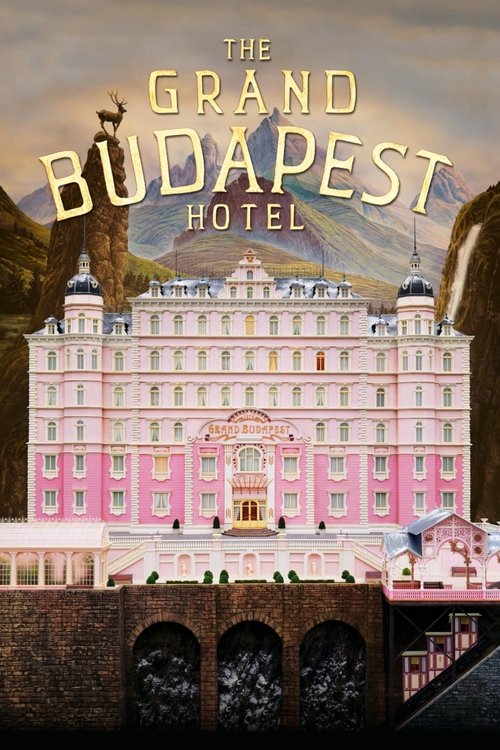
The Grand Budapest Hotel2014
Wes Anderson's symmetrical, colour-coded world owes an obvious debt to Tati's compositions, and it's just as playful about buildings as it is about characters.
But Busier and more plot-driven, with a whimsy that can tip into preciousness.
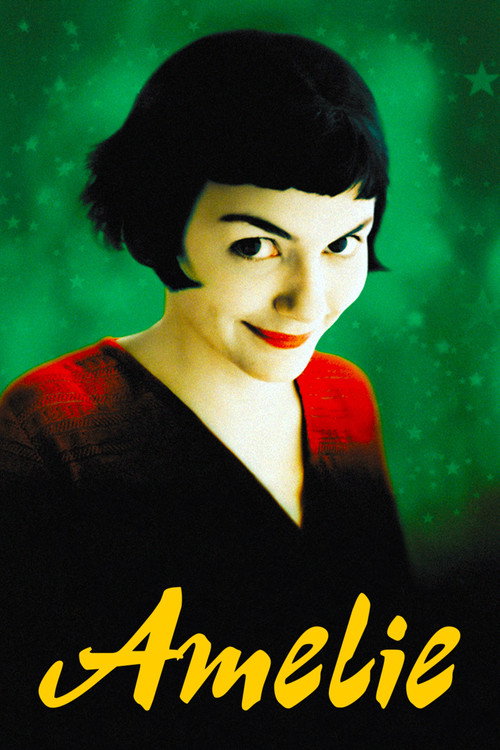
Amélie2001
A warmer, more whimsical Paris fable that shares Mon Oncle's love of small eccentric rituals and a city seen slightly askew.
But It's sentimental where Tati stays wry, and some find its quirkiness a bit much.
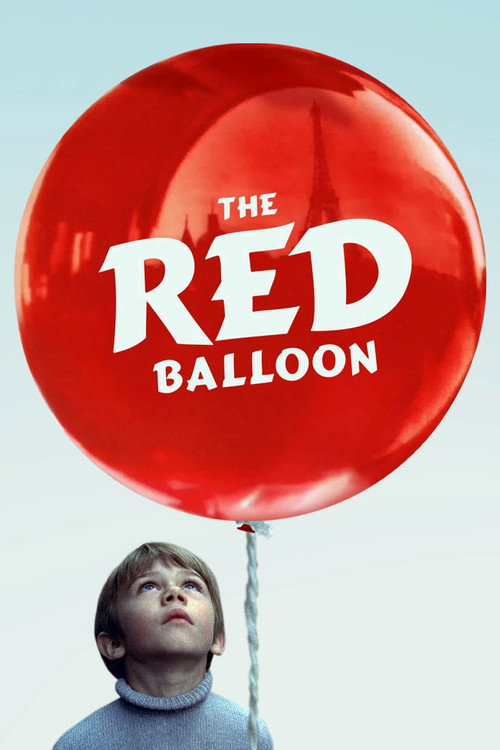
The Red Balloon1956
A nearly wordless French short about a boy and a balloon drifting through Paris streets, with the same tender eye for city and childhood as Mon Oncle's nephew scenes.
But At 34 minutes it's a taste, not a full meal, and very simple in ambition.
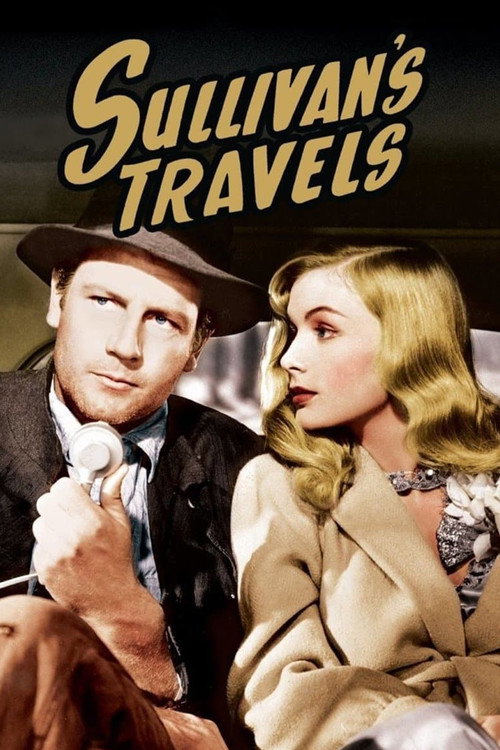
Sullivan's Travels1941
Preston Sturges' comedy about a filmmaker chasing "real life" pokes at class and comfort with the same affectionate skepticism Tati aims at modern wealth.
But It's more talkative and plot-heavy, a different comic engine built on wit rather than gesture.
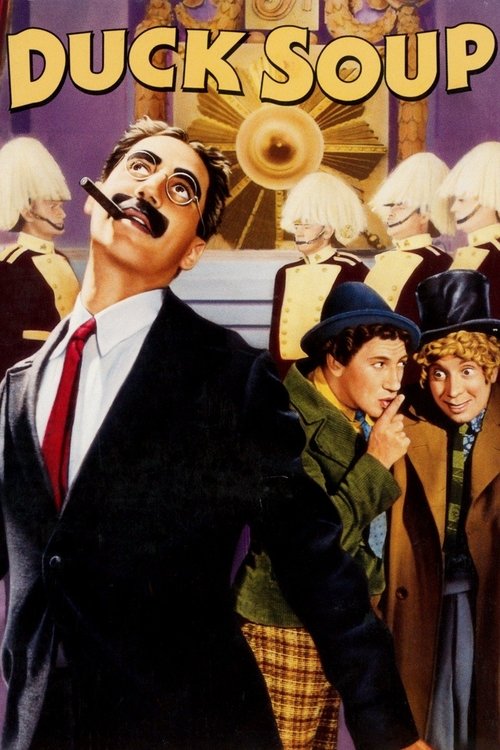
Duck Soup1933
The Marx Brothers' anarchic satire is louder and faster, but it shares Mon Oncle's delight in absurd systems and self-important institutions.
But The chaos and wordplay are a world away from Tati's stillness and visual patience.
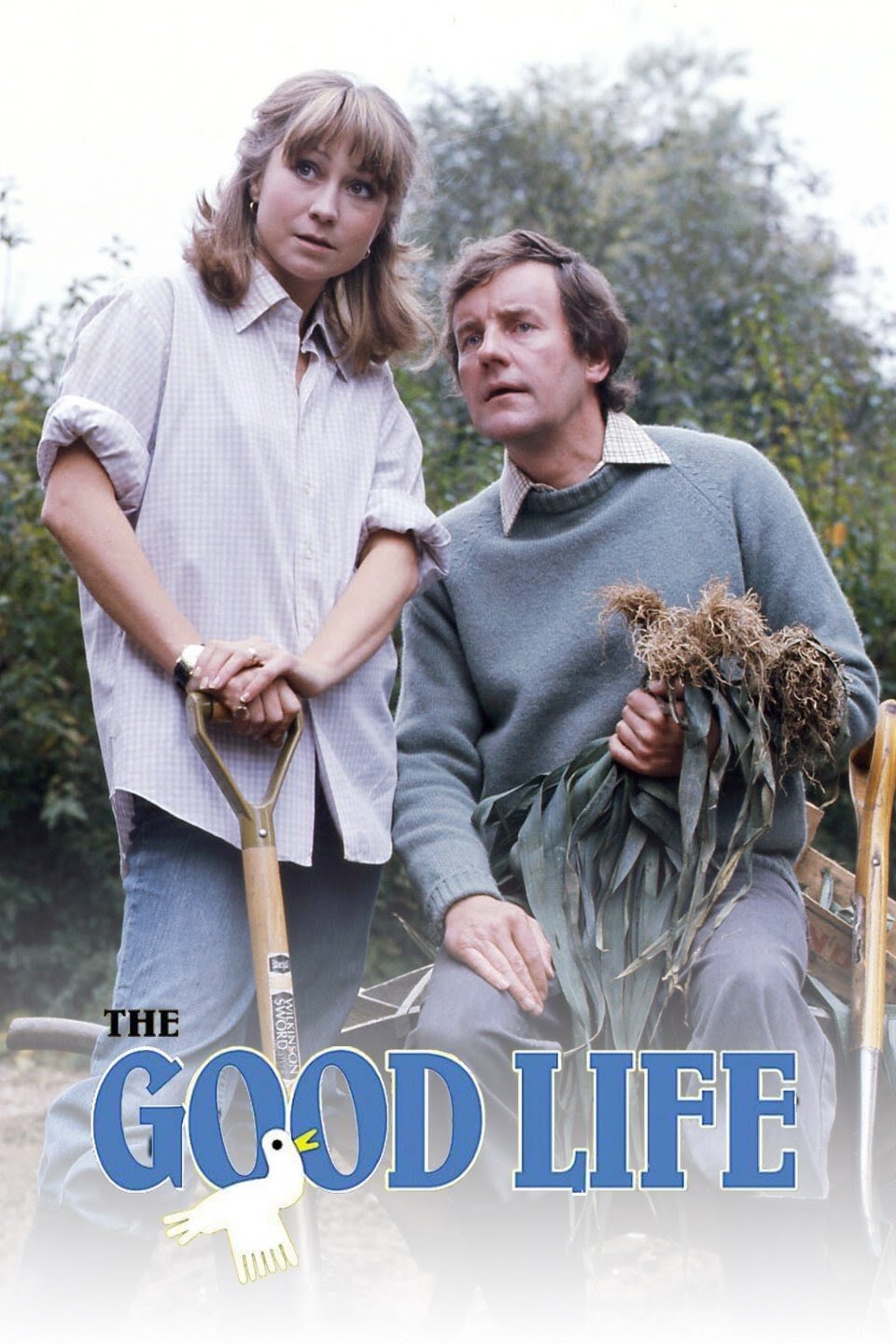
The Good Life1975
Where Tati shows the sterile suburb through Hulot's baffled eyes, this sitcom lives inside it every week, making the same argument — that modern comfort is a trap — through conversation instead of pure image.
A beloved British sitcom about a couple who abandon suburban consumerism to grow their own food, driving their status-obsessed, gadget-loving neighbours to despair — Mon Oncle's central joke stretched into a whole series.
But It's dialogue-driven and studio-bound, the opposite of Tati's visual choreography, and very much a product of its decade.
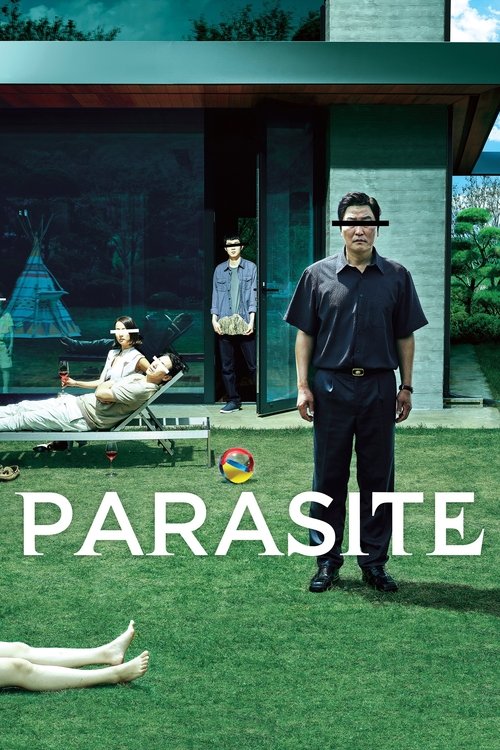
Parasite2019
Both films use a beautiful, cold modern house as a stage for satirising who gets to belong in the modern world, but Parasite drags that same joke into genre territory where the stakes are life and death rather than a garden fountain.
Bong Joon-ho's thriller turns architecture into class warfare, with a gleaming modernist house every bit as symbolic — and eventually as absurd — as the Arpels' villa, before the film swerves somewhere far darker.
But It's a tense, occasionally violent thriller with real menace, nothing like Mon Oncle's gentle whimsy — go in expecting dread, not charm.
People
Cast
 Jacques TatiMonsieur Hulot
 Jean-Pierre ZolaMonsieur Arpel
 Adrienne ServantieMadame Arpel
 Lucien FrégisMonsieur Pichard
 Betty SchneiderBetty, Landlord's Daughter
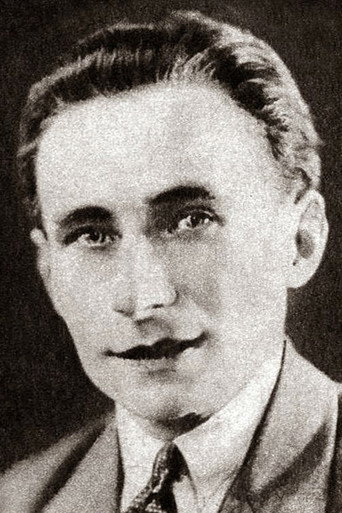 Jean-François MartialWalter
- Dominique MarieNeighbor
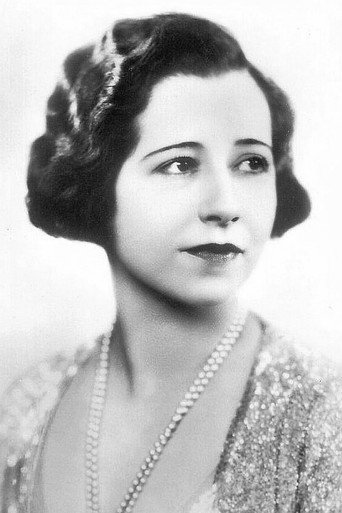 Yvonne ArnaudGeorgette, the Housekeeper
- Adelaide DanieliMadame Pichard
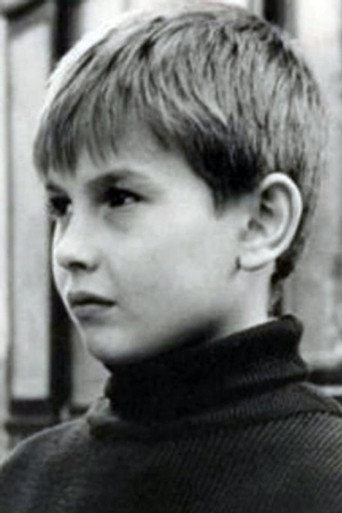 Alain BécourtGérald Arpel
- Régis FontenayBraces Dealer
- Claude BadolleRagman
Directing
- Henri MarquetAssistant Director
- Pierre ÉtaixAssistant Director
- Jacques TatiDirector
- Sylvette BaudrotScript Supervisor
Writing
- Jacques LagrangeScreenplay
- Jean L'HôteScreenplay
- Jacques TatiWriter
Production
- René SilveraAdministration
- Alain TérouanneAssociate Producer
- Louis DolivetLine Producer
- Fred OrainProducer
- Jacques TatiProducer
- Raymond DechanseauProduction Assistant
- Bernard MauriceProduction Manager
- Juliette WuidartProduction Secretary
Recommended by
The Triplets of Belleville, PlayTime, Monsieur Hulot's Holiday, The Lucy Show