
Film
Providence
Other titles called Providence: the 1999 series (NBC).
- Family drama
- Slow-burning
A 1977 Alain Resnais film where an elderly, dying writer spends one feverish night inventing and reinventing scenes for his final novel, populating it with versions of his family warped through memory, fantasy and bitterness. Formally audacious, darkly funny, and utterly focused on the architecture of consciousness itself.
Should you watch it?
Watch it if you love talky, sly, interior films where memory and malice blur together, and an ailing man's sharp tongue carries the whole thing across one restless night.
Skip it if you need brisk plotting or a clear line between what happens and what is imagined, since the film blurs both on purpose and rarely pauses for air.
What it asks of you: Mostly one night and a few rooms, 110 minutes of scenes rewritten as they unfold, shifting between sour wit and open melancholy, with no rush to settle.
Not sure? Find tonight's pick in a minute.
If you liked this
The Seventh Seal1957
Bergman's meditation on mortality, art and legacy—a man facing death reflecting on a life spent creating. Like Providence, it treats death not with reverence but as an occasion for unflinching self-examination and dark humour.
But A completely different register: glacial, mythic, austere where Providence is baroque and feverish. Long static scenes and philosophical dialogue may feel ponderous.

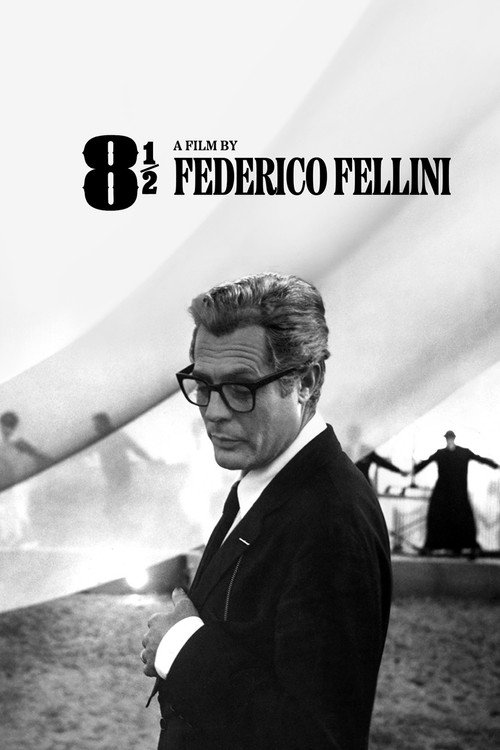
8½1963
Fellini's masterpiece about a director assembling a film from memory, fantasy and whim—the closest cousin to Providence in spirit. Visually dazzling, technically playful, and utterly about the self-mythologizing mind.
But Nearly three and a half hours of baroque symbolism and circular narrative. If you want a plot that goes somewhere, this will frustrate you.
Synecdoche, New York2008
Kaufman's film about a dying man constructing an increasingly elaborate fantasy world that mirrors and contains his life. Same obsession with how the mind remakes reality through art, same anguished intelligence.
But Aggressively recursive and claustrophobic; it can feel like watching someone's mental breakdown in real time, which is partly the point but not for everyone.

Not sure tonight? Get a pick in a minute, starting from Providence
The wildcard
Something you would not have found on your own.
A Ghost Story2017
Both films treat the interior life—memory, grief, the stories we tell ourselves—as the only real plot. Both refuse to comfort the viewer with resolution.
A widow mourning her husband is haunted not by gore but by presence—by the ghost of their accumulated life together. Like Providence, it's a film about time, memory and how we project meaning onto absence. But where Providence is feverish and baroque, this is quiet, patient and devastating.
But Visually austere: lots of static shots, minimal dialogue, a woman sitting alone in a house for long stretches. Some viewers find it boring rather than meditative.

More like this (7)
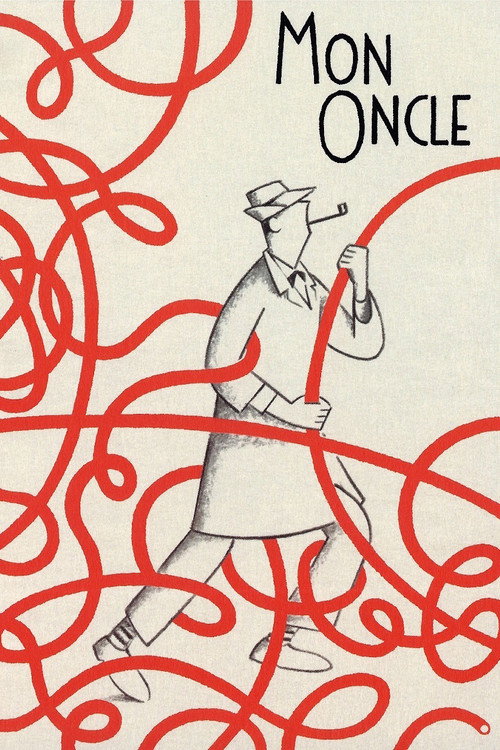
Mon Oncle1958
Tati's slyly observant comedy about family, modernity and the gap between surface and reality. A lighter touch than Providence, but shares its wry eye for how people perform themselves.
But Almost entirely visual and deadpan. No plot to speak of, just the pleasure of watching human behaviour reflected back as farce.
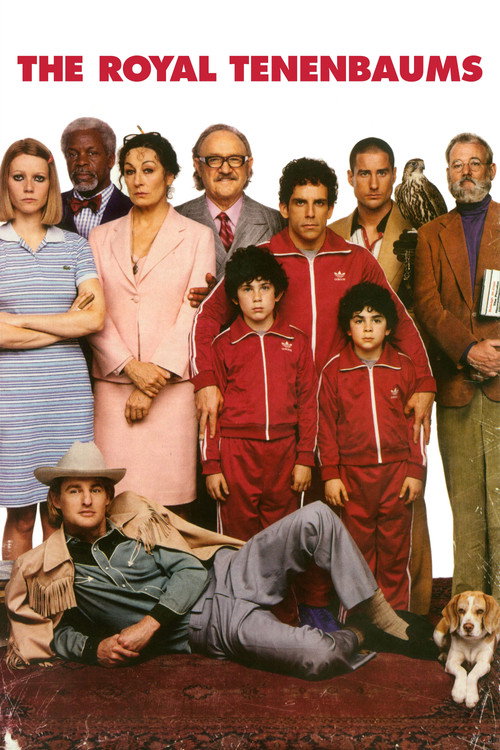
The Royal Tenenbaums2001
Anderson's film about a genius family matriarch and her three adult children, structured as revisited memories and fantasy sequences. Shares Providence's tone: both comic and melancholic, both about how families distort and inspire.
But Some find the whimsy and production design precious rather than moving. The symmetry and control can feel mannered.
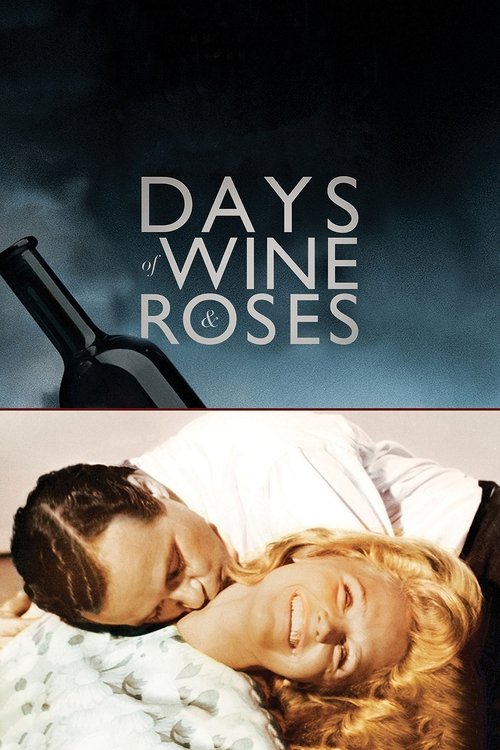
Days of Wine and Roses1963
Blake Edwards' unflinching look at an alcoholic man watching his life and marriage collapse. Shares Providence's refusal to sentimentalize or excuse the protagonist, even as we understand him.
But Relentlessly bleak and focused on decline. No formal experiments, just the slow-motion catastrophe of addiction.
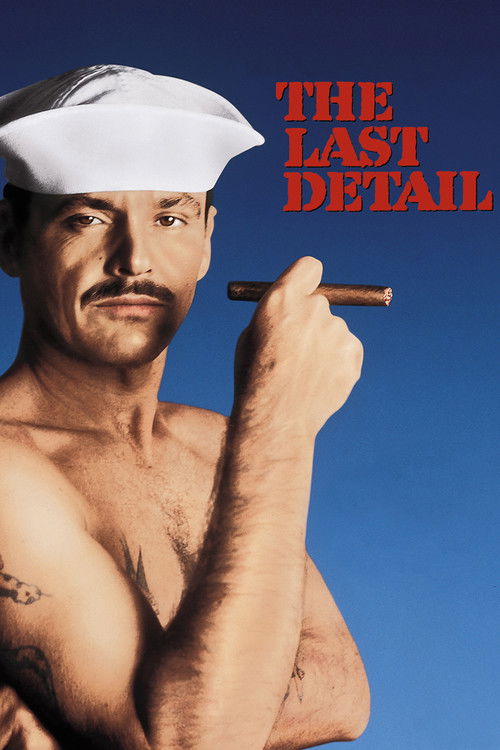
The Last Detail1973
Ashby's bittersweet comedy about two sailors escorting a young man to jail—a journey through American life. Shares Providence's attention to how men mythologize themselves and each other through storytelling and fantasy.
But Very of its moment (1970s cynicism and sentiment), and the banter may feel dated if you're not attuned to that register.
Stalker1979
Tarkovsky's meditative film about men journeying into a mysterious zone to find a room that grants wishes. Like Providence, it's obsessed with desire, the self, and what we project onto the world.
But Glacial pacing, no conventional narrative, long takes of industrial landscape and water. Tests patience as a form of meaning-making.

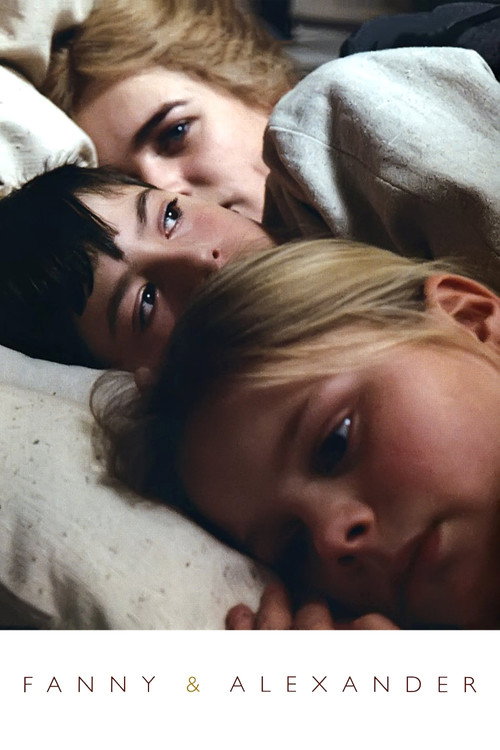
Fanny and Alexander1982
Bergman's sprawling family saga told as memory, fantasy and autobiography. Late-career reflection on childhood, family myth-making, and the stories we tell ourselves about where we come from.
But Nearly five and a half hours long (the theatrical cut is shorter but less complete). Bergman's baroque late style won't appeal to everyone.
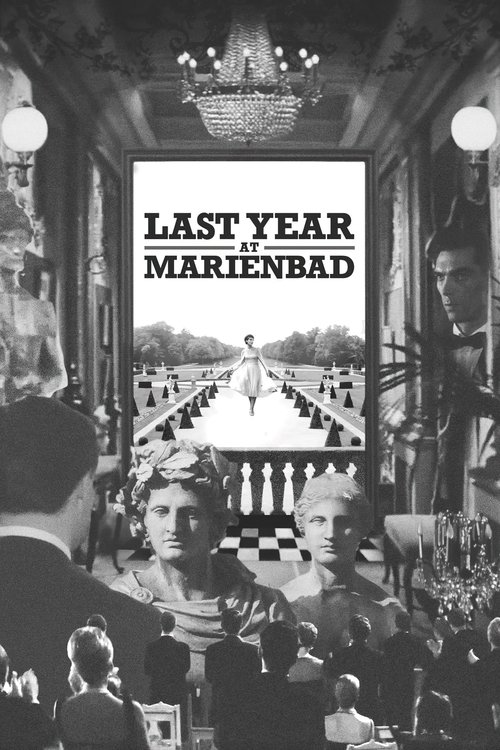
Last Year at Marienbad1961
Both are Resnais films about consciousness and memory made flesh on screen. Marienbad is his earlier and even more formally daring meditation on the same questions Providence asks about how we construct narrative from the wreckage of experience.
Resnais and Robbe-Grillet's hypnotic puzzle about a man trying to convince a woman they met a year ago, in a baroque hotel where time and memory loop impossibly. Visually ravishing, formally playful, utterly about how memory constructs (and distorts) reality.
But Maddening if you approach it as a mystery to solve. It's deliberately unresolvable—the pleasure is in the patterns, not the payoff.
People
Cast
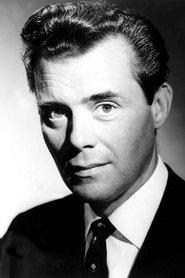 Dirk BogardeClaude Langham
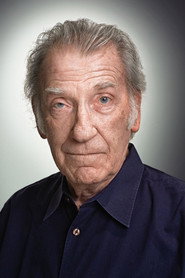 David WarnerKevin Woodford
 Ellen BurstynSonia Langham
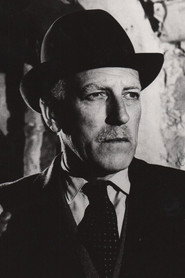 Cyril LuckhamDr. Mark Eddington
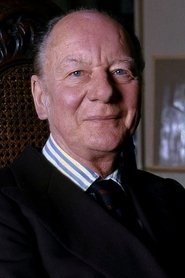 John GielgudClive Langham
 Tanya LopertMiss Lister
 Elaine StritchHelen Wiener
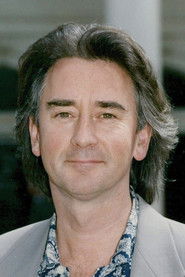 Denis LawsonDave Woodford
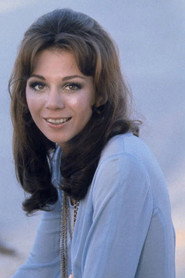 Kathryn Leigh ScottMiss Boon
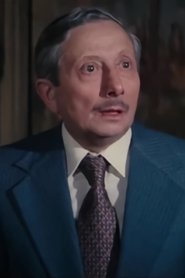 Milo SperberJenner
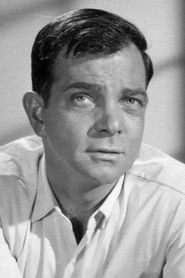 Peter ArneNils
 Anna WingKaren
Directing
- Alain ResnaisDirector
- Marie-Josée GuissartScript Supervisor
Writing
- David MercerDialogue
- David MercerScreenplay
Production
- Michel FauréAdministration
- Juergen HellwigAssociate Producer
- Lise FayolleAssociate Producer
- Philippe DussartExecutive Producer
- Klaus HellwigProducer
- Yves GasserProducer
- Yves PeyrotProducer
- Roland SabaryProduction Director
- Antoine GannagéProduction Manager
- Michel ChoquetProduction Manager