
Film
Fanny and Alexander
Bergman's warmest and strangest film is really two stories fused together: a lush, sensory celebration of a theatrical family's Christmas abundance, and a gothic fable about a widowed mother remarried into cold, punishing austerity. Ghosts, puppets and God all wander through it. At three hours it asks patience, but it repays every minute with images you won't shake.
If you liked this
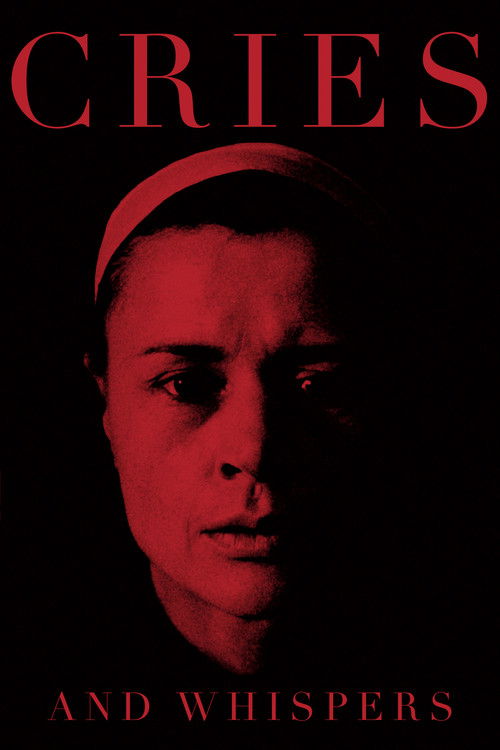
Cries and Whispers1972
Bergman at his most emotionally exposed, three sisters circling illness and old wounds in a house the colour of a wound itself. Devastating, painterly, unforgettable.
But No children, no warmth, no reprieve — this is Bergman's bleakest register, with almost none of Fanny and Alexander's tenderness.
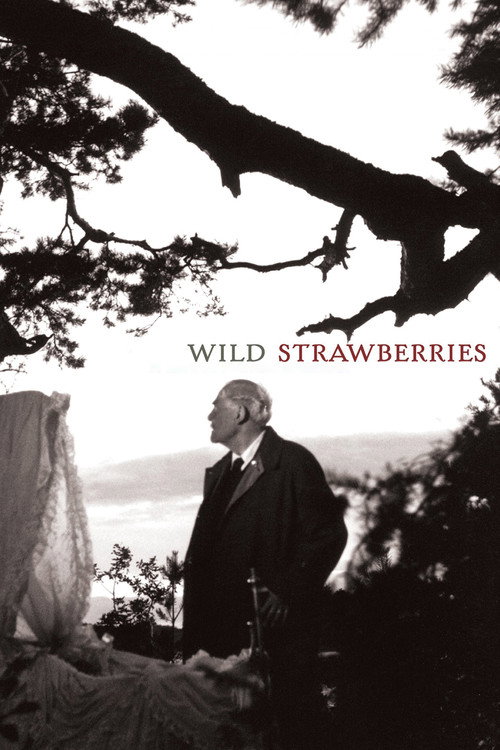
Wild Strawberries1957
An old man's road trip through memory and regret, gentler and shorter than Bergman's later work but carrying the same fascination with family, guilt and ghosts of the past.
But Quiet and interior rather than eventful — a character study, not a saga, and some find its pacing sedate.
Amarcord1973no page yet
Fellini's own autobiographical childhood memoir, riotous and sentimental and strange in exactly the way memory is. Same appetite for excess, same tenderness underneath the chaos.
But Looser and more episodic than Bergman's tightly wound family drama; it wanders where Fanny and Alexander builds.
The wildcard
Something you would not have found on your own.
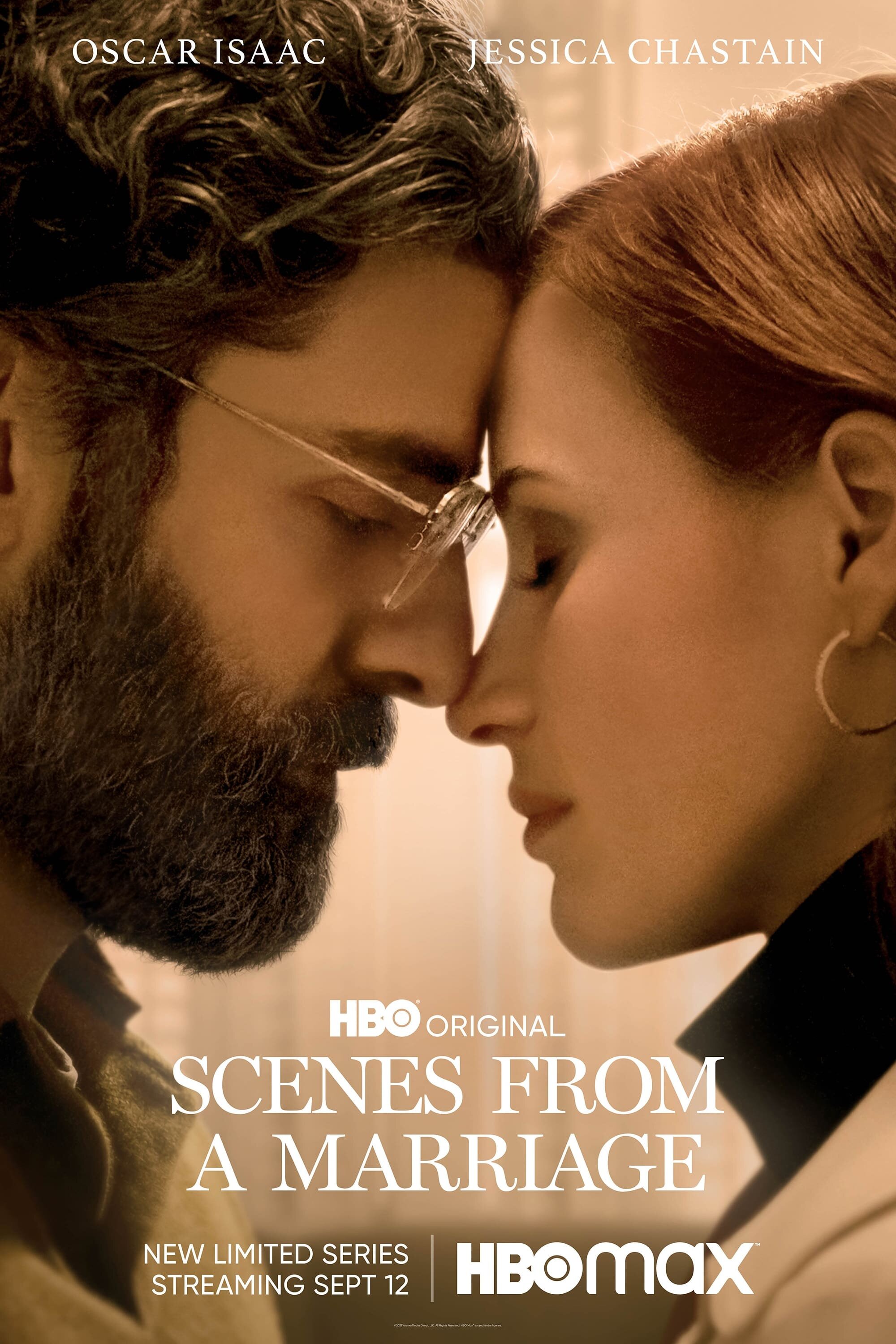
Scenes from a Marriage2021
Same director, same decade, same interest in family as battlefield — but Bergman shrinks his canvas from a whole household's mythology to one marriage's slow autopsy, and swaps film for the intimacy of television.
Bergman himself, working in television just before this film, dissecting a marriage's collapse across six close, merciless episodes. Watch the same eye that built the Ekdahl household turn it on two people alone in a room.
But There's no child's-eye wonder here, no fantasy, no ensemble warmth — just two adults talking, for hours, about the end of love.
More like this (8)
Cinema Paradiso1988
A boy's coming of age inside a world of performance and illusion, soaked in nostalgia for childhood, art, and the adults who shaped him. Warmer and more openly sentimental.
But Considerably simpler and more crowd-pleasing — it wants to move you, not unsettle you.

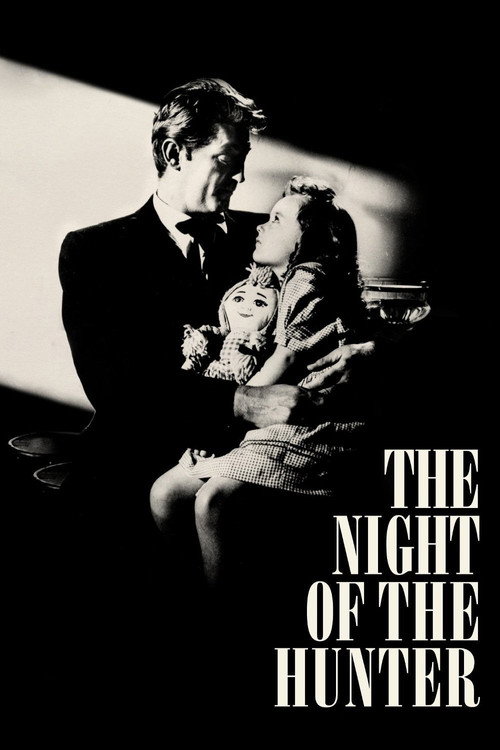
The Night of the Hunter1955
A terrifying stepfather figure seen through children's eyes, shot like a dark fairy tale. If the Bishop chilled you, this is the film that invented that particular nightmare.
But Far more overtly a thriller, with a genuine monster rather than Bergman's more ambiguous, human cruelty.
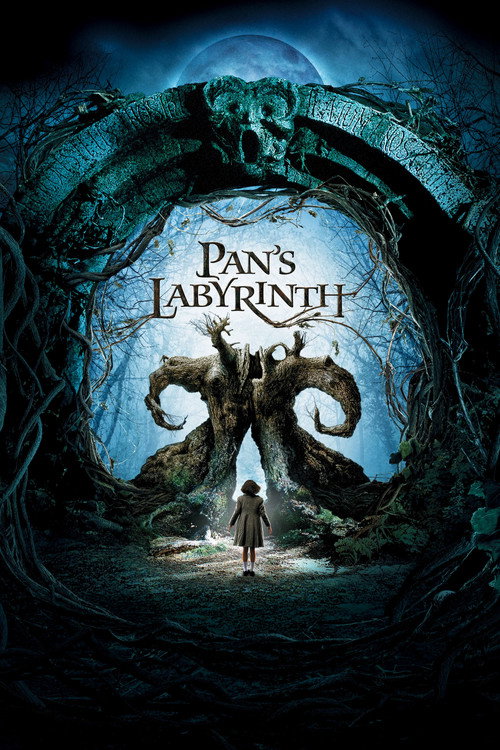
Pan's Labyrinth2006
A child escapes a brutal stepfather into a fantastical underworld — the same collision of innocence and menace, magic used as both comfort and confrontation with reality.
But Considerably more violent and explicitly political than Bergman's family drama, set against fascist Spain rather than genteel Sweden.
My Life as a Dog1985no page yet
Another Swedish boy shuffled between households after loss, funny and heartbreaking in equal measure, with a lighter touch and a child's resilient, absurdist humour.
But Much shorter and gentler — a slighter film without Bergman's operatic scale or gothic undertow.
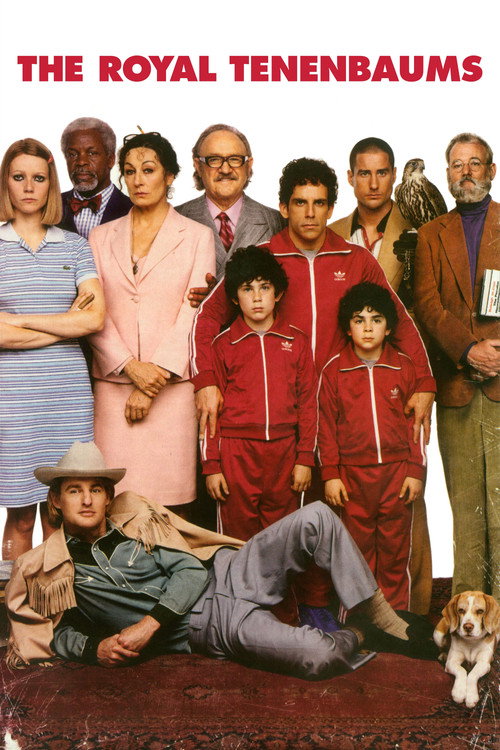
The Royal Tenenbaums2001
An eccentric, theatrical family in a richly decorated house, full of grief dressed up as whimsy. Wes Anderson's affection for doomed, glamorous households owes something to this lineage.
But Deadpan and stylised where Bergman is sincere and immersive — tonally almost the opposite experience.
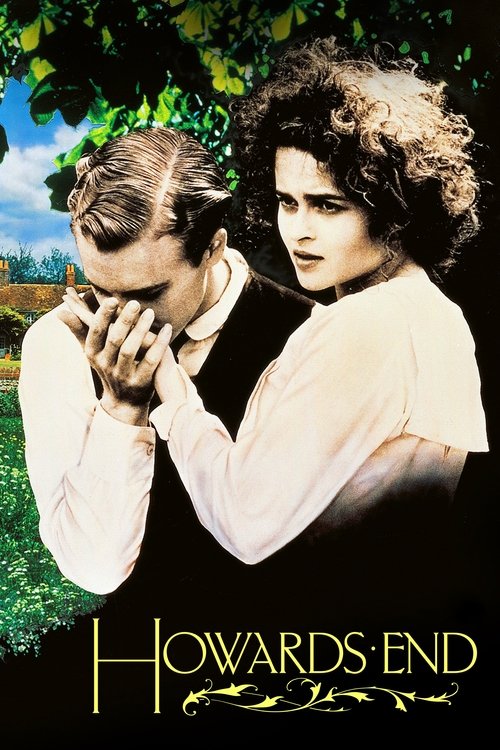
Howards End1992
A sumptuous family saga about inheritance, class and the houses people fight over, carried by extraordinary performances. Good company for anyone who loves this film's sense of domestic scale.
But Genteel English restraint rather than Scandinavian gothic — no ghosts, no fantasy, much cooler blood.
The Magnificent Ambersons1942no page yet
Forty years earlier, in black and white and old Hollywood, Welles was already doing what Bergman does — using one family's fortunes and rooms as a portrait of a whole vanishing world.
Orson Welles's tale of a grand family's slow decline, shot with the same appetite for opulent interiors and the sense of an era closing around its characters. Elegiac, gorgeous, tragic.
But Studio-mutilated ending aside, it's a colder, more ironic film — no magic, no children's wonder, just the machinery of a dynasty grinding down.
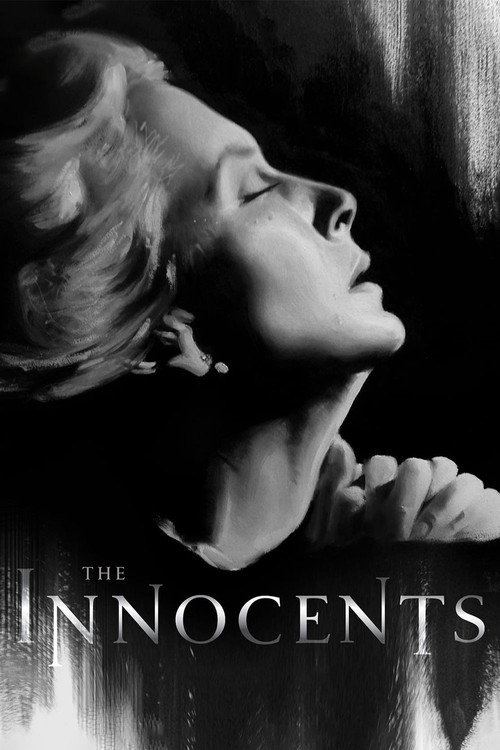
The Innocents1961
Same ingredients — children, a haunted house, a hovering question of whether the supernatural is real or a symptom of adult cruelty — reassembled as a straight ghost story instead of a family fable.
A governess and two strange children in a great house, haunted by something that may be ghosts or may be repression itself. Gorgeous black-and-white gothic horror with real ambiguity about what's real.
But Genuinely frightening in a way Fanny and Alexander only flirts with — this commits fully to horror, and its dread doesn't let up.
People
Cast
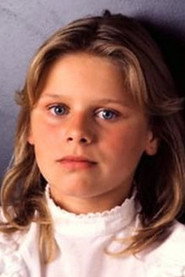 Pernilla AllwinFanny Ekdahl
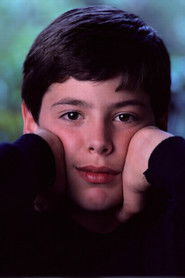 Bertil GuveAlexander Ekdahl
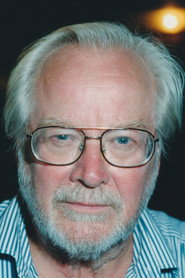 Jan MalmsjöBishop Edvard Vergerus
 Ewa FrölingEmilie Ekdahl
 Gunn WållgrenHelena Ekdahl
 Börje AhlstedtCarl Ekdahl
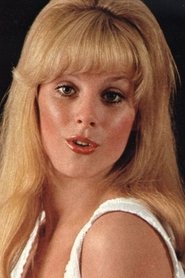 Anna BergmanHanna Schwartz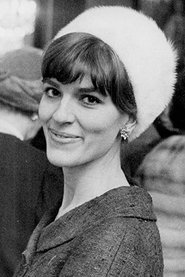
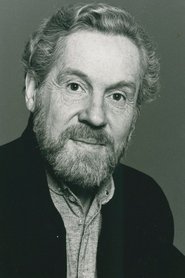 Erland JosephsonIsak Jacobi
 Mats BergmanAron Retzinsky
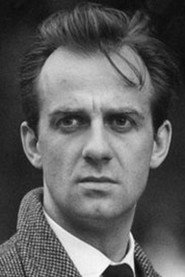 Jarl KulleGustav Adolf Ekdahl
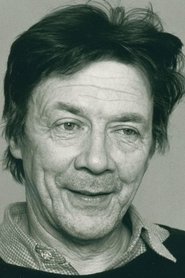 Allan EdwallOscar Ekdahl
Directing
- Ingmar BergmanDirector
Writing
- Ingmar BergmanWriter
Production
- Ingrid BergmanAdministration
- Renzo RosselliniCo-Producer
- Daniel Toscan du PlantierProducer
- Jörn DonnerProducer
Recommended by
Hannah and Her Sisters, The Tree of Life, The White Ribbon, Aparajito