
Film
Pelle the Conqueror
A Danish epic following a Swedish father and son who emigrate to Bornholm in the 1880s seeking work and salvation. Quietly devastating, operating at the pace of seasons and heartbreak, it observes rural hardship without sentimentality. For anyone who wants cinema as spiritual experience rather than entertainment.
If you liked this
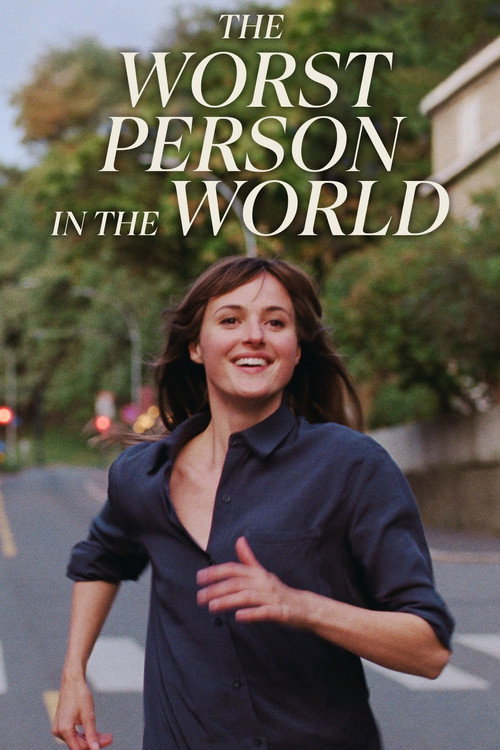
The Worst Person in the World2021
A portrait of becoming, sketched across years and small decisions. Joachim Trier finds comedy and ache in the spaces between ambition and accident, much like Pelle finds them in labour and love.
But It's set in Oslo, deals with modern romance and existential drift—if you want another rural emigration saga, this isn't it.
Stalker1979
Tarkovsky's obsession with waiting, longing, and the spiritual weight of ordinary moments mirrors Pelle's meditative pacing. Both demand patience and reward it with profound quiet.
But Science fiction framing and deliberately slow cinema. If you want plot momentum, you will find this punishing.

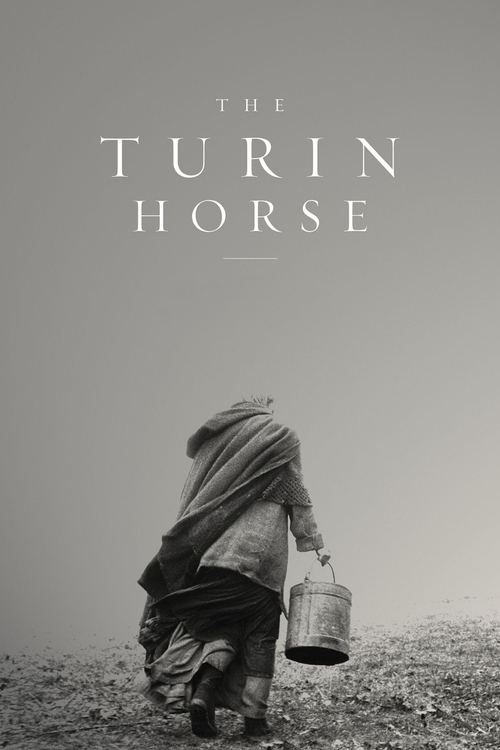
The Turin Horse2011
Béla Tarr's final film captures the same grinding dignity and collapse of Pelle's world—two figures trapped in systems larger than themselves, shot in luminous black and white.
But Apocalyptic and bleak in ways that go beyond sadness. This is cinema about ending, not redemption.
Not sure tonight? Get a pick in a minute, starting from Pelle the Conqueror
The wildcard
Something you would not have found on your own.
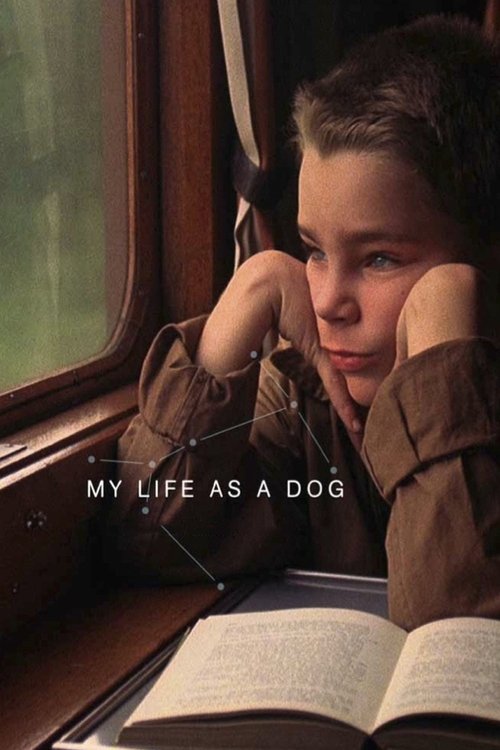
My Life as a Dog1985
Both are Scandinavian coming-of-age stories about boys navigating poverty and adult indifference, but they offer completely different answers to the same question: how does a child survive?
Lasse Hallström's Swedish film also traces a boy's survival through hardship and displacement. But where Pelle is epic and tragic, this finds absurdity, comedy, and a child's resilience. Same era, same geography, opposite emotional register—and that contrast is illuminating.
But Warmer and more whimsical than Pelle. If you came to Pelle for unrelenting severity, this gentleness might feel like a betrayal.
More like this (8)
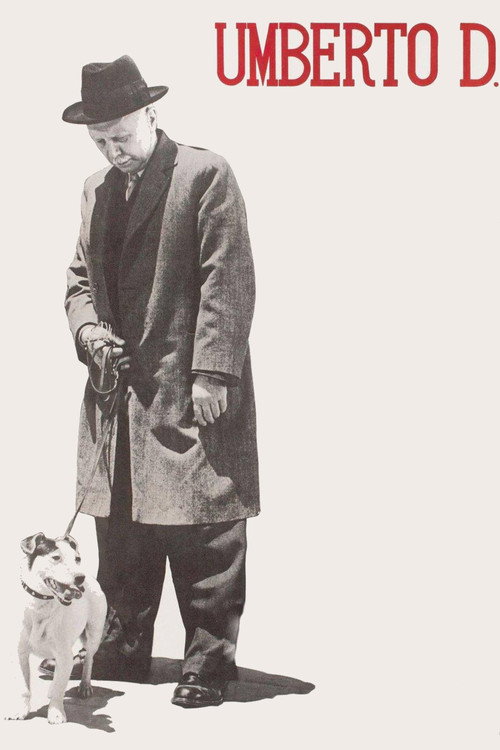
Umberto D.1952
De Sica's portrait of an elderly pensioner and his dog facing indifference in post-war Rome has Pelle's refusal to look away from economic vulnerability and human dignity in decline.
But Made 35 years earlier and in Italian neorealism—if you want something contemporary or less formally austere, try elsewhere.
A Prophet2009
Jacques Audiard traces how systems—prison, class, circumstance—shape a young man into someone else. The same architecture of entrapment and compromise that defines Pelle's journey.
But It's a prison drama, violent and urban. The world is jarringly different even if the emotional skeleton is the same.

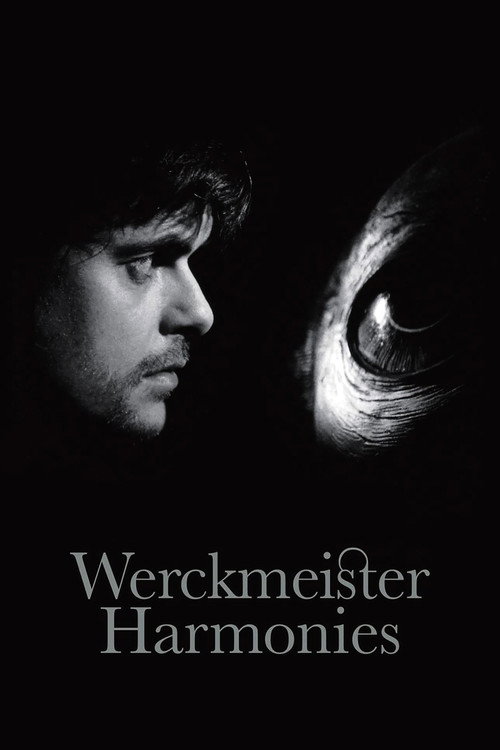
Werckmeister Harmonies2001
Another Tarr film, because if you feel Pelle's gravitational pull toward apocalypse and the mystical, this is essential. A whale arrives in a provincial town. Civilization unmoors itself.
But Abstract and cryptic in ways Pelle never is. Some will find it pretentious; most will find it difficult.
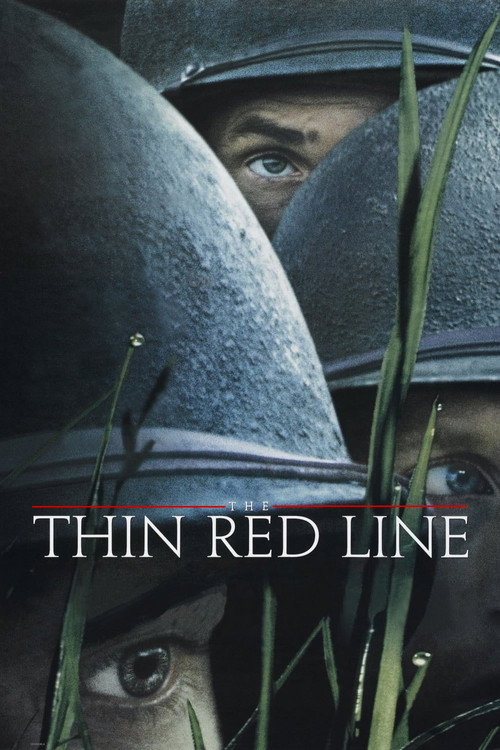
The Thin Red Line1998
Malick's meditation on violence, grace, and men at the mercy of forces beyond them. The philosophical tone, the refusal of easy answers, the sense of something sacred in suffering.
But It's a war film told as a tone poem. If you need narrative clarity, this will frustrate you deeply.
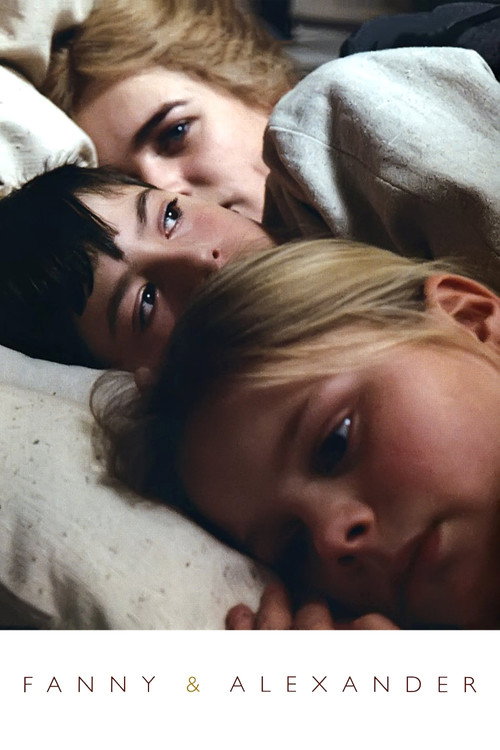
Fanny and Alexander1982
Bergman's final theatrical film also traces childhood through systems of love and cruelty. Family as both refuge and cage, shot with a warmth Pelle mostly denies itself.
But Three hours of Bergman family psychology. If you haven't seen Bergman before, this might be too much.
Come and See1985
A Soviet film about a boy conscripted into war. Like Pelle, it refuses to look away from the corruption of innocence, though it uses horror where Pelle uses silence.
But Genuinely traumatic to watch. This is cinema as ordeal, not catharsis. Only for those prepared for genuine anguish.

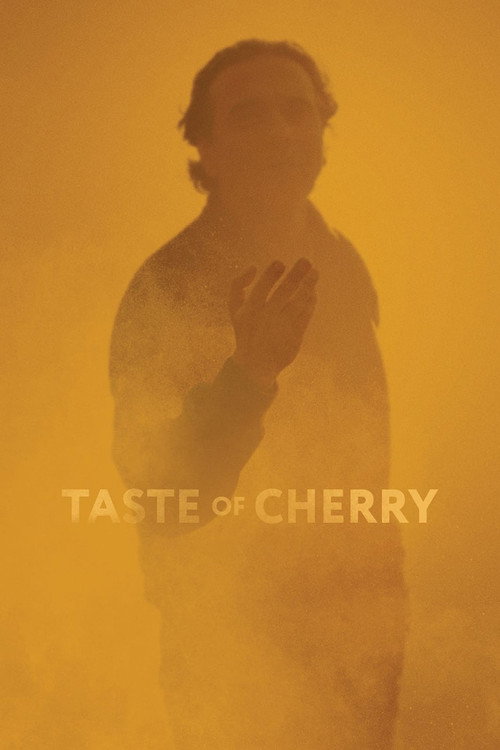
Taste of Cherry1997
Both films believe that cinema's job is to sit with human struggle without explaining or fixing it. Both trust the viewer to find meaning in observation rather than event.
Abbas Kiarostami's Iranian masterpiece about a man driving through Tehran inviting strangers into his car. It's circular, philosophical, and utterly still—asking the same questions about meaning and endurance that Pelle asks, but without narrative or plot.
But Experimental and formally strange. If you want traditional storytelling, this abandons it entirely. Some find it transcendent; others find it maddening.
The Seventh Seal1957
Pelle is spiritually descended from The Seventh Seal—both are European cinema asking whether dignity survives when everything is taken. Pelle simply trades the knight's grand gestures for a farmhand's quiet endurance.
Bergman's medieval knight plays chess with Death. It sounds mythic and is, but like Pelle it uses that mythology to ask: what do we owe each other when nothing is promised? Formally and thematically it's the ur-text for everything Pelle inherits.
But It's the most famous arthouse film ever made, which means it carries the weight of its own reputation. If you approach it as a test of taste rather than an invitation, it will feel cold.

People
Cast
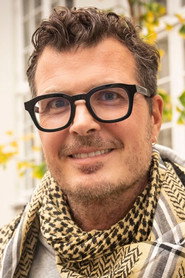 Pelle HvenegaardPelle Karlsson
 Max von SydowLasse Karlsson - Farmhand
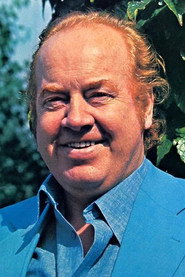 Erik PaaskeStengården Foreman
 Björn GranathErik - Swedish Farm Worker
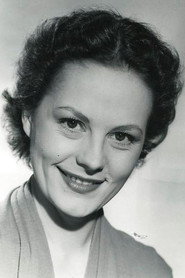 Astrid VillaumeMrs. Kongstrup
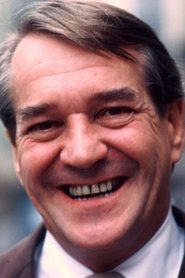 Axel StrøbyeKongstrup - Kungsgården Landlord
 Troels AsmussenRud - A Boy
 Kristina TörnqvistAnna - Stengården Maid
 Karen WegenerMadam Olsen
 Sofie GråbølMiss Sine - Mrs. Kongstrup's Niece
 Lars SimonsenNils Køller - Father of Anna's Children
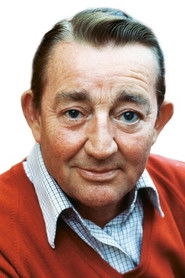 Buster LarsenOle Køller - Nils' Father
Directing
- Mads Egmont ChristensenAssistant Director
- Tove BergAssistant Director
- Bille AugustDirector
- Stine Monty FreddieScript Supervisor
Writing
- Martin Andersen NexøNovel
- Bille AugustScreenplay
- Bjarne ReuterScreenplay
- Per Olov EnquistScreenplay
Production
- Claes Kastholm HansenExecutive Producer
- Katinka FaragóExecutive Producer
- Klas OlofssonExecutive Producer
- Peter PoulsenExecutive Producer
- Per HolstProducer
- Lars KolvigProduction Manager
- Jens ArnoldusUnit Manager
Recommended by
Danny the Champion of the World, Rhapsody in August, Together, The Two of Us, The Teacher and the Miracle, Ronia: The Robber's Daughter, The Year My Parents Went on Vacation